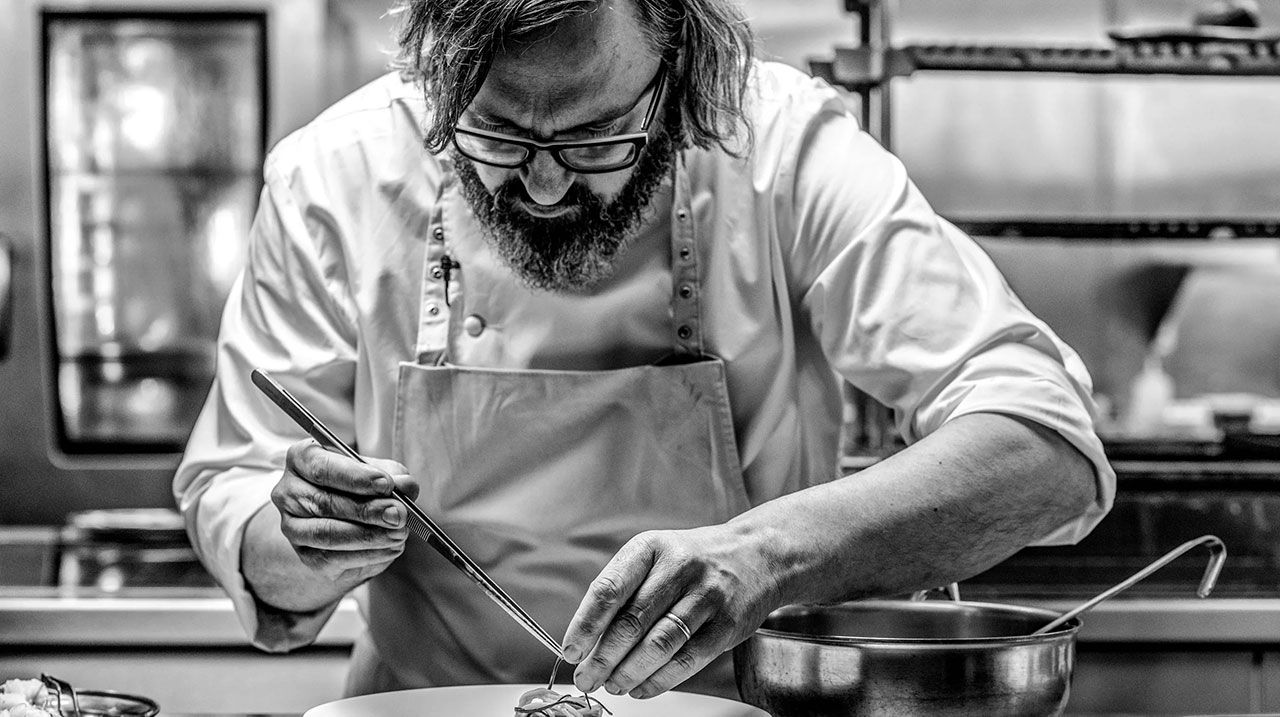
There comes a time during the four-hour grind of a meal at a Michelin-starred restaurant when a dish lands and one thinks, “What is going on?” Top chefs love to show you how pretty, or ironically ugly, their cooking can be, tweezing and glazing food beyond recognition. I was recently served meat puree squeezed through a piping bag to look like grey matter, and because I was so weary from the previous eight courses, I didn’t even bother to try it.
But a Jonny Lake restaurant is not your average Michelin joint. In London, Lake, who hails from Burlington, Ont., and is a veteran of the U.K.’s three-star molecular-dining institution, The Fat Duck, made his name simply by cooking. At his own restaurant, Trivet, by London’s Shard tower – which he opened in 2019 after leaving The Fat Duck – you can have seafood pasta that looks like pasta, roasted game that looks like a chop, and the most gorgeous millefeuille, all crispy and toothy in the right places. And because he’s Canadian, he’ll send you off with a palm-sized butter tart, infused with maple syrup shipped from Quebec, and you’ll lick the last ooze even if you’re full. The Fat Duck may have changed England’s eating habits, but, Lake says, it also lost its hardcore base as its tasting menus got more … performative. “Wine lovers stopped coming because they’re not interested in a flight of 12 glasses they’re gonna forget about,” says Lake. “And for the staff, it became very conveyor belt.” When he started Trivet, he had to leave 12 years of The Fat Duck showmanship behind. “It took a long time to figure out how to pull that out of us,” he says. “Trivet had to be different.” Lake’s restaurant earned its first Michelin star in 2022, and its second in 2024.
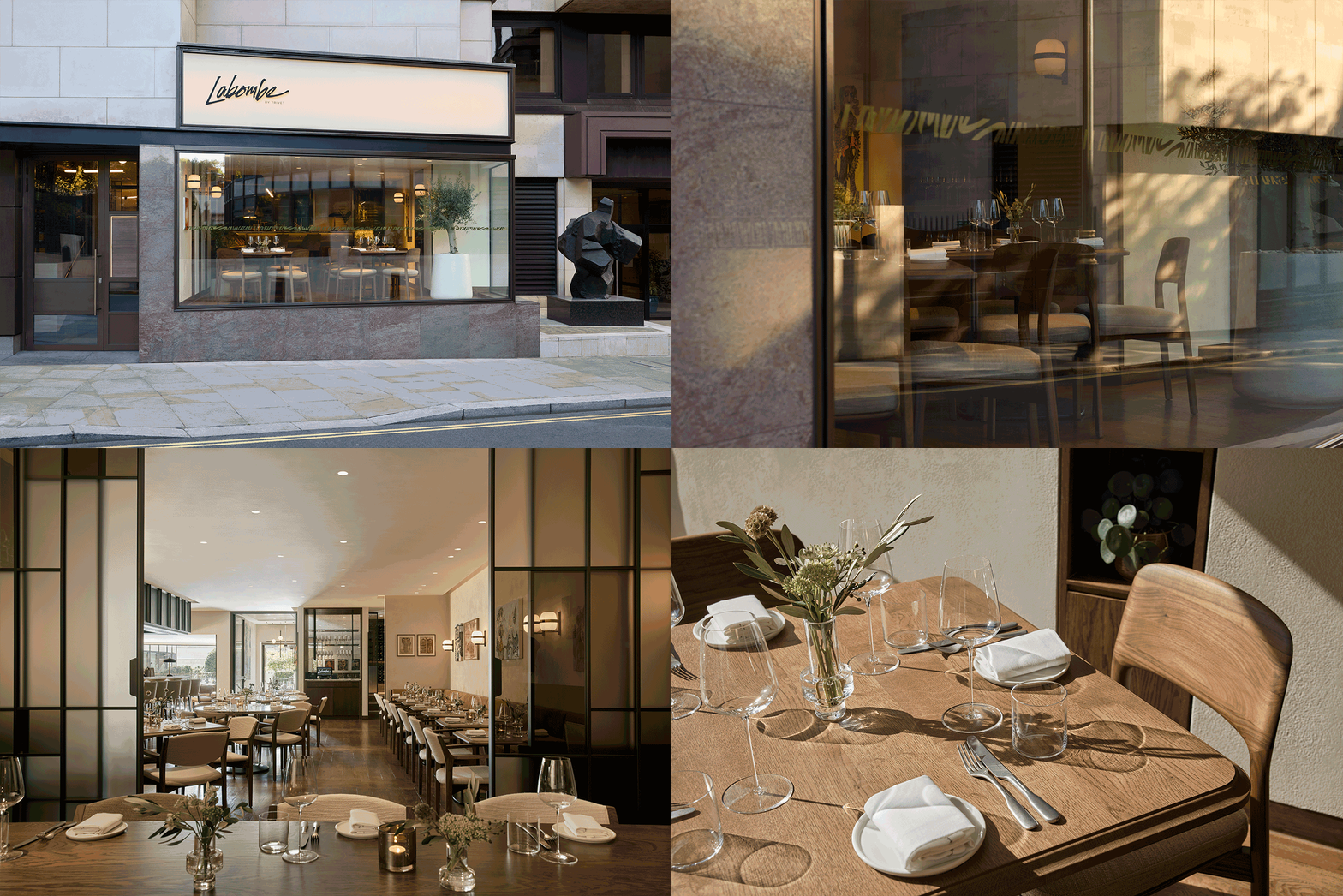
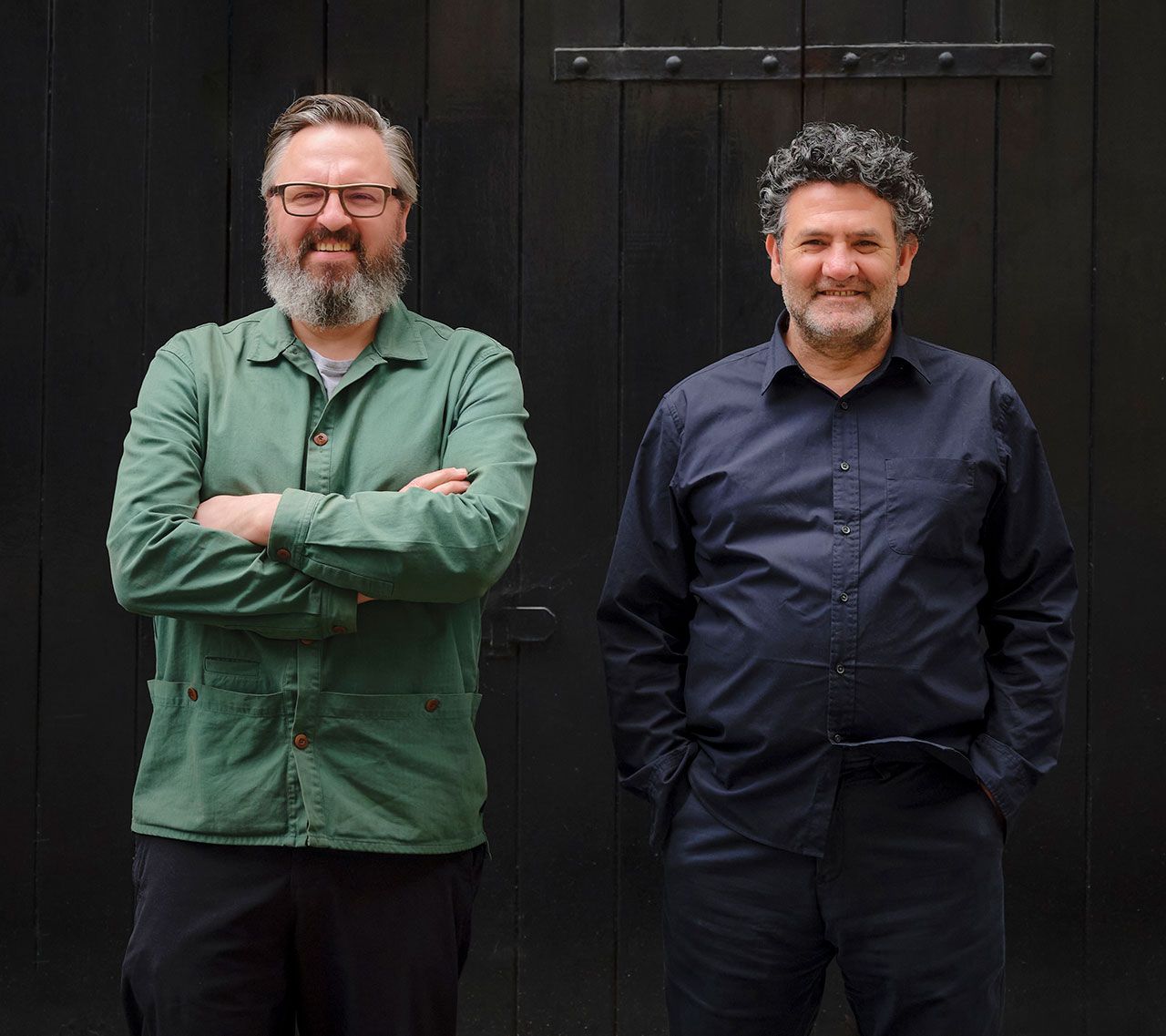
The aforementioned “us” refers to master sommelier Isa Bal – also formerly of The Fat Duck – who is Lake’s partner in Trivet and the pair’s new restaurant and wine bar, Labombe. The latter opened in the fall, growing out of Trivet’s Monday-evening wine-and-bites experience, in an attempt to lure footfall on “the most unfairly moaned-about day of the week.” The owners of the COMO Metropolitan Hotel near Hyde Park loved Trivet Mondays and hired Lake and Bal to take over the hotel’s former Met Bar, a mythical space where naughty Londoners of the Noughties partied until dawn. “Bad things happened here behind those frosted-glass windows,” says Lake. His restaurant’s bright, earthy redesign makes more savoury use of glass.
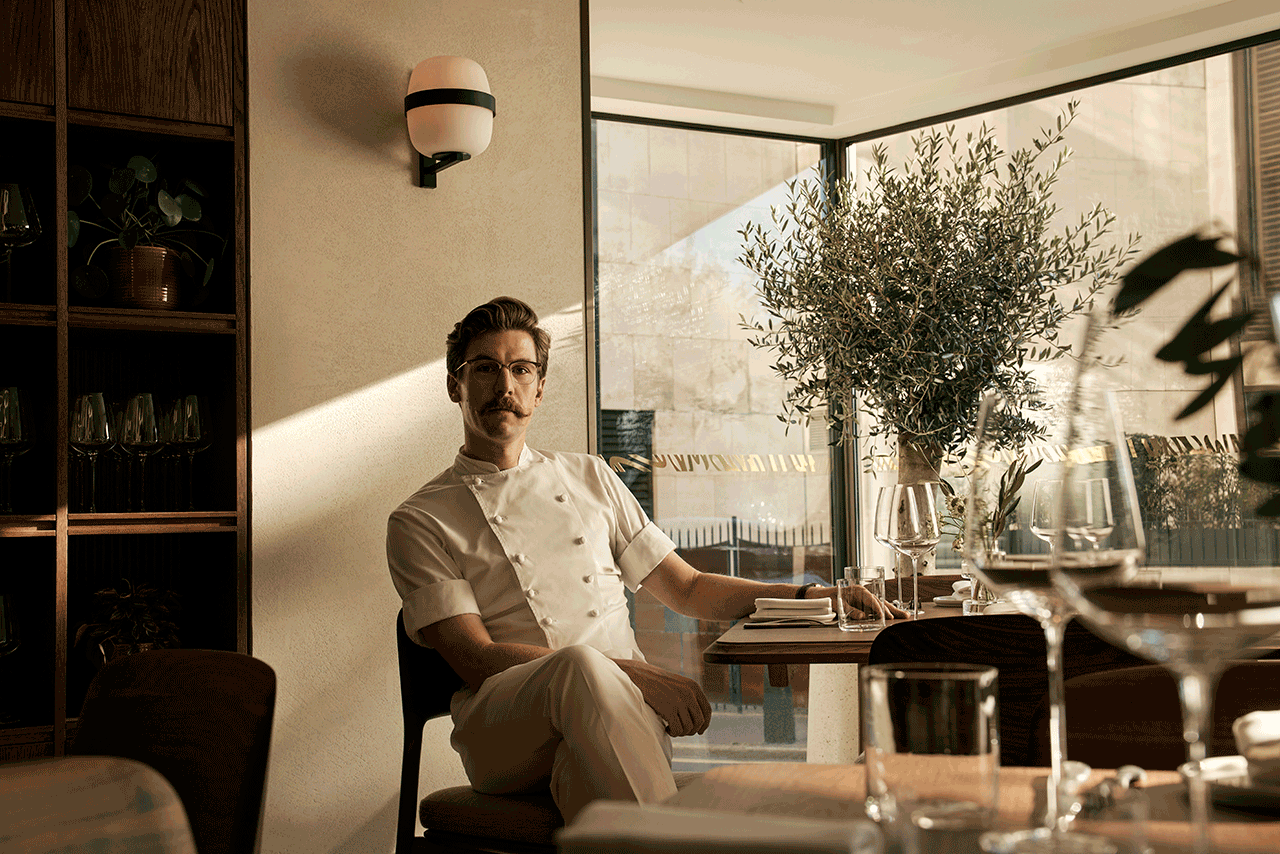
I was longing to talk to a Canadian on the afternoon I met Lake at Labombe last November. The Blue Jays had just lost the World Series and after weeks of stress-drinking while watching the games on Greenwich Mean Time, I felt desperate for camaraderie. It took only five minutes ensconced at a marble-topped table to realize I was in good hands. Soft-spoken, with the wooly beard and burly mien of a woodsman, Lake, 54, sat me down to talk out the sleepless weekend he and his 14-year-old son spent eating salted popcorn and watching the final games – Lake has fraternal twins and a 17-year-old daughter with his wife Shannon. “Heartbreak ensued,” he says.
From the open kitchen, Labombe’s new head chef, Evan Moore – another Ontarian, from Oakville – asserted his allegiance to hockey, so Jonny, I felt, was glad I was there too. It didn’t feel like chatting with a starred chef. It felt like nourishment. And then Lake’s Canadian-continental comfort food started to arrive.
Labombe takes its name from the fictional restaurant Lake invented for a French class project as a boy. Decades later, that assignment is framed on a wall at Trivet, and Lake has spent nearly half his life in a rarefied world of culinary perfection. No doubt Michelin inspectors will be sniffing around Labombe by the time you read this [Eds Note: Labombe did in fact receive its first star in February]. So, how did he get here?
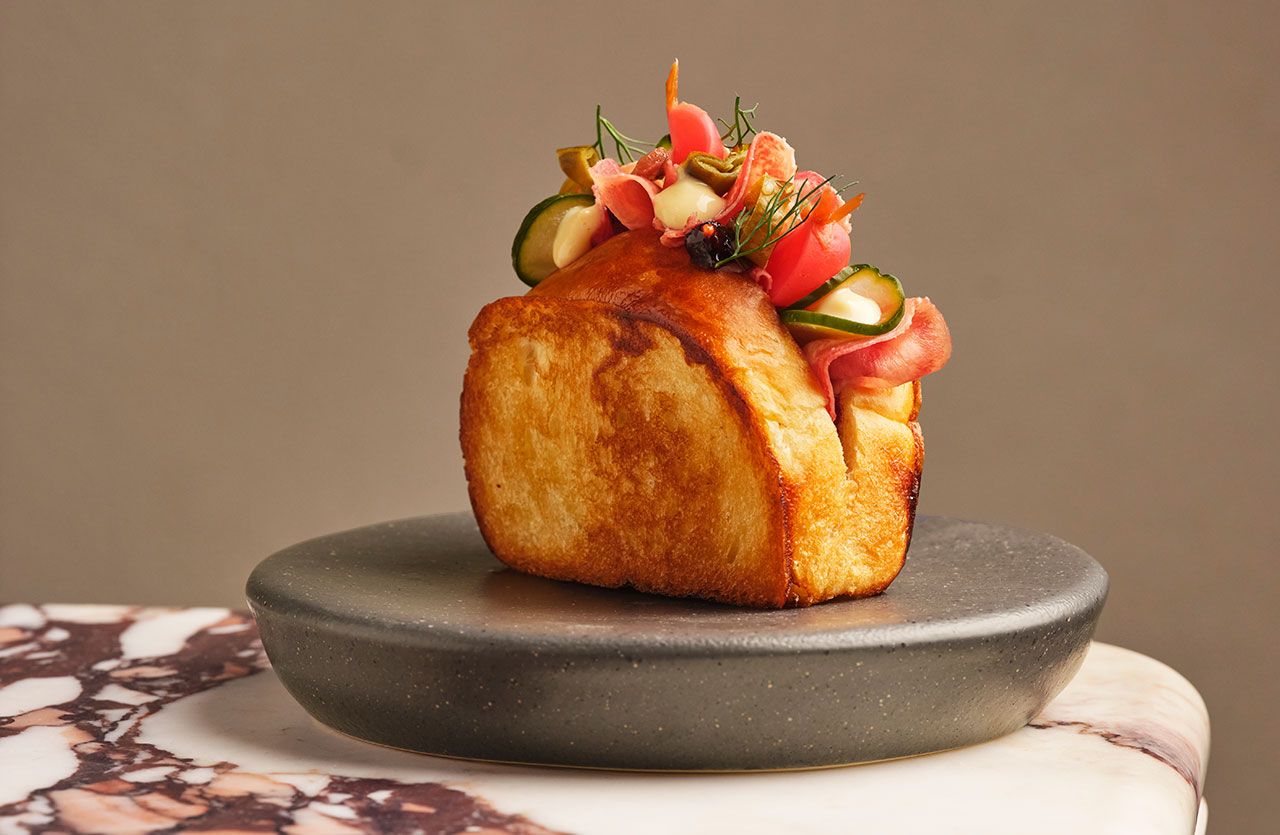
As I demolished a toasted brioche bun stuffed with crepey sliced cow’s tongue and anchovy mayo, he told me about the spark: cooking for Santropol Roulant, Quebec’s Meals on Wheels, while finishing his degree in sciences at Concordia University. Had he found work at a proper restaurant with, say, an actual stove, it might have scratched the cooking itch. But even Café Santropol, where he moved next, “didn’t even have a licence to operate a kitchen. Technically, we could boil water to make soup, but there was no extraction.” Still, he made a good soup, and thought, “I gotta do more than this.”
It took a few tries to gain admission to the Institut de tourisme et d’hôtellerie du Québec, brushing up his French to survive the intensive coursework. But Lake says his relatively advanced age (late 20s) served him well: “In hospitality, people who come to it later really know what they want to do. I knew why I was there, and I was in classes with 18-year-olds, so without sounding overconfident, I was actually good at it.” He doesn’t tell me he came out top of his class. (He did.)
The school brought him in contact with instructor Pasquale Vari, from the TV programme Les Chefs!, who liked his style and recommended him for a three-month stage on the Ligurian coast: a legendary family restaurant called A Spurcacciun-a. At 30, it was his first job in a fine-dining restaurant – and a Michelin-starred one at that. But first Lake had to get there, which involved several catering jobs to finance his flight, then a comical attempt to find the correct train from Milan’s airport to Savona.
Taking orders in Italian, Lake was at sea. But he stayed on in Italy for two years, “working with probably the most famous Italian chefs through weird meetings and no real plan,” bringing over Shannon, grilling violet shrimp from the Ligurian Sea and cultivating a style that tastes and looks, in British parlance, moreish. My lunch at Labombe more closely resembled family osteria fare than Michelin trompe l’oeil. That lack of pretension was Lake’s takeaway from Italy.
The opportunity in Savona might have been the most crucial in Lake’s career. It led to a job with gastro-hero Gualtiero Marchesi at the Michelin-starred L’Albereta in Erbusco, then on to Les Princes in Cannes, France. These experiences, after a particularly bad work day, gave him the pluck to email Heston Blumenthal, chef of The Fat Duck, in Bray (five miles west of Windsor). “Everything I was reading at that time was about London exploding, and about this little restaurant in this village outside of London. At the time, it had just received its third star. They didn’t really have people like me working there, but I was one of the first people who ever thought to get in touch.” The Marchesi name, it turned out, went a long way. As did Lake’s mention of his science degree. Lake came in as chef de partie at age 32.
Under Blumenthal, he learned precision cooking like the physicist he’d studied to be, rising to the position of head chef within five years. By all accounts, a high-profile Michelin kitchen is not a place for nice guys, yet Lake’s nice-guy reputation follows him around. “Maybe because I came to it a little older, I’d learned that most people don’t respond to not nice guys,” he says. He says working in Europe with people from around the world, all in English, taught him empathy and patience. Bal’s wine lists, it’s also worth mentioning, smack of a career working with immigrants, with Central Asia, Greece and his native Turkey represented.
So what pushed Lake to leave The Fat Duck wasn’t a schism. “To stay motivated that long, you’ve got to treat it like your own, and one day it hits you – the things you’re fighting for, they’re not yours to change. It’s like the Blue Jays. In sports, special moments that happen come from the chemistry of people working together, and you can’t be that good forever.”
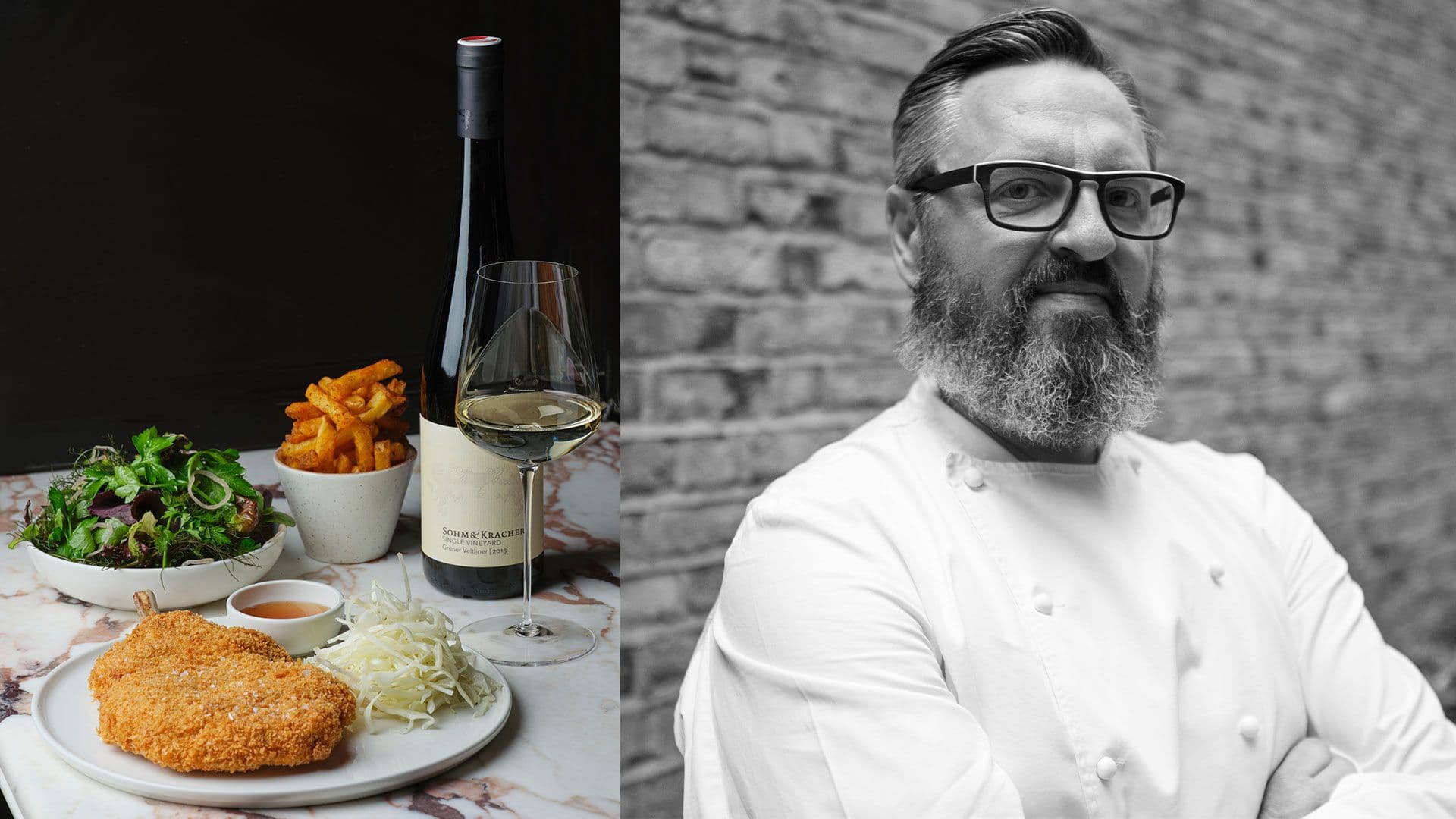
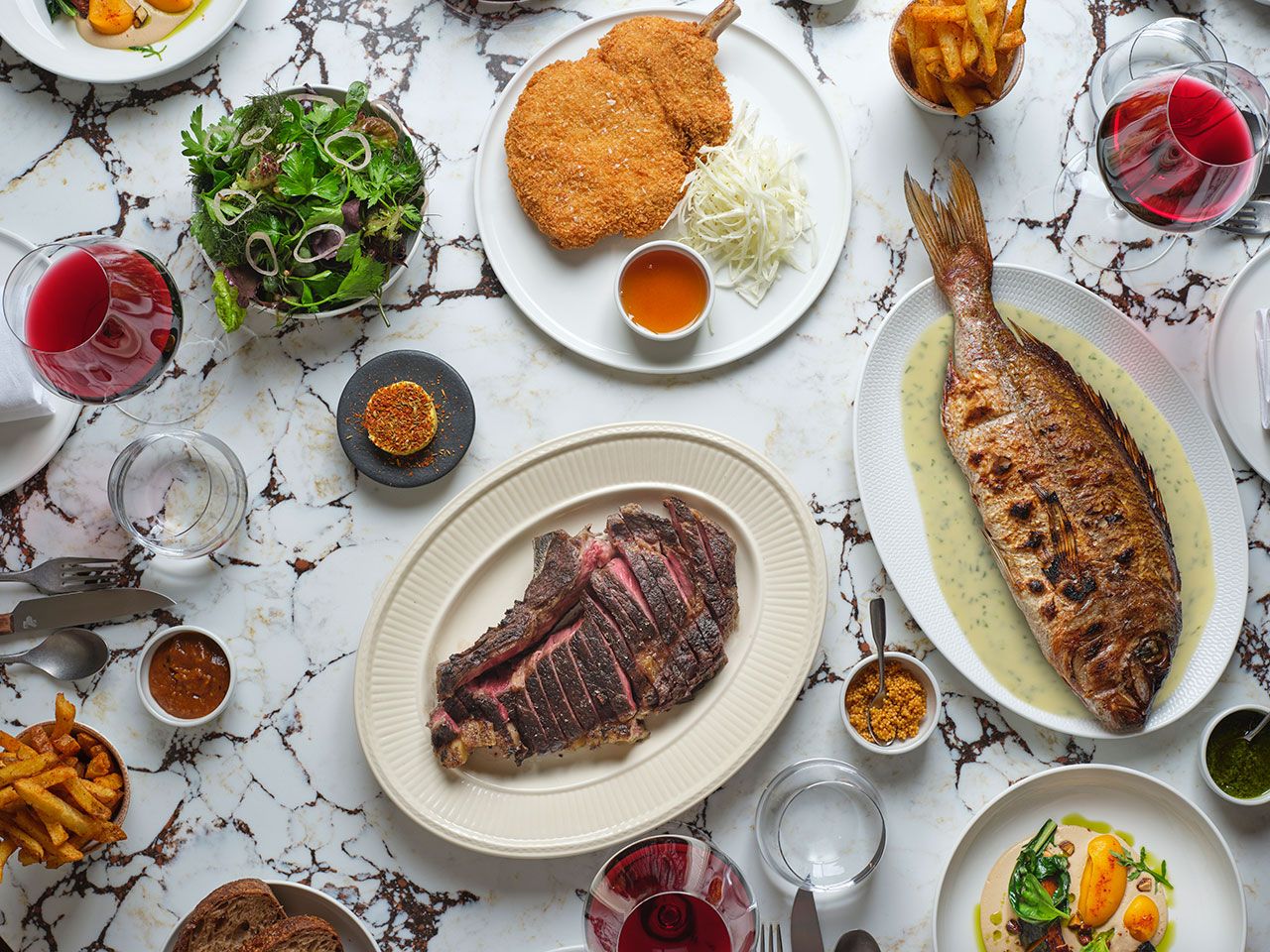
Lake has never lived in London – he commutes from home, five minutes from the 16th-century pub that houses The Fat Duck. But he’s spent the past six years stripping away the bombast of molecular cooking to focus on a few deeply pleasing dishes, like the thick, fatty schnitzel cooked in clarified butter and served with a sweet-and-sour sauce. A through line to his experience in Italy, it appears on both of his restaurants’ menus – along with one of his most Canadian dishes: spicy fries. “Evan and I spent a lot of time in food courts,” he says about his youth in the suburbs. “The spice mix at New York Fries is what we remember most – we call ours ‘Turkajun.’ And I think we’ve nailed it.” If you’re in Quebec this February during the Montréal en Lumière gastronomic festival, you might do a taste test when Lake returns – for the first time in decades – to cook at Hoogan et Beaufort.
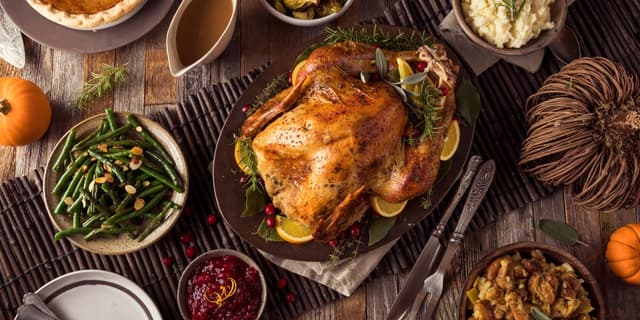
He keeps a lot of plates spinning, guest-appearing on morning TV and cooking at the High Commission of Canada in London – plus, during the run-up to Canadian Thanksgiving, he chases down his duck farmer for an off-season turkey, the star of Trivet’s annual holiday dinner – all the while lighting the spark for two of London’s buzziest restaurants. Trivet may be his baby, but Lake is often found at Labombe, making sure it’s got that Trivet je ne sais quoi. Except he knows the quoi. “It’s just good food, good wine, good time.”