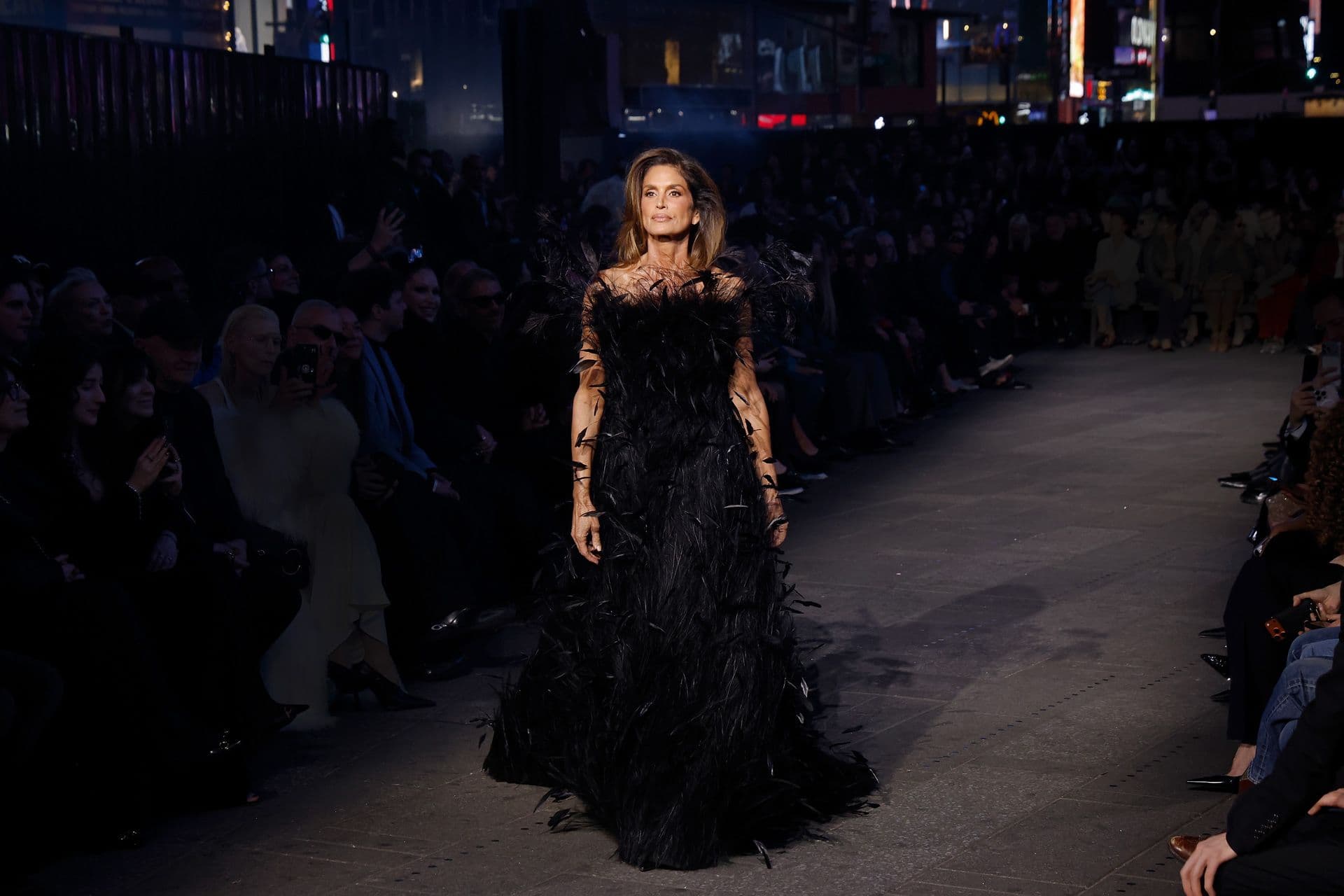
There is a positive inflation creep happening, and it’s in fashion. From the catwalks to advertising campaigns, models are getting older, much older. One of the original supermodels Lauren Hutton, 82, has just fronted the ultra-exclusive sunglass designer Jacques Marie Mage’s Spring 2026 campaign, created in collaboration with Haider Ackermann, the new Tom Ford designer known for dressing Tilda Swinton and Timothée Chalamet. Known in her early modelling days for her gap-tooth imperfection, the moody shoot shows Hutton in edgy leather and glamorous furs with long red nails and a saturated red lip, one hand mysteriously wrapped in a flesh-toned bandage. There is nothing pulled about her look, her skin is wrinkled and age appropriate, showing the incredible life she has lived. The images are strong and striking and, crucially, don’t hide her age. Hutton feels celebrated and bold, and the bandage seems almost defiant: Yes, I have frailty – but look at me.
View this post on Instagram
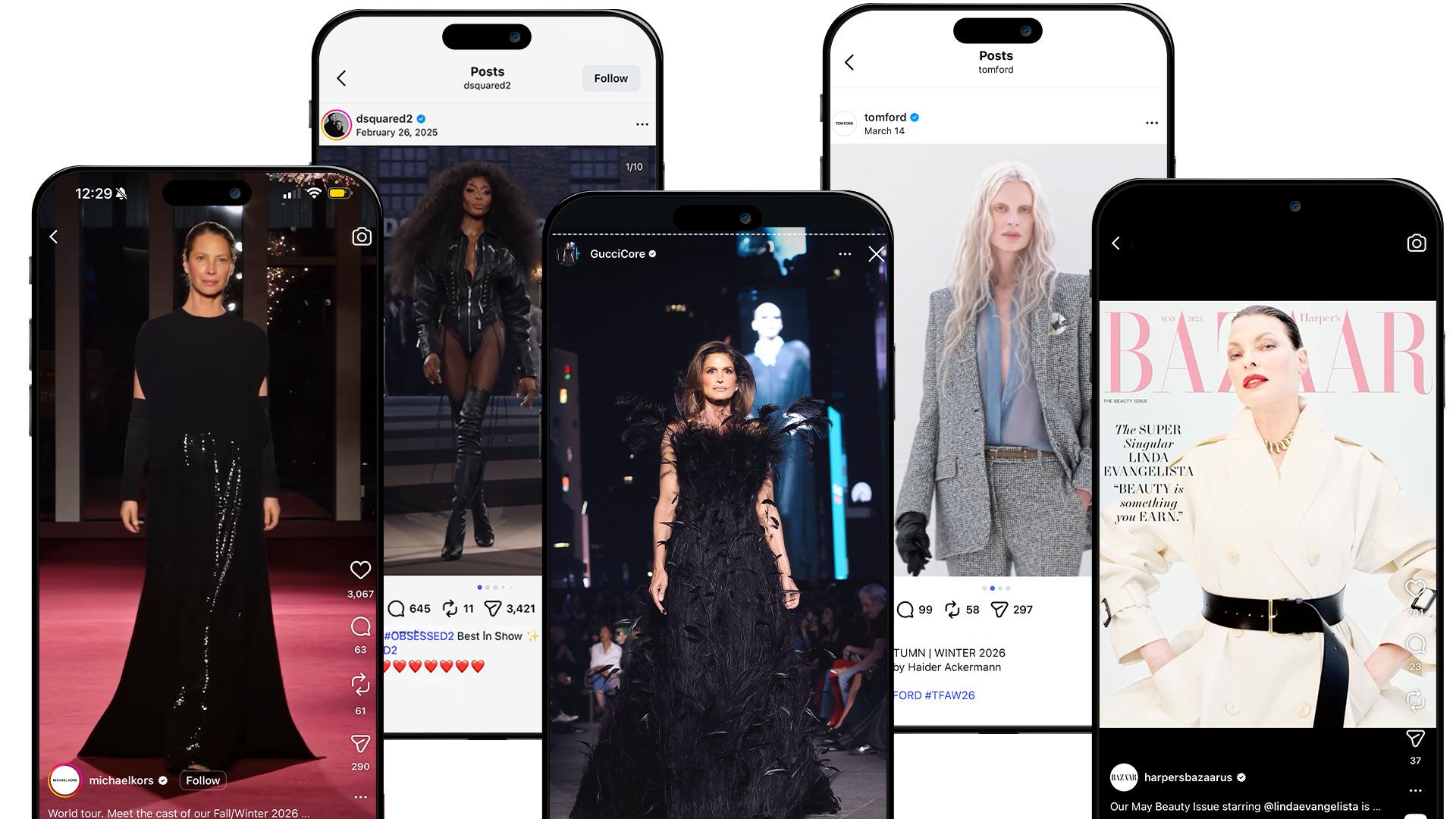
Hutton is not alone. The original supermodels are all back in the spotlight. Cindy Crawford, 60, returned to the runway this month for the Gucci Cruise 2027 show. Christy Turlington, 57, closed Michael Kors’s anniversary runway presentation, while, last year, Naomi Campbell, at 55, walked in DSquared2’s Fall/Winter 2025 show in a lace-up leather bodysuit and thigh-high boots. Linda Evangelista, at 60, appeared on the cover of Harper’s Bazaar’s May 2025 issue, while the famously anti-supermodel Kristen McMenamy, 61, starred in both Tom Ford’s and Miu Miu’s Autumn/Winter 2026 shows.
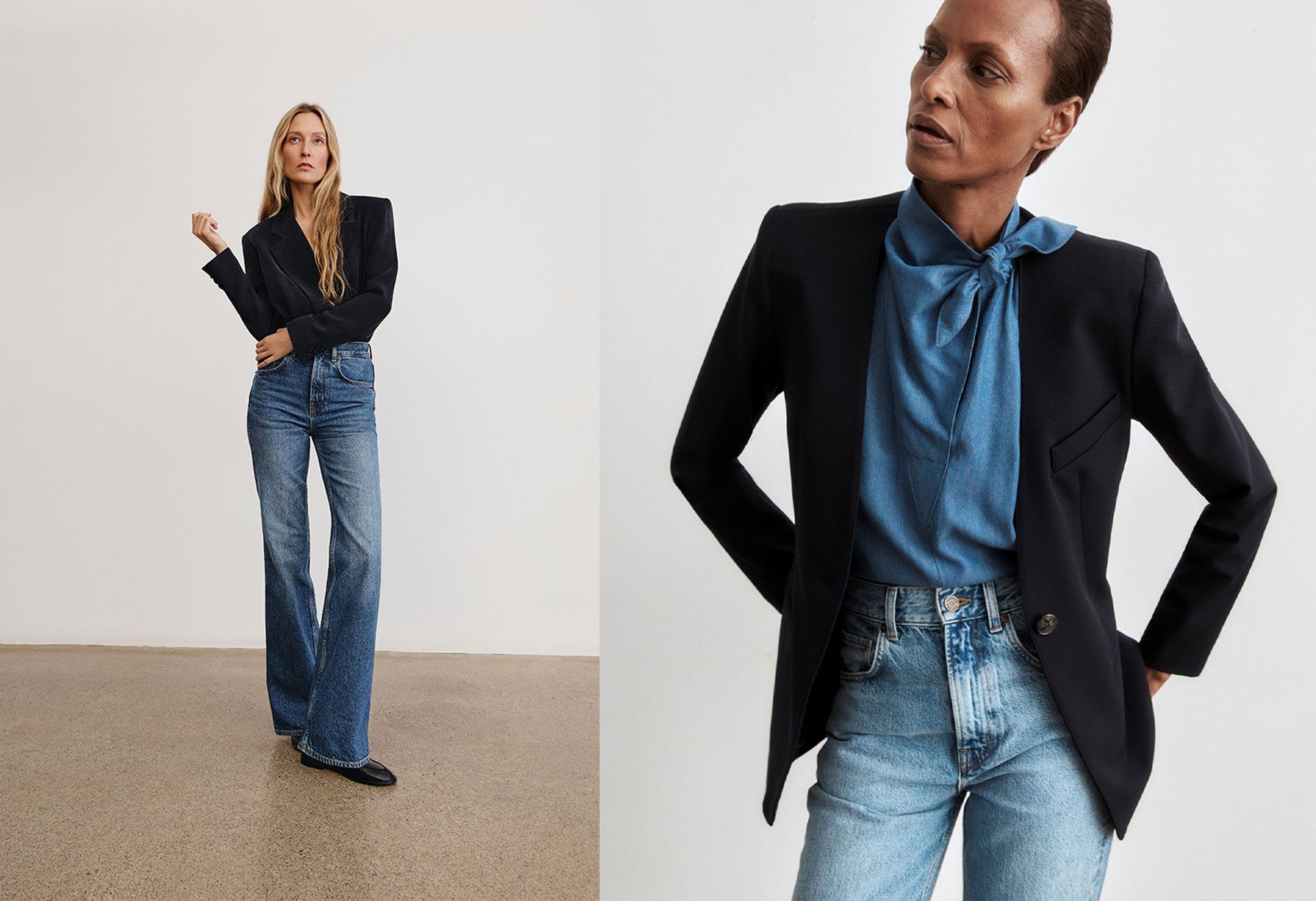
As Chanel’s Creative Director Mathieu Blazy told The New York Times, after his couture show in January, which featured many women over 50, older models “bring a completely different dimension to the clothes … they have life; they’ve seen the world.” The co-founders and designers of highly-successful Canadian brand Smythe, Andrea Lenczner and Christie Smythe, are known for using age-diverse models. “As designers, we are drawn to women with a point of view. There is something incredibly modern and aspirational about seeing beauty represented with the depth and confidence that comes with age. For us, working with women like Liisa Winkler and Yasmin Warsame, iconic Canadian models, alongside Georgina Grenville and Hartje Andersen, feels both deeply inspiring and completely natural for our brand. These are women whose beauty, presence, and perspective have only become more compelling with time. How amazing, and frankly, overdue, that the visual definition of beauty has evolved.”
What is happening? Why is there a “greynaissance” right now? There are a plethora of reasons, of course, and the key driver isn’t nostalgia, but economics. Luxury brands are suffering, their sales are trending down, with revenues contracting due to weakened Chinese spending, price fatigue – during the pandemic, many luxury prices increased dramatically and consumers began questioning the value equation – and the shifting tastes of the younger generations, who are looking for authenticity over labels. Critically, women in their 40s, 50s, 60s and 70s are the ones with true spending power and, up until now, their image has largely been erased by fashion. With many brands struggling to maintain relevance, employing models who mirror the ages of these companies’ wealthiest target customers makes sense.
View this post on Instagram
Indeed, the qualities that shine through in these women – besides their obvious beauty – are their struggles as well as their triumphs. In this era of digital and plastic perfection, where we can no longer rely on “natural beauty,” it is easier to relate to, and trust, the image of a woman whose life shows on her face.
That vulnerability gives campaigns depth and value. One of Blazy’s models, Noémie Lenoir, 46, told the Daily Telegraph she was heartened not only to be working with older women, but with so many Black models. “Back in the day, you’d never imagine seeing all these Black women,” she says, referring to the Chanel show she walked. “Now, the industry has changed because women of my age, women who are 50, 60, 70, are showing there’s no age barrier to feeling beautiful. There’s no [age] limit to buying clothes. I never thought that I was going to do a show at 46 years old, but why not at 73 years too? Maybe this is only the beginning.”
And commercially, it’s working. Campaigns featuring established supermodels often generate far more editorial coverage and social engagement than those featuring anonymous younger faces. As the Smythe designers say, “We see younger women responding to that evolution as well. They appreciate the authenticity, individuality, and lived experience these women bring to an image and to the clothes.”
View this post on Instagram