So Many Books, So Little Time: Our Must-Read Fiction for February
This may be the shortest month, but it’s packed with literary debuts, gripping thrillers, historical hijinks and provocative probes of contemporary life
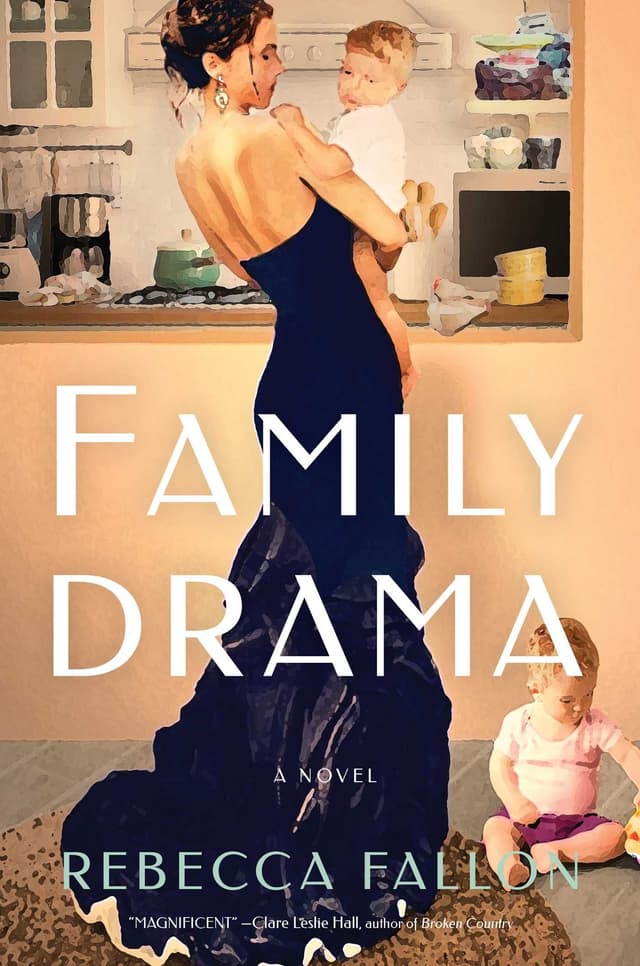
1Family Dramaby Rebecca FallonThis generational story had me at “for fans of Ann Napolitano.” It’s about Susan, a mother juggling life as a popular daytime soap star in Los Angeles, while commuting back and forth to New England to her tenure-track husband and young twins Sebastian and Viola. Entwined timelines flit between the grown twins’ present-day and their ’90s childhood, as each react to learning more about their mother’s life as she was pulled between career and domesticity and explores not only the grief of her premature death but the grief of all-consuming absence, having missing versions of her while she was alive. (Feb. 3)
This generational story had me at “for fans of Ann Napolitano.” It’s about Susan, a mother juggling life as a popular daytime soap star in Los Angeles, while commuting back and forth to New England to her tenure-track husband and young twins Sebastian and Viola. Entwined timelines flit between the grown twins’ present-day and their ’90s childhood, as each react to learning more about their mother’s life as she was pulled between career and domesticity and explores not only the grief of her premature death but the grief of all-consuming absence, having missing versions of her while she was alive. (Feb. 3)
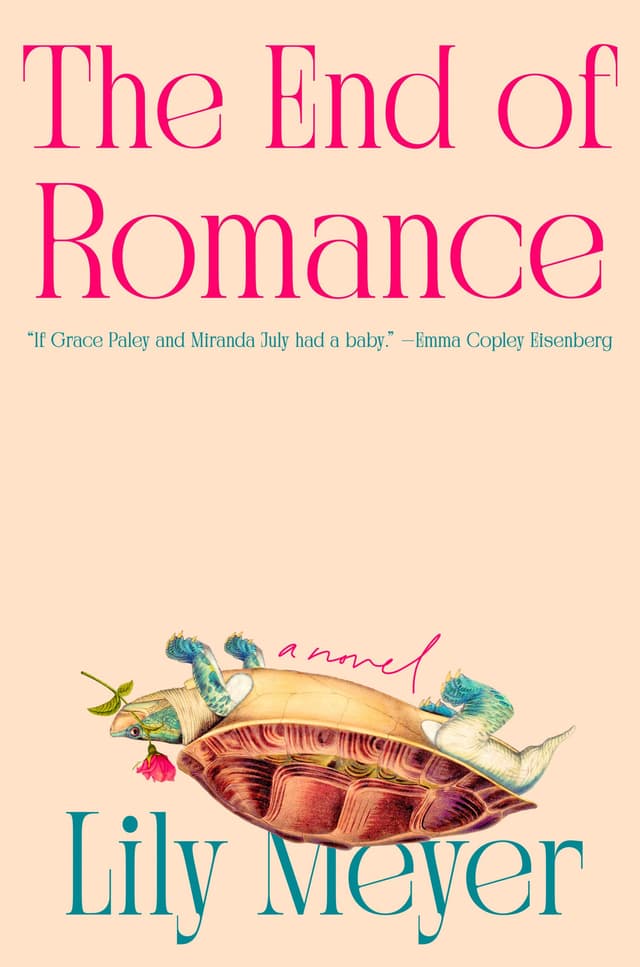
2The End of Romanceby Lily MeyerBilled as the ideal anti-rom-com for the hearts-and-flowers month, this intellectually ambitious novel considers the divide between sex and love in modern relationships. Sylvie, our heroine, is a PhD candidate in philosophy making a new start in academia after an emotionally unhealthy early marriage. And she’s sworn off romantic attachment, both in her scholarly thesis and personal life. Cleverly, the plot probes the concept of happily-ever-after both as a thought experiment and its nuances as a situational dilemma, as she finds herself drawn into the affections of two very different suitors. (Feb. 3)
Billed as the ideal anti-rom-com for the hearts-and-flowers month, this intellectually ambitious novel considers the divide between sex and love in modern relationships. Sylvie, our heroine, is a PhD candidate in philosophy making a new start in academia after an emotionally unhealthy early marriage. And she’s sworn off romantic attachment, both in her scholarly thesis and personal life. Cleverly, the plot probes the concept of happily-ever-after both as a thought experiment and its nuances as a situational dilemma, as she finds herself drawn into the affections of two very different suitors. (Feb. 3)
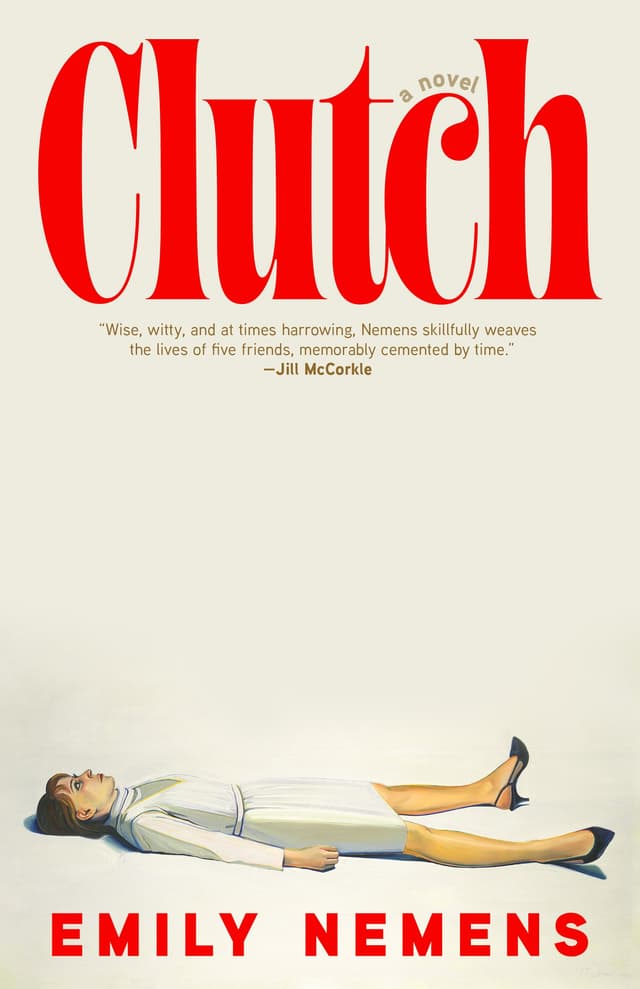
3Clutchby Emily NemensThis big juicy novel of friendship from Nemens (a former editor of The Paris Review) earns comparisons to The Group or The Big Chill, but for the elder millennial and Gen X. Now in their 40s and decades removed from college life – and the interests that once united them – five women gather for a vacation in Palm Springs. The rest of the time they attempt to keep their relationships with one another intact through texts – in spite of diverging views and lives. Publishers Weekly says it, “captures the complexity of maintaining friendships while reckoning with the challenges of middle age.” (Feb. 3)
This big juicy novel of friendship from Nemens (a former editor of The Paris Review) earns comparisons to The Group or The Big Chill, but for the elder millennial and Gen X. Now in their 40s and decades removed from college life – and the interests that once united them – five women gather for a vacation in Palm Springs. The rest of the time they attempt to keep their relationships with one another intact through texts – in spite of diverging views and lives. Publishers Weekly says it, “captures the complexity of maintaining friendships while reckoning with the challenges of middle age.” (Feb. 3)
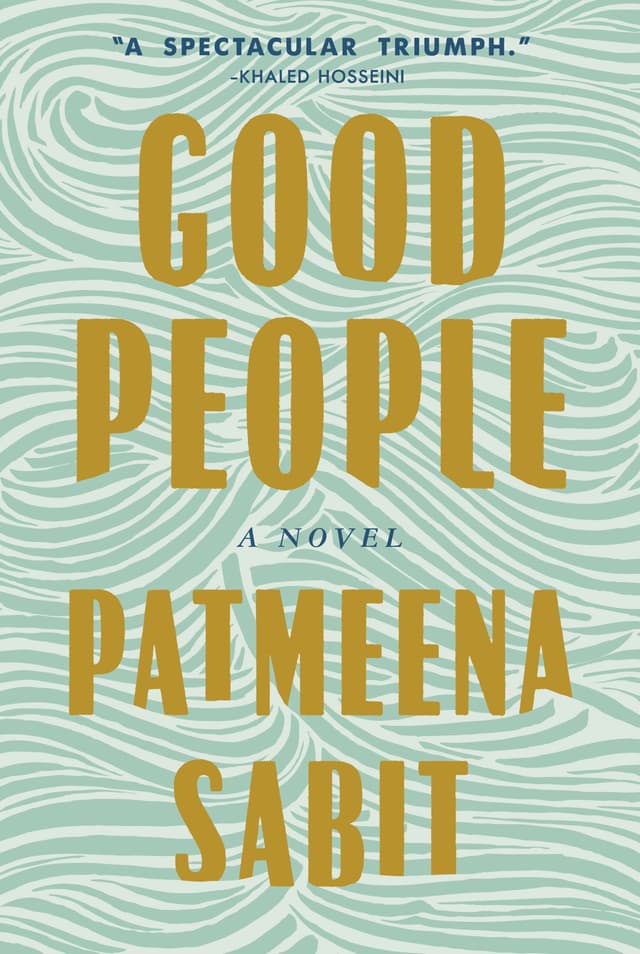
4Good Peopleby Patmeena Sabit“This is the Afghan novel I have been eagerly waiting for,” The Kite Runner author Khaled Hosseini has said about this debut from Toronto-based Sabit, who was born in Kabul, was a refugee in Pakistan, and grew up in Virginia. The page-turner immerses readers in the immigrant experience in America, specifically of a grieving “model immigrant” Afghan family in the wake of a seemingly suspicious death. Layered with opinion pieces, newspaper articles and interviews, it’s told through the many (and at times brief) accounts and opinions of family, friends, press, neighbours and acquaintances – and this unusual mosaic structure of perspectives gives it powerful resonance. (Feb. 3)
“This is the Afghan novel I have been eagerly waiting for,” The Kite Runner author Khaled Hosseini has said about this debut from Toronto-based Sabit, who was born in Kabul, was a refugee in Pakistan, and grew up in Virginia. The page-turner immerses readers in the immigrant experience in America, specifically of a grieving “model immigrant” Afghan family in the wake of a seemingly suspicious death. Layered with opinion pieces, newspaper articles and interviews, it’s told through the many (and at times brief) accounts and opinions of family, friends, press, neighbours and acquaintances – and this unusual mosaic structure of perspectives gives it powerful resonance. (Feb. 3)
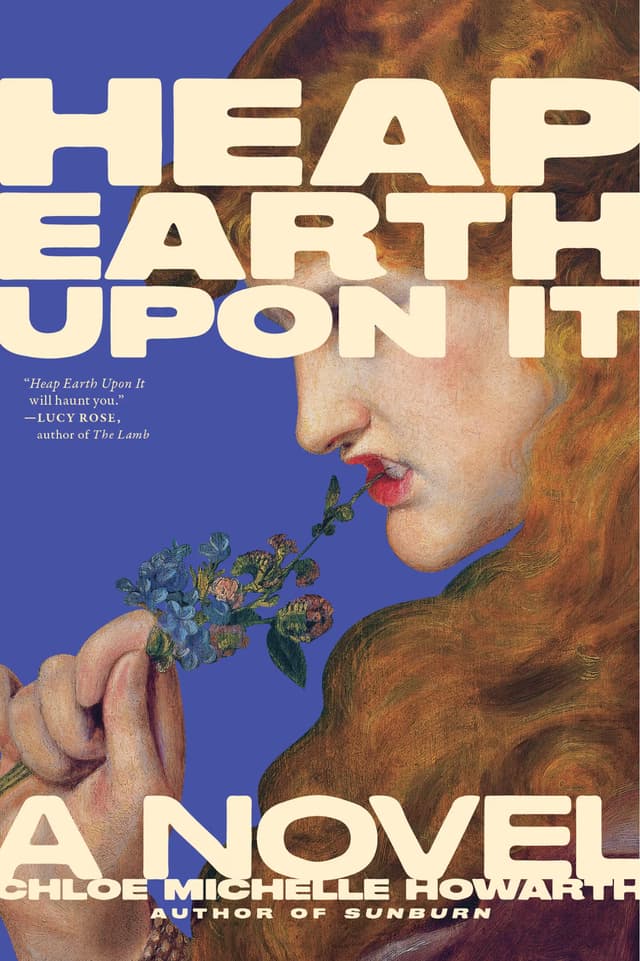
5Heap Earth Upon Itby Chloe Michelle HowarthThe award-winning writer of the queer coming-of-age hit Sunburn explores facets of family life in 1965 Ireland, as the four O’Leary siblings leave their complicated past behind for a fresh start in Ballycrea – a small rural town that intensifies the existing claustrophobia of the siblings’ relationships and rivalries. With a mix of points of view, the suspenseful novel offers a choice of potentially unreliable narrators and its setting – the 1960s is the start of Ireland’s Troubles – makes a perfect gothic landscape for a family to go mad from secrets. (Feb. 3)
The award-winning writer of the queer coming-of-age hit Sunburn explores facets of family life in 1965 Ireland, as the four O’Leary siblings leave their complicated past behind for a fresh start in Ballycrea – a small rural town that intensifies the existing claustrophobia of the siblings’ relationships and rivalries. With a mix of points of view, the suspenseful novel offers a choice of potentially unreliable narrators and its setting – the 1960s is the start of Ireland’s Troubles – makes a perfect gothic landscape for a family to go mad from secrets. (Feb. 3)
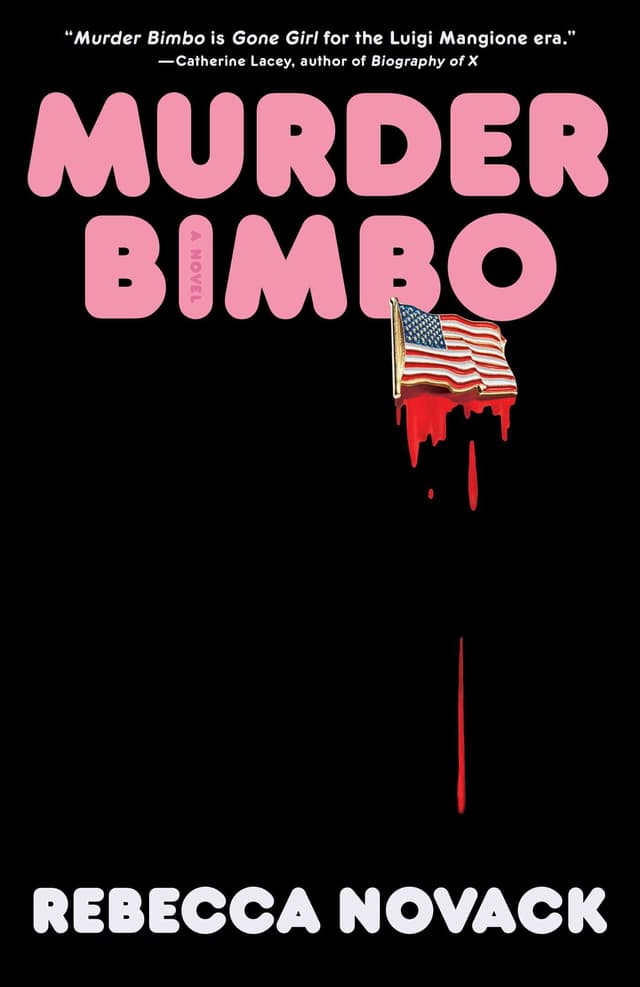
6Murder Bimboby Rebecca NovackIf you can’t laugh about a sex worker recruited as a political assassin in these trying times, what else is there to live for? The entertaining novel presents her story retold in three ways, each for a different audience: first is the act of targeting a rising politician; next, giving an embellished account for a true crime podcast; and finally, recounting what really happened. Acclaimed literary stylist Catherine Lacey has endorsed this cunning satire as, “Gone Girl for the Luigi Mangione era” and that’s frankly enough to send all of us to the bookstore. (Feb. 10)
If you can’t laugh about a sex worker recruited as a political assassin in these trying times, what else is there to live for? The entertaining novel presents her story retold in three ways, each for a different audience: first is the act of targeting a rising politician; next, giving an embellished account for a true crime podcast; and finally, recounting what really happened. Acclaimed literary stylist Catherine Lacey has endorsed this cunning satire as, “Gone Girl for the Luigi Mangione era” and that’s frankly enough to send all of us to the bookstore. (Feb. 10)
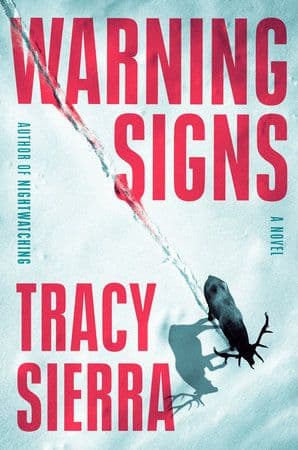
7Warning Signsby Tracy SierraIn her sophomore novel, Sierra delivers a literal chiller. In this wilderness thriller, a group ski trip in the Colorado backcountry goes into survival mode after one of their party disappears, and they weather one danger after another. All the while, 12-year-old Zach is hoping the trip will heal the relationship with his irascible financier father Bram. The story is perfect for the big screen, just like Sierra’s first novel, Nightwatching, which has been optioned by master of intensity Ridley Scott’s production company. (Feb. 10)
In her sophomore novel, Sierra delivers a literal chiller. In this wilderness thriller, a group ski trip in the Colorado backcountry goes into survival mode after one of their party disappears, and they weather one danger after another. All the while, 12-year-old Zach is hoping the trip will heal the relationship with his irascible financier father Bram. The story is perfect for the big screen, just like Sierra’s first novel, Nightwatching, which has been optioned by master of intensity Ridley Scott’s production company. (Feb. 10)
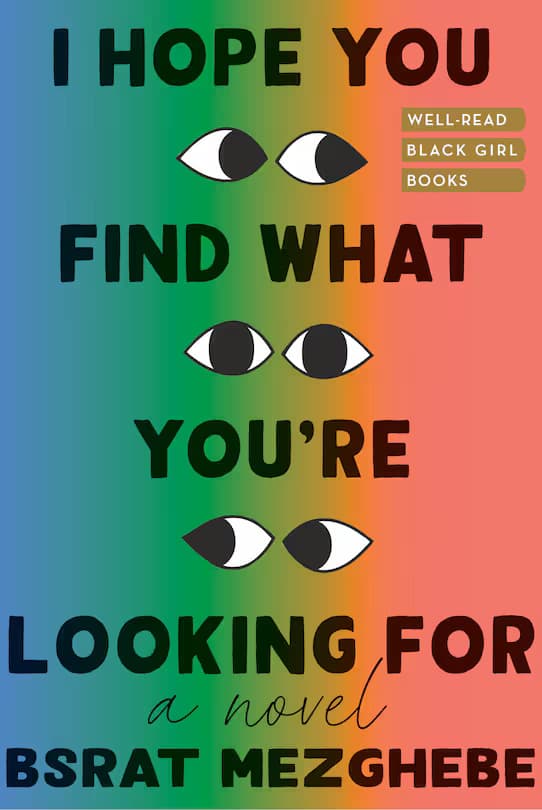
8I Hope You Find What You’re Looking For by Bsrat MezghebeThis author, who’s been named by PW as “one to watch” this winter, brings us an exploration of how war and displacement have affected Eritreans and their diaspora-born children. It’s set in 1991 Washington, as teenage Lydia is first exposed to ideas of identity, female resilience, nationhood and liberation by her older cousin, who’s staying with the family while attending medical school. “From the safety of my American upbringing, I witnessed immigrants in my family and community make incredible sacrifices in search of peace for themselves and their country,” Mezghebe told People about the experience of growing up in D.C. that underpins this novel of self-determination. (Feb. 10)
This author, who’s been named by PW as “one to watch” this winter, brings us an exploration of how war and displacement have affected Eritreans and their diaspora-born children. It’s set in 1991 Washington, as teenage Lydia is first exposed to ideas of identity, female resilience, nationhood and liberation by her older cousin, who’s staying with the family while attending medical school. “From the safety of my American upbringing, I witnessed immigrants in my family and community make incredible sacrifices in search of peace for themselves and their country,” Mezghebe told People about the experience of growing up in D.C. that underpins this novel of self-determination. (Feb. 10)
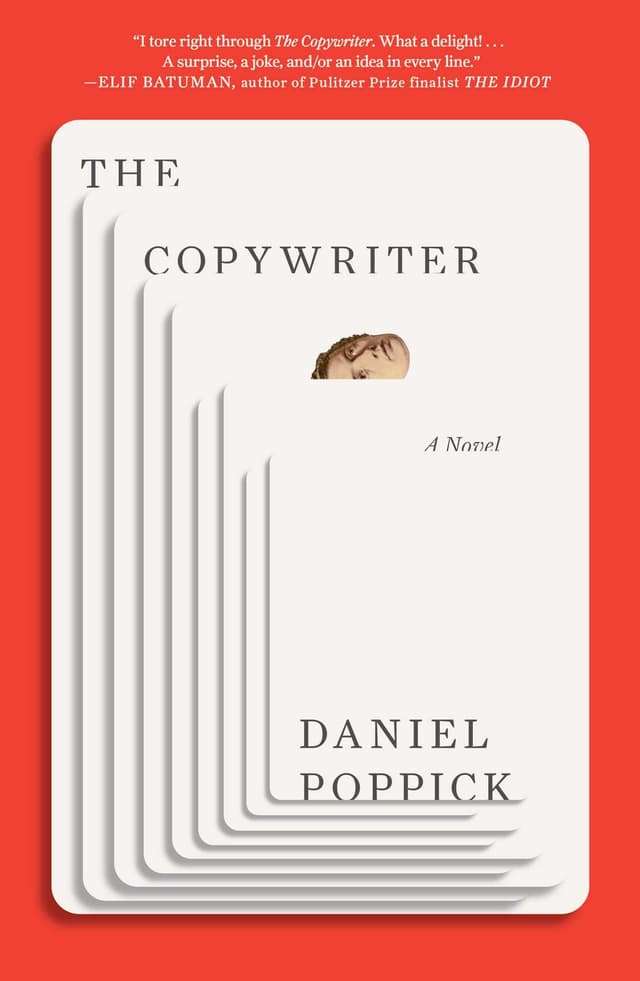
9The Copywriterby Daniel Poppick This shrewd, lyrical, comic (and at times absurdly Kafkaesque) novel takes the shape of notebooks belonging to a narrator named D, whose day job as a copywriter allows for observations on ambition, creativity and office culture. It begins in 2017. Initially, D is balancing idealism with the practicalities of living but soon is nursing a slow-burn existential crisis. She’s also contending with a precarious romantic relationship; the uncertainty of working at a startup; and the rollercoaster of the first Donald Trump presidency. That it ends at the cusp of the Covid-19 pandemic yet feels like a historical novel is a marker of the seismic change in just a few years. (Feb. 3)
This shrewd, lyrical, comic (and at times absurdly Kafkaesque) novel takes the shape of notebooks belonging to a narrator named D, whose day job as a copywriter allows for observations on ambition, creativity and office culture. It begins in 2017. Initially, D is balancing idealism with the practicalities of living but soon is nursing a slow-burn existential crisis. She’s also contending with a precarious romantic relationship; the uncertainty of working at a startup; and the rollercoaster of the first Donald Trump presidency. That it ends at the cusp of the Covid-19 pandemic yet feels like a historical novel is a marker of the seismic change in just a few years. (Feb. 3)
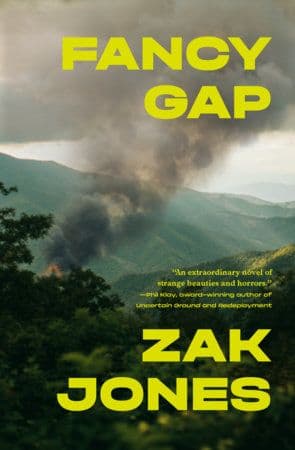
10Fancy Gapby Zak JonesFrom the winner of a 2023 Writers’ Trust Award (a U.S. Army veteran who grew up in rural North Carolina and Toronto), this novel is named for its mountain locale in Appalachia that connects N.C. to Virginia. In the tiny community, three generations of a dysfunctional family deal with the alienation around differing ideas of masculinity, while navigating poverty, illness, opioid addiction and Christian faith. (Feb. 17)
From the winner of a 2023 Writers’ Trust Award (a U.S. Army veteran who grew up in rural North Carolina and Toronto), this novel is named for its mountain locale in Appalachia that connects N.C. to Virginia. In the tiny community, three generations of a dysfunctional family deal with the alienation around differing ideas of masculinity, while navigating poverty, illness, opioid addiction and Christian faith. (Feb. 17)
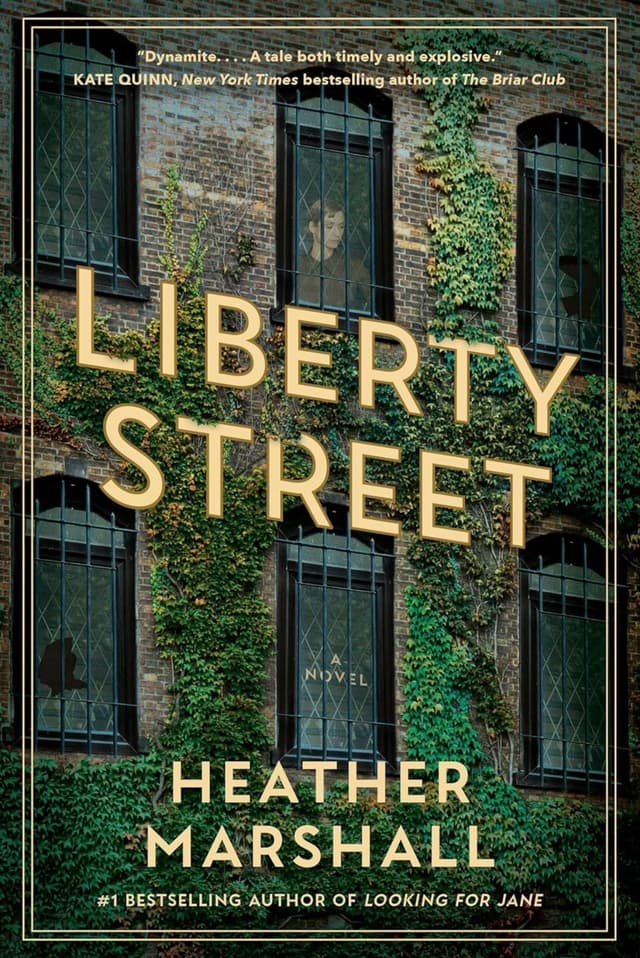
11Liberty Streetby Heather Marshall The author of the bestselling Looking for Jane returns with another historical novel inspired by true events. One of the dual timelines follows Emily, an ambitious writer at early-1960s Chatelaine, working undercover at the Andrew Mercer Reformatory for Women (Canada’s first women-only prison) to investigate a tip about grim conditions and mistreatment. Her story converges with that of a detective investigating human remains decades later. Both timelines examine the human condition through the female lens – especially women, who were said to, “behave in ways that society deemed immoral, improper, and incorrigible.” (Feb. 24)
The author of the bestselling Looking for Jane returns with another historical novel inspired by true events. One of the dual timelines follows Emily, an ambitious writer at early-1960s Chatelaine, working undercover at the Andrew Mercer Reformatory for Women (Canada’s first women-only prison) to investigate a tip about grim conditions and mistreatment. Her story converges with that of a detective investigating human remains decades later. Both timelines examine the human condition through the female lens – especially women, who were said to, “behave in ways that society deemed immoral, improper, and incorrigible.” (Feb. 24)
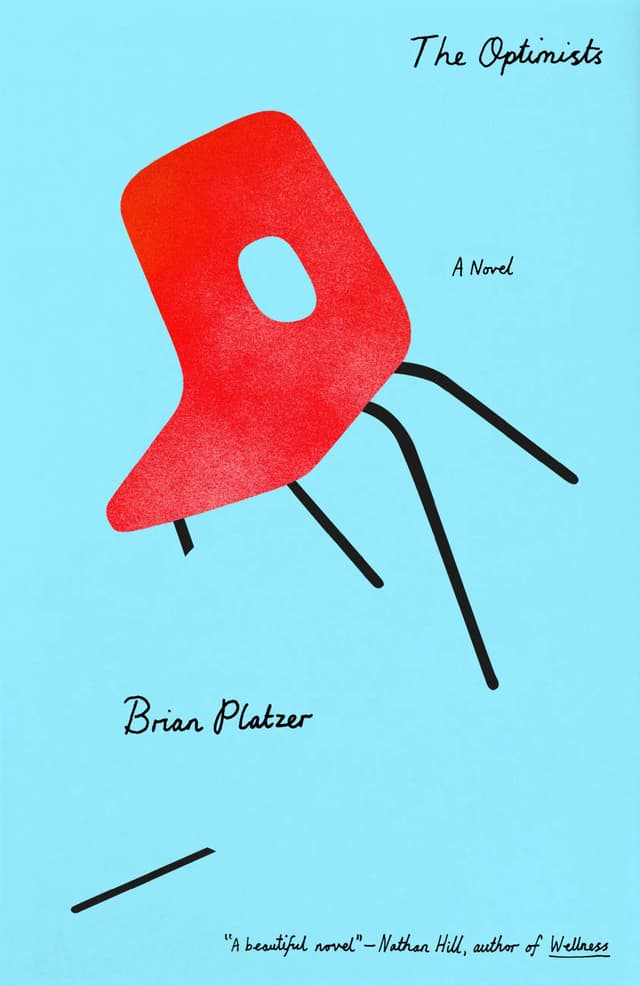
12The Optimistsby Brian PlatzerYou know those social media accounts that share much-needed true everyday stories of hope, kindness and unexpected grace from strangers and librarians that give us a moment of respite and uplift? This is a novel-length version. Retired middle-grade teacher Mr. Keating can no longer speak, following a massive stroke. While you might think the story would involve his adult students paying tribute to his legacy of inspiration and care that left a mark on their lives, in fact, the narrative is his first-person perspective while writing an autobiographical novel (delivered by eye blinks into a computer) as he reminisces about teaching his most unforgettable student and the mark she left on him. Is it just me or did it suddenly get blurry in here?
(Feb. 24)
You know those social media accounts that share much-needed true everyday stories of hope, kindness and unexpected grace from strangers and librarians that give us a moment of respite and uplift? This is a novel-length version. Retired middle-grade teacher Mr. Keating can no longer speak, following a massive stroke. While you might think the story would involve his adult students paying tribute to his legacy of inspiration and care that left a mark on their lives, in fact, the narrative is his first-person perspective while writing an autobiographical novel (delivered by eye blinks into a computer) as he reminisces about teaching his most unforgettable student and the mark she left on him. Is it just me or did it suddenly get blurry in here?
(Feb. 24)
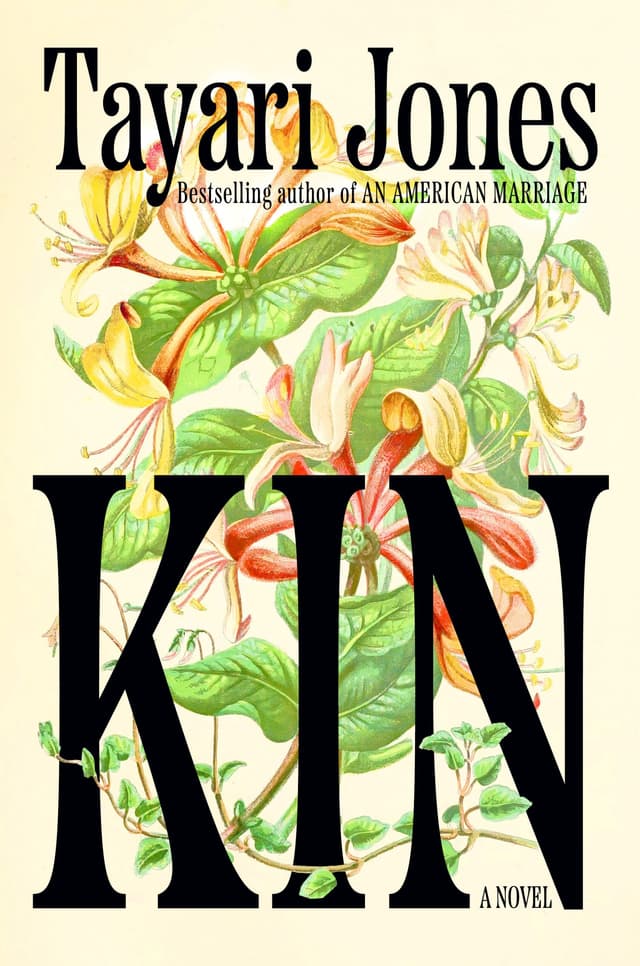
13Kinby Tayari Jones The author of Oprah’s 2018 Book Club pick An American Marriage (and a 2021 Guggenheim fellow) offers a novel of found family – friendship and sisterhood – set in the segregated South. Drawing on history (like the memoir Mighty Justice by Dovey Johnson Roundtree, a civil rights figure and Spelman College graduate), the story follows childhood best friends Annie and Vernice, raised motherless in 1950s Louisiana and embarking on very different journeys of self-discovery, as they come of age in the politically fraught 1960s. (Feb. 24)
The author of Oprah’s 2018 Book Club pick An American Marriage (and a 2021 Guggenheim fellow) offers a novel of found family – friendship and sisterhood – set in the segregated South. Drawing on history (like the memoir Mighty Justice by Dovey Johnson Roundtree, a civil rights figure and Spelman College graduate), the story follows childhood best friends Annie and Vernice, raised motherless in 1950s Louisiana and embarking on very different journeys of self-discovery, as they come of age in the politically fraught 1960s. (Feb. 24)