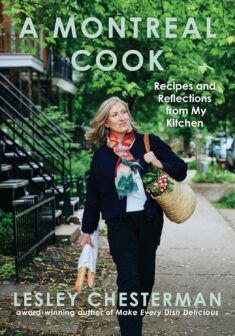
Whether it is a sermon on “chiffon cake” or a précis on the “perfect roast chicken,” Lesley Chesterman is a font of information when it comes to all things culinary – as is her dishy, weekly Substack newsletter, Lick My Plate. And while the one-time restaurant critic for the Montreal Gazette (a job she commanded for two decades) has written many cookbooks – including the upcoming A Montreal Cook (Simon & Schuster Canada) – her personal reading habits run the gamut from the philosophical to the historical.
Taking a break between tastings, she shared with us some of her eclectic literary leanings.
What’s the best book you’ve read this year?
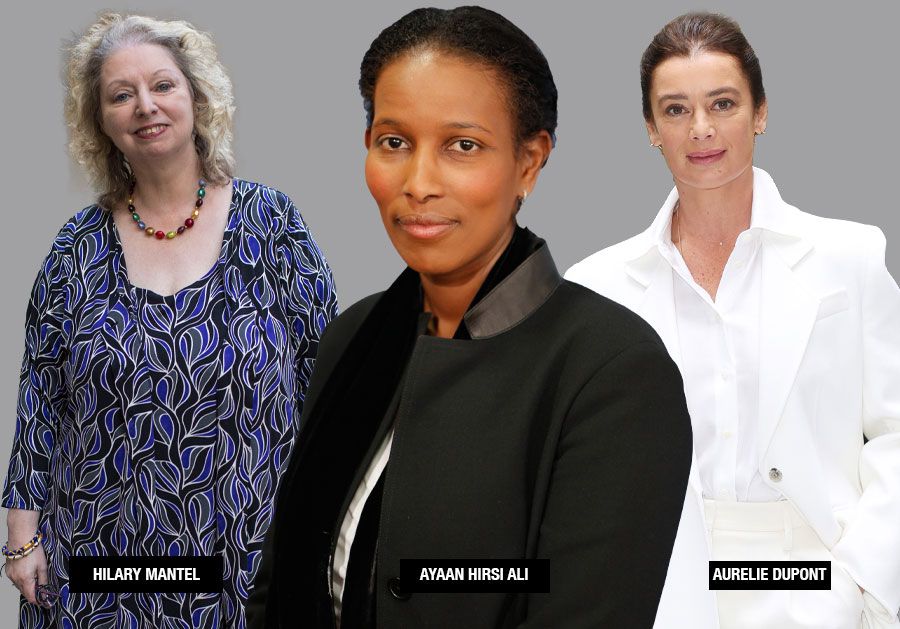
I absolutely loved Aurélie Dupont’s biography, N’oublie pas pourquoi tu danses. This former Paris Opera prima ballerina’s rise to the top reminded me of chef Eric Ripert’s journey, as they both endured psychological abuse from their teachers and mentors. There are so many parallels between the worlds of professional cooking and dance, or even classical music. Yet it’s always eye-opening to learn how these incredibly talented individuals still endured so much unnecessary abuse, which ultimately makes their success even more remarkable. Not only is it lonely at the top, but the climb to get there isn’t all wine and roses either.
What book can’t you wait to dive into?
Hilary Mantel’s Wolf Hall. After enjoying the guilty pleasure of the Tudors series some 20 years ago, I’ve finally gotten around to watching the far superior BBC Wolf Hall series, with Mark Rylance’s superb portrayal of Thomas Cromwell. Whenever I discuss certain episodes with my sister, she yells at me to read the book. So I’ve finally decided to commit to this 600+ page tome, which was also a favourite of my mother, who was an avid reader with a love for historical fiction. I’m basically reading it to shut up my sister and in memory of my mom – I just wish she were still around to discuss it with me.
What’s your favorite book of all time?
Here’s an answer I bet you’ve never heard before: Memories and Commentaries by Igor Stravinsky and Robert Craft. It’s the condensed version of their “conversations” series – informal talks between the composer and Craft, a conductor, scholar and close friend of Stravinsky’s. The book follows an interview format, with Craft asking Stravinsky about his education, compositions, theories and the great figures of 20th-century art and literary circles. His recollections of meeting Tchaikovsky, Diaghilev, Aldous Huxley, Balanchine, etc., are rich in detail. And it’s remarkable how Stravinsky persevered despite the tragedy and loss he experienced throughout his life. I’m no musician, yet Stravinsky has shaped my perspective in countless ways through the deep intelligence and insights that I gleaned from this book. It’s always on my nightstand.
What book completely changed your perspective?
Ayaan Hirsi Ali’s Infidel. It’s a story of survival through a life no woman should ever have to endure. Ironically, my sister gave it to me just after I’d finished Eat, Pray, Love. While I was going on about how much I’d enjoyed it and how it had put things into perspective – how much I felt for the author who had been through so much – she handed me Infidel and said, “That’s nothing. Read this.” And I did, and she was absolutely right.
If you could have dinner with any author, living or dead, who would it be?
I spent my teenage years reading P.G. Wodehouse, starting with the Jeeves books and then following the many adventures of Bertie Wooster and his hilarious supporting cast at Blandings Castle. My dad and I used to read his short story The Great Sermon Handicap aloud to each other, giggling at all the clever plot twists. Such imagination and wit! Wodehouse is always pictured smiling, often with a dog by his side. My kind of man.