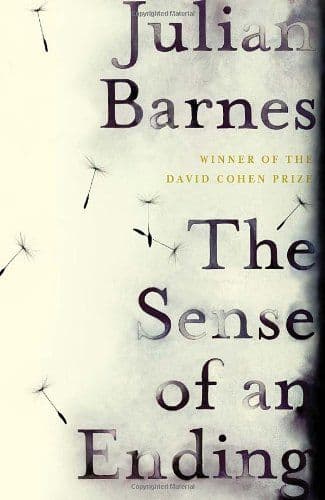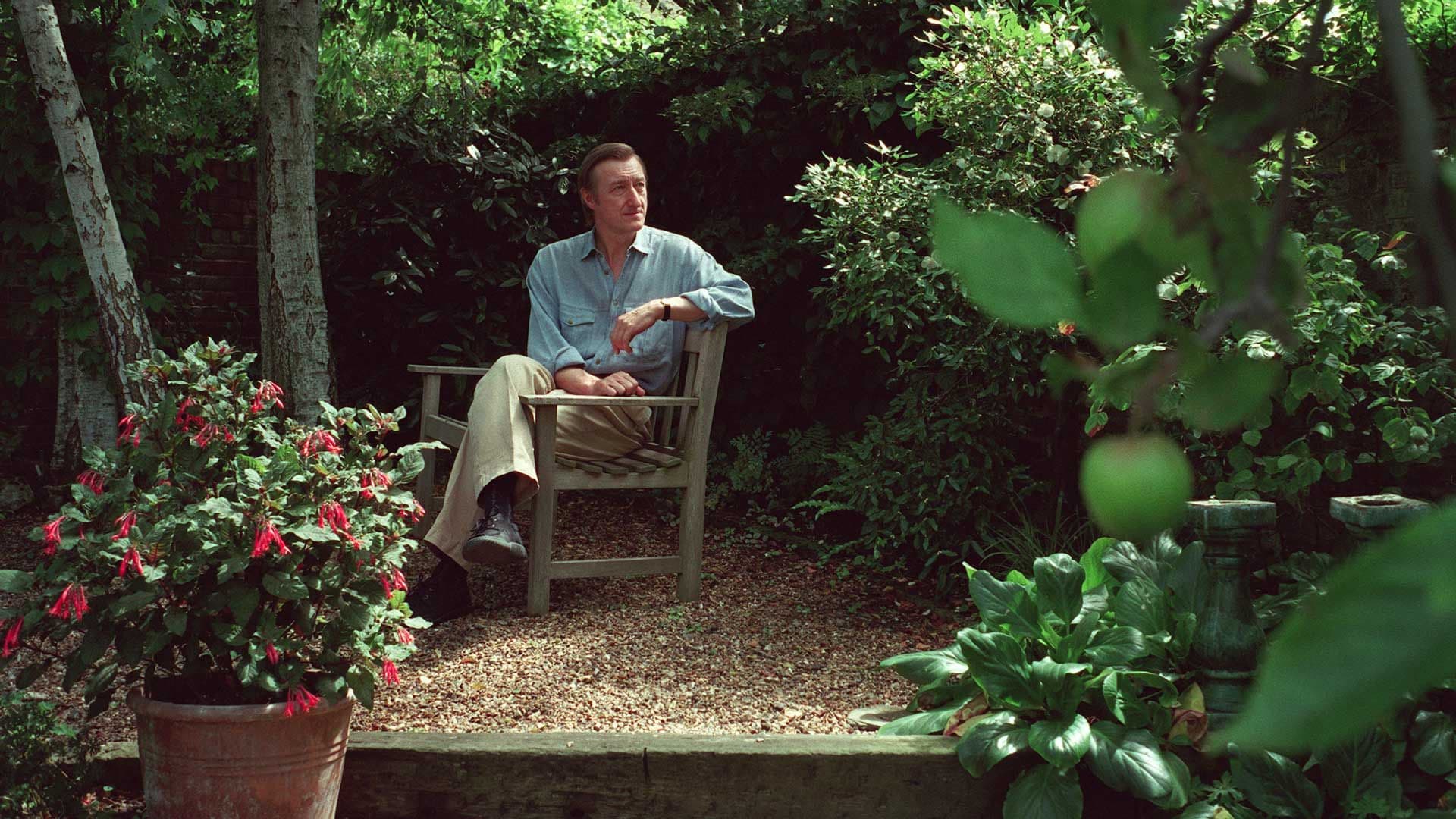
This month, Julian Barnes marks his 80th birthday with the publication of Departure(s), a moving swan song from the writer, who has declared it to be his final novel. Barnes won the 2011 Booker Prize with The Sense of an Ending and was previously nominated three times; in 2020, he was diagnosed with a rare but treatable form of blood cancer. As Barnes said in a recent PW interview, he has spent the last few years reflecting on his 50-year career and what he wants to spend time writing – such as journalism and reviews, which he’ll continue doing.
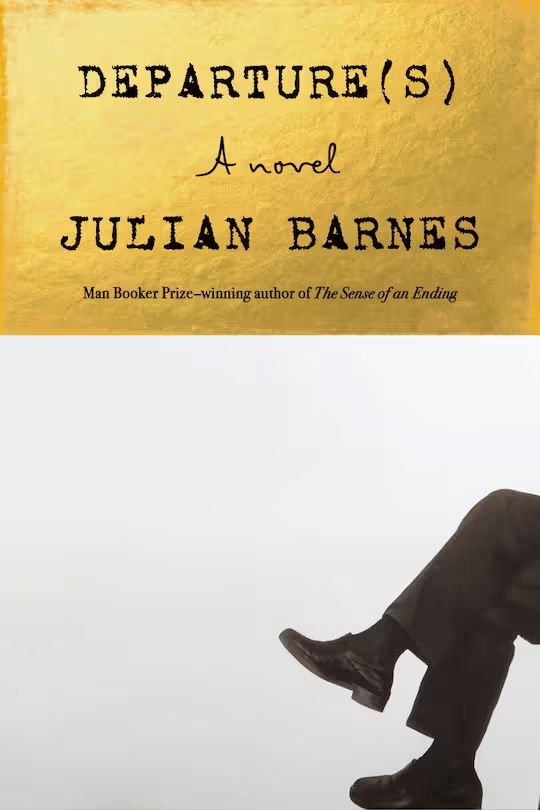
Fittingly for a final novel, Departure(s) feels inspired by Barnes’s ruminations on mortality and the slipperiness of time. It concerns a widowed writer in his 70s, dealing with his failing body and considering life coming to an end. The slim hybrid of fiction and autobiography – trendily referred to as autofiction – propels elegiac themes of love, death, grief and the nature of memory, and second-chance romance. Both the author and the narrator version of Barnes (also called Barnes) chart a lifelong friendship with a college couple who broke up in their 20s and later reunite in their 60s. This, while sprinkling the story with observations from the journals he’s kept for half a century.
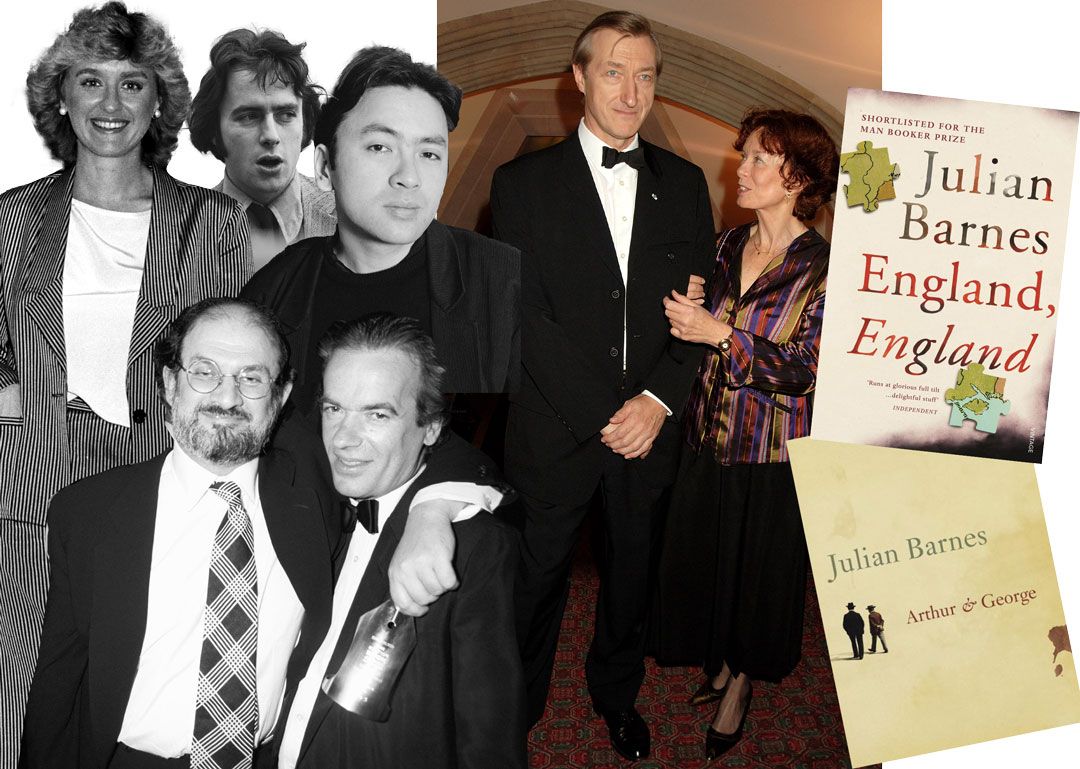
In the 1980s, Barnes was one of the “New Oxford Wits,” a moniker coined by the press as the London literati answer to Hollywood’s Brat Pack. The definitive moment came in 1983, when Granta inaugurated its influential, once-a-decade list that anointed the Best Young British Novelists. They captured the popular imagination and became the zeitgeist: Barnes among them, alongside Martin Amis, William Boyd, Kazuo Ishiguro, Ian McEwan and Salman Rushdie. Throughout the 1970s, several had contributed to New Statesmen, the British political news magazine where Barnes worked as television critic alongside Amis and foreign editor Christopher Hitchens. The reputation of these intellectual cliques (some formed at Oxford years before) was further burnished by canny journalist Tina Brown – giving them bylines first during her tenure at Tatler (where Barnes wrote restaurant reviews under the name Basil Seal), then Vanity Fair and the New Yorker, where Barnes and the North London literary set had frequent bylines. Their antics on and off the page were the stuff of glamorous gossip and breathlessly followed in social columns. “Fiction became fashionable again,” is how Barnes described that heady time. “Sexy, even.”

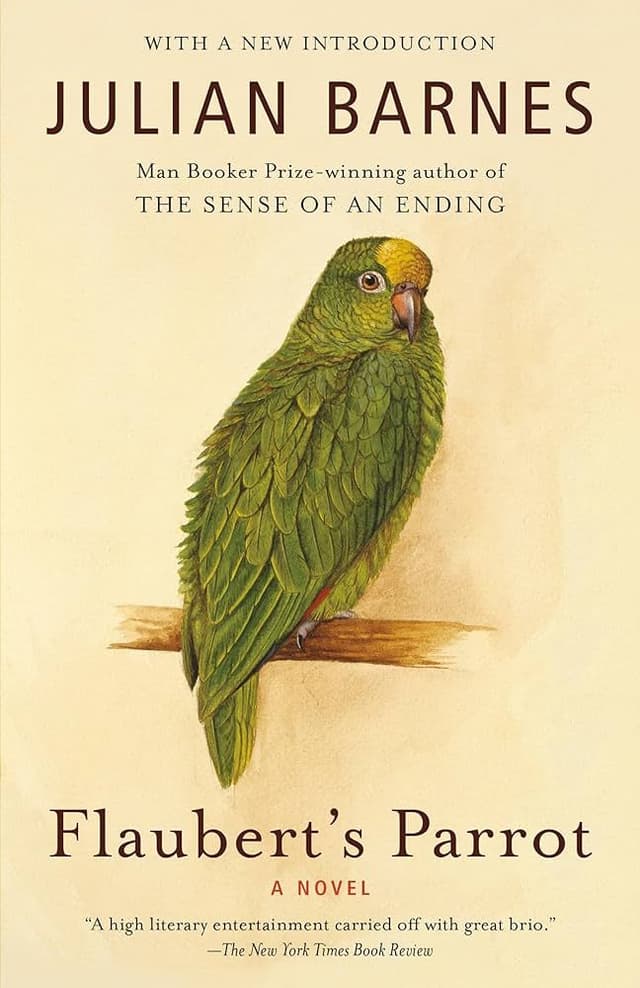
Barnes, who was married to leading London literary agent Pat Kavanagh from 1979 to her death in 2008, was already part of a publishing power couple when he released his breakout commercial and critical success Flaubert’s Parrot in 1984. And they were good friends with Barnes’s fellow New Oxford Wit, London Fields and Money author Martin Amis. But in 1995, Amis famously left his London literary agent – none other than Kavanagh – for an American one who could deliver a then-huge advance on The Information. The betrayal prompted the Barneses to terminate their long friendship though they did mend fences a decade later. In 2023, Barnes told the Guardian that he and Amis exchanged emails before the latter died, with Amis’s last missive saying, “Look after yourself, old friend,” which Barnes took as a final goodbye. Now, in revisiting his life and friendships in Departure(s), Amis inevitably shows up.
By taking stock and choosing a definitive moment to bring his fictional forays to a close, Barnes might be taking a page from Judith Viorst. The bestselling 94-year-old author of the 1972 hit Alexander and the Terrible, Horrible, No Good, Very Bad Day’s latest is Making the Best of What’s Left, and offers candid anecdotes and wisdom for making one’s ‘final fifth’ of life meaningful.
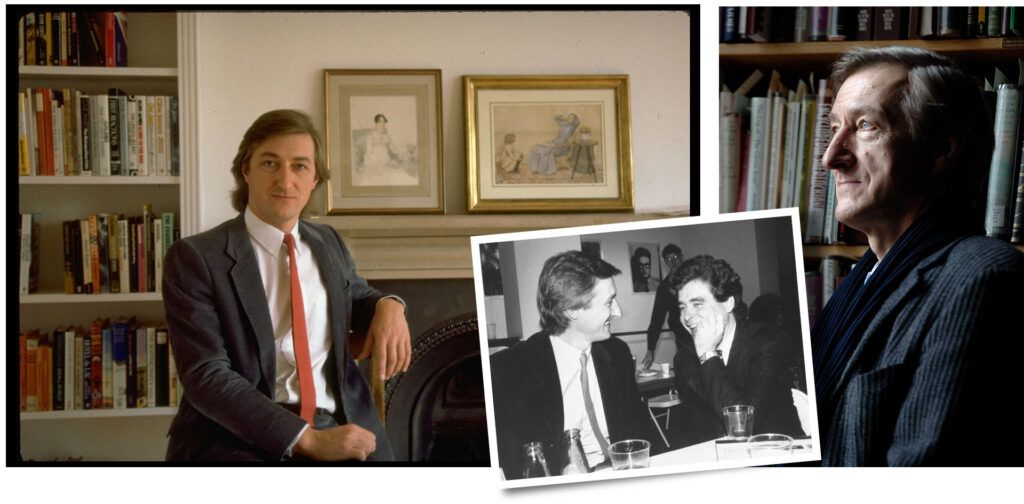
As he winds down fiction, Barnes is far from the only author seeking closure. Just last year, American historical mystery writer Martin Cruz Smith concluded his long-running Arkady Renko detective series with Hotel Ukraine, shortly before he died. In the novel, the author gave his Moscow investigator worsening Parkinson’s disease, mirroring his own condition. He’s among several established writers lately opting to end series on a high note – and their own terms – by publishing meaningful final novels by choice. And not necessarily because they’re ailing. Bestseller Elin Hilderbrand, 56, similarly closed the chapter on her wildly popular, 30-book Nantucket summer series with Swan Song, calling it an intentional retirement. Likewise, The Rose Field, published last fall, gave 79-year-old Philip Pullman the opportunity to bring his expansive Book of Dust universe to a magisterial close. It’s as the late great Hilary Mantel declared, on the very last page of Bring Up the Bodies: “There are no endings, they are all beginnings.”
“Having my last book published in my lifetime is more fun,” is how Barnes himself puts it; “I’ll be able to read my literary obituaries.”