Reading Rewind: 2025 Novels We Can’t Stop Thinking About
Our Zed writers offer up three fiction gems from last year – covering a wide emotional spectrum – that left an impression.
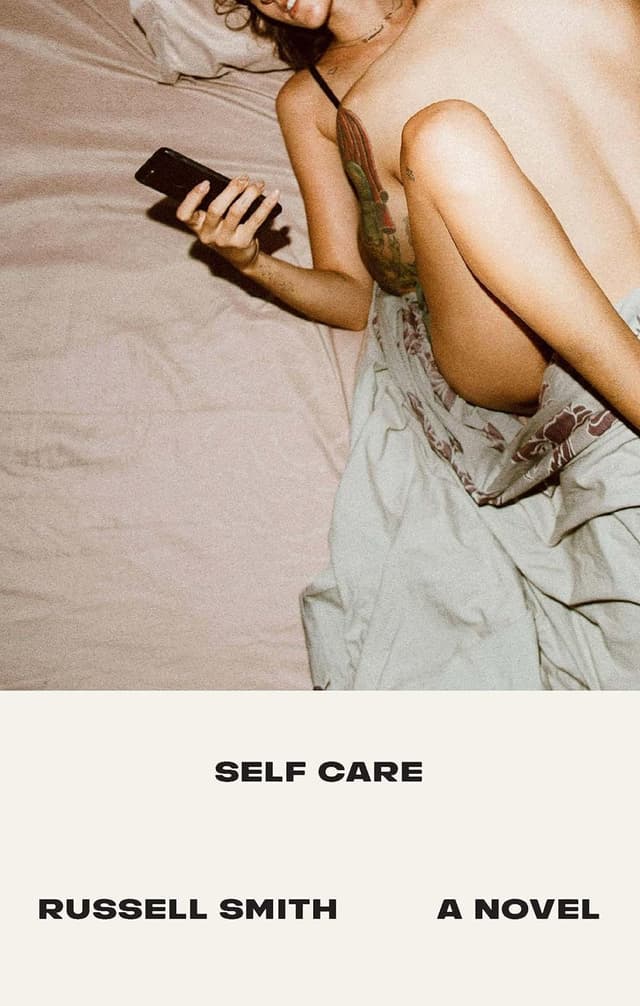
1Self Careby Russell SmithAuthor’s Home Base: Toronto
Author’s take: “My 10th book is from the point of view of a young woman, and it’s about a world of people much younger than I am. I taught creative writing for several years, and I was inspired by talking to lots of young people. I became fascinated by certain problems that they had that I didn’t have when I was their age.”
Favourite lines: “‘Look,’ he said. His voice was high and shaky. ‘I have nothing in my life except for you, okay? Nothing.’ ‘Oh for.’ She tried to calm her breathing. It wouldn’t help to scream at him that he was a baby. ‘Well if that’s true,’ she said, ‘then you’d better not call me a slut, right? Or anything else.’”
Review: There is a lot of sex, suicide and coarse language in Russell Smith’s latest novel, which pivots on issues as native to Gen Z as smartphones, incel culture, gig work, limited upward mobility, pervasive online shenanigans and antidepressants for everyone. It’s unclear whether Self Care is intended for the audience it depicts or audiences of the author’s age (62), who side-eye this successive cohort – which may explain the book’s somewhat discombobulating drift. Do we relate, or do we judge? In a nutshell, Toronto-based protagonist Gloria is barely making rent as a freelance writer-slash-content creator. She is orbited by one lover who cares too little and a roommate and bestie who care too much. Enter Daryn, a maybe incel that Gloria is ostensibly profiling but promptly takes to bed, where she dominates him in a vaguely plotted attempt to alter his worldview. Things, like, don’t go to plan. Self Care is a genuine page-turner even as you find yourself praying never to be seated next to any of its glum characters on a long-haul flight. –Kim Hughes
Author’s Home Base: Toronto
Author’s take: “My 10th book is from the point of view of a young woman, and it’s about a world of people much younger than I am. I taught creative writing for several years, and I was inspired by talking to lots of young people. I became fascinated by certain problems that they had that I didn’t have when I was their age.”
Favourite lines: “‘Look,’ he said. His voice was high and shaky. ‘I have nothing in my life except for you, okay? Nothing.’ ‘Oh for.’ She tried to calm her breathing. It wouldn’t help to scream at him that he was a baby. ‘Well if that’s true,’ she said, ‘then you’d better not call me a slut, right? Or anything else.’”
Review: There is a lot of sex, suicide and coarse language in Russell Smith’s latest novel, which pivots on issues as native to Gen Z as smartphones, incel culture, gig work, limited upward mobility, pervasive online shenanigans and antidepressants for everyone. It’s unclear whether Self Care is intended for the audience it depicts or audiences of the author’s age (62), who side-eye this successive cohort – which may explain the book’s somewhat discombobulating drift. Do we relate, or do we judge? In a nutshell, Toronto-based protagonist Gloria is barely making rent as a freelance writer-slash-content creator. She is orbited by one lover who cares too little and a roommate and bestie who care too much. Enter Daryn, a maybe incel that Gloria is ostensibly profiling but promptly takes to bed, where she dominates him in a vaguely plotted attempt to alter his worldview. Things, like, don’t go to plan. Self Care is a genuine page-turner even as you find yourself praying never to be seated next to any of its glum characters on a long-haul flight. –Kim Hughes
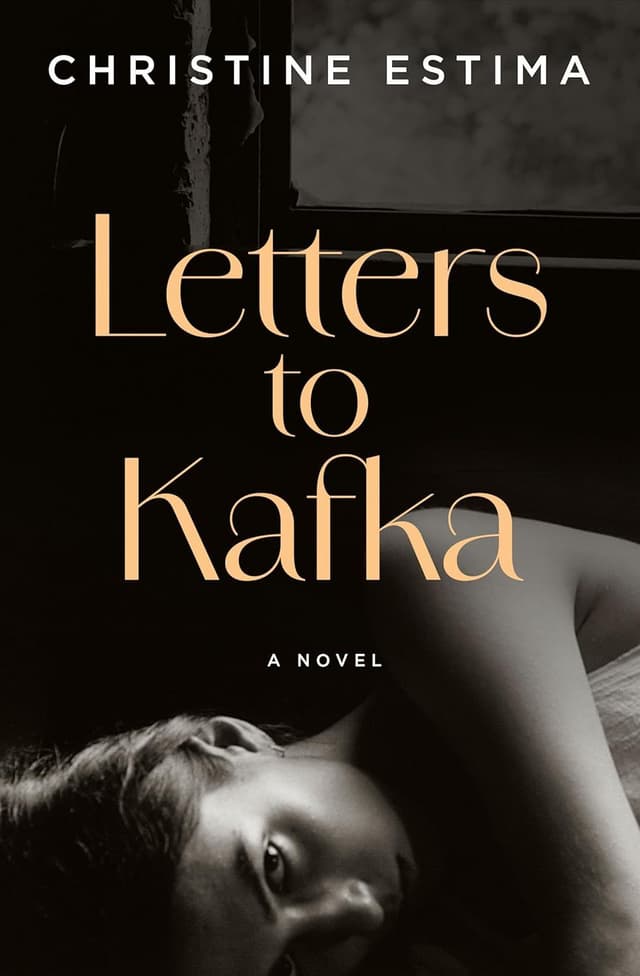
2Letters to Kafkaby Christine EstimaHome Base: Toronto
Author’s Take: “When I came across the love story of famed 20th-century author Franz Kafka and his first translator, Czech writer Milena Jesenská, I
thought to myself, ‘Wow, someone should write a novel about this.’ And then I realized, ‘Wait a minute … I’m someone.’”
Favourite Line: “She could have fled, but she was stubborn, always stubborn; Kafka had accused her of this several times. It was her worst fault.”
Review: Milena Jesenská first approached Prague writer Franz Kafka (The Metamorphosis) with a business proposal – the young Milena, based in Vienna with her husband, offered to translate Kafka’s short story The Stoker from German to Czech. Things did not stay strictly business for long – in a series of letters, Kafka confessed his adoration, wooing her with words. She is widely regarded as one of the great loves of the writer’s life. While some of Kafka’s letters were published in 1952 (Letters to Milena), the correspondence – and the nature of the relationship – was one-sided; Milena’s missives were lost. Christine Estima’s debut novel, Letters to Kafka, steps into that gap with a richly imagined and deeply felt narrative focused on Milena herself. Following the invasion of Czechoslovakia by the Nazis, Jesenská became a member of the resistance, and the novel is set around her imprisonment and interrogation in Prague following her arrest by the SS. Largely unfolding through memory and flashback, Letters to Kafka is a powerful blend of history and fiction, and a worthy reminder of the great women who have lived too long in the shadows of great men. –Robert Wiersema
Home Base: Toronto
Author’s Take: “When I came across the love story of famed 20th-century author Franz Kafka and his first translator, Czech writer Milena Jesenská, I
thought to myself, ‘Wow, someone should write a novel about this.’ And then I realized, ‘Wait a minute … I’m someone.’”
Favourite Line: “She could have fled, but she was stubborn, always stubborn; Kafka had accused her of this several times. It was her worst fault.”
Review: Milena Jesenská first approached Prague writer Franz Kafka (The Metamorphosis) with a business proposal – the young Milena, based in Vienna with her husband, offered to translate Kafka’s short story The Stoker from German to Czech. Things did not stay strictly business for long – in a series of letters, Kafka confessed his adoration, wooing her with words. She is widely regarded as one of the great loves of the writer’s life. While some of Kafka’s letters were published in 1952 (Letters to Milena), the correspondence – and the nature of the relationship – was one-sided; Milena’s missives were lost. Christine Estima’s debut novel, Letters to Kafka, steps into that gap with a richly imagined and deeply felt narrative focused on Milena herself. Following the invasion of Czechoslovakia by the Nazis, Jesenská became a member of the resistance, and the novel is set around her imprisonment and interrogation in Prague following her arrest by the SS. Largely unfolding through memory and flashback, Letters to Kafka is a powerful blend of history and fiction, and a worthy reminder of the great women who have lived too long in the shadows of great men. –Robert Wiersema
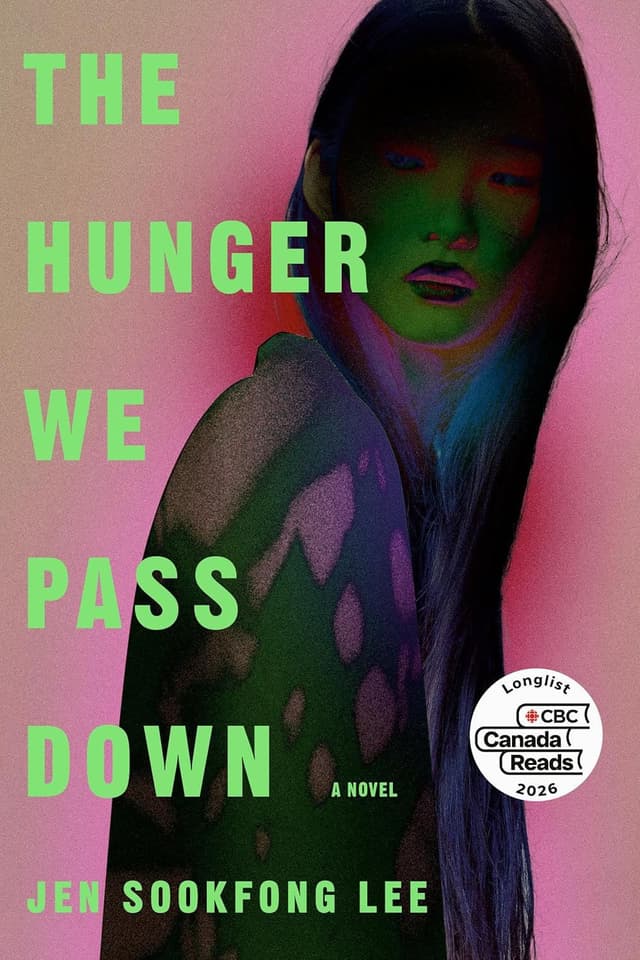
3The Hunger We Pass Downby Jen Sookfong LeeHome Base: North Burnaby, B.C.
Author’s Take: “I think that I have mostly been writing about motherhood my whole career. … And The Hunger We Pass Down is no different, it’s just that I am taking all the issues I usually write about – intergenerational trauma, migration, gentrification – and imposing a layer of the supernatural.”
Favourite Line: “Every morning, the day stretched out before her, time broken up by chores and tasks that she hated. Without the drinking, without the numbness, she couldn’t do it all and not want to die.”
Review: From her debut novel The End of East (2007), Jen Sookfong Lee has engaged in an ongoing act of psychic exploration, not only of herselves – as a Chinese Canadian daughter and mother, as a pop-culture obsessive, among others – but of her place in the world, both geographically (historical and contemporary Vancouver is a frequent subject and setting) and socially. In the process, she has created a powerful, involving body of work, which rivals that of any other Canadian writer at work today. Lee continues that relentless process of examination with her new novel The Hunger We Pass Down, a daring, multilayered saga in which history and contemporary life share space, and generational trauma and supernatural haunting blur together. Rooted in the experience of overworked, underslept, divorced single mother Alice, who wakes up (hungover) one morning to discover that her house has been cleaned while she slept, the novel shifts back to incorporate the stories of the women in Alice’s family, and the demons which have haunted them all. It’s a bravura performance, and perhaps Lee’s finest book – so far. –RW
Home Base: North Burnaby, B.C.
Author’s Take: “I think that I have mostly been writing about motherhood my whole career. … And The Hunger We Pass Down is no different, it’s just that I am taking all the issues I usually write about – intergenerational trauma, migration, gentrification – and imposing a layer of the supernatural.”
Favourite Line: “Every morning, the day stretched out before her, time broken up by chores and tasks that she hated. Without the drinking, without the numbness, she couldn’t do it all and not want to die.”
Review: From her debut novel The End of East (2007), Jen Sookfong Lee has engaged in an ongoing act of psychic exploration, not only of herselves – as a Chinese Canadian daughter and mother, as a pop-culture obsessive, among others – but of her place in the world, both geographically (historical and contemporary Vancouver is a frequent subject and setting) and socially. In the process, she has created a powerful, involving body of work, which rivals that of any other Canadian writer at work today. Lee continues that relentless process of examination with her new novel The Hunger We Pass Down, a daring, multilayered saga in which history and contemporary life share space, and generational trauma and supernatural haunting blur together. Rooted in the experience of overworked, underslept, divorced single mother Alice, who wakes up (hungover) one morning to discover that her house has been cleaned while she slept, the novel shifts back to incorporate the stories of the women in Alice’s family, and the demons which have haunted them all. It’s a bravura performance, and perhaps Lee’s finest book – so far. –RW