There is no shortage of leadership books on the market, each with its own buzzwords and philosophies on how to make friends and influence people, practise radical candour, take extreme ownership, lean in, eat last, start with why, get to yes. Yet, none of them would likely advise going into your CEO’s office and crying for an hour.
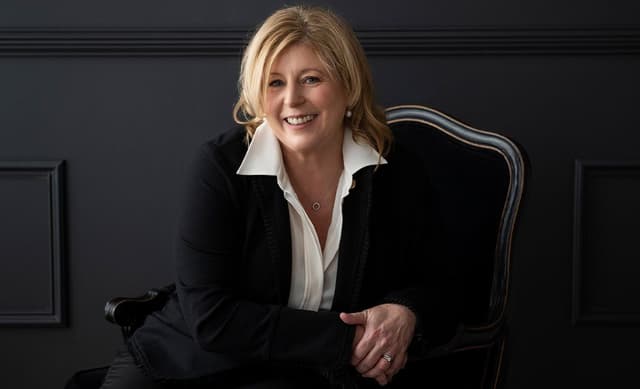
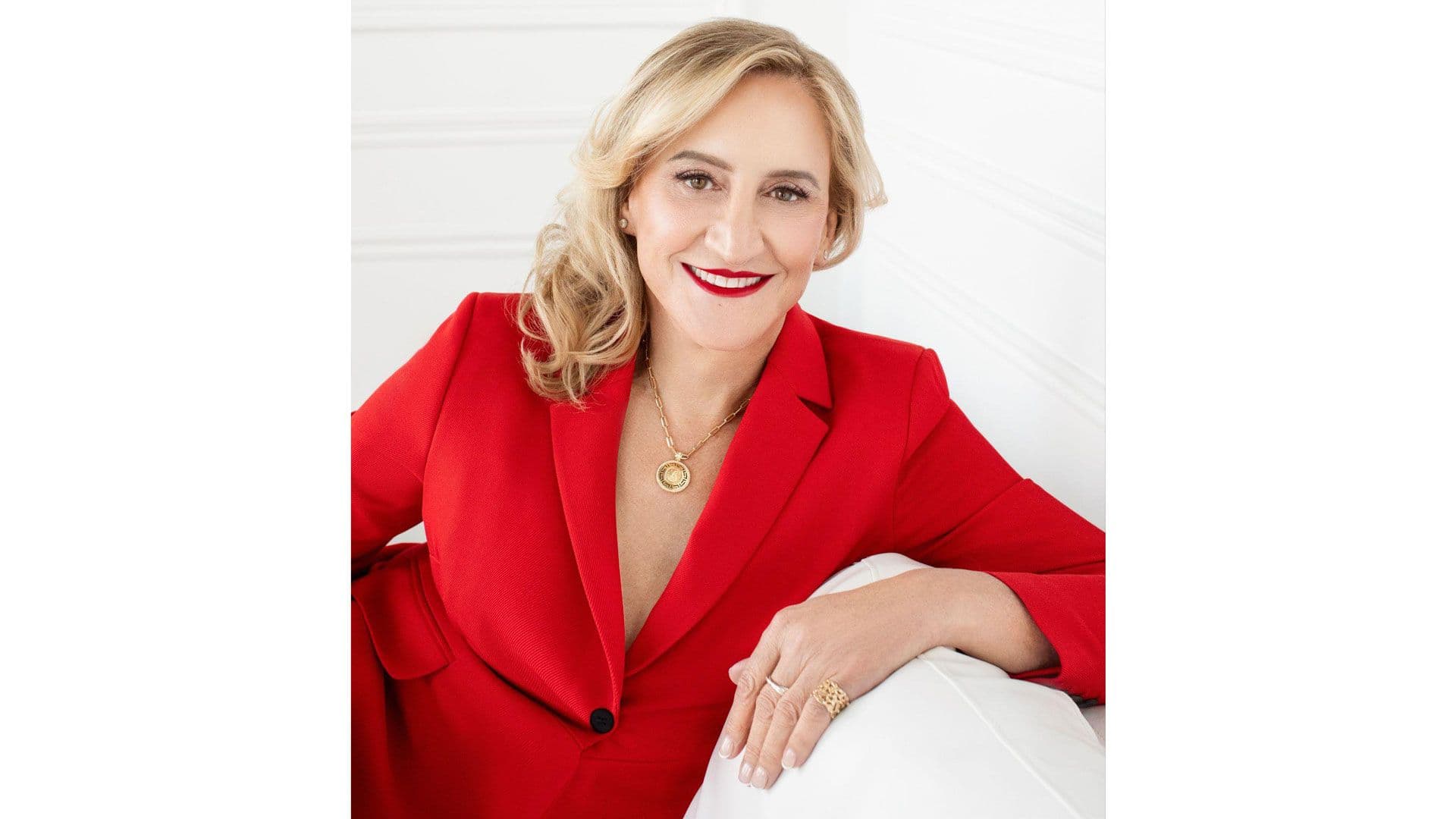
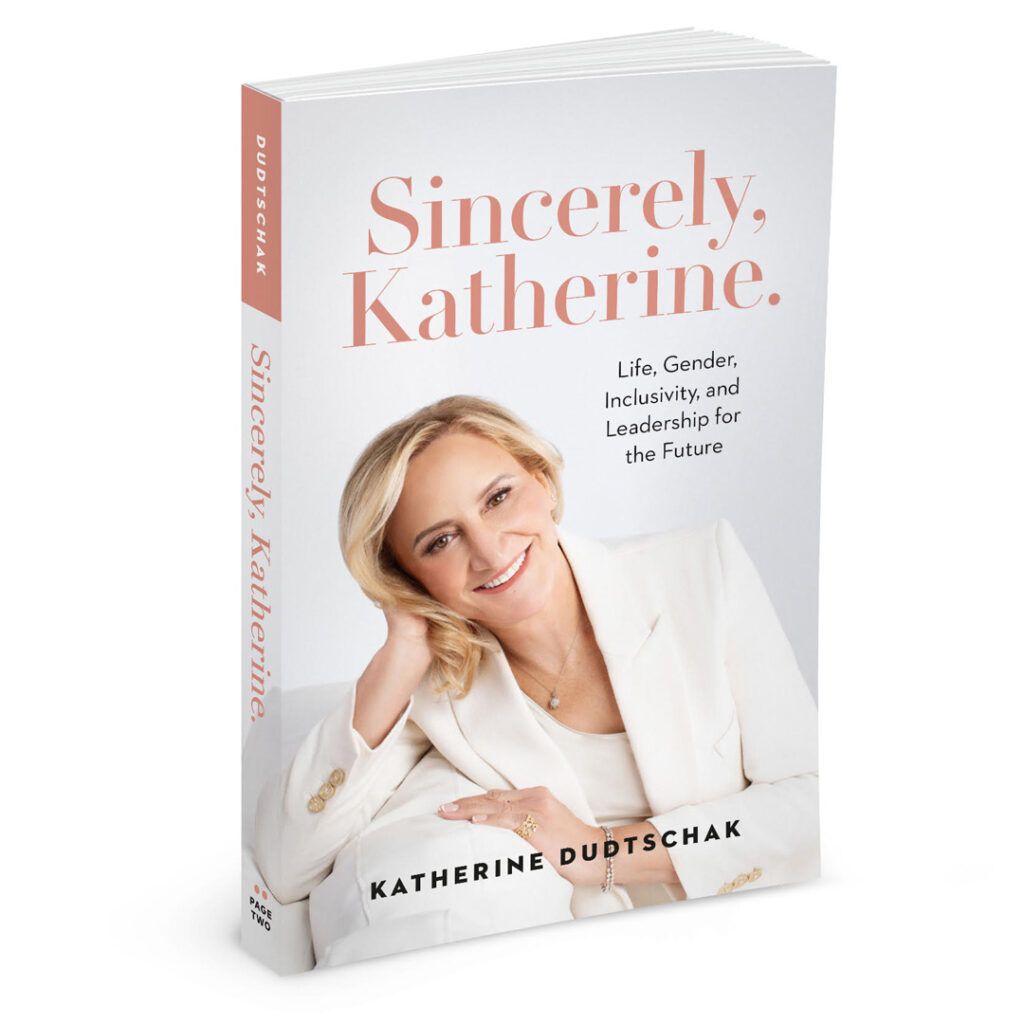
But back in 2019, one of the Royal Bank of Canada’s top executives did just that. Katherine Dudtschak had worked at the bank for 27 years, and oversaw 30 percent of the company’s work force, when she broke down and revealed to the head of RBC that she had started estrogen treatments and was planning surgeries to affirm her gender. As she says in her new book, Sincerely, Katherine.: Life, Gender, Inclusivity, and Leadership for the Future, “Banking is an inherently conservative world, understandably, since part of our job is to conserve and protect people’s money and the economic stability of society. I was terrified of being judged and rejected. I thought I might lose my job.”
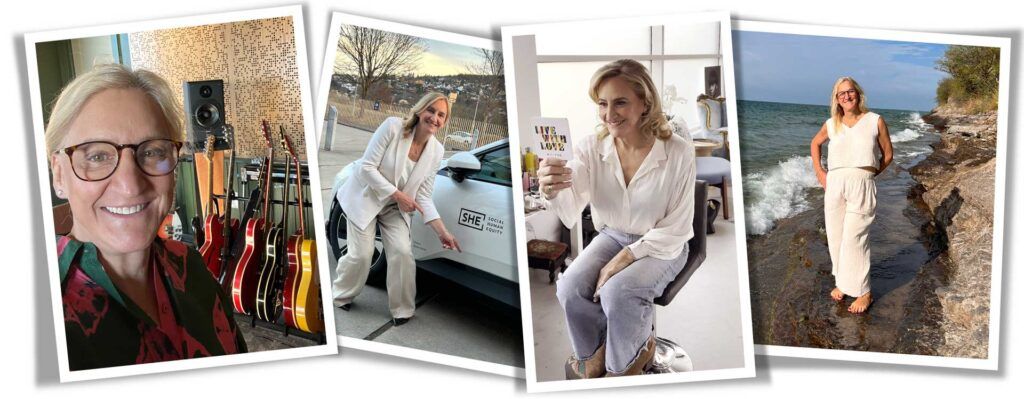
The opposite happened. The CEO said, “I can’t believe what you’ve been carrying, and I can’t believe your courage. The company is with you.” And the bank followed Dudtschak’s lead and timeline for how to slowly reintroduce Katherine, or Katie as she prefers to be called, to her 80,000 colleagues, which culminated with a video that went out to all staff. In it, Dudtschak – still looking the way her coworkers were used to seeing her – explained how she has always felt different, “assigned male at birth, but feeling and being female on the inside.” And after stating that she was proud to be coming out as transgender, she admitted that she was “worried about the loss of trust, the loss of credibility as a senior leader.” At the end of the video, she held up a picture of how she would look when they next saw her at work, saying, “My ask is that you don’t avoid me, that you feel free to ask questions. I am happy to talk about my journey and my struggles.”
Turns out, showing that kind of openness and bravery only made her a more respected and impactful leader at the bank, and she tells Zoomer, “I had hundreds, if not thousands, of people tell me their own stories of hurt and hardship from all walks of life. When you lead thousands, and you show vulnerability, people just open up to you.” She calls it the honour of her life that she was entrusted with those stories and was able to really help guide employees into roles that suited their lived experiences. And, she admits, “I felt my job was to take on their hurt and hardship and try to fix the world.” Meanwhile, she realized she hadn’t really come to terms with her own transformation.
Two years after coming out – during which time Katherine and her wife, Rosemary, separated (“We’re dear friends, she just didn’t want to be married to a woman”) – she left the bank to take stock. The next 18 months were not easy. “Not only had I not grieved my divorce and that my four children were leaving home,” Dudtschak tells me, “but I hadn’t really decompressed from my coming-out experience. And then on top of everything, I gave up my work family – the people who had embraced me and supported me when I came out. I really was alone.” After emotionally collapsing, she read about 30 to 40 books and learned to meditate. “I went on a pretty deep internal journey that involved a fairly deep spiritual journey of reconnecting with my inner child, or what I refer to as your essence – the deeper part of you that is at the core of your being. Some call it a soul, I call it an essence.”
And in rediscovering that essence, Dudtschak honed her leadership manifesto, a heart-centred – as opposed to fear-based or command-control – one that can only work if you have “CEOs that will balance short-term performance with doing the right thing by communities, by their customers, by their employees and the planet. And it takes a kind of leader who is humble, courageous, kind, honest and action-oriented, yet strategic and systems-thinking-oriented, self-aware and conscious of the world, of humanity.”
She took that philosophy to her next role as CEO of HomeEquity Bank where she was working with people of retirement age, who were at a vulnerable financial point in their lives. “All these futurists are talking about, ‘Oh my God, you’re going to live to 110’ and the aging person is listening to it going, ‘Fuck, I don’t know if I have money to live for the next five years,’” she says. While that work felt important, Dudtschak explains she was about to turn 60 and had been reading about following your bliss. “One of my dreams is to have an Oprah-like show in which I interview people about their human stories of hope and transformation,” she says in Sincerely, Katherine. So she took a leap and left the world of corporate institutions to focus on writing books (she’s already working on two more) and launching a podcast, The Sincerely Show, where she’ll flex that Oprah muscle by talking to those “who are leading lives of service for humanity and the world,” says Dudtschak. “Every one of the people I talk to has gone through an awakening, and every one of them has emerged through one or more or many personal crises.” She’s also starting her own company, Sincerely, Inc., which will offer individuals and companies guidance and support as they make their own impactful transformations.
We asked Dudtschak – who was talking to us from Prague where she was visiting her late parents’ birthplaces – to take our Shelf Life questionnaire and share the books that have inspired her.
What is the best book you’ve read this year?
It’s a total synchronicity. Right now, I’m reading The Secret of Secrets by Dan Brown and it’s set in Prague. When I was planning my trip, my friend gave me the book and he didn’t know I was going to Prague. And I didn’t know it was set here until I started reading it. So tomorrow I am joining a Dan Brown spiritual tour of Prague. I’m generally not a fiction reader, but because it’s got a whole mystical, otherworldly side to it, it’s just really intriguing to me.
And what book can’t you wait to dive into?
I don’t have the answer to that. I’m going to wait for it to emerge.
What is your favourite book of all time?
Well, the professional book, the leadership book that changed me more than anything in my entire life, is one called The Fifth Discipline by Peter Senge. He’s someone, like Carl Jung and Joseph Campbell, who understands the human condition deeply. Senge’s book opened this idea of living through purpose, surrounding yourself with really rich, beautiful human beings and it gave me permission to slow down and look at bigger patterns that are occurring within the company or within the team – and observe systems that allow for better decisions.
I was going to ask about leadership books that had an impact on you. Are there any others?
Joseph Jaworski’s book, Synchronicity: The Inner Path to Leadership, which says when you live from essence – and essentially you’ll know whether something aligns to essence when it inspires you, not egoically, not materialistically, just excites your inner child – that is a synchronicity. What matters is that you’re following your heart and following what inspires you each and every moment of the day. And the more you do it, the more you attract the things that align with who you are, and it just builds this flow.
The other one is Presencing: 7 Practices for Transforming Self, Society, and Business, authored by Katrin Kaufer and Otto Scharmer. Otto is an expert in a more humble way of problem solving, called Theory U, where you suspend ego and you suspend bias and you calm yourself and humble yourself to the core. You solve problems and work with others from that place of humility, which is what heart-centred leadership is.
Are there any other books that completely changed your perspective?
Michael Singer, The Untethered Soul. I had it on my nightstand for three years, and every time I tried to open it, it didn’t make sense to me. Then, I read it at a turning point for me in my grieving journey and it all made sense. And that’s when I started to meditate.
What author, dead or alive, would you want to have dinner with?
Carl Jung. He saw more and understood more, like Einstein. They tapped into consciousness, into a deeper ability to tune into knowledge or awareness.