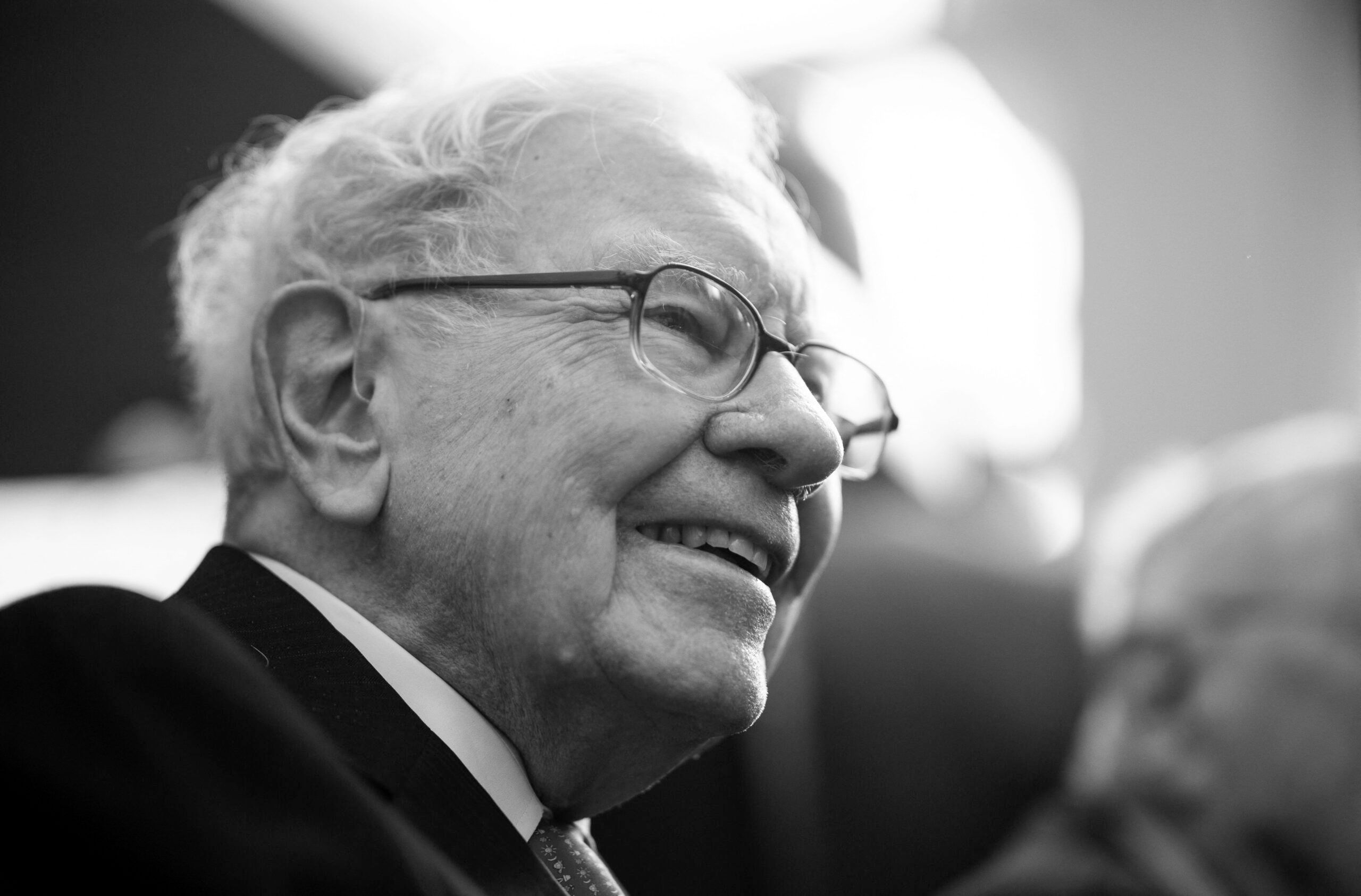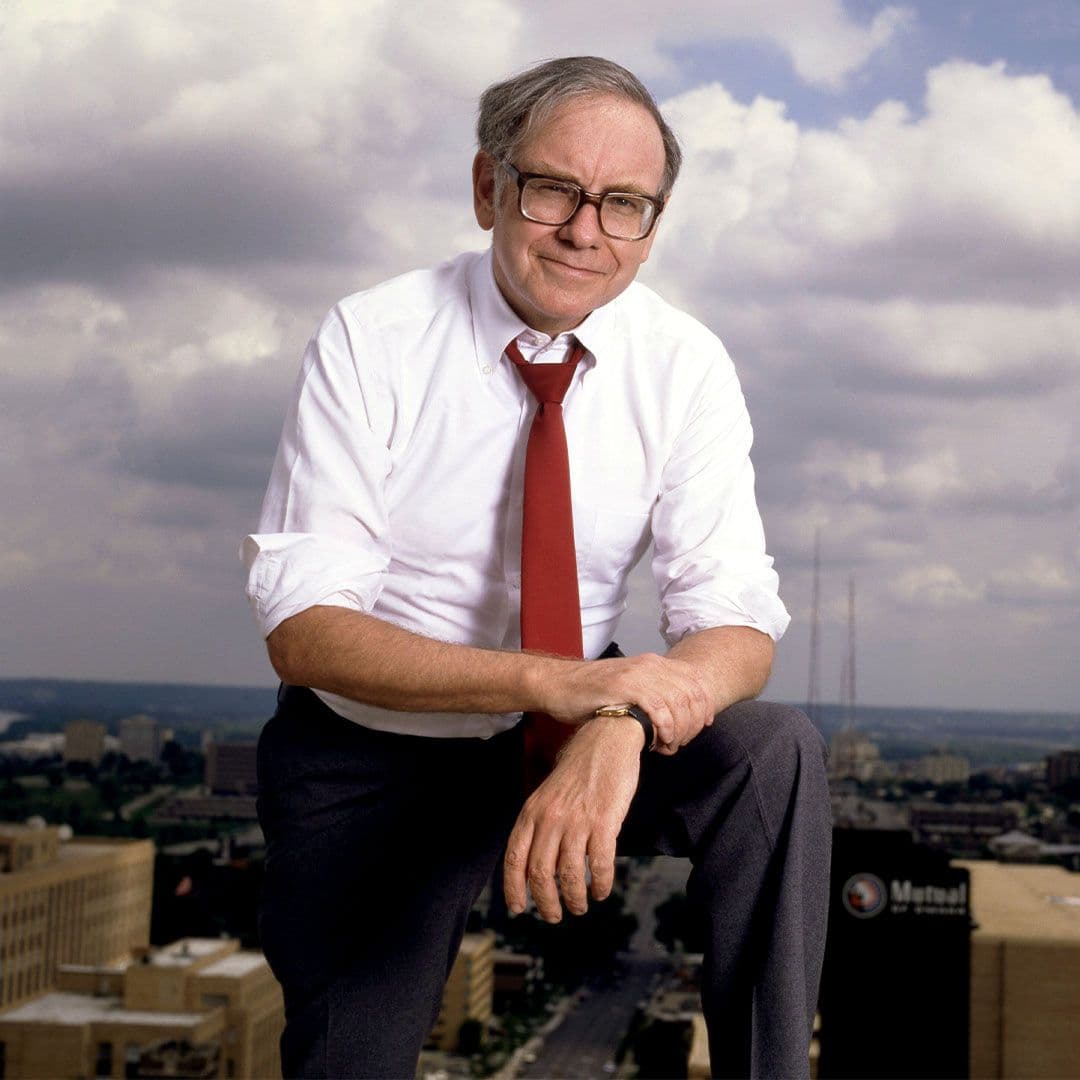
Less than a year after ending his decades-long tenure as CEO of Berkshire Hathaway, Warren Buffett is now giving up the chairman post of the holding company he took control of in 1965 and turned into a trillion dollar business. The 96-year-old investing guru, whose net worth is estimated at $144 billion, will remain on the board to serve as chairman emeritus while his son, Howard Buffett, 71, will take over his role as chairman.
In a letter to shareholders, the pioneering investor said that the move was partly due to the rise of Greg Abel – a former utility executive – exceeding his expectations at the helm of the company. “[Abel] has taken hold of the Chief Executive Officer job in every respect,” he wrote of the Canadian-born exec. “He has been making the decisions that matter for some time now, and I have not had to think twice about any of them.”
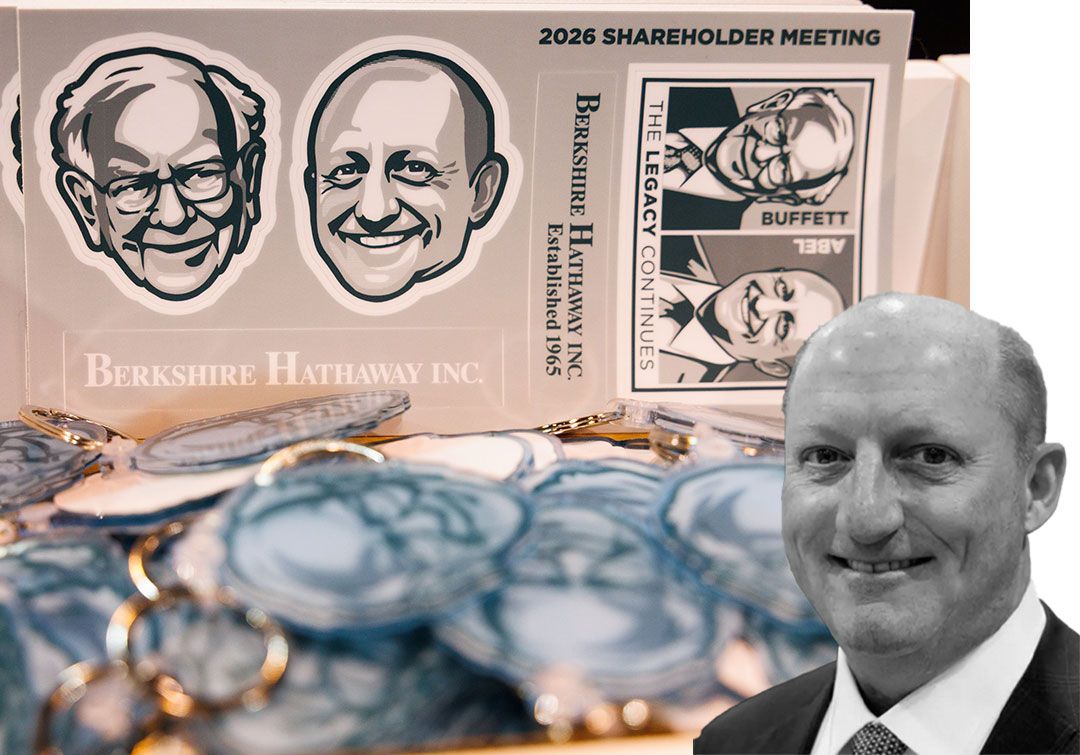
But, in the missive, Buffett also acknowledged that his age factored into the decision, admitting that his great-grandson is “moving a bit faster than I am these days. Father Time always wins. He has, however, been generous with me,” he added. “He has given me the opportunity to see Berkshire reach a point where I am more confident than ever about what lies ahead.” Although his resignation as chairman of Berkshire Hathaway became official only recently, many point to the 2023 death of his longtime business partner, adviser and sounding board, 99-year-old Charlie Munger – whom Buffett once described as “part older brother, part loving father” – as the starting point of the corporate transition.
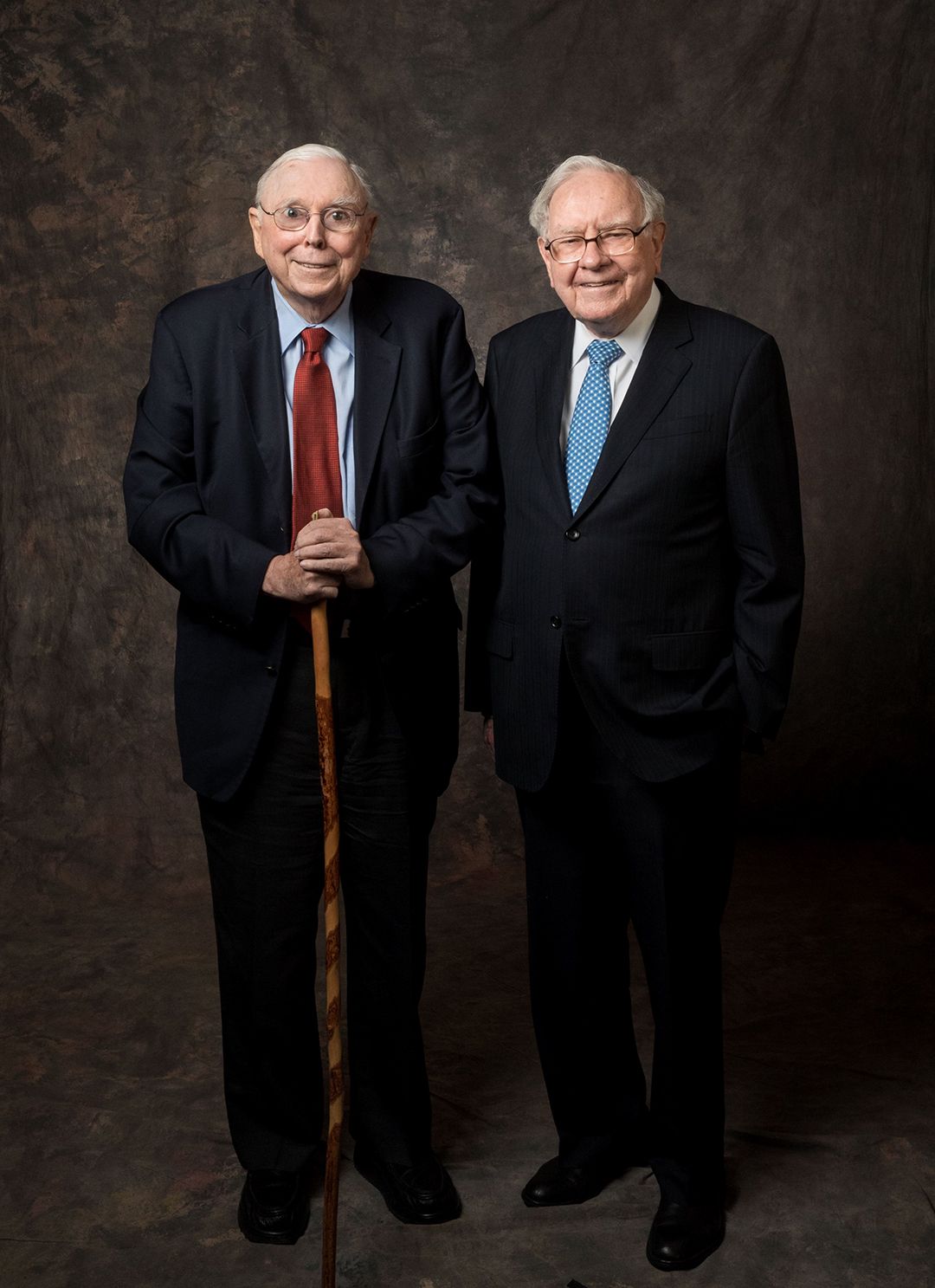
Known in the investment world as the “Oracle of Omaha,” Buffett built Berkshire into one of the world’s most valuable companies through his “value investing” philosophy – a strategy that involves securing shares in companies with solid fundamentals for reasonable prices and holding them for decades. While other billionaires are blasting off to space and spending wads of cash on super yachts or other diversions, Buffett – the 10th richest person in the world – differentiates himself with both his restrained personal spending and a tireless dedication to philanthropy.
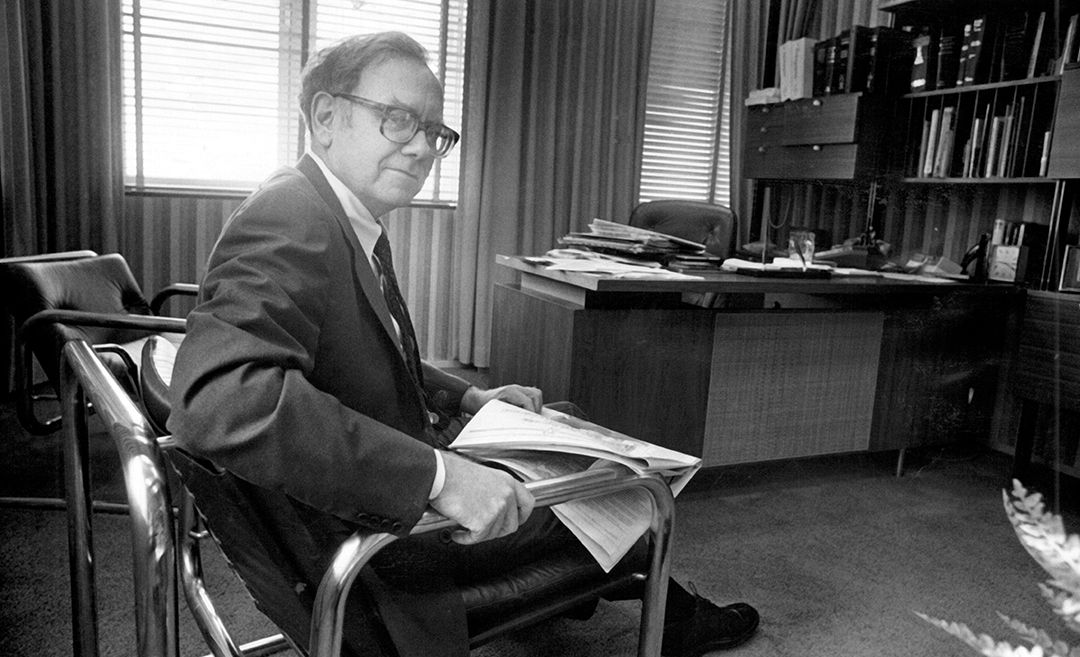
Before cutting ties with his longtime friend and fellow billionaire Bill Gates over the latter’s reported ties to convicted sex offender Jeffrey Epstein, Buffett and the Microsoft co-founder founded The Giving Pledge, a foundation that asked the world’s richest people to donate at least half their wealth to philanthropy. The investment veteran is certainly leading by example. Buffett’s will stipulates that more than 99 per cent of his wealth be donated to a charitable trust managed by his three children – totalling $60 billion as of 2025.
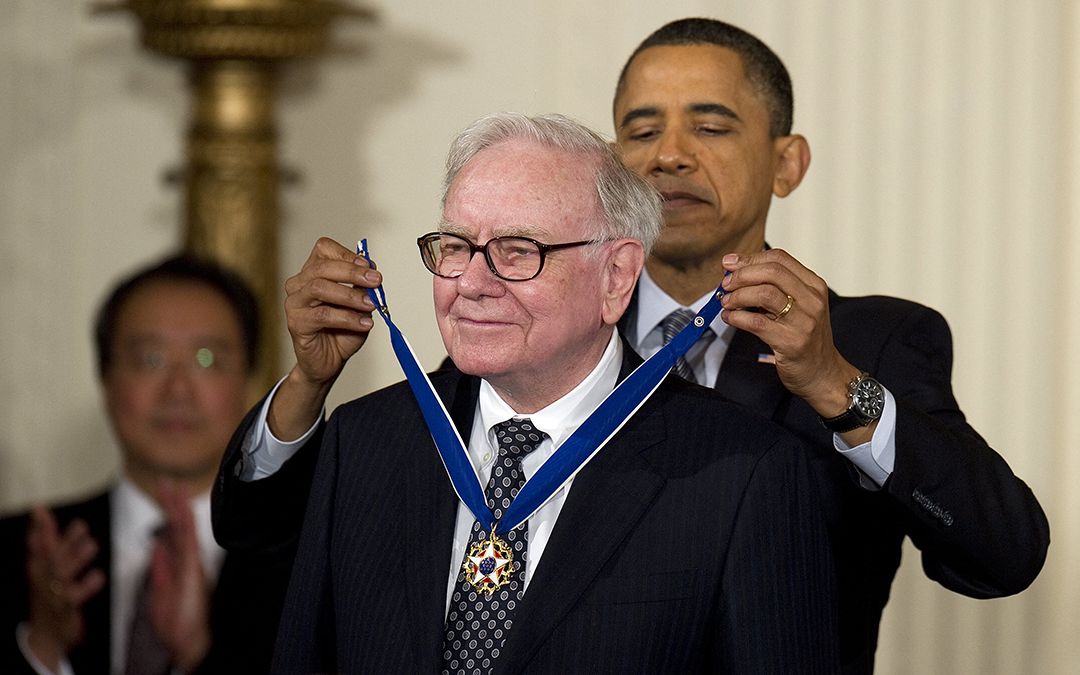
Buffett has also been an advocate for tax reform in favour of the middle-class. In 2011, he wrote an opinion piece for The New York Times alerting the public to the fact that his tax rate was lower than any of the other 20 employees in his office, and asking Congress to raise taxes on the “mega-rich.” Within a month, President Barack Obama and his administration answered his call with the “Buffett Rule,” a tax policy proposal that would impose a minimum 30 per cent tax rate on people earning over $1 million a year – although the bill was kiboshed by Republican members in the Senate.
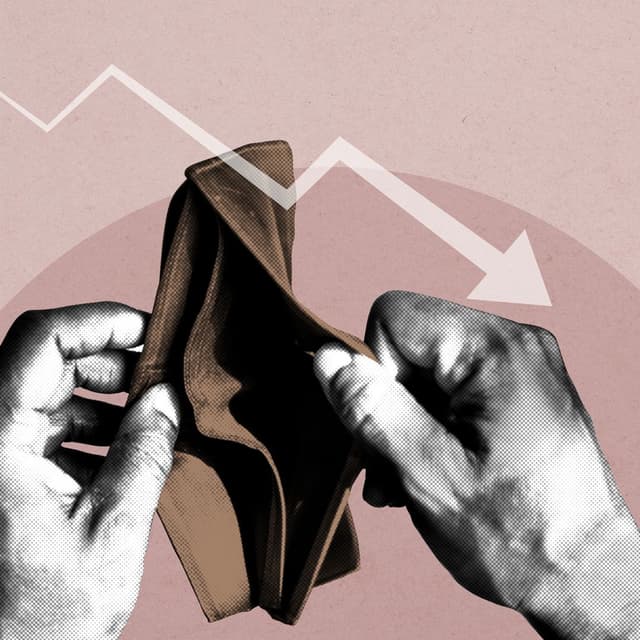
Berkshire Hathaway’s new leader will have a challenging road ahead as the company’s shares continue to struggle. Its stocks are up just one per cent year to date, which analysts are chalking up to rising oil prices, investor preference for higher growth areas and the recent change in leadership. Meanwhile, Buffett leaves behind massive capital for potential growth and some enormous shoes to fill. With his steady hand at the wheel, the investment legend ran a masterclass on diversification, acquiring insurance companies, railways, clothing makers and food chains, bringing his company’s growth to an average annual rate of 19 per cent, which greatly outpaced the broader market.
Still, as he takes another step back from the company that houses his legacy, he remains confident in those he’s selected for the daunting task. “The company is in excellent hands,” the final line of his letter reads. “I look forward to remaining a shareholder alongside you.”