The music industry has a long history of exploiting Black musicians, often appropriating their artistry and failing to provide fair compensation.
Consider the early years of jazz, blues, and rock-and-roll, when Billie Holiday only earned a flat fee for her enduring hits; Little Richard got half-a-cent for each copy of Tutti Frutti sold; and Louis Armstrong’s ruthless manager, on his deathbed, transferred control of the pioneering trumpeter’s career to others.
Or what about the ‘70s to the aughts, when soul, pop and rap reigned but Nile Rodgers and his Chic partner Bernard Edwards had to split just three percent of their band’s profits; Prince fought for artistic autonomy to the point he changed his name to a symbol; and chart-topping, multi-platinum girl group TLC went bankrupt while at the peak of their success?
Even now, when digital advances have democratized music production and marketing, streaming has flooded the market and diminished payments for all but the biggest names.
A new, three-part documentary series Paid in Full: The Battle for Black Music – commissioned by CBC and the BBC – chronicles the generational struggles of trailblazing Black artists who fell victim to predatory contracts and cultural appropriation. Although many have triumphed with ownership of labels (Motown, Stax, No-Limit Records) and rights to master recordings (Jay-Z, Rihanna), many more battled for access, control and equity.
“The record business is more systemic racism; not saying that the people in the record business currently are racist; they are recipients or beneficiaries of the way the record business was set up years ago,” says prominent L.A. entertainment lawyer Ron Sweeney in the documentary.
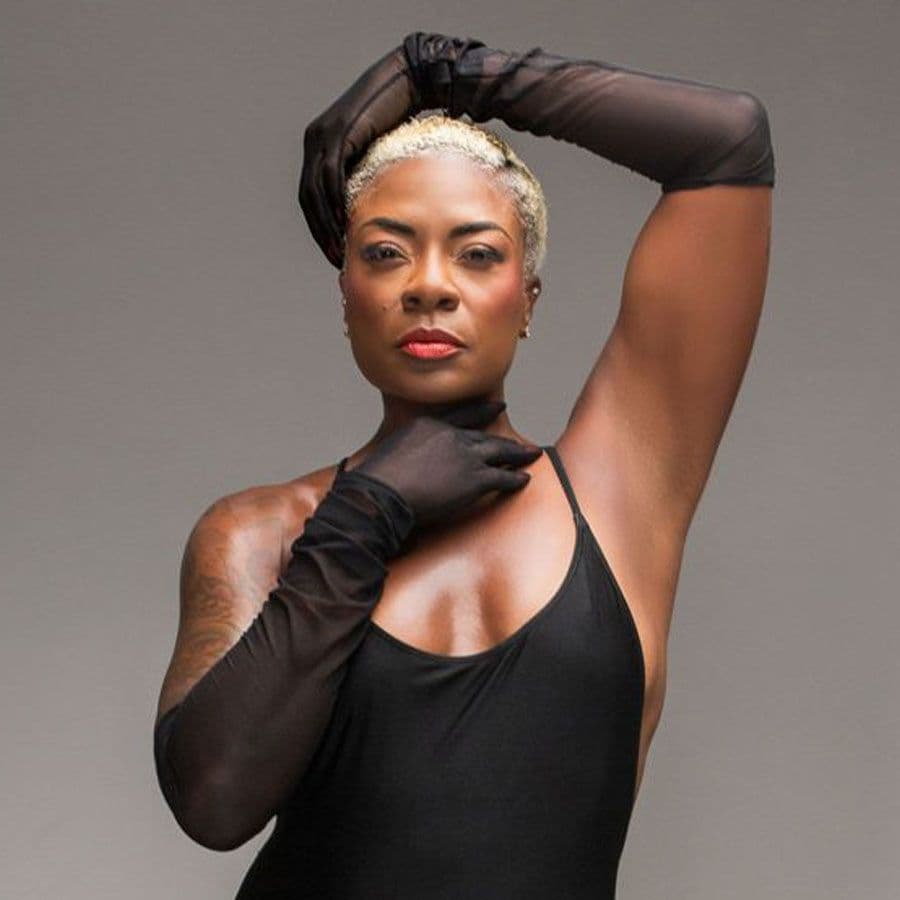
Featuring archival footage and new interviews with industry insiders and luminaries like Ice T, George Clinton and Gloria Gaynor, the series is narrated with Oprahesque aplomb by Canadian R&B/Soul darling Jully Black, who signed her first record contract at 14.
“The subject matter is very relatable,” says the 46-year-old performer by phone as she drives herself to the hair salon one morning. “It was an opportunity to learn about my Black musical past…and also see where the future is going as far as the music business is concerned, for Black creatives.”
Earlier this month, upon receiving the inaugural Impact Award at the Billboard Canada Women in Music event, the Juno–winner reminisced about overcoming the lack of infrastructure and radio acceptance “for people, women, that looked like me.” She’s not, however, one for regrets.
“When people ask me to mentor, for advice, I say, ‘Remember, it’s called the music business. So, who’s your accountant? Your bookkeeper? Do you know? How are you with financial literacy? Where are you investing time and talent? Are you willing to say, no?’ There comes a time where if it’s not making sense, it’s really not making dollars.”
Award-winning director Alison Duke was behind the lens for Paid in Full, guiding 40+ interviews, including California sit downs with Smokey Robinson and Chaka Khan. “It was just a great opportunity for me to speak to all these amazing musicians, who basically provided the soundtrack to my life,” she enthuses by phone from her Toronto offices.

The Scarborough native began her career in the 90s directing music videos and made her first documentary Raisin’ Kane: a Rapumentary about her brother Jeff “J-Spade” Duke’s hip hop band. She remembers their arduous quest to land a record deal in an era when songstress Deborah Cox was turned down by every Canadian label before heading south and garnering chart-topping success.
“It’s not just for the money, but the opportunity that that money would have allowed those people to do: build their own community, build their own businesses, and the trickle effect of that,” says Duke of the disparities which she believes contribute to the racial wealth gap.
“With AI and all this stuff happening, again there’s going to be seismic changes, and I want to make sure that we have this history, and we also know what’s going on right now with streaming, so that next phase of what’s going to happen to music is where people understand what’s going on and know how to protect themselves.”

Black’s fortitude and equanimity, meanwhile, have helped her build a diverse career that includes radio, film, TV, and theatre.
“I’m not the Blue Rodeo, and I’m not the Tom Cochrane, and I’m not the Shania Twain that can basically do one thing and retire off of that. That’s not how it works for Black people in this country and Black artists,” she says. “It just so happens many of us have many talents, but it’s up to us to explore them, and don’t feel like you’re cheating on your music if you do something else.”
Paid in Full: The Battle for Black Music will be available to stream on CBC Gem beginning September 21.
RELATED:
‘Black Life: Untold Stories’ Docuseries Explores 400 Years of Black History in Canada