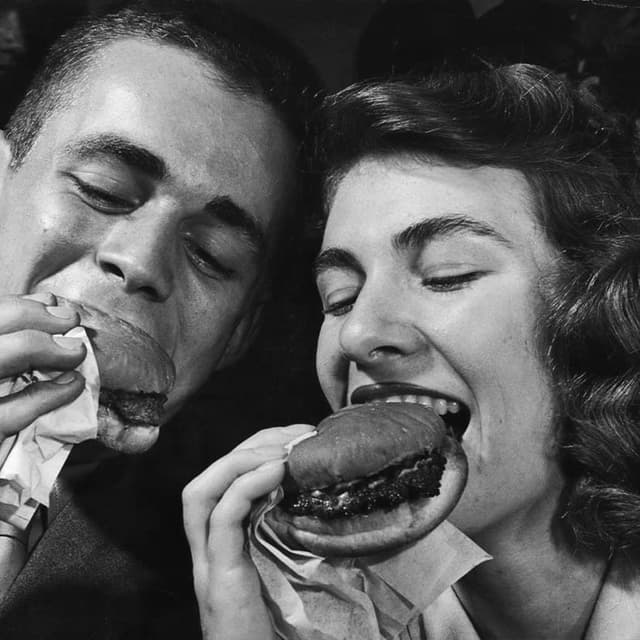
When exactly did everyone start obsessing over Lorne Michaels? Certainly, in 1975, when my parents watched the first season of Saturday Night Live, minds blown, they were not searching out info about the guy behind the scenes. They likely didn’t even know – or care – that he was Canadian. They were focused on John Belushi, Chevy Chase and Gilda Radner. I was two at the time, so not watching the show live or at all – because in my day, kids, there was none of this TV on your own schedule. But I was a quick-study toddler and realized that if I dropped the phrase “Landshark” or “Cheeseburger Cheeseburger Cheeseburger” into a conversation with adults, laughter ensued.
Even when I did watch SNL religiously, from the mid-80s with Billy Crystal’s You Look Marvelous! and Eddie Murphy’s Gumby – which were in the five years that Michaels left the show – until Andy Samberg left in 2012, I never thought much about the legendary producer. But, when you become a Canadian journalist, you swear this oath: “I will do whatever it takes to solve the mystery that is Lorne Michaels.”
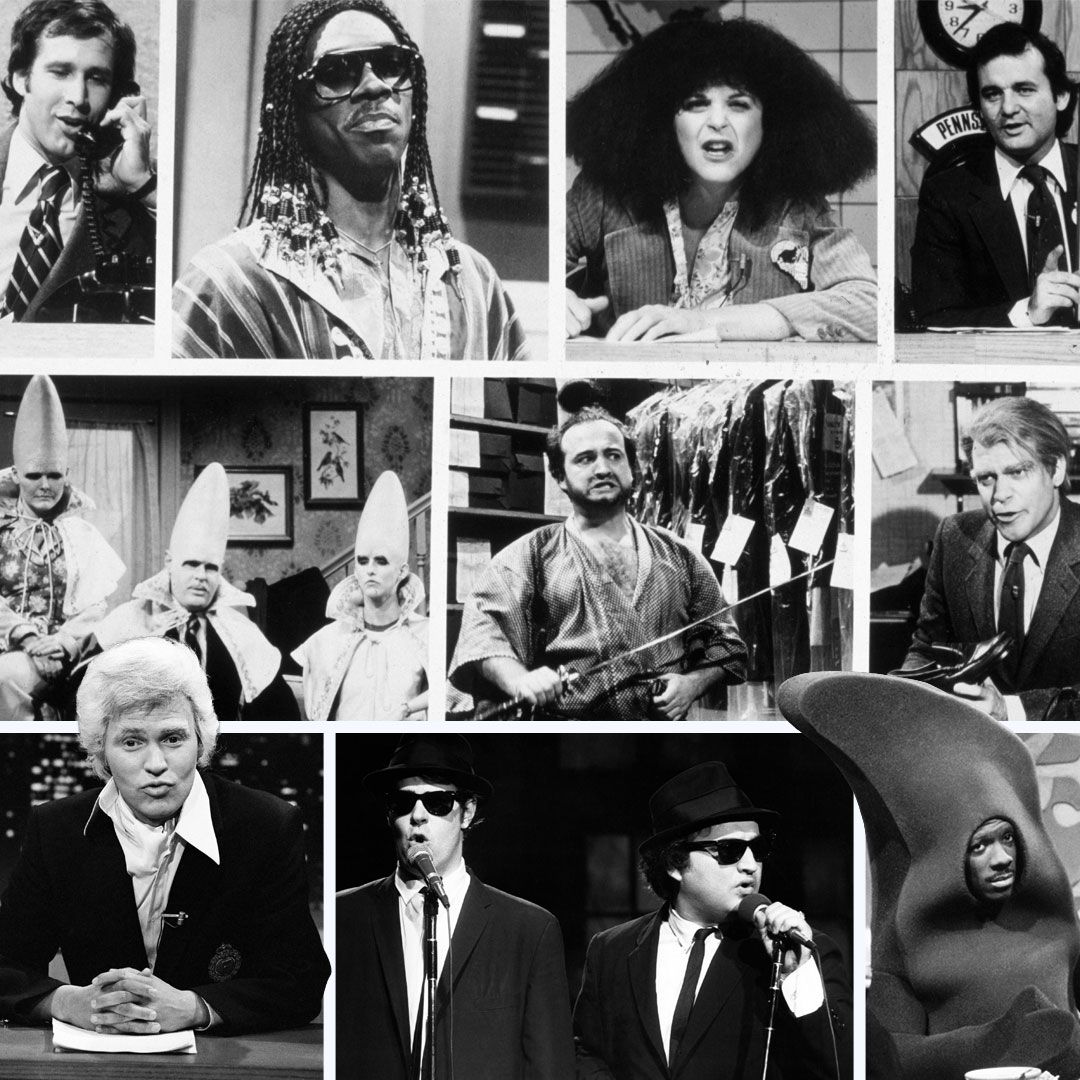
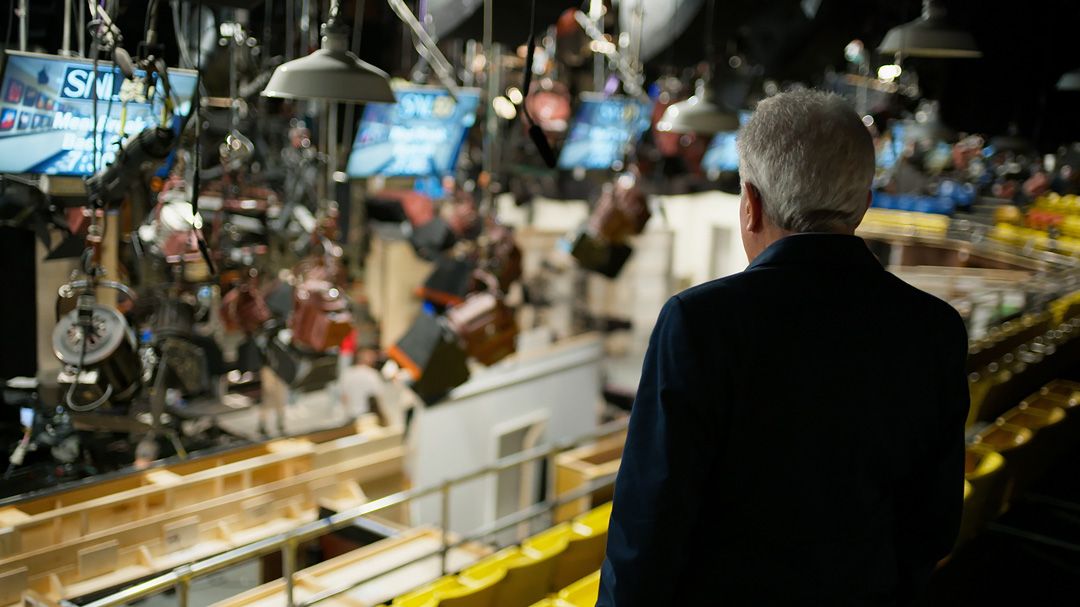
Now that Michaels is 81, there’s even more urgency to understand him, as if comedy itself will cease to exist if he doesn’t bare his soul to the world before he dies or retires permanently to his sanctuary – a blueberry farm in Maine. Recently, with the 50th anniversary of SNL, there have been endless articles and specials about the late-night institution and its history. Plus, two high-profile projects have focused solely on Michaels himself: Susan Morrison’s 2025 book, Lorne, in which he gave the New Yorker editor 50 interviews over 10 years; and now a documentary, also called Lorne, from Oscar-winning filmmaker Morgan Neville (20 Feet From Stardom and Won’t You Be My Neighbor?). Neville basically auditioned like a potential cast member pitching his ideas for the film to Michaels and his team. The elusive power player liked Neville enough to let him hang around 30 Rock with a camera for two years, allowing him into meetings and run-throughs, with access to hosts, friends and cast members – the latter of whom will tell you, to paraphrase another Canadian icon, that they’ve looked at Lorne from both sides now … and they really don’t know Lorne at all. And yet, they all seem to have an impersonation at the ready. “He’s given us all these amazing careers,” says Conan O’Brien in the doc. “And how do we repay him? By doing a cartoonish impression.”

This film may or may not shed the requisite amount of light on Michaels the person, but it is an informative, and for some aspirational, portrayal of a visionary boss who has all those idiosyncrasies and eccentricities and deliberate obliviousness that goes along with that kind of genius, including giving notes on your performance that are impossible to understand – “If you’re going to be clingy, it has to be in beats.” He’s not shy with cutting criticism, turning to one award-winning SNL cast member and saying, “Can they take Emmys back?” But then he’ll give you a laugh. “It is like a parent thing where I remember all the times he’s said something nice,” says Andy Samberg. “You, like, live on it for weeks.”

The work day is a punishing 4 p.m. until sometime early the next morning, because Michaels learned early on, “Fatigue is your friend. Through exhaustion and through people just being so depleted, the unconscious takes over and suddenly you take way bigger risks. And you start to make yourself laugh.” And while he leaves his staff waiting hours after their appointed meeting time, he will never rush someone who needs his help out the door. “I was twice in drug rehabs,” says stand-up comic John Mulaney, who wrote for the show for five years. “I was twice in drug rehabs. And the second time, he called me and he could tell that I was just sitting in my room in rehab. And he went, ‘By the way, I’ll stay on the phone as long as you want and we can talk about whatever.’”
The cast also recalls his practical and off-the-wall advice: Tip at least 15 per cent at a restaurant or they’ll write about it in the New York Post. You can’t make an entrance if you never leave. Buy a bigger apartment than you think you can afford – you should look at it and think, “‘Ooh, who lives here?’ It’s me.”
Michael’s own big apartment is across the hall from Paul Simon’s, one of his oldest and closest friends. I learned this fantastic tidbit from the doc: Simon’s actual “travelling companion” when he went to Graceland was Michaels. Hearing about their road trip down Highway 61 to Memphis sheds new light on the lyric, “Poor boys and pilgrims with families. And we are going to Graceland.”

Simon, Steve Martin, Martin Short and Alec Baldwin aside, the voices contributing to this film are not really Michaels’ peers but are mostly cast members from the ’90s until now – all of whom are young enough to idolize him and see him as a paternal figure. This would be pure hagiography if the talking heads weren’t arguably some of the funniest people on the planet, who get that gentle ribbing and mockery are truly the sincerest form of flattery. Only Maya Rudolph dares to go somewhat rogue when she brings up her one-time boss’s fruit farm, which is very much on the DL. “I think Maine is no girls allowed. I think it’s all boys,” she says, echoing a longstanding criticism about SNL itself. “That’s what Fred [Armisen] says. I don’t think [Lorne] likes anyone talking about Maine. But Fred’s been there.”
So, too, has Morgan Neville. As the filmmaker and his subject walk through a field of daffodils, Michaels actually says something poignant about his legacy. I won’t spoil it, but it’s a lot more emotional than the joke he makes on the subject earlier in the film when Neville asks him what he’ll see when he’s on his deathbed. “If you do it right,” Michaels answers. “It’ll be your kids. And if you do it wrong, in my case, it’ll be old cast members, but not necessarily the ones you want to see.”