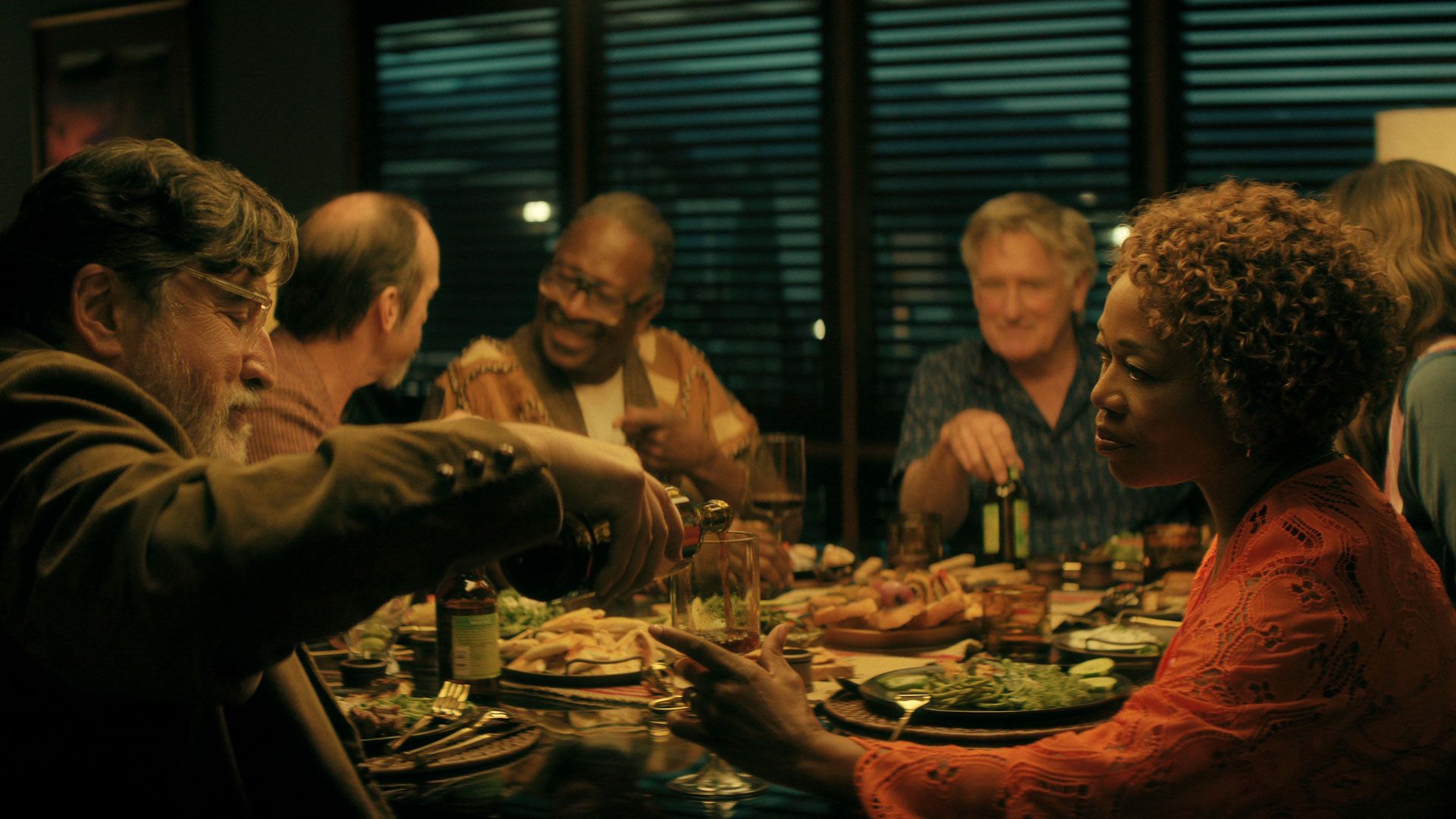
“To the grey rebellion!” It’s a toast shared between the six retirees at the centre of Netflix’s latest sci-fi dramedy offering, but the scene could just as easily have been footage from the show’s wrap party.
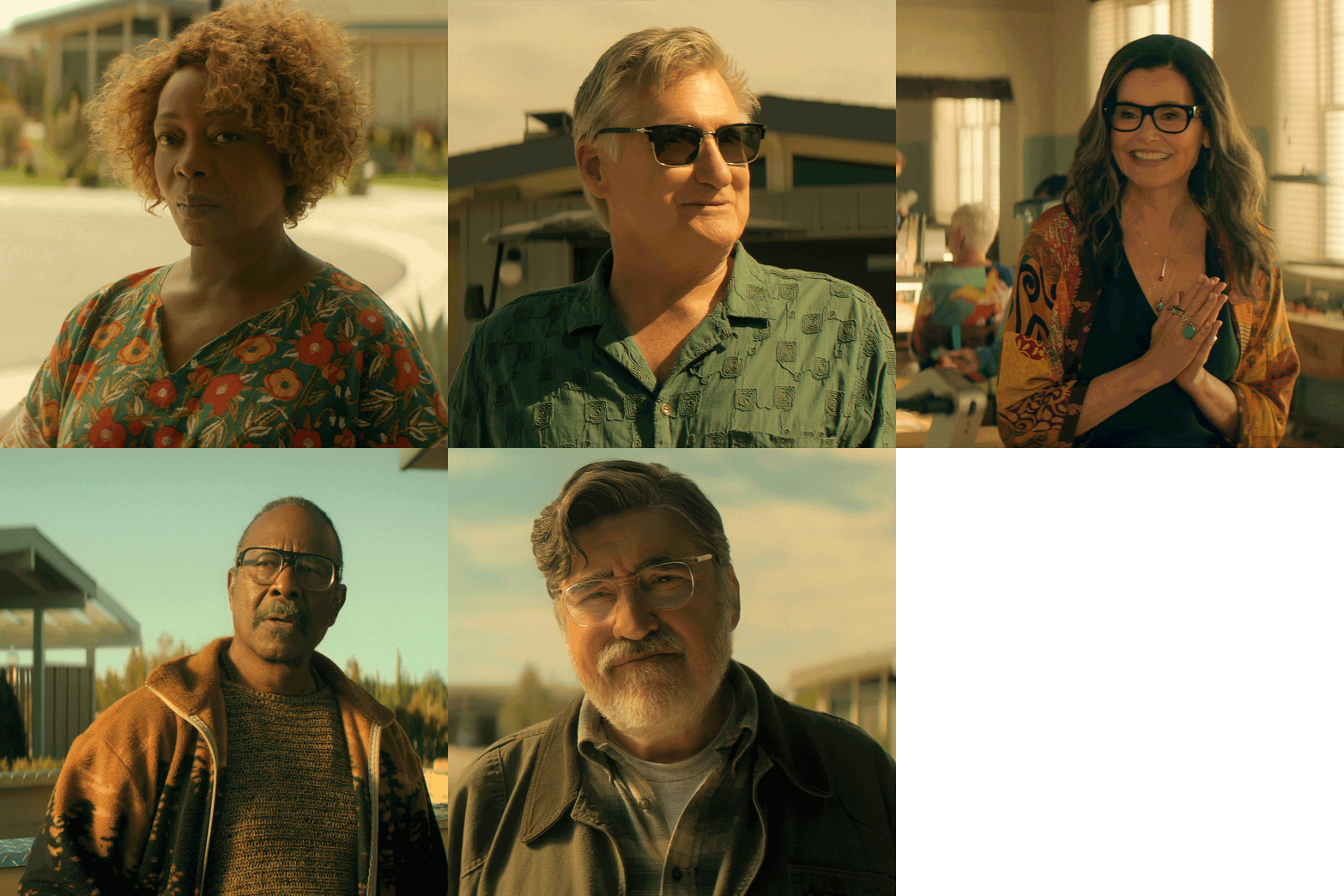
The cast of The Boroughs includes a constellation of septuagenarian stars, including Geena Davis, 70, Alfred Molina, 72, Alfre Woodard, 73, Clarke Peters, 74, and Bill Pullman, 72, as well as the self-professed “baby of the group” Denis O’Hare, who is 64. “It’s so unusual. It’s so unheard of, in most stories if they have an older character, there’s like one,” says Davis during the cast’s group interview with Zoomer. “The stars of this show are all older characters, it’s phenomenal.”
The show represents an intergenerational collaboration not often seen on the small screen. Produced by the Duffer Brothers – the twin talents behind Gen-Z touchstone Stranger Things – the series follows a ragtag group of seniors investigating the sinister and paranormal happenings at their New Mexico retirement home. For many of the cast, the project is a return to their sci-fi roots. Davis’s first foray was The Fly (1986), a cult classic from Canadian director David Cronenberg, while Pullman’s out-of-this-world flicks include Spaceballs (1987) and Independence Day (1996). Not to be outdone, Woodard dipped her toe into the genre at various times in her career, including 1996’s Star Trek: First Contact.
The nostalgic echoes are strong for the viewer as well. With its idyllic retirement community concealing sinister secrets, The Boroughs evokes shades of Cocoon, the Oscar-winning 1985 sci-fi classic set in a Florida retirement home – though this ensemble arguably boasts even greater star power. The experienced cast also reflects a growing affinity for older talent in the genre, from 76-year-old Sigourney Weaver’s recent CGI turn as a teenager in the latest instalment of Avatar to 63-year-old Michelle Yeoh taking on a leading action role in the upcoming Blade Runner 2099.
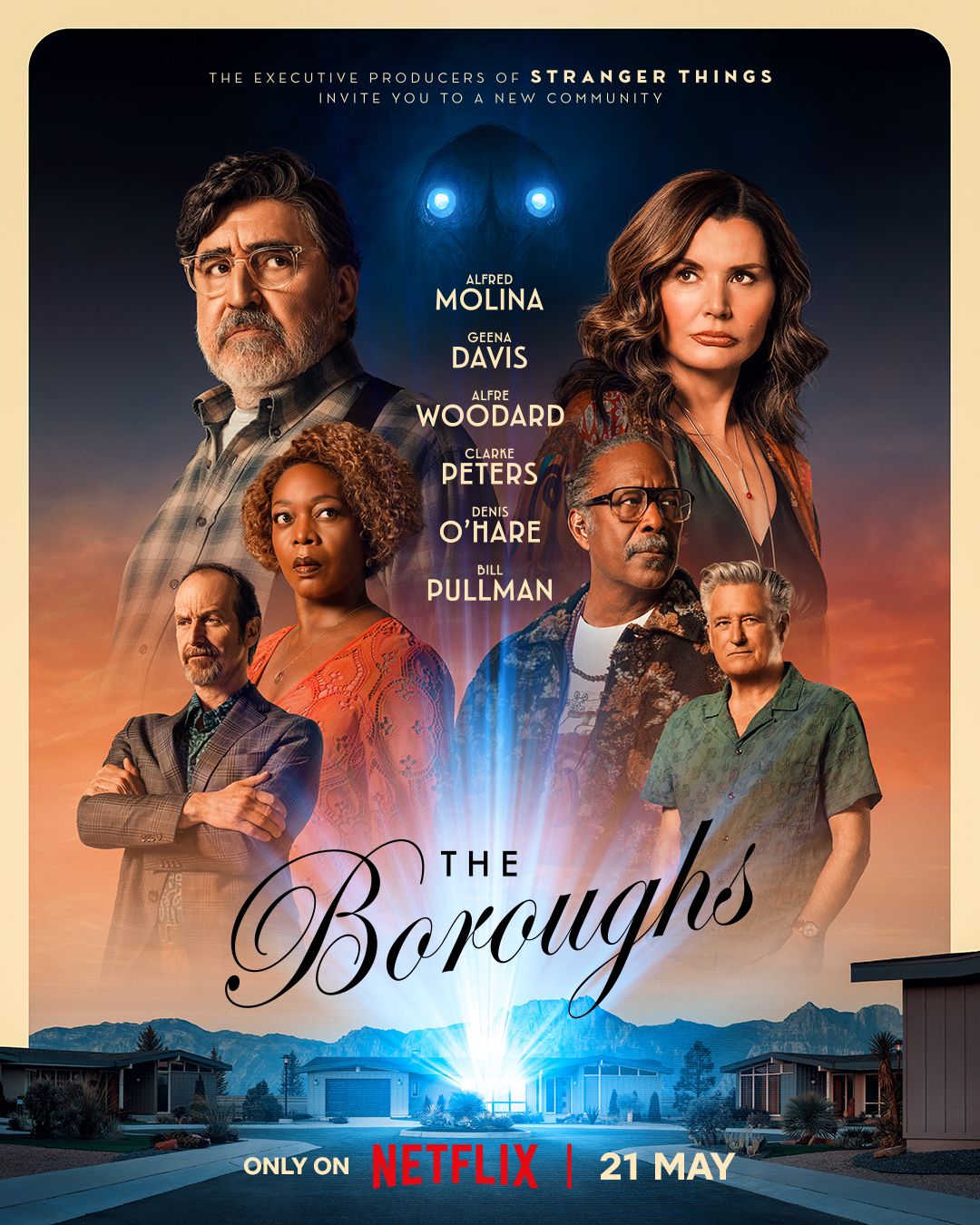
Trendy genres aside, for this cast, the success comes down to chemistry, both onscreen and off – palpable during our chat with them. “I think it’s partly the experience, knowing that everyone’s got your back, and these are actors who have done it before, they know what they’re doing,” says O’Hare, a veteran stage star and character actor you’ve seen in the likes of American Horror Story and The Good Wife. “There’s no learning curve, and you can play. You can play at the highest level.”
“That’s the word, play,” agrees Peters, who played Lester Freamon on HBO’s prestige TV detective series The Wire. “People don’t think that old people play. Playing is for kids, right? Nahhhh, playing is for old actors.”
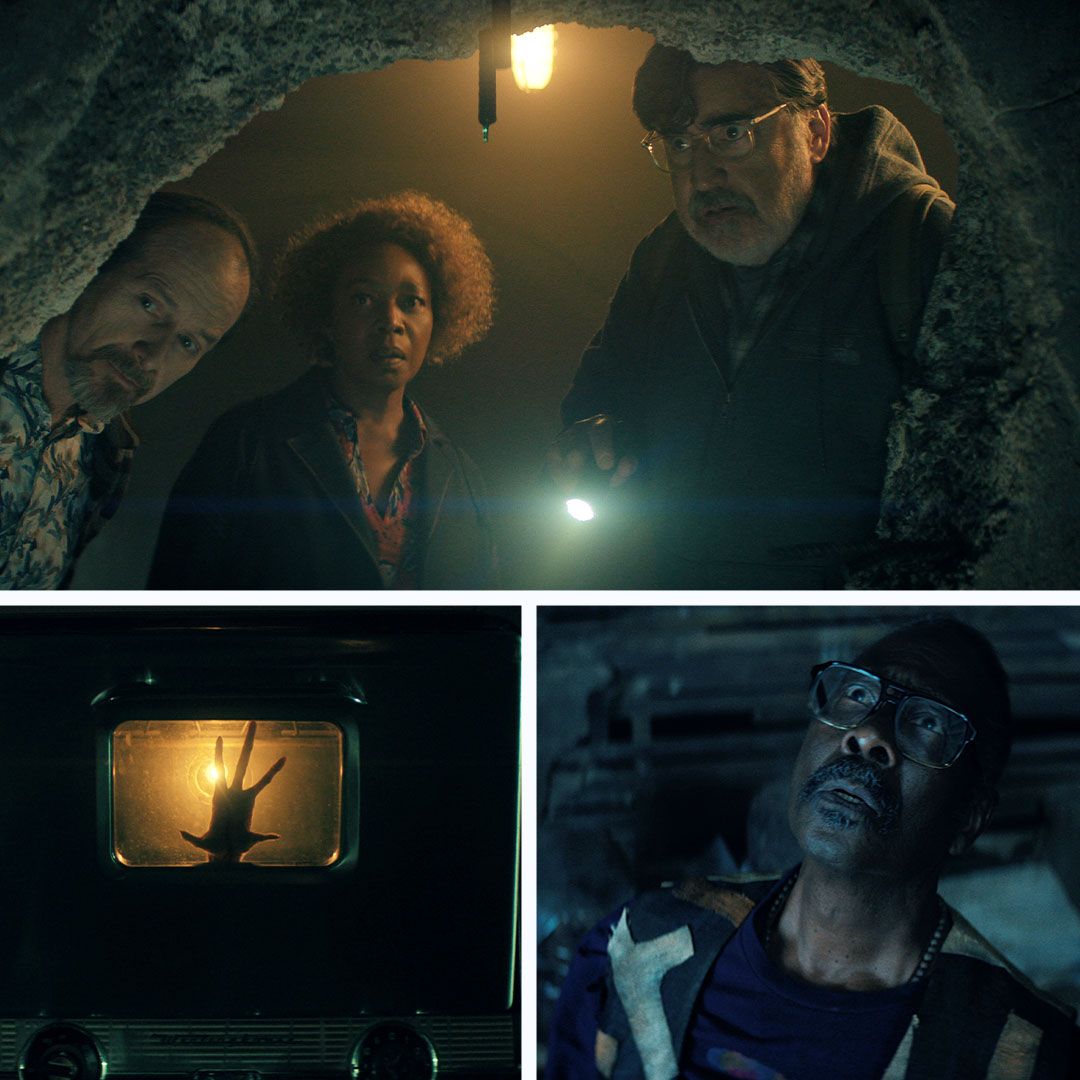
Mixed in with the calamity we’d expect from a group of retirees-turned-monster-slaying sleuths, the show explores many of the challenges that come with the latter stages of life. Molina’s character Sam, a retired engineer, is reeling from the loss of his wife – grief that the actor is familiar with, having lost his spouse of 34 years, Jill Gascoine, to Alzheimer’s disease in 2020. Renee (Davis) is navigating divorce and a new May-December romance; Wally (O’Hare), a retired doctor, is coming to grips with his own mortality; Judy and Art (Woodard and Peters) are trying to find themselves in a crumbling marriage; and Bill Pullman’s Jack just wants to spend his golden years partying.
Here, the cast lets loose in a chat with Zoomer about ageism in Hollywood, why their characters resonated with them and how their decades of combined experience came into play on set.
Zoomer: This is a very unique cast. All but one of you are over 70 and you have a ton of experience between you. What was it like to work on a set like this?
Alfre Woodard: It was really cool because everybody knew the same lyrics. And Jeff [Addiss] and Will [Matthews] our showrunners, really allowed us to talk to them about who we were generationally and infuse the characters even more.
Alfred Molina: They also absorbed all the various realities of a cast of actors all in their 60s and beyond – what we can do, what we can’t do, what’s going to feel comfortable. Everything felt tailor-made and made our job a lot easier.
Bill Pullman: They built up a particularly kind of welcome for us to take risks and feel safe.
Z: Clarke, you talked about having this space to play and explore your character in this series. What was it about this older cast that allowed you to do that?
Clarke Peters: I don’t know about my newfound family here, but sometimes when I’m playing with a younger cast and I’m a little bit slower, I can feel their anxiety. But when you’re with actors who have experienced the same thing, we develop a bit of patience and in doing so it doesn’t waste any time. It allows us to focus and really get the story told accurately, and we start listening to each other, rather than just waiting for the cue and giving a line.
Dennis O’Hare: There are some cases where we’ll take a big pause, something can happen in that pause. A reaction might happen.
Z: In the first episode, your characters have this toast to the Grey Rebellion. Do you feel like you share in your character’s rebellious spirit when it comes to ageism in Hollywood?
Davis: Hell yeah! Absolutely, the funny thing to me about getting older is you’re the same. People look at you differently, but you’re exactly the same as you were. When I was in high school, a freshman, I looked up at the seniors and thought someday I’m going to be like them, like a god or something. Then when I got there, I was, like, “I’m still me.”
O’Hare: And this cast, we’re not all the same age, there’s a variety of ages. So many times, I see shows, especially pretty shows on TV, where everyone is exactly the same age and they all look alike. It’s super boring. If nothing else, variety is more interesting.
Z: All of your characters are facing challenges that come with age, but you also see them striving to find new purpose. What was it about your characters that resonated with you?
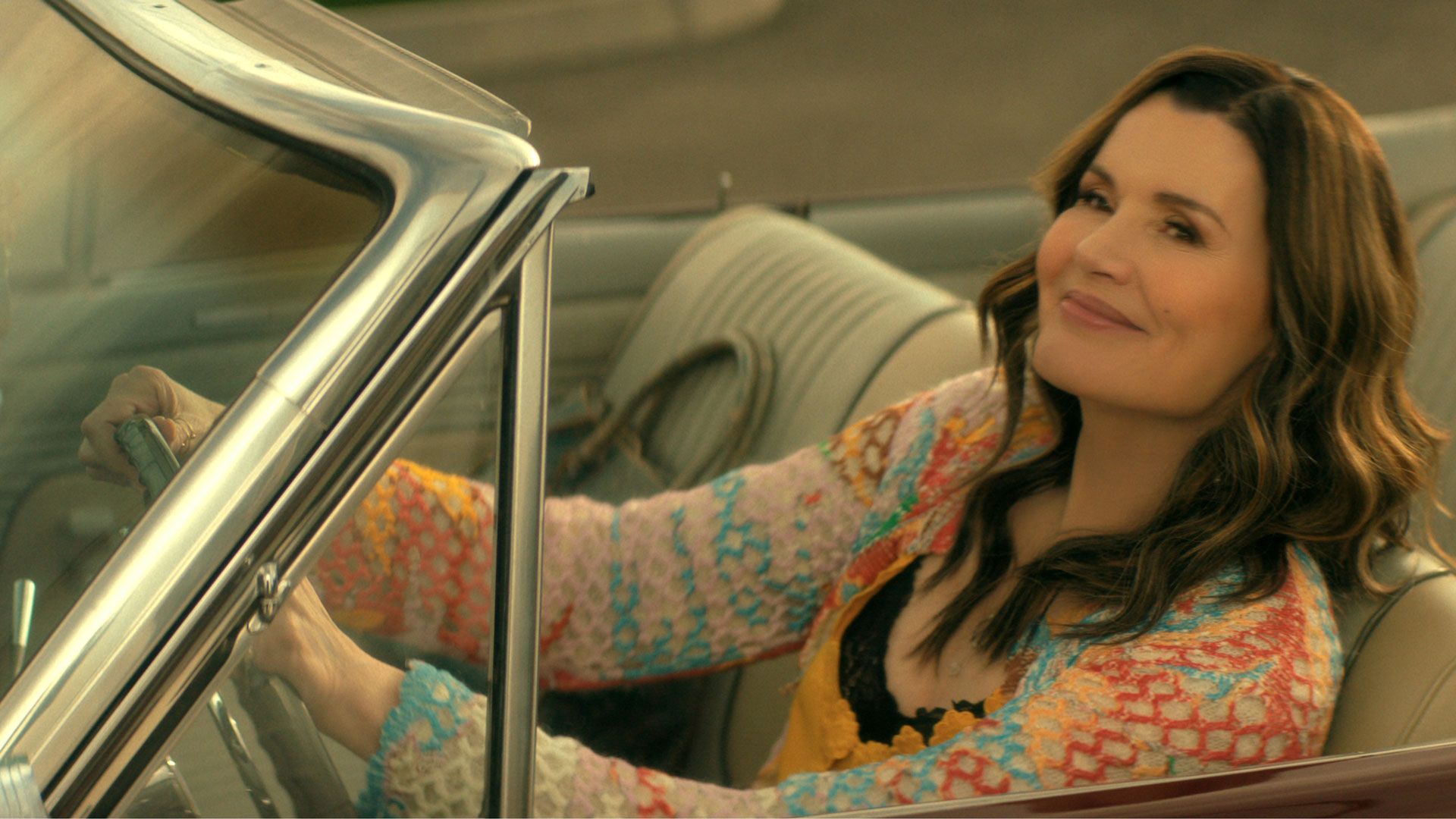
Davis: I admire this character tremendously, because she’s further along than I am in the sense of owning who you are, not compromising and being bold. Saying what you think right then instead of later. So it means a lot to me to practise being somebody like that.
Woodard: I was attracted to her because she was a journalist, but also what attracted me was that it was in the desert. I’m not a desert person, I’m a tie-dyed, Cali person, and I’ve got to smell and see the ocean every day, so I’m always looking for a new experience. And then, I would never live in a retirement community because I don’t even like being in a hotel with people next door to me. So, again, it was like get over it, discover something in there.
Molina: I think it was the degree to which we were able to relate to them. With Sam, his experiences, the reasons for his grief, his whole backstory made complete sense to me because I experienced a great deal of it myself. Oddly enough, I felt entitled to play it. I think that’s one of the advantages and privileges of working into one’s 60s and 70s – you can bring that life experience to the work in a way that illuminates it.
O’Hare: For me, I definitely want my life to have meaning. I definitely don’t feel like I’m doing enough. I was going to be a priest. I was raised with the idea of giving back to the poor and especially to do service. And I don’t feel like I, Dennis O’Hare, do enough service, and Wally has that. He feels like he has not done enough. He has failed in saving specific patients and so he wants to fix that.
Peters: I think we wind up doing that through stories like this. This is satisfying that desire to help, to heal, to change, to alter in a world that is rapidly crumbling even as we speak – morally, spiritually, physically. The wonderful thing about our craft is that you’ll listen. We can tell you a story and we’ll find a way into you – rather than preaching to you.