“Our songs tell stories about teeners,” Brian Wilson said in his first interview with the Los Angeles Times in 1965, “ what they do and what their feelings are. We base them on activities of healthy California kids, who like to surf, hot rod and engage in other outdoor fun…We catch the kids young, about 12, I’d say. Their social life is associated with their music, and as they grow older it has become part and parcel of their frame of mind.”
When I dug up this article after Wilson died on June 11 at 82, I couldn’t believe how well this description fit my dad, Chris Deziel, who died three years ago at age 72. At the time of his death, I didn’t write or deliver a eulogy, I couldn’t think straight. It wasn’t until Wilson was gone that I felt inspired. My dad, a pint-sized kid from Leamington, Ont., was exactly 12 years old in 1963, when the Beach Boys had their first international hit with Surfin’ U.S.A., and from that day forward, the band’s music and the struggles of their visionary songwriter framed his life.
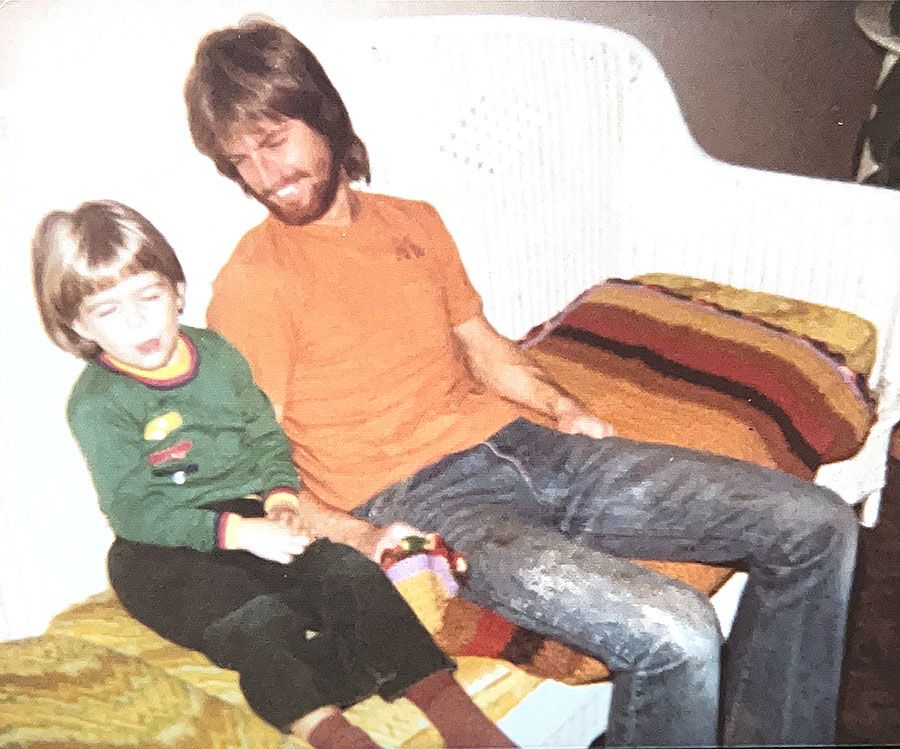
Not only was Chris the target age for songs about California girls, being true to your school and fun, fun, fun, but even Wilson’s more contemplative tunes – like In My Room and When I Grow Up to Be A Man – let him know that someone out there understood his painful home life, where he was ignored by, and at odds with, his adoptive father. “In this world I lock out / All my worries and my fears / In my room / In my room / Do my dreaming and my scheming / Lie awake and pray / Do my crying and my sighing / Laugh at yesterday.” The Wilson patriarch, Murry, was famously cruel and violent. His sons, Brian, Carl and Dennis – who would all go on to form the Beach Boys with cousin Mike Love and friend Al Jardine – often spent their childhoods harmonizing in their shared bedroom to escape their dad’s anger. “I had a room, and I thought of it as my kingdom,” Wilson penned in the liner notes of a 1990 reissue. “And I wrote that song, very definitely, that you’re not afraid when you’re in your room. It’s absolutely true.”
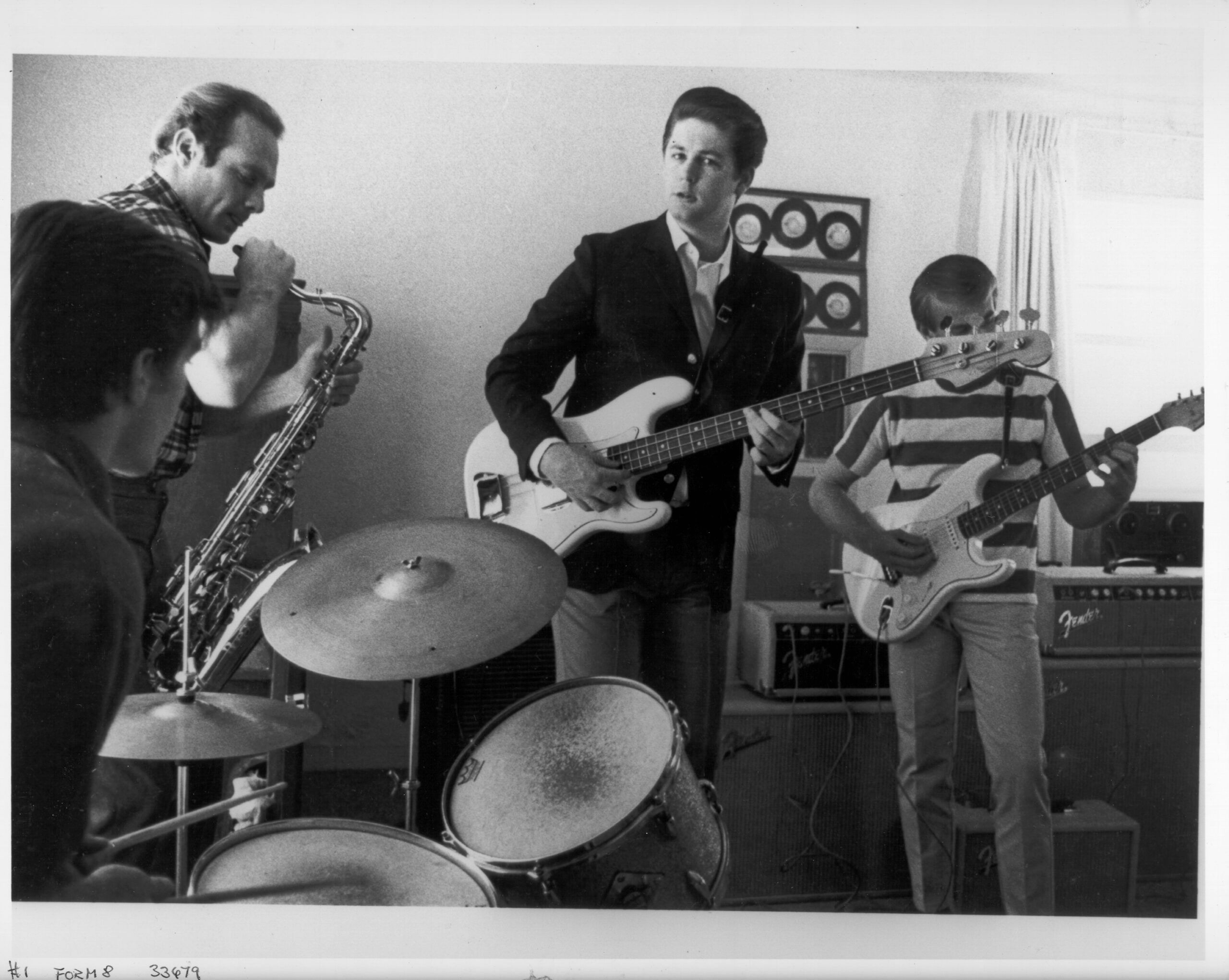
While he may have had a difficult, introspective youth, Brian confidently rode the wave of pop stardom in the mid-60s, pioneering the SoCal sound with songs like Surfer Girl and Little Deuce Coupe and, within just four years, progressed to the genre redefining Pet Sounds album, which cemented his status as a genius. (Pet Sounds, which was inspired by the Beatles’ Rubber Soul, in turn inspired Wilson’s British counterparts to create Sgt. Pepper’s Lonely Hearts Club Band.)
But, sadly, in that short time frame, Wilson was overtaken by mental illness, voices in his head and panic attacks, which touring, fame, competition with the Fab Four, and drugs, especially LSD, only exacerbated. He stopped performing live, pulled away from his wife, Marilyn, and two daughters, Carnie and Wendy, fought with the rest of the Beach Boys and eventually landed in bed, hundreds of pounds overweight, refusing to leave the house. When help arrived it was in the form of a charlatan therapist, Eugene Landy, who controlled Brian and preyed on his fears and vulnerabilities.
And even decades later, when his life was turned around by love (his second wife Melinda Ledbetter helped free him of Landy) and mercy (Carnie and Wendy, of Wilson Phillips fame, reunited with him in 1994), the damage to his psyche and health was painfully evident. He often surrounded himself with musicians who could help bring to life his bursts of music creativity, but you could tell in later interviews and his 2016 memoir, I Am Brian Wilson, he was haunted by the loss of his brothers – Dennis drowned in 1983 and Carl died of lung cancer in 1998 – and by the lifelong conflicting feelings toward his father. In the moving documentary Long Promised Road (2021), he repeatedly uses the word scared, when it comes to being on stage, to talking to reporters, to returning to his childhood home and even in regards to certain songs that he thinks are just too good to exist – and which he worries will awake his competitiveness – like What a Fool Believes by the Doobie Brothers. “It scares the hell out of me,” he says.

Not only did my dad witness Brian’s arc in the moment, he – in a way that befits a small-town Ontario postman rather than a Southern California rock star – walked a similar path. The mind-expanding albums that the Beach Boys and the Beatles were making led him to experiment with the same drugs they were using, all the better to appreciate the music. And like Brian he managed to lose his wife and daughter in the process. When looking for help with the pot-induced paranoia and hermit-like tendencies, he headed out west where a friend brought him to the Los Angeles Church of Scientology. But unlike Brian, who could afford to pay Landy as much as $34,000 a month for 24-hour-a-day “treatment,” Chris ran out of cash after just one weekend of L. Ron Hubbard’s Communication Course. Instead, he went back to Canada to deliver mail, start up a side gig as the town wedding and holiday party DJ (nothing gets a drunken crowd on the dancefloor faster than Help Me, Rhonda.) He found a passion in mountain bike racing (since surfing Lake Erie wasn’t in the cards). And, like Brian, he found love and mercy, moving back in with my mom and I, and having another daughter. And while our parents divorced when he was 50, he found love again, too, with a second wife and our blended families. Together they welcomed six grandchildren, all of whom know the lyrics to I Get Around.
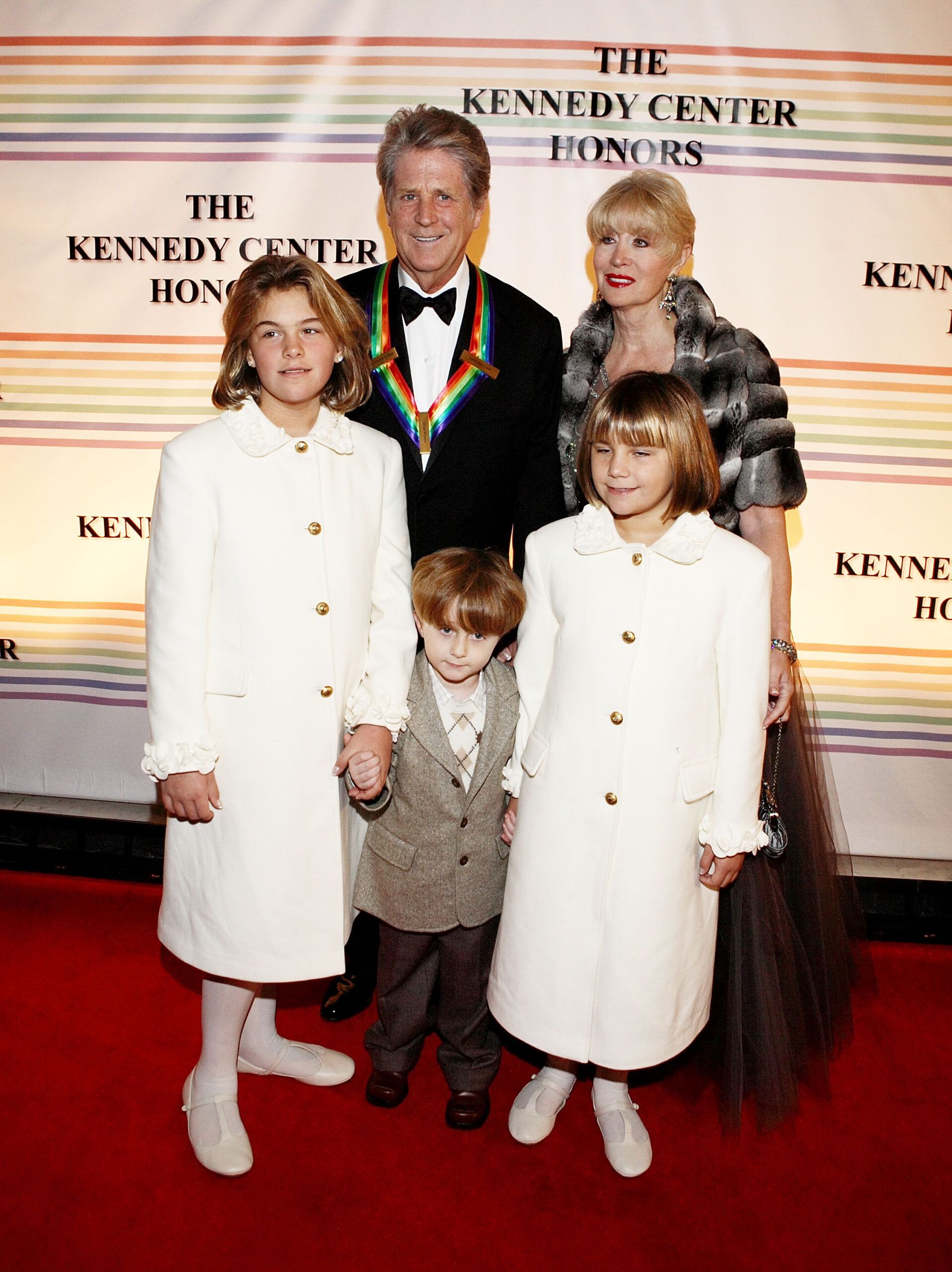
I realize my dad was no musical genius, and the idea of placing him side by side with Wilson would be blasphemous to him. But as a Gen X child of a Boomer, I can’t help but see him more clearly through the lens of his musical heroes, who felt like a living and breathing presence in our family, thanks to impromptu Motown dance parties in the living room, endless grilling about who’s singing lead on Beatles songs, and annual pilgrimages to L.A. to drive through Laurel Canyon, home to Joni Mitchell, Neil Young, the Byrds, etc., before hitting Paradise Cove, where the cover of the Beach Boys debut album Surfin’ Safari was shot. The soundtrack to his youth was the soundtrack to mine and is now the soundtrack to my kids’. They gloss over my generation’s music – Madonna and Prince don’t really resonate and they couldn’t pick Kurt Cobain or Eddie Vedder out of a lineup – but they know that it’s Paul on Let It Be and John on Strawberry Fields Forever and that Brian Wilson gave the world an endless summer.
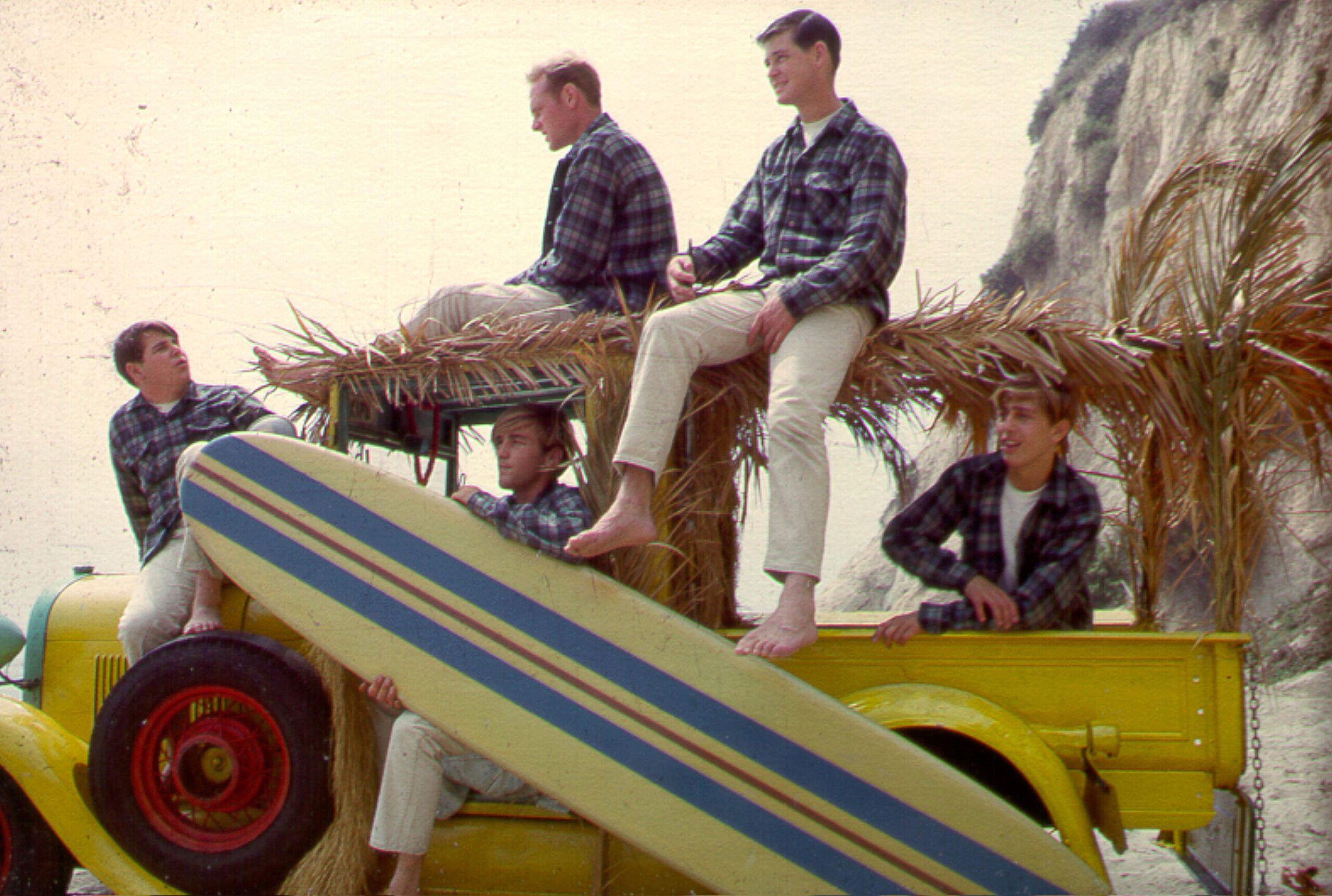
Wilson wrote in his memoir “Music takes what’s inside me and puts it into the world around me. It’s my way of showing people things I can’t show any other way.” Writing these songs, and sharing an appreciation of them, was for Brian and my dad, respectively, their main form of communication and emotional connection – and god only knows where I’d be without them. When I asked my dad to give a speech at my wedding, he countered with “I’d rather be the DJ.” And so he was – pickin’ up the good vibrations, giving us the excitations.
RELATED:
Brian Wilson, Beach Boys Co-Founder and Musical Mastermind, Dies at 82; Tributes Pour In
Good Vibrations: Mike Love Talks Music, Meditation and Touring With The Beach Boys in His 80s
These Middle-Aged Surfers Are Living the Dream and Riding the Waves in Mal Pais, Costa Rica