It’s perfectly normal for your blood pressure to fluctuate throughout the day, but there are a handful of things – some you can control, some you can’t – that can temporarily spike it. And that’s not necessarily a problem, as long as it’s in the stable range most of the time.
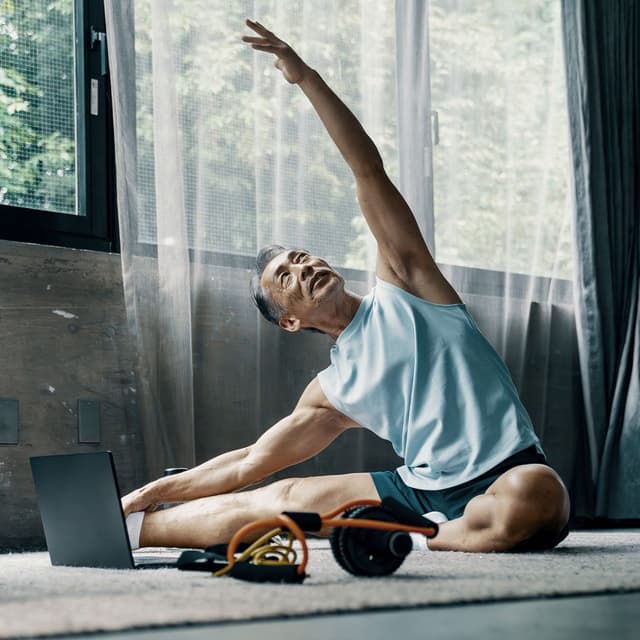
“Blood pressure increases with stress, pain, heat, insomnia and exercise, and decreases with relaxation and sleep, for example,” says Dr. Jesse Bittman, a general internist at the University of British Columbia in Vancouver. “And while some fluctuation is healthy, excessive variability over time is associated with an overall increased risk of cardiovascular events, stroke and kidney disease.” Most of the time, your body can manage a sudden increase in blood pressure, but if you have existing health problems, it’s worth taking note of the triggers that cause yours to spike.
Blood Pressure Basics
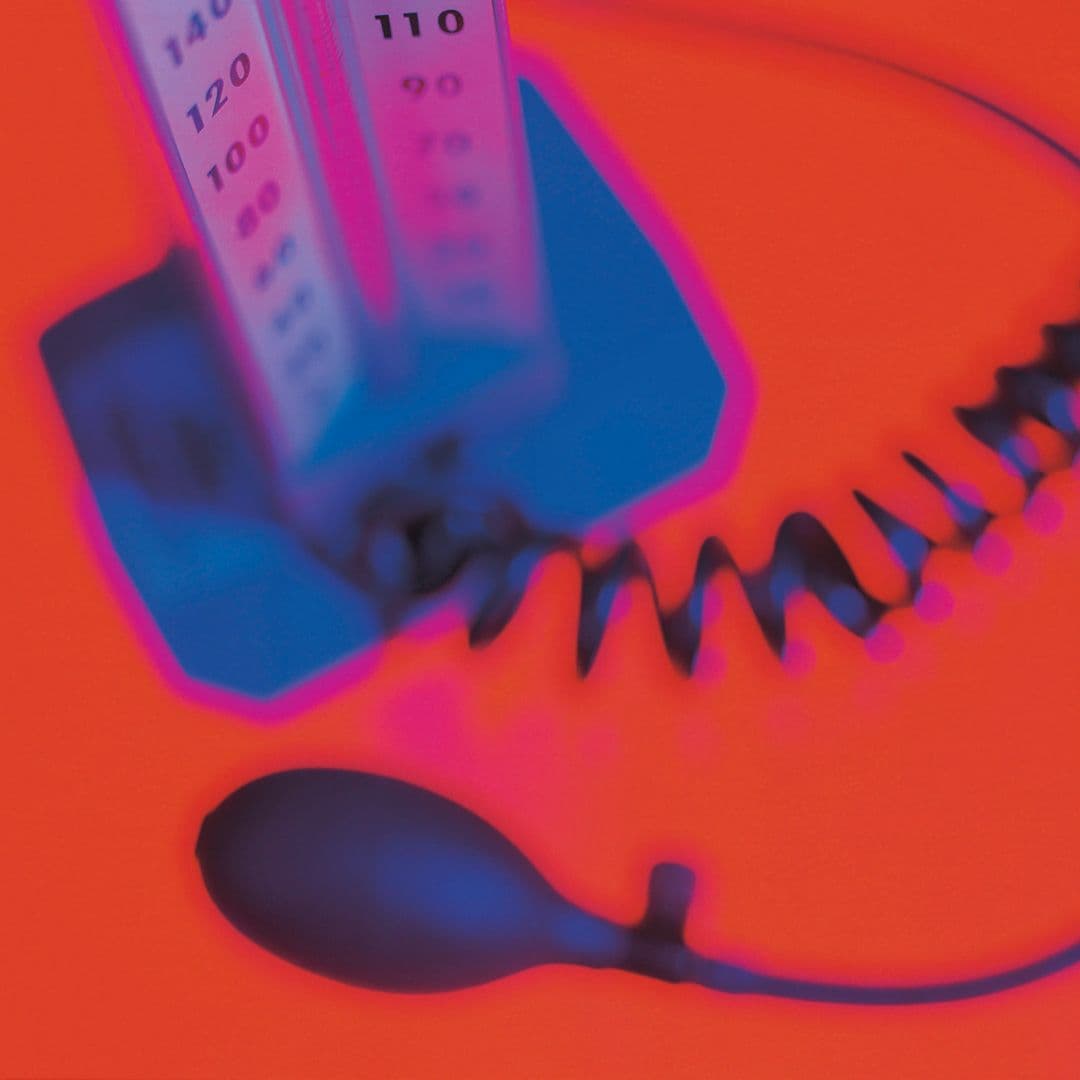
Here’s a quick refresher: the top number of your blood pressure reading is systolic BP (the pressure in the arteries when the heart contracts) and the bottom is diastolic BP (the pressure in the arteries when the heart relaxes). “As we age, systolic blood pressure tends to increase, and our diastolic blood pressure tends to decrease. This reflects the stiffening of the arteries that are unable to expand to accommodate increased blood during contraction of the heart, or recoil and maintain pressure when the heart relaxes,” says Bittman. Hypertension, or high BP, also increases as we age and is a risk for heart disease.
A note about checking your BP at home or at the pharmacy – it’s doable, of course, but there are caveats to consider. If you want to do this at home (monitors are available at BestBuy, Amazon and most pharmacies) you may get unreliable readings because of the device’s accuracy, positioning, technique and cuff placement. Pharmacy readings might not always be correct either, due to calibration issues and improper cuff sizes.
Know Your Triggers
We know stress, anxiety and pain can all increase BP, but those aren’t the only culprits. Bittman says alcohol, salt intake and some recreational drugs can also do it. “People often ask about caffeine, but it only has a very small impact on blood pressure in the amounts people normally drink. If you rarely have caffeine and suddenly have a large amount, you might experience a rise,” he says. Common over-the-counter meds like non-steroidal anti-inflammatories (ibuprofen), decongestants and some herbal supplements can be offenders, as can prescription drugs like stimulants, some antidepressants and hormonal treatments. (Speak to your pharmacist about interactions if you’re concerned.)
Pre-existing conditions also play a role here. “Many conditions will speed the aging of blood vessels that put us at a higher risk of blood pressure spikes. Conditions like high cholesterol, diabetes and high blood pressure can lead to early vascular aging, untreated sleep apnea can cause blood pressure spikes while we sleep, and kidney disease can also increase overall blood pressure,” he says.
What BP Spikes Feel Like
It’s common not to feel spikes at all, but Bittman says some people can experience anxiety, headaches, nosebleeds, light-headedness, chest pain or shortness of breath. “The challenge is knowing if they’re the cause or consequence of high blood pressure,” he says. So, if you’re experiencing new chest pain, difficulty breathing or headaches, see your healthcare provider.
If you recognize a spike but you’re not sure what triggered it, Bittman says routine BP monitoring is the gold standard. When his patients report sudden and significant fluctuations in blood pressure, he has them log their BP a few times a day to see if there’s a pattern in timing, he confirms their medication is being taken as directed and assesses for any other medications or supplements that can be wreaking havoc.
Zoomer Rx
- Spikes when you feel well: If you notice an increase in blood pressure but feel okay, you can rest and relax for five to 10 minutes and recheck your BP. You can then call your health-care provider who manages your blood pressure to let them know and arrange a follow-up, says Bittman.
- Spikes when you don’t feel well: If you’re experiencing new or worsening symptoms like chest pain, swelling or problems breathing, Bittman recommends going to the ER or calling 9-1-1.
- Have your blood pressure checked regularly. If you’re monitoring at home, take your blood pressure while sitting, after five minutes of rest, to avoid spikes due to anxiety or exercise.
- If you’re on blood-pressure meds, the good news is some are especially effective at reducing spikes. “Calcium channel blockers, like amlodipine, and long-acting diuretics, like hydrochlorothiazide, tend to have more effect on reducing BP variability,” says Bittman.