The good news? We made it through that beast of a winter. And with summer heat finally in our midst, ’tis the season to get back to doing all those things we love in the great outdoors. (Friendly reminder: Stock up on SPF, stat.) But not so fast – there’s a caveat here. Jumping right back into those activities as if we didn’t just spend the past several months vegging on the couch rewatching Heated Rivalry isn’t your best bet.
Experts say that while we were hibernating, we likely lost muscle mass and endurance. What’s more, those many months of frigid temps restricted blood flow and thickened the fluid in our joints, which can make us more susceptible to injuries and fatigue once we get moving again. And if all that isn’t enough to slow your roll before hitting the links and trails this season, as we age, we lose three to five percent of our muscle mass each decade. This rate can double after we hit 60. “Less muscle means that you have less strength, which can affect your balance and mobility, as well as the ability to participate in the activities you enjoy,” says Shirin Patel, a registered physiotherapist in Vancouver.
So, while you should take advantage of your renewed motivation to hike, golf, swim, cycle, garden and play tennis, slow and steady is the name of the game – returning to your favourite pastimes too quickly can lead to muscle strains, joint pain and tendon injuries. “Older adults don’t stop doing the activities they love because they ‘get old,’” says Deborah Peddle-Hann, a certified personal training specialist in Fall River, N.S. “More often, they stop because of pain, stiffness, weakness or fear of injury, and that starts to limit what they choose to do.”
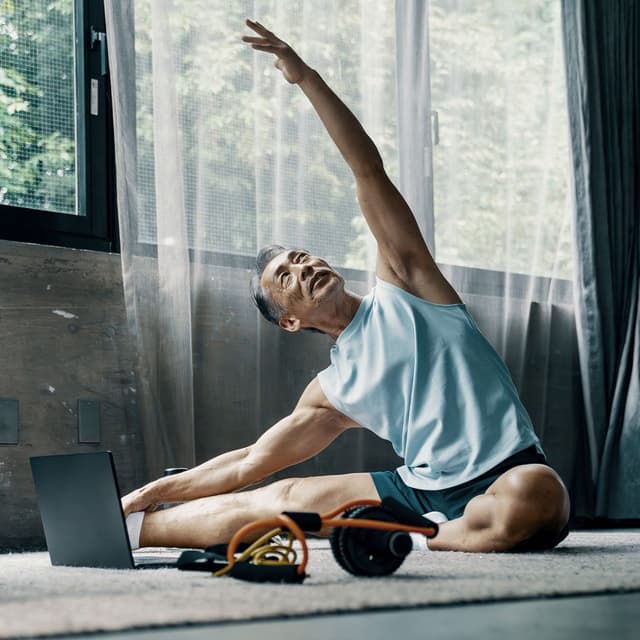
That’s where strength training and mobility exercises come in. “They play a huge role in helping people maintain independence and confidence while continuing to participate in their favourite activities well into later life,” she says, adding strength movements help maintain muscle mass, bone density, joint support and stability, while mobility exercises help keep joints moving well. Both improve posture, reaction time and coordination.
Incorporating mini strength workouts into your daily routine now can make all the difference in your ability to perform and enjoy your chosen sports and hobbies. The six we’ve included below are all easy, safe, low-impact exercises you can do at home without using a lot of equipment. “The research is very robust – there is significant evidence that maintaining strength and mobility as we age extends our longevity, prevents falls, decreases risks for health conditions like heart disease and also boosts our mental health,” says Ashley Cripps, a physiotherapist in Edmonton.
SWIMMING
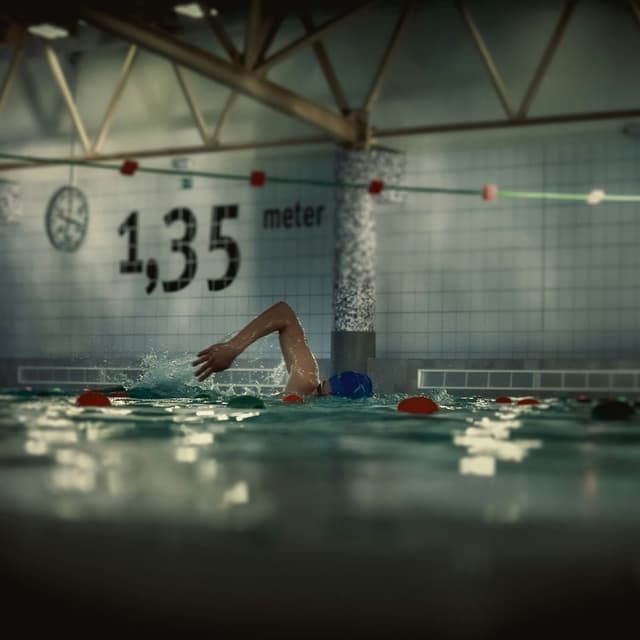
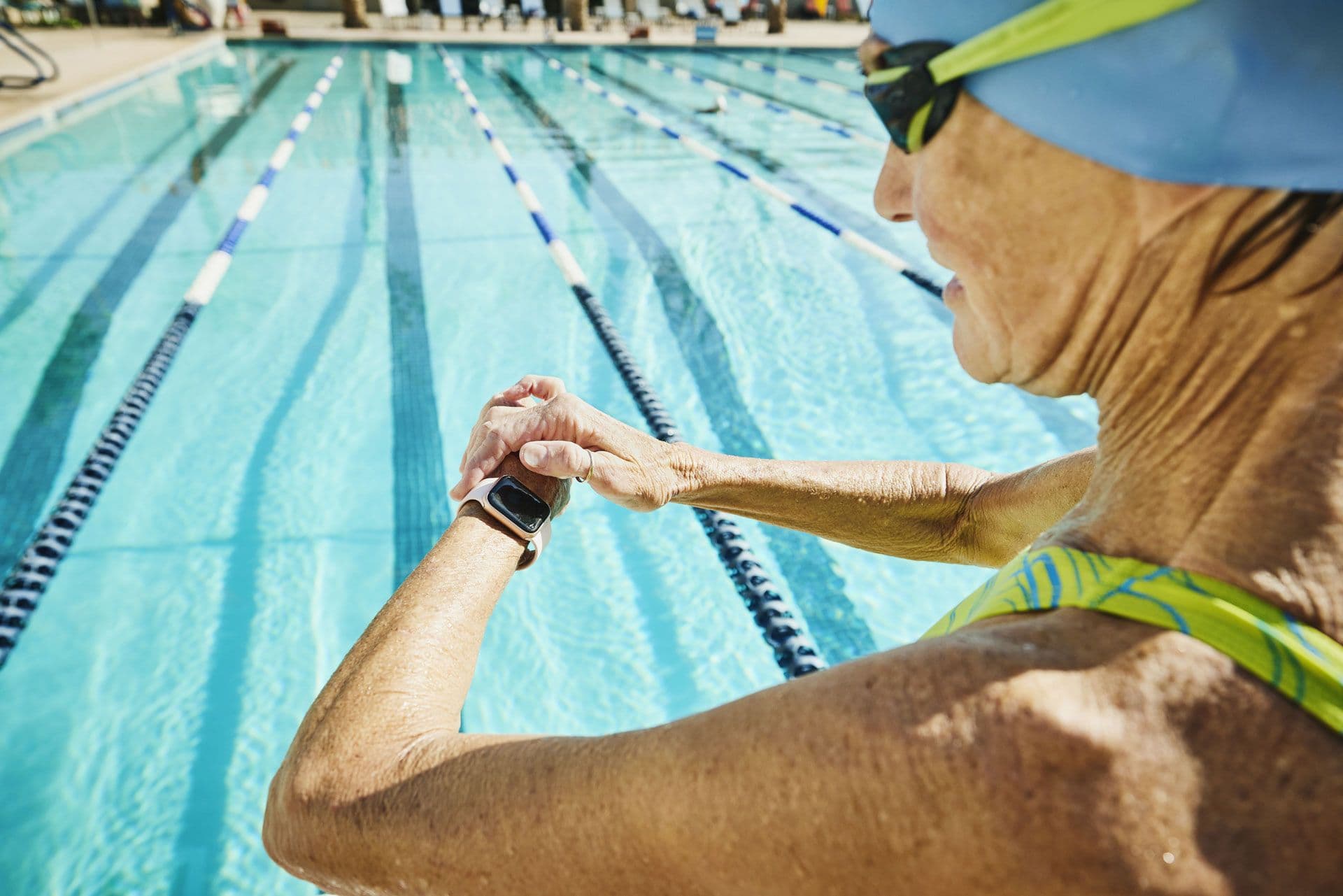
Backstroke, breaststroke, butterfly or just your usual front-crawl laps in a pool on a hot day is a refreshing low-impact workout ideal for everyone, but especially those who have sore joints, arthritis, fibromyalgia, respiratory issues, those who have reduced mobility and people managing chronic conditions like diabetes. It burns a slew of calories, strengthens your lungs, keeps you sharp (some studies suggest swimming has positive effects on our cognitive function). One study published in the journal Menopause found swimming led to an increase in strength and aerobic capacity and reductions in blood pressure and arterial stiffness in postmenopausal women with hypertension.
Exercise: Lat pulldowns. Tie a long resistance band to the top of a closed door. Hold both ends of the band in your hands and take a step back. Bend slightly at your hips and knees. Start with your hands above your head and, while keeping your elbows straight, pull the band toward your hips. Slowly return to the starting position.
How It Helps: “This one works your back muscles, especially your latissimus Doris muscle, which helps pull your arms back and stabilizes your shoulder blade – an important movement for swimming,” says Patel. Strong, stable shoulders are key to help you keep swimming into older age.
PLAYING TENNIS OR PICKLEBALL
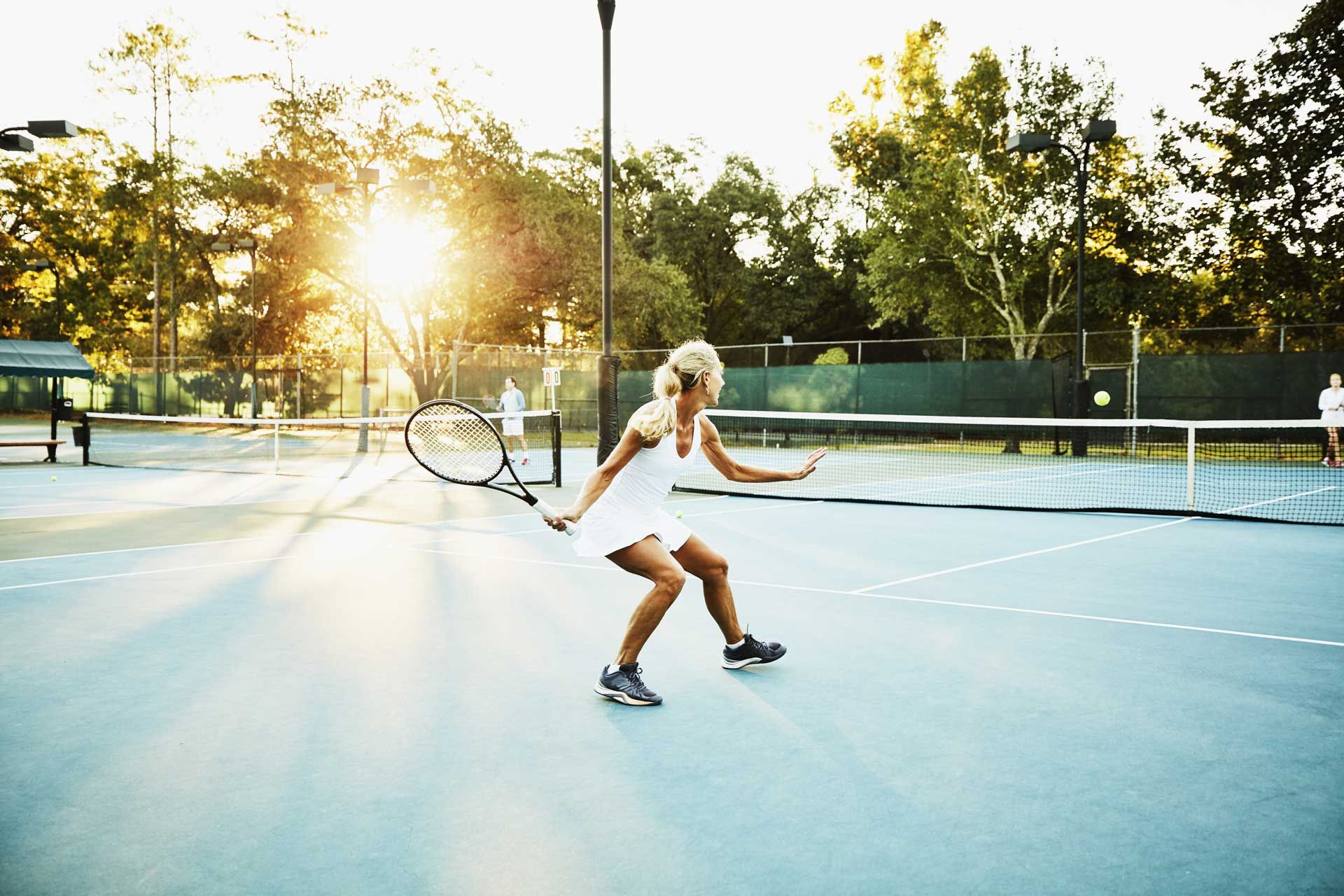
Want to keep that forehand and backhand strong? Well, the ball is in your court, or so they say. Racquet sport offer a host of longevity benefits, from relieving stress and improving heart health, to staying social and living longer. One breakthrough study published in Mayo Clinic Proceedings showed that tennis leads most sports in life expectancy gains. Researchers analyzed more than 8,500 tennis players in Demark for 25 years and found they lived nearly more than nine-and-a-half years longer than those with a sedentary lifestyle, and beat all other sports studied.
Exercise: “Tennis involves constant side-to-side movement, quick directional changes, rotation and reaching,” says Peddle-Hann. Try the lateral lunge with rotation to maintain agility, stability, balance and coordination. Stand tall with feet hip-width apart. Step out to one side into a lateral lunge (pretend you’re trying to sit back in a chair) while keeping the opposite leg straight. Once in the lunge, gently and slowly rotate the torso toward the bent knee side. Rotate back and return to centre. Repeat on the other side for one full set, then do five to six sets.
How It Helps: Get ready to feel it in your glutes, inner thighs, core, quadriceps and stabilizing muscles around the hips. “By maintaining strength and mobility in the hips and core, players are more likely to continue enjoying tennis safely and confidently for many years,” says Peddle-Hann.
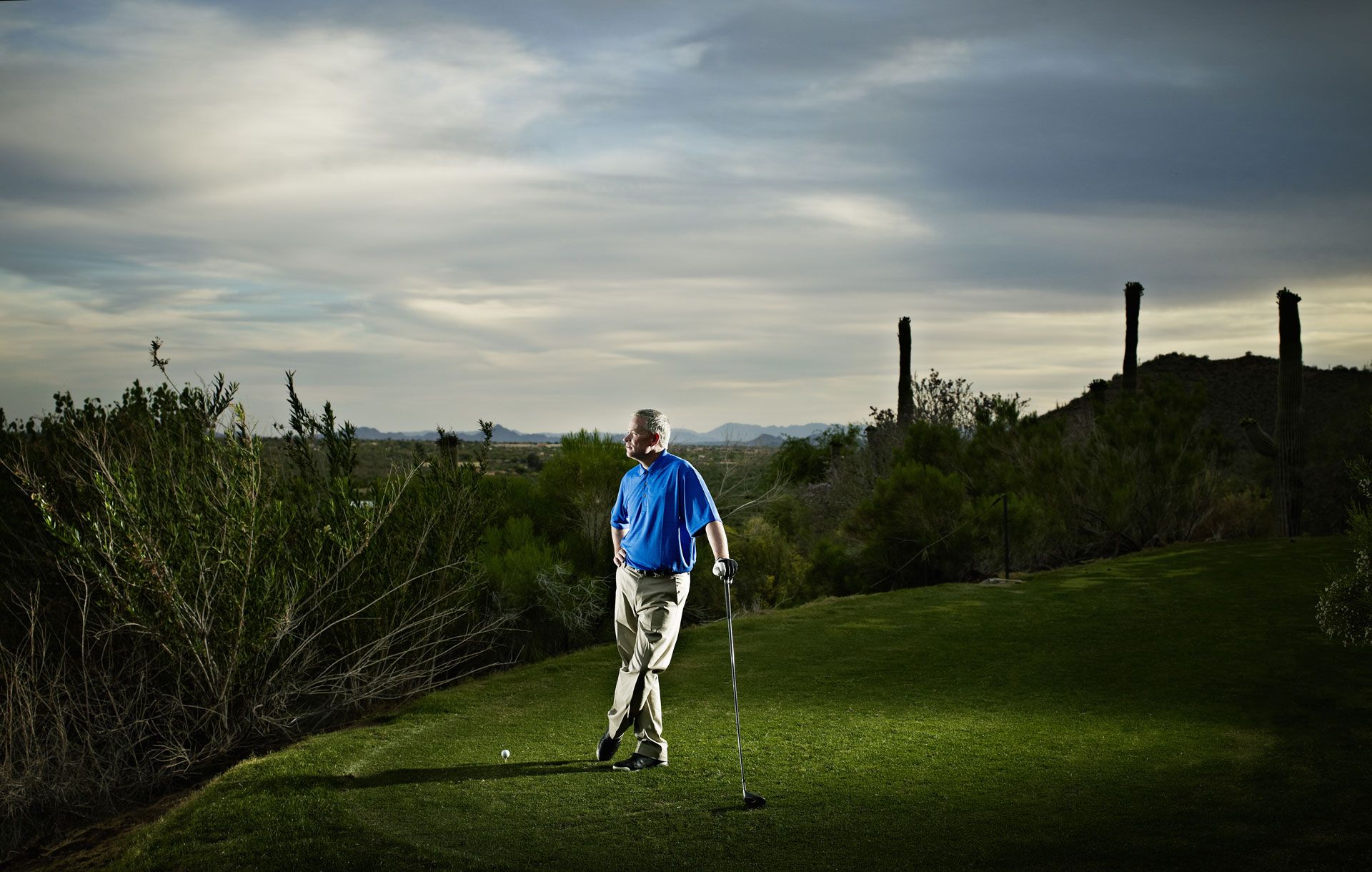
GOLFING
Those who regularly tee off can attest that hitting the links is no easy feat – it takes endurance and energy to put in 18 holes before sitting down with a cold beer. Four hours of walking a course helps lower blood sugar, blood pressure and cholesterol, and the sport is also increasingly recommended for those recovering from stroke and cardiac events (it’s low impact and helps rebuild motor skills). A landmark Scandinavian study that analyzed more than 300,000 Swedish golfers found they have a 40 percent lower mortality rate than non-golfers, which is an increase in life expectancy of about five years.
Exercise: Peddle-Hann recommends the split squat with rotation-and-reach exercise. Start with your feet hip distance apart, with your right foot forward and your left foot back. Hold your arms straight out in front of you at shoulder height (make sure you’re not shrugging your shoulders), palms facing each other. Then, lower into a lunge (go only as far down as is comfortable for your knees) and keep your torso tall. “Slowly rotate the upper body toward the front leg while continuing to reach the arms forward,” she explains. Return to the centre and repeat six to eight times before switching to the other side.
How It Helps: Golfers will agree their swing relies heavily on the rotation through the hips, core and upper body, and this exercise strengthens each part. It also does a number on your legs and glutes, and improves spine mobility. Here’s to more birdies and eagles in your future.
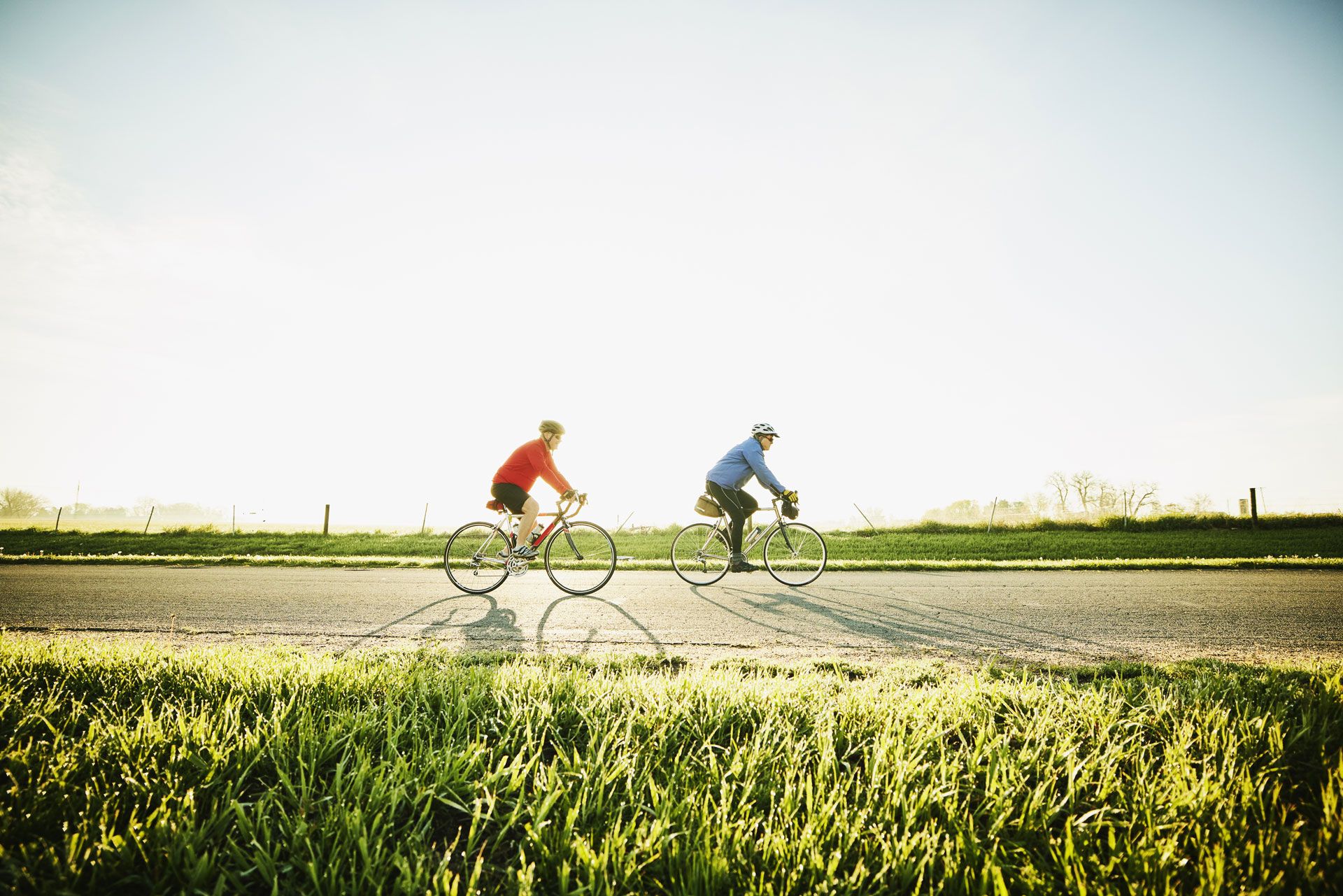
CYCLING
Whether you’re jumping on your bike or have a penchant for spin class, you’re in luck: Plenty of large-scale studies have been done on the many benefits of cycling, including some that revealed just 20 to 30 minutes of daily riding can improve heart health, protect you from diseases (like diabetes, depression, some cancers and obesity) and lower mortality risk. One study conducted by the University of Copenhagen found that cycling to work was as effective as exercising at the gym when it came to losing fat mass. (According to Harvard Medical School, a person weighing 154 pounds (70 kg) can burn about 300 calories during a 30-minute bike ride going about 20 kilometres per hour.)
Exercise: Try the glute bridge. Lay on a flat surface, arms at your side. “I encourage people to start with a glute squeeze, then lift the hips. Hold up for three to five seconds, rest and repeat eight to 12 times,” says Cripps. For a more challenging version, lift one foot off the ground when in the elevated position, so all the work is on one leg.
How It Helps: Pedalling relies on the glutes, but this exercise also helps work the hamstrings, core and quads. “Many cyclists, especially recreational riders, rely too heavily on their quadriceps and may develop tight hips from prolonged sitting on the bike. The glute bridge helps restore muscular balance and improve hip extension, which contributes to smoother, more powerful riding,” she says. It also helps bikers keep riding longer as they age by supporting balance, joint health and posture. “This exercise ensures we remain stable and secure, prevent overuse injuries in the knee and hips and help protect our low back from the prolonged postures of cycling.”
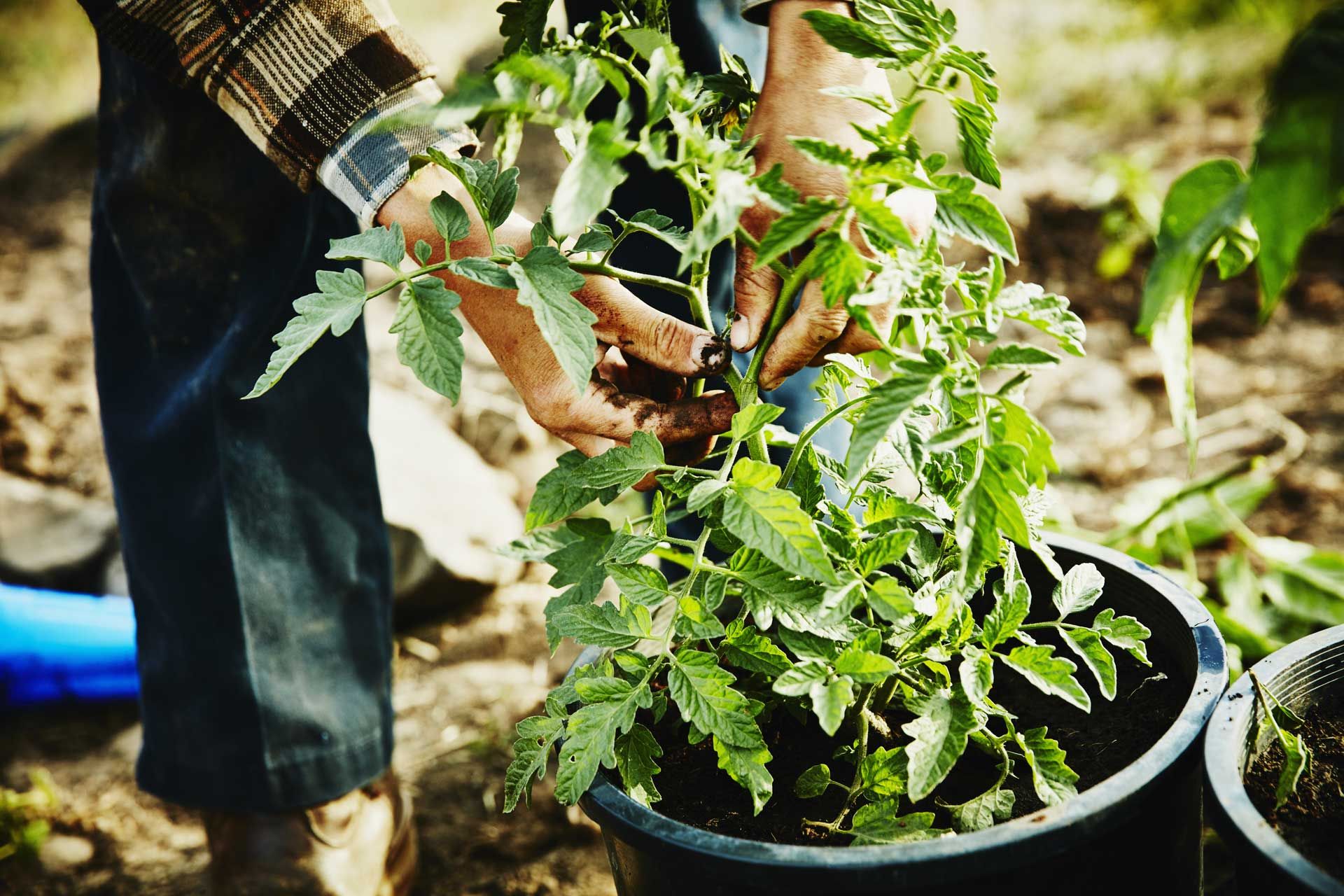
GARDENING
Gardening might seem like a gentle activity, but those with green thumbs know better (all that bending!) – it’s actually full of physical and mental benefits. According to the Harvard School of Public Health, planting, weeding and pushing that wheelbarrow around your yard are all tops when it comes to heart health. Plus, spending time outdoors and connecting with nature does wonders for getting your recommended dose of vitamin D (which helps your immune system and bone growth) and reducing stress.
Exercise: “One of my favourites for gardeners is a sit to stand, which is simple but effective,” says Cripps. Sit forward in a chair and, without using momentum from your core or using your hands to help, move to a standing position. Then, slowly lower back to sitting, again without using our hands or just flopping down into the chair. Repeat eight to 12 times. Cripps says to make it more challenging, try a lower sitting surface or stagger your feet so that one leg is doing more work.
How It Helps: “This exercise is a global powerhouse, working our quads, glutes and core simultaneously,” she says, adding that it mimics the movement patterns we use when getting up from kneeling, crouching near flowerbeds or standing after weeding.” Working these muscles are key because they support bending, lifting bags of soil, standing up from kneeling and maintaining balance on uneven ground. “Strong legs and hips reduce strain on the knees and lower back, which are common trouble spots for avid gardeners. Maintaining lower-body strength is one of the biggest predictors of independence as we age.” For gardeners, this means less risk of falls, reduced joint pain and better endurance overall.
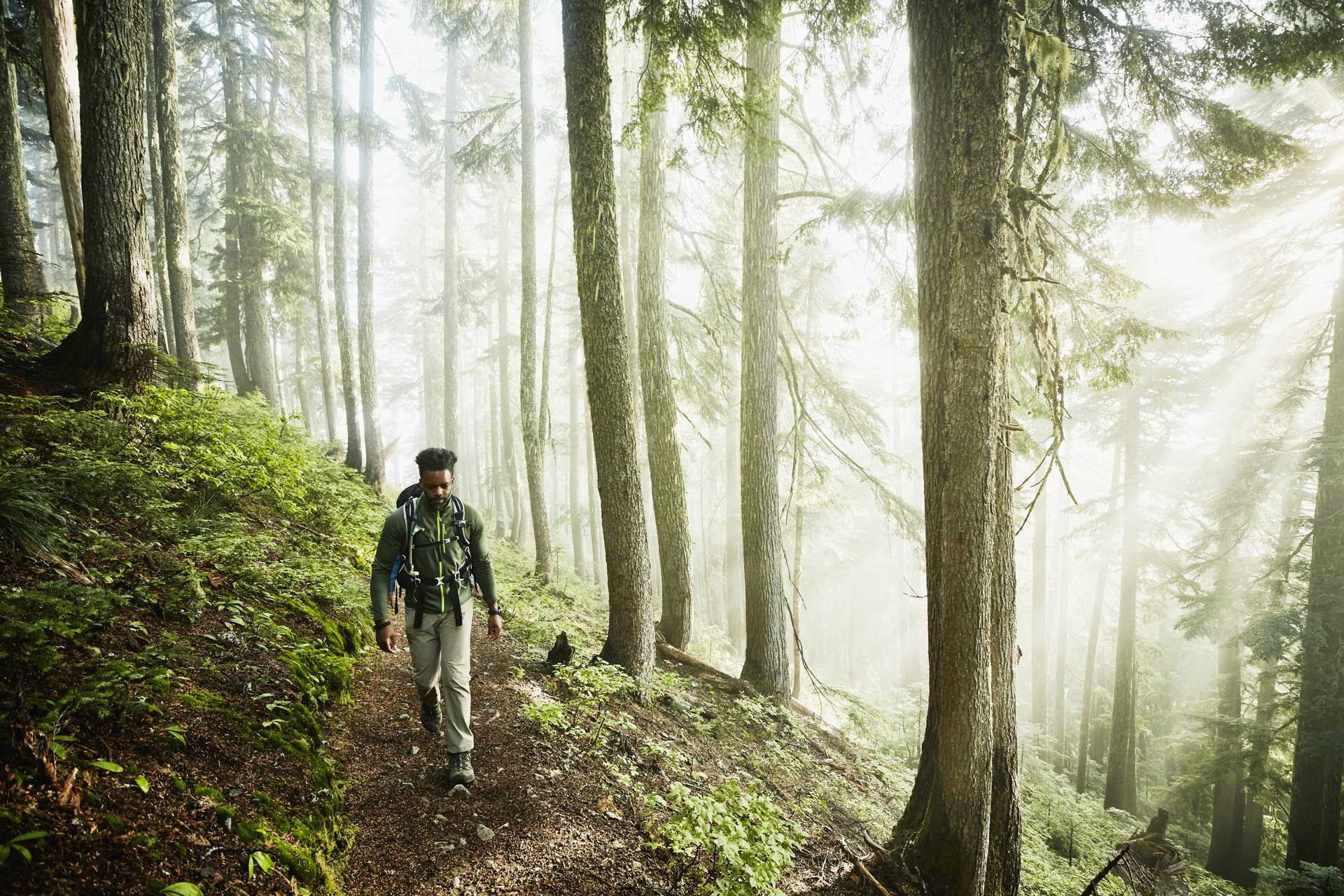
HIKING
Avid hikers, take note: Studies show that long walks are linked to lower blood pressure, they help to lower LDL “bad” cholesterol and are an effective way to lose weight. Hiking is also a weight-bearing activity, so it can increase bone density and cut your risk of osteoporosis. In fact, one study from the University of Washington found it’s even good for those who have osteoporosis – women with the disease who hiked for one hour three days a week increased their bone density by six percent over nine months.
Exercise: Step-ups. Stand in front of a step stool or the bottom stair of your staircase. Place your right foot on top of the step or stair (you can use a wall for balance), then lift your body up, pushing yourself to stand on top of the step, with your right leg. “Try not to push off with your back leg – let your front leg do all the work,” says Patel. Bring your left foot up to meet your right foot. Slowly come back down and repeat 10 times with each leg.
How It Helps: “This works on single leg strength and stability – it focuses on your glute and quad muscles, which are important for going up and down trails,” she says, adding these muscles are also key when it comes to preventing falls.