Caregiving is a wild ride. When my own mother had a cascade of post-surgical medical emergencies a few years ago during the pandemic, I panicked and made a flurry of phone calls with nursing agencies who wanted to lock us into contracts with what felt like dodgy dependability. I then negotiated a wheelchair for my estranged father in a parking lot with a completely random provider I found on the internet, while my father was locked up in a nursing home, also during COVID. It felt like a nefarious transaction, to say the least. At all income and access levels, dealing with emergent senior health issues is murky, dubious and confusing.
I remember thinking that someone ought to do something about this. Well, some people have jumped in to fill the breach. One bright spot is the Myrna Daniels Seniors Emergency Medicine Centre at University Health Network, built at Toronto Western Hospital from a donation of $52 million made in 2022 by John and Myrna Daniels. The centre, thoughtfully designed to accommodate the concerns of an elderly population, boasts multidisciplinary teams and a research and education component to not just reduce admissions for the demographic, but to provide learning for international implementation.
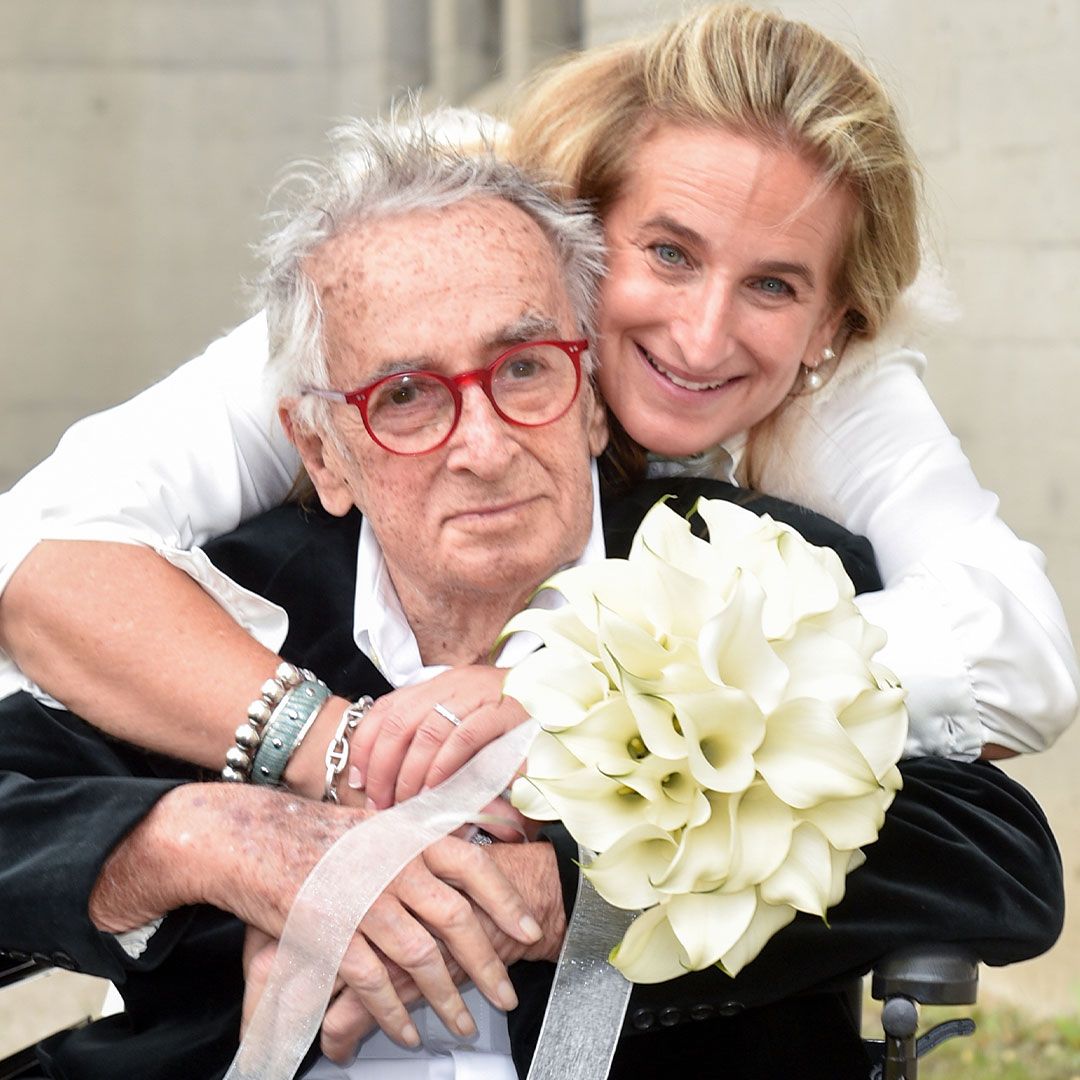
And in other good news, Toronto couple Marcel Zierfuss and Jane Apor have stepped up to help fill the holes for caregivers struggling to cope in a broken system. When Apor’s dad was diagnosed with Lewy body dementia, a progressively debilitating illness, she was thrown off a cliff and into a full-time caregiving role on top of her full-time job. The creative marketing entrepreneur, who has spent her career in the beauty, jewellery and fashion realms, says the “sandwich generation” shift was a shock: “I found myself outside a hospital on the side of the road with him waiting for accessible transport. Then I was suddenly juggling nursing aides and my work and my father’s appointments. I quickly learned about all the holes in the system.”
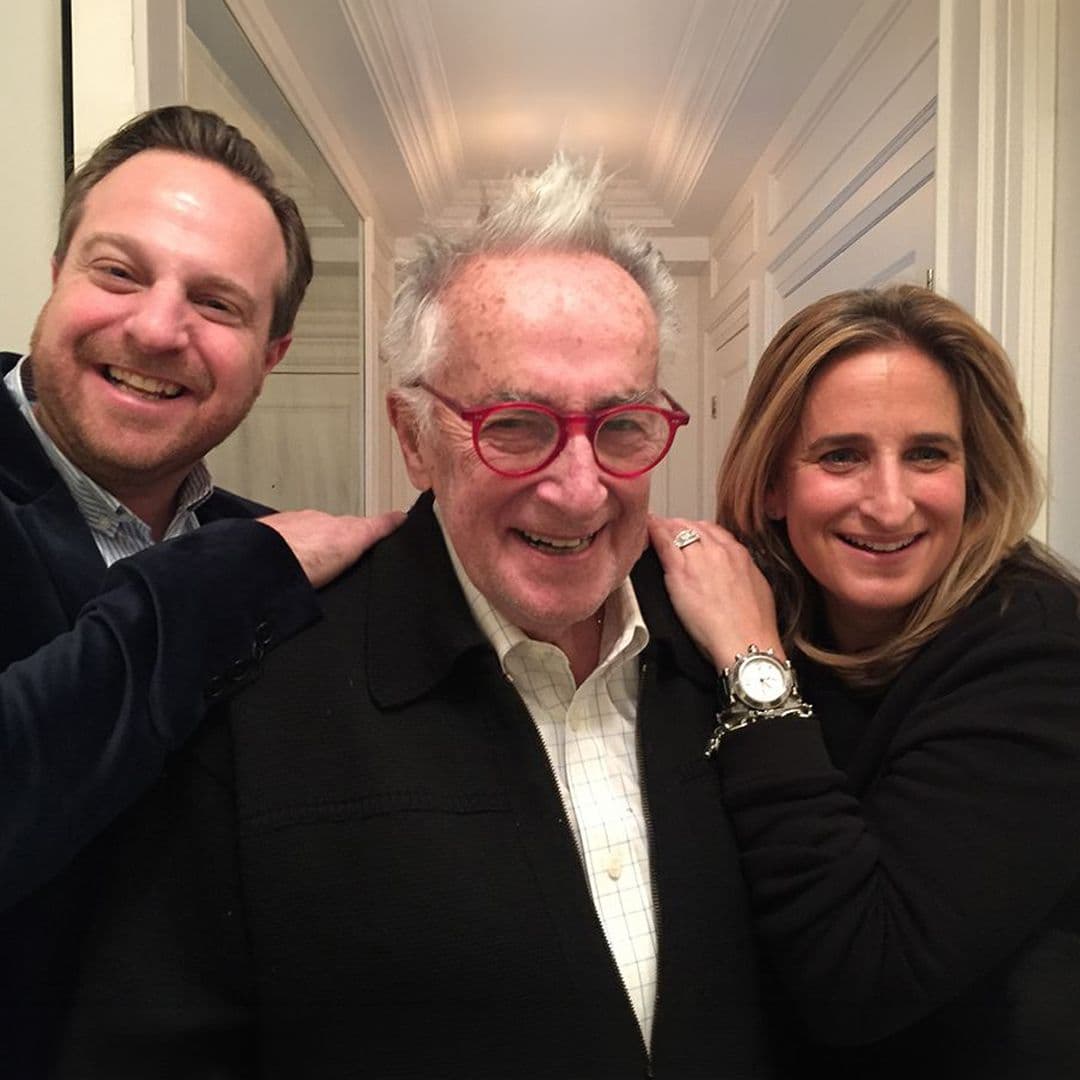
Her father, Gabor Apor, a Budapest-born Holocaust survivor, emigrated to Toronto in 1956 with his sister and $10 sewn into his pocket. He was in his early 30s and worked first as an orderly then, after college, in advertising in Toronto and New York. He became a Liberal strategist (for Pierre Elliot Trudeau and former Ontario premier David Peterson). Immediately identifiable by his signature red glasses and dapper style, he died in 2024 at the age of 87.
The almost seven years of intensive caregiving changed his daughter’s life. Luckily, she was joined in the journey by her husband, Marcel Zierfuss, who saw what she encountered in the wild west of care providers and took the challenge on from a business perspective.
Together, the two founded Good Comfort, a company that helps people navigate the complex world of caregiving. “It was built from personal experience,” says Apor, “Care is a maze. At one point, my dad had to have 24-hour rotating help. That was the real turning point, I needed someone with eyeballs on him 24 hours a day.” Easier said than done, as she found.
Zierfuss figured there has to be a better way to get quality home care. The private agencies they tried offered a transactional staffing model, where caregivers constantly changed and continuity was missing. “They just sent a warm body. They didn’t care about my dad, they didn’t care about me and they certainly didn’t care about the workers.” It became their mission to put the “care” back to actually caring. “If we needed it, obviously other people needed it,” Apor says. Inspired by their experience, Apor and Zierfuss launched Good Comfort in 2023. They have clients across Ontario now, with an ambitious expansion to other provinces in the works. Good Comfort targets a hole in the market: “There are so many pain points in elder care,” says Zierfuss. “We are trying to bring everything under one roof.”
That means a central hub to organize home care with a personal manager overseeing everything from hospital discharge instructions to transport to equipment and home accessibility retrofitting. They will also co-ordinate physio and exercise and nutrition (down to brass-tacks practical concerns, such as shopping and cooking for clients), provide logistical support for snowbirds who need transport and insurance advice, and clients who need care in second homes, say at the cottage. A care manager means someone can respond to emergencies, from a fall to a sudden change in condition that needs referral or evaluation.

But the bread and butter of the operation is in-home caregiver support – the hardest thing for families to organize. Provincial long-term care systems offer limited home care support, which is hard to access and requires waiting time that families often just don’t have. Private options have traditionally been not just very expensive but random; they send out a rotating roster of staff and force clients into rigid contracts. Good Comfort aims to be not just more reactive but proactive, with someone planning ahead for contingencies (and disease progression) before it is needed. This is a bespoke, private care service, not covered by OHIP. Good Comfort Care believes pricing should be simple, transparent, and tailored to a client’s needs. Care starts at $40 per hour, with service options that scale based on the level of support required.
Apor, 51, and Zierfuss, 47, married in 2022, a sweet later-in-life love story that turned into a joint business twist that melded their skills. Zierfuss was an executive for 20 years in the marketing and strategy space, in Europe and Canada. “As a lead strategist for my entire career,” he says, “this caregiving business really challenged me: How do we improve the model?”
As Jane observed with her dad, says Zierfuss, “this industry has been overlooked, it is dated and it is subpar. It is an honour to take care of our parents,” she says, “but it shouldn’t take such a toll on us, it should be easier. I still wanted to be my dad’s daughter. You want the time you spend with your loved ones to be quality time, separate from care.” It is about dignity, in the end. Any reversal of roles in a parent-child relationship is hard for everyone to negotiate. “This is a really worthwhile problem to solve,” says Zierfuss. “Somewhere along the line, care stopped being care, human and relational.”
The couple started their business around finding the best nursing staff and PSAs (personal support assistants who provide mobility assistance, provide meals and keeping a clean and safe environment for patients) and committing to the right fit and consistency of care for clients, as well as reporting back to family. “When I was dealing with my father’s caregivers,” says Apor, “I would get left little scraps of paper, if I was lucky, to piece together what happened in his day.”
The next frontier for Good Comfort is remote-care monitoring, a twist on the “I’ve fallen and I can’t get up” pendant. Their model is to use sensors (no cameras, for privacy), to tell if patients are sleeping well, and that they haven’t been injured. “The goal is seamless updates and services,” says Zierfuss.
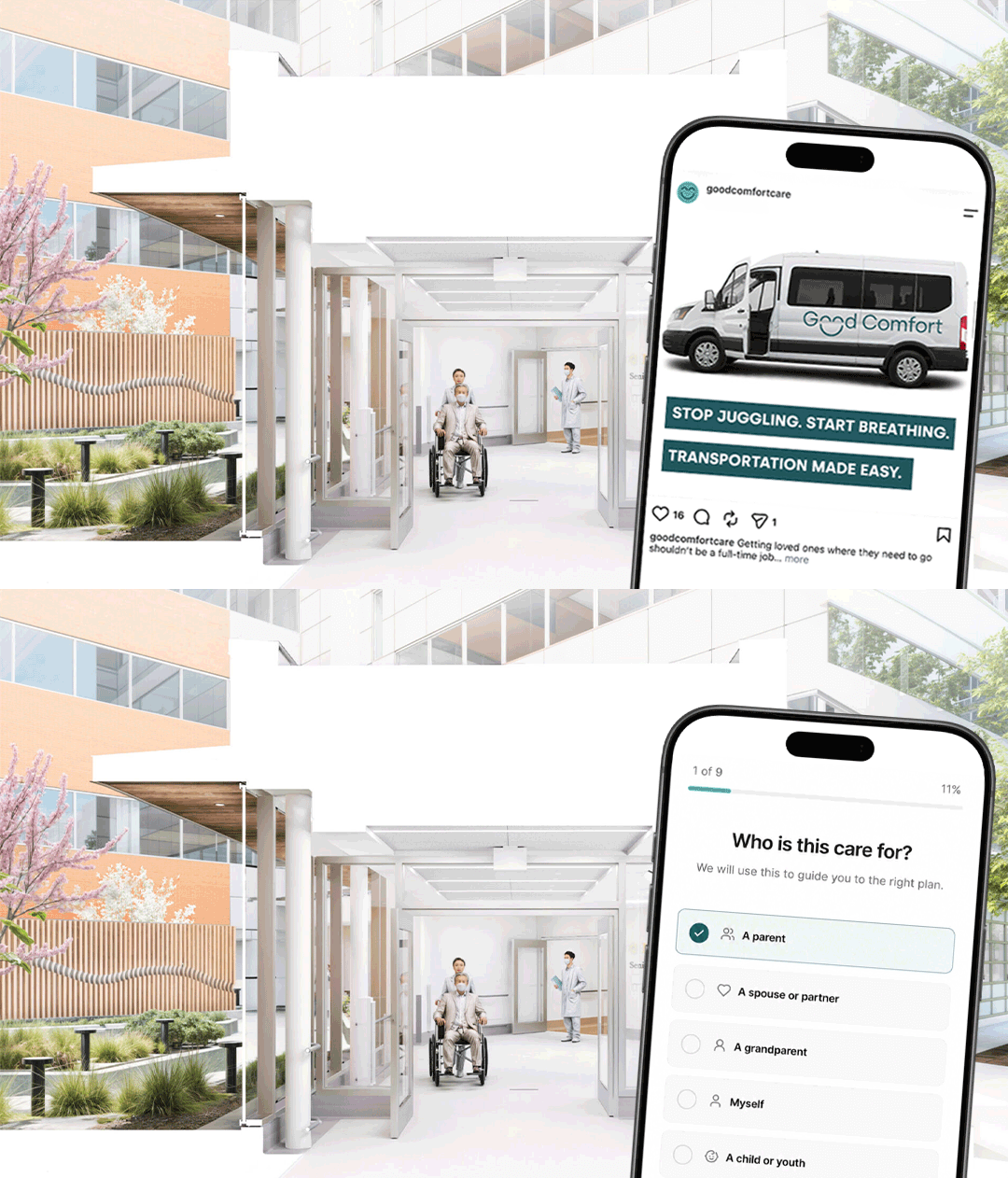
There is an interactive portal for patients and caregivers that works as a liaison between health-care professionals. “That is something we have streamlined for clients, making sure all data is centralized.” Then there is transportation: if you have ever waited, like Jane did with her father, for an accessible vehicle, you know how valuable Good Comfort’s fleet of transport vans would be.
Indeed, the sweetest symbol the brand is the name on the side of its transport vans. “It reads Gabor the Hungarian tank,” says Apor – a fitting tribute to her father, a legendary marketer who inspired the next generation of marketers to take a stab at revolutionizing the senior home care industry.