We didn’t see it coming. The news that Robert Redford died in his sleep at his mountain home in Provo Canyon, Utah, on Sept. 16, seemed to come out of nowhere. There was no drama, no tragedy; he was 89. And he made his exit with the quiet grace that seemed to define him. But now, with the deepening sadness of his loss and the avalanche of tributes, the immensity of Redford’s legacy begins to sink in. When you try to measure it, the usual yardsticks don’t apply. Starring in 48 movies over a 65-year career, Redford never won an Oscar for acting and got just one nomination, for The Sting in 1974. He went on to win Best Director for Ordinary People (1980), the first of 10 films that he directed. And in 2002, as the Academy scrambled to catch up to his accomplishments, they gave him an honorary Oscar “as actor, director, producer, creator of Sundance, inspiration to independent and innovative filmmakers everywhere.”
That doesn’t begin to sum up the man. Redford blazed a singular trail through Hollywood, and out of it, that left an enduring mark on the landscape of American cinema and culture. But beyond a lifetime of accomplishments, what lingers in the memory is his character – the integrity that he embodied on screen, that suffused the films he directed, and guided his behaviour as a reluctant star who leveraged his celebrity to nurture indie cinema at the Sundance Institute and to voice his passion for protecting the environment and fighting social injustice.
The stardom of a screen idol, the kind that turns an actor into an icon, is a blinding light. It’s hard to know where it comes from and how it works. It can’t be manufactured by a studio. You have it or you don’t. Redford was blessed with it – and got stuck with it. He was routinely underestimated as a serious actor; he was too good-looking. Early in his career, he was the first to admit that his beauty got in the way, while claiming to be oblivious to it. “I never thought of myself as a glamorous guy, a handsome guy, any of that stuff,” he told the New York Times in 1974. “Suddenly, there’s this image. And it makes me very nervous because it keeps people from judging you on performance.” Even as he matured, Redford couldn’t hide his charisma behind a character. And what would be the point? He wasn’t cut out to be a chameleon. He was the kind of movie star who is essentially the same guy no matter what the role. But even as he was branded as the rugged archetype of the blond, blue-eyed, square-jawed dreamboat, he made himself at home in a staggering range of genres – while rewriting the rules of male heroism and sex-appeal, in ways that had an influence far beyond his career.
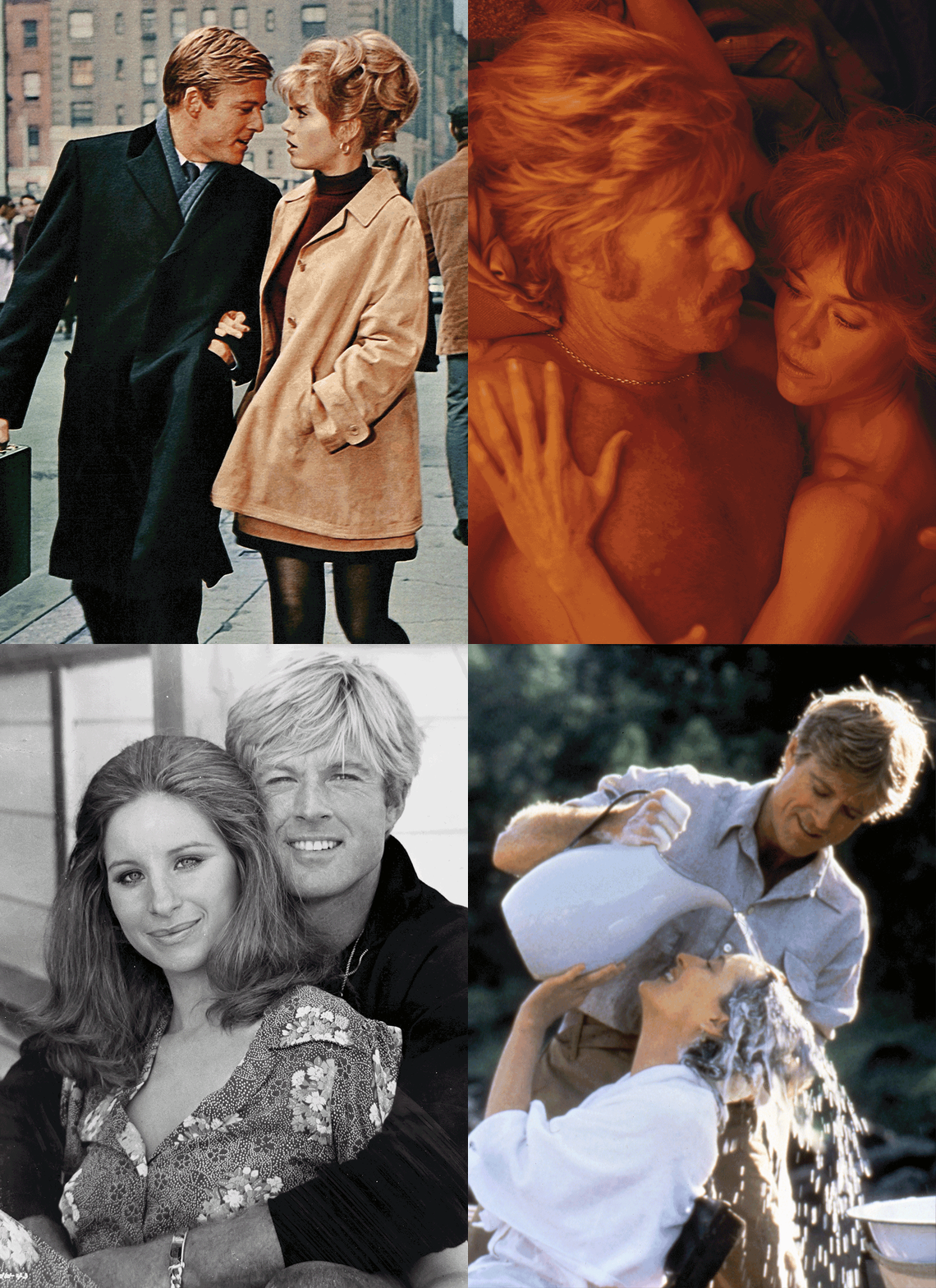
As a romantic lead, Redford served as an object of desire for a succession of formidable heroines, such as Jane Fonda in Barefoot in the Park (1967), Barbra Streisand in The Way We Were (1973) and Meryl Streep in Out of Africa (1985). He may not have been God’s gift to women, but he played sensitive, charming men who know how to listen. And among the tributes after his death, some of the most rapturous words came from Fonda, Streisand and Streep. “I can’t stop crying,” said Fonda, who made four movies with Redford. “He meant a lot to me and was a beautiful person in every way. He stood for an America we have to keep fighting for.” Streisand called him “charismatic, intelligent, intense, always interesting – one of the finest actors ever.” For Streep, he was “a lovely friend … one of the great lions has passed.”
Equally adept in both comedy and drama, Redford was also an equal opportunity partner, scoring two of his biggest successes in bromances opposite Paul Newman – as a western outlaw in his breakout buddy movie, Butch Cassidy and the Sundance Kid (1969), then as a con man in the caper comedy of The Sting (1973). George Roy Hill, who directed both The Sting and Butch Cassidy, once described Redford as an instinctive actor who “never intellectualizes.” While Newman would “talk a scene to death,” he said, “Redford would stand there and squirm during all the intellectualizing.” Redford was a jock among Hollywood stars. While he was never molded into an action hero, he was an intensely physical performer, whether taming a wild animal in The Horse Whisperer (1998), cracking a home run in The Natural (1984) or hurtling down a mountain in Downhill Racer (1969).
But as he hit stride in the mid-1970s, Redford made two political thrillers, Three Days of the Condor (1975) and All the President’s Men (1976), that revealed an actor with untold depths of intelligence and gravitas. Based on the book by Washington Post reporters Bob Woodward and Carl Bernstein that exposed the Watergate scandal and ended Richard Nixon’s presidency, All the President’s Men had a huge impact, and is arguably Hollywood’s most faithful depiction of investigative journalism.
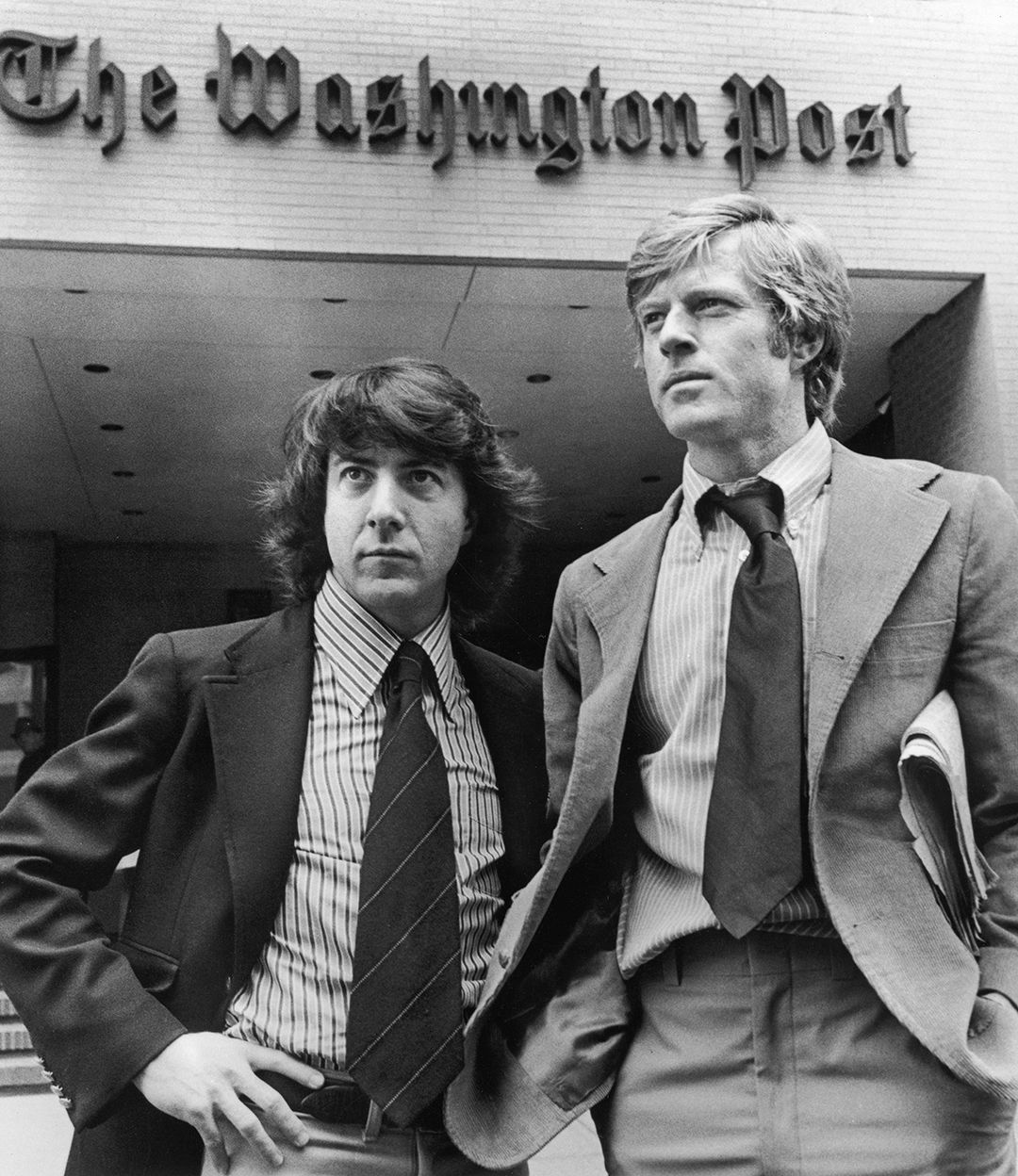
Paired with Dustin Hoffman as Bernstein, Redford portrayed Woodward with an authenticity that helped forge a lifelong friendship between them. The actor became involved with the authors while they were in the thick of writing their book – and had an influence on it, according to Woodward.
In a statement on X commemorating his friend, Woodward wrote: “Robert Redford was genuine, a noble and principled force for good who fought successfully to find and communicate the truth. Over 50 years of friendship, he always said what he was going to do and then did it. He urged Carl Bernstein and myself to tell the Watergate story through the eyes and experiences of our reporting and the relations between the two of us. That resulted in our book All the President’s Men and later the movie in 1976. His impact and influence on my life cannot be overstated. I loved him, and admired him – for his friendship, his fiery independence, and the way he used any platform he had to help make the world better, fairer, brighter for others.”
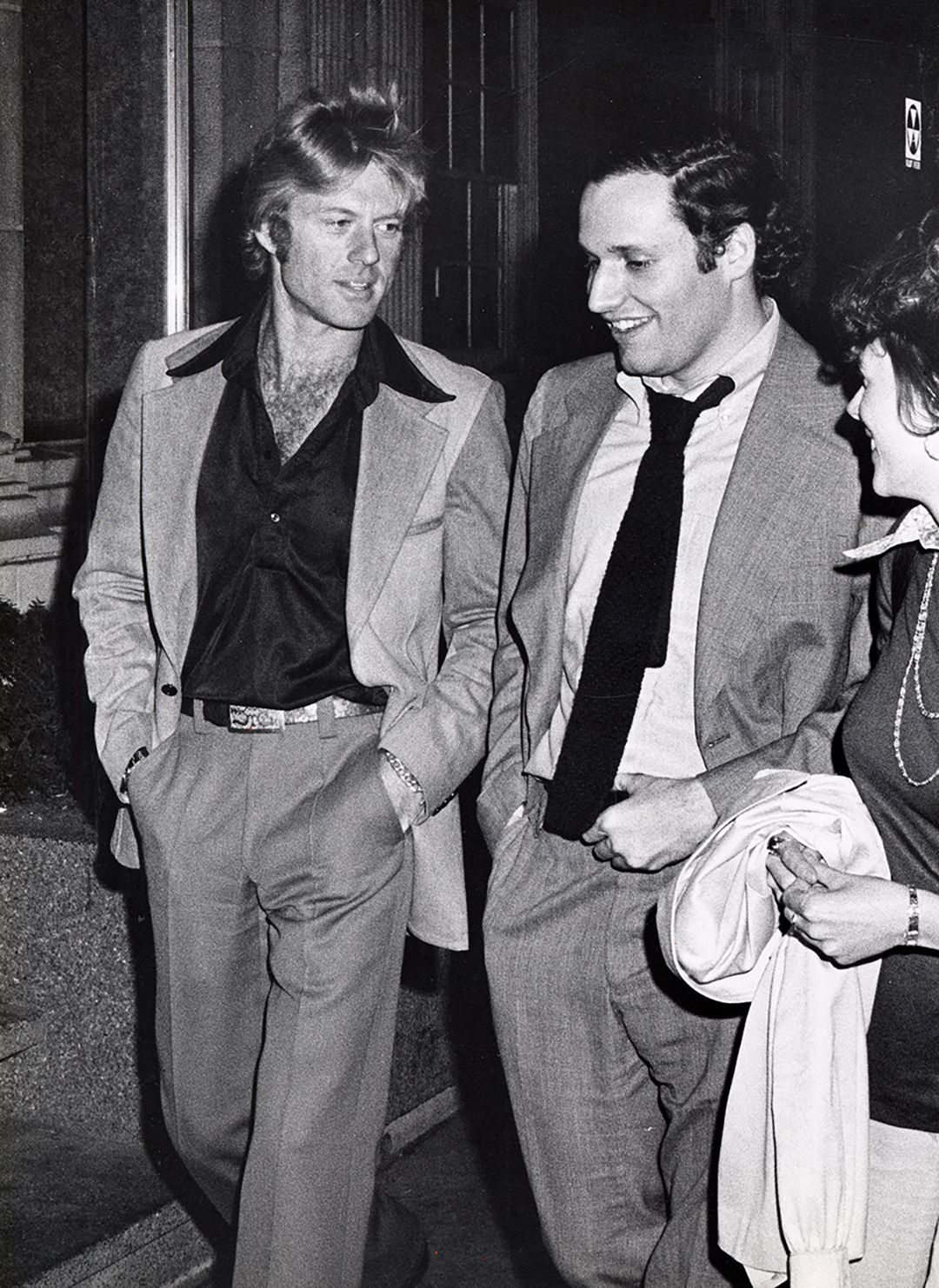
Woodward said he interviewed him many times over the years and that on New Year’s Eve 2021 Redford said he had recently re-watched All The President’s Men: “I was just taken aback by how appropriate it was, how timely it was and how little has really changed. We don’t have Nixon anymore, we have Trump.” Then Redford added, “Time moves on and you have to move on with it or get lost behind … I don’t have a lot of time to mess around. So you do the best you can with what you’ve got left … We have to do something that changes the scenario, changes the dialogue. Just like we did many years ago with Watergate.”
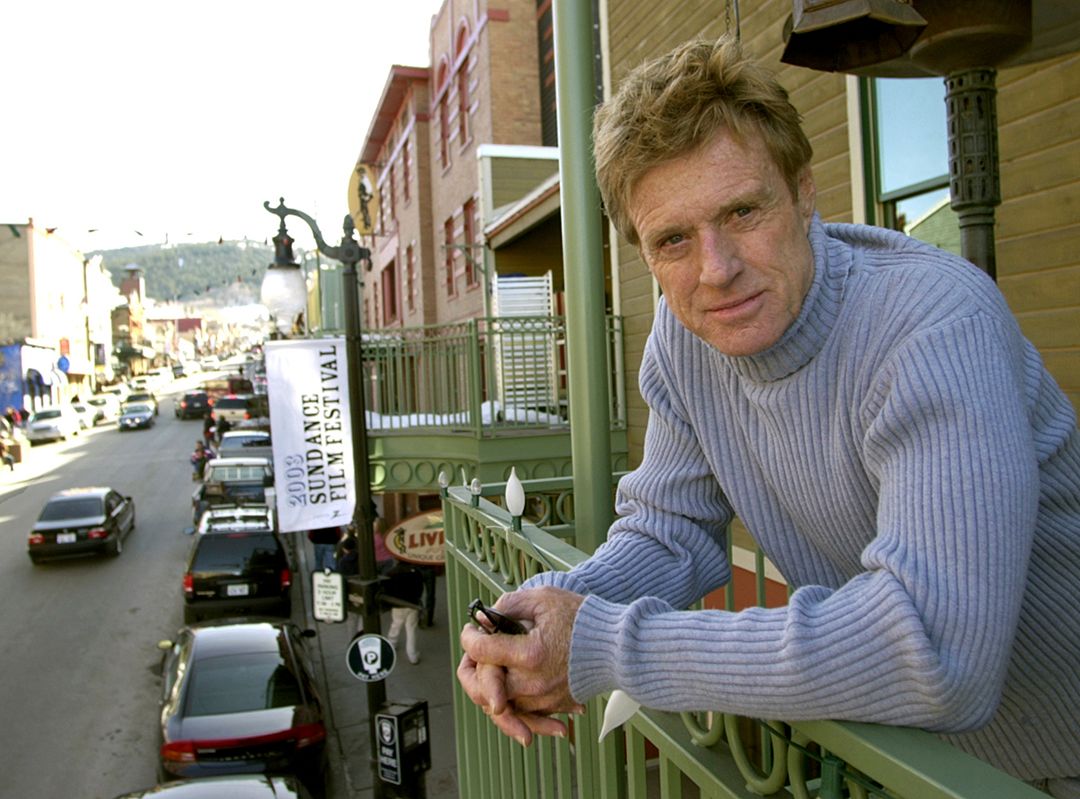
I met Redford once, at the Sundance Film Festival in 2004. He was seriously late for our interview, which was to be expected. Redford was famous for his indifference to punctuality. “He’s been late all his life,” the late Sydney Pollack, who directed Redford in seven movies, once told a reporter. But when I was ushered into his office, he was all there. Those deep blue eyes, bluer than his denim shirt, fixed mine with an open, steady gaze. The interview was brief, but he gave me his full attention; he was utterly in the moment, as if time were his oyster. He had a quick intellect and a deliberate candor. When I asked him about the disconnect between his status as a Hollywood star who makes studio films and a champion of independent film, he said, “I know, I’m like a walking contradiction,” then added: “That’s not quite true. I’ve made independent films for a long time – Downhill Racer, The Candidate (1972), Jeremiah Johnson (1972), Ordinary People. These were all low-budget, independent films made within the studio system. One studio or another would give me the independence to make the film I wanted to make.”
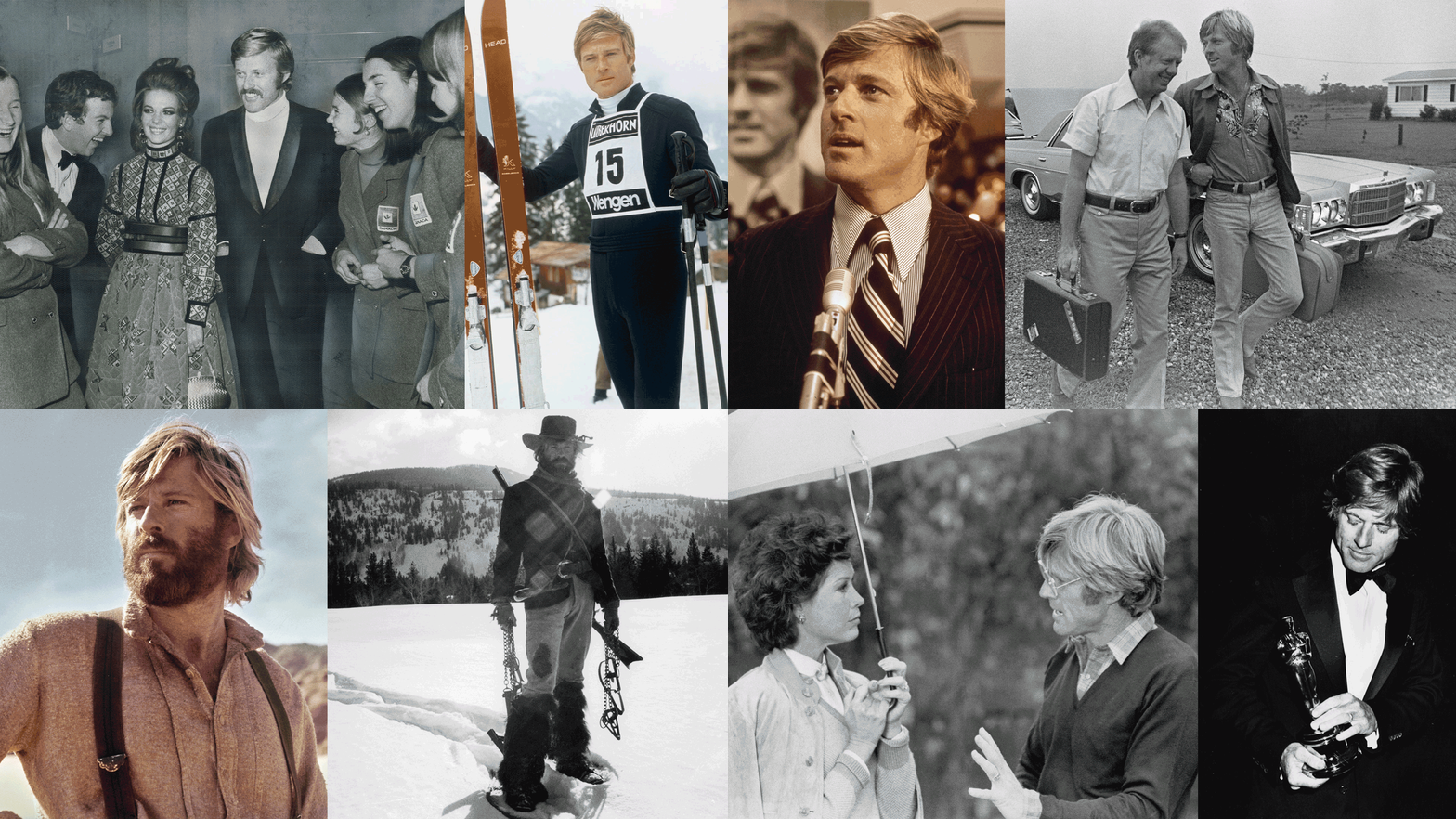
As a Hollywood star who became a director, Redford was not alone among his peers. Warren Beatty, 88, has directed five movies and Clint Eastwood, 95, has directed 39. But while they both made studio pictures, the 10 films that Redford directed were more off the beaten track. Perhaps the most exquisite is A River Runs Through It (1992), an ode to fly fishing set in the wilds of Montana in the 1920s. The day after Redford’s death, I rewatched it for the first time in over three decades. And one of the most remarkable things about it is 29-year-old Brad Pitt’s performance as a carousing rebel in a strict preacher’s family. Fresh from his star-making flourish in Thelma and Louise (1991), Pitt commands the screen with a confidence and flair and flat-out sex appeal that’s so reminiscent of the young Redford it’s uncanny – casting a fly line through a golden light, perfecting the art of a skill, Pitt traced his signature as a golden boy about to inherit the mantle.
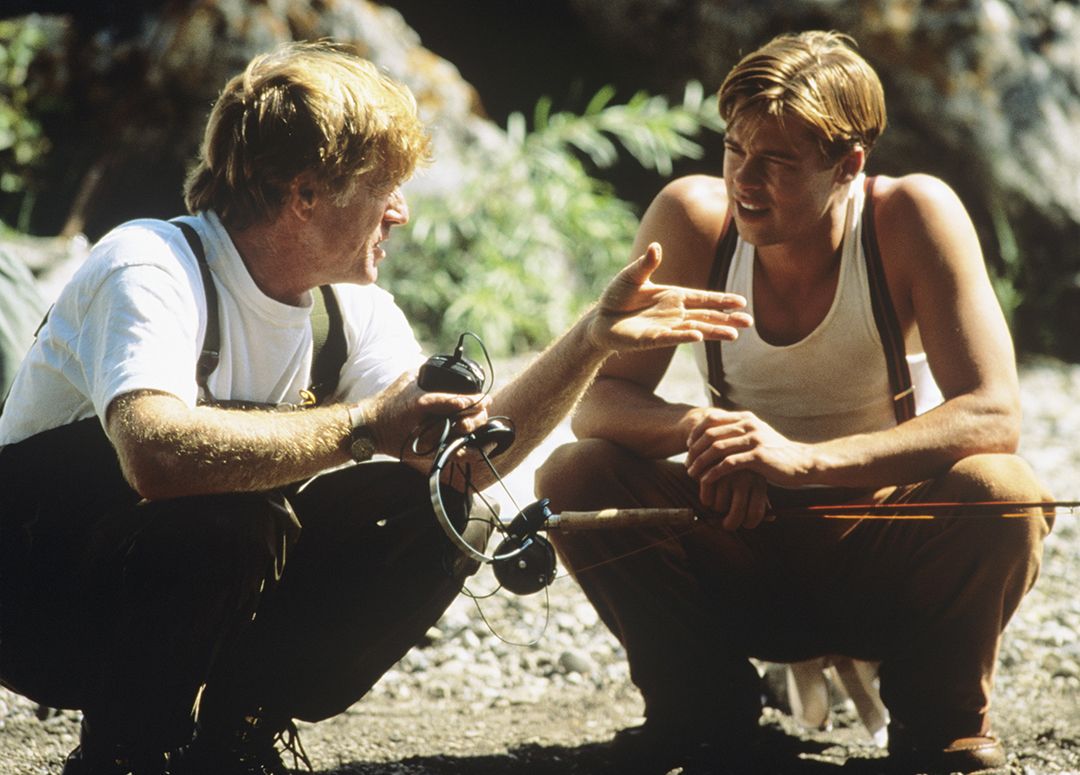
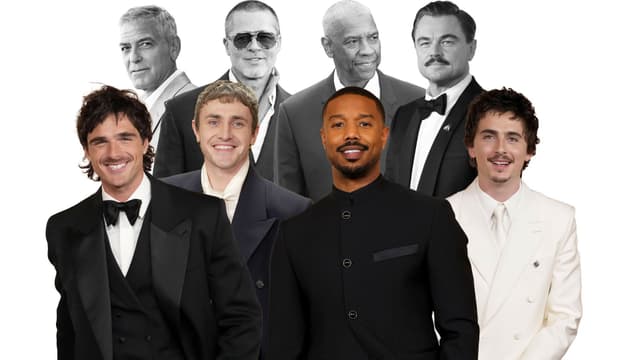
Not unlike Redford, Pitt, 61, has remained eternally boyish while aging gracefully into a more mature and substantial actor. And while he hasn’t tried his hand at directing, he has become an influential producer with an independent production company, Plan B – a driving force behind an extraordinary range of films, including Women Talking, The Tree of Life, 12 Years a Slave, World War Z, and the summer race-car blockbuster, F1. It was Redford, a Hollywood star devoted to the kind of movies Hollywood was afraid to make, who paved the way for actors to create their own production companies, such as Pitt, George Clooney, Leonardo DiCaprio and Charlize Theron. Meanwhile, in creating the Sundance Institute and the festival it spawned, Redford has reshaped American cinema by kick-starting directing careers with film debuts by the likes of Steven Soderbergh (Sex, Lies and Videotape), Quentin Tarantino (Reservoir Dogs), Paul Thomas Anderson (Hard Eight), and Richard Linklater (Slacker).
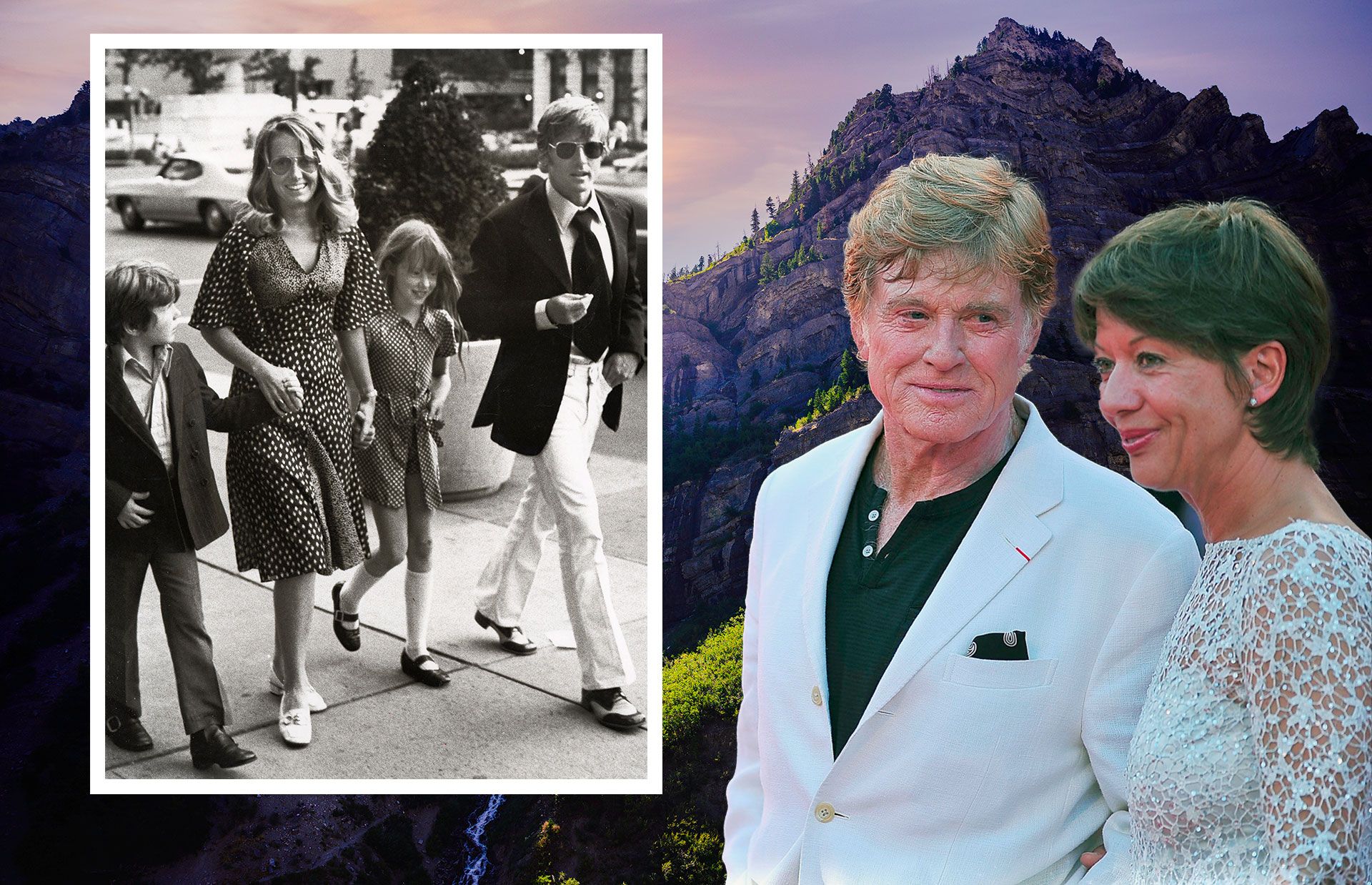
Redford would forever be a Hollywood star, but left the place long before he was famous and never looked back. Having grown up in Los Angeles as a delinquent teen, stealing hubcaps and spending the odd night in jail, he fled his hometown at 25, having used his early earnings as a TV actor to buy two acres of land in Utah. He moved there with his first wife, historian/activist Lola Van Wagenen, and they had four children (one died as an infant) and seven grandchildren. They separated in the early 1980s, and Redford later married longtime girlfriend Sibylle Szaggars. Over the years, he bought thousands more acres of Provo Canyon, and campaigned to protect Utah’s mountain wilderness from the construction of a coal mine and superhighway. Hollywood’s golden boy was a nature boy at heart.
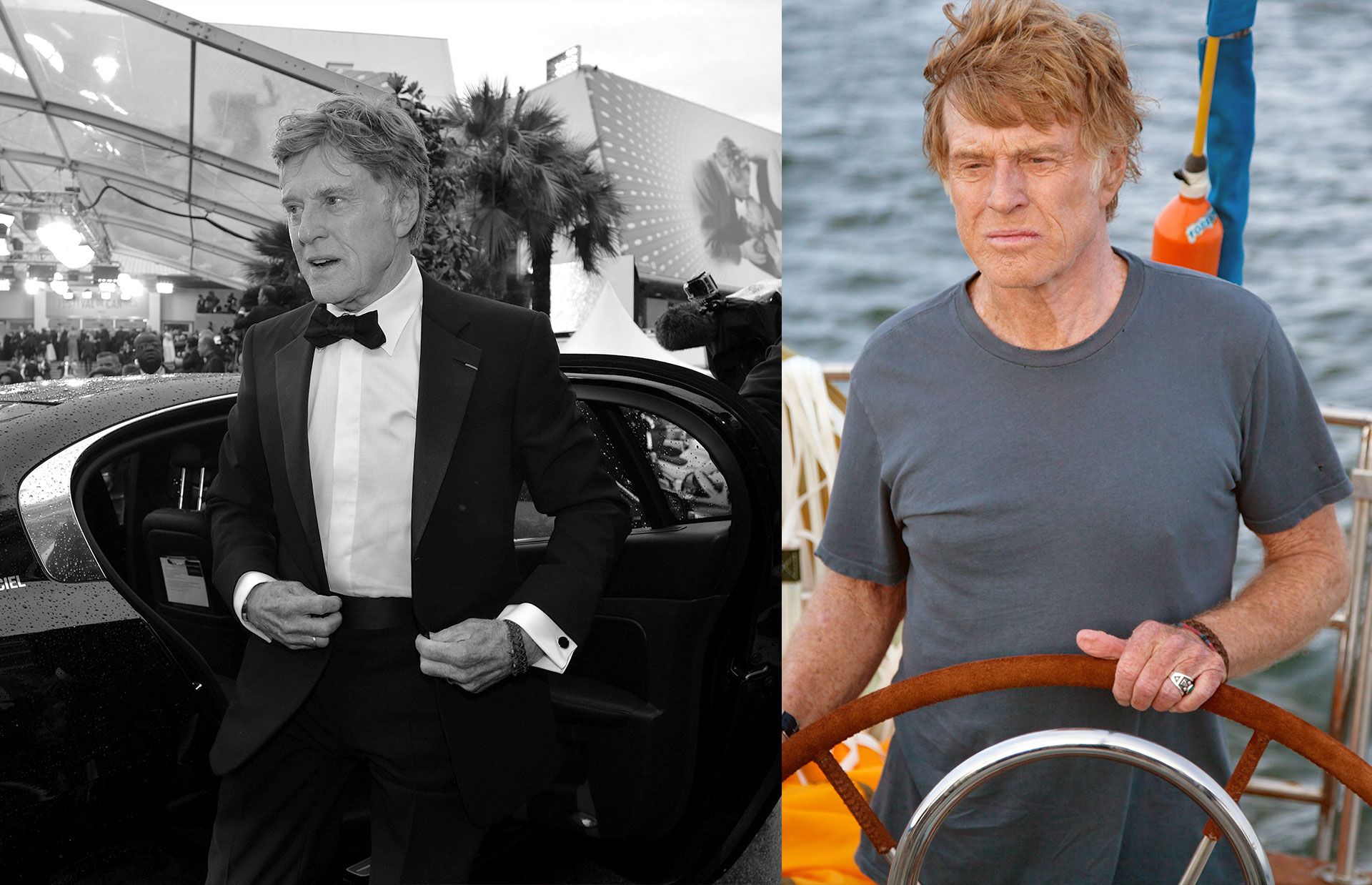
With age, Redford would continue to challenge himself as an actor. While he was often treated cruelly by the critics, it’s interesting to note that in a Rotten Tomatoes poll of critics rating his movies, the consensus is that Redford’s finest performance was not in one of his classic films, such as Butch Cassidy or All the President’s Men. It was a solo tour de force in All is Lost (2013), as a veteran mariner alone in a sailboat on the Indian Ocean, who is awoken in the night after his vessel collides with a container ship. As he sails his damaged, leaking boat into a violent storm, his navigation equipment destroyed, he fights to stay afloat. Directed by J.C. Chandor, it’s a small film, a chamber piece in a boat, but it’s Redford’s idea of an action movie. Almost wordless and relentlessly physical, it shows him acting at his peak, at 77, literally the Old Man and the Sea.
For Redford, there was perhaps no greater glory than to be alone in nature, far from the madding crowd that would cram the small-town streets of his Sundance Festival once a year – the comms teams, the corporate sponsors and the feeding frenzy of Hollywood sharks on the hunt for fresh talent.
In 1974, as he was on his way to becoming the world’s biggest movie star, a New York Times reporter witnessed him being stopped by a girl on Fifth Avenue.
“Are you really Robert Redford?” she asked.
His reply: “Only when I’m alone.”