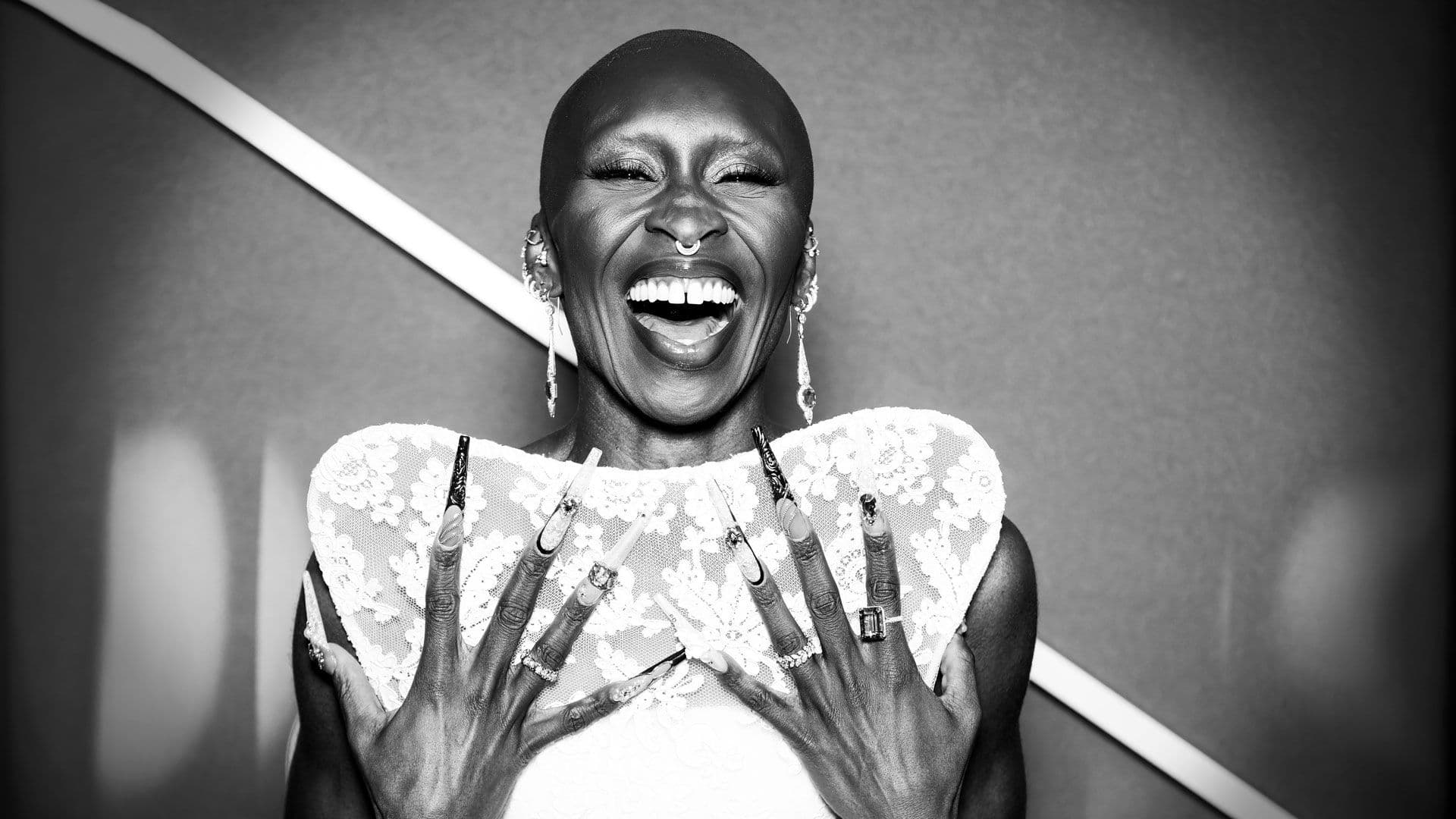
Cynthia Erivo is having a moment. Again. She may have been snubbed for an Oscar nomination – and, to be fair, her film Wicked: For Good was completely shut out by the Academy this year – so she’s still one award short of the EGOT. But the Tony and Emmy winner did pick up another Grammy for her shelf earlier this month when she and Ariana Grande won best pop duo/group performance for their Wicked: For Good song Defying Gravity. And on Feb. 6, she’ll sink her teeth into the role of Dracula – as well as 22 other characters – in the highly anticipated one-performer adaptation of the Bram Stoker classic on London’s West End.
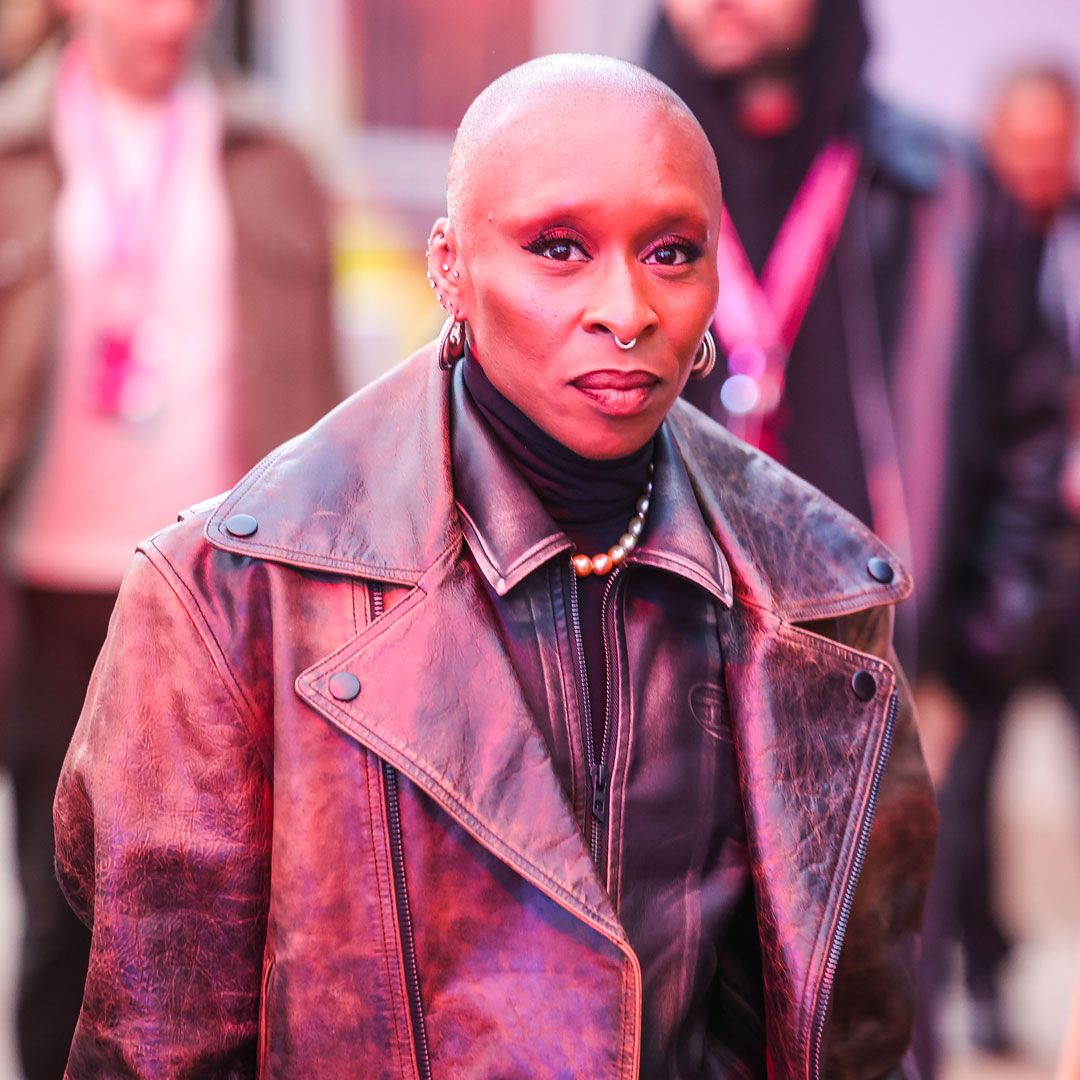
Erivo, 39, isn’t the image of the typical Broadway starlet. Even though peers like Ariana DeBose and Audra McDonald have diversified The Great White Way and also made successful transitions to film and TV, Erivo stands out as an openly queer performer with a taut runner’s physique, septum ring (plus 20 other piercings) and visible tattoos.
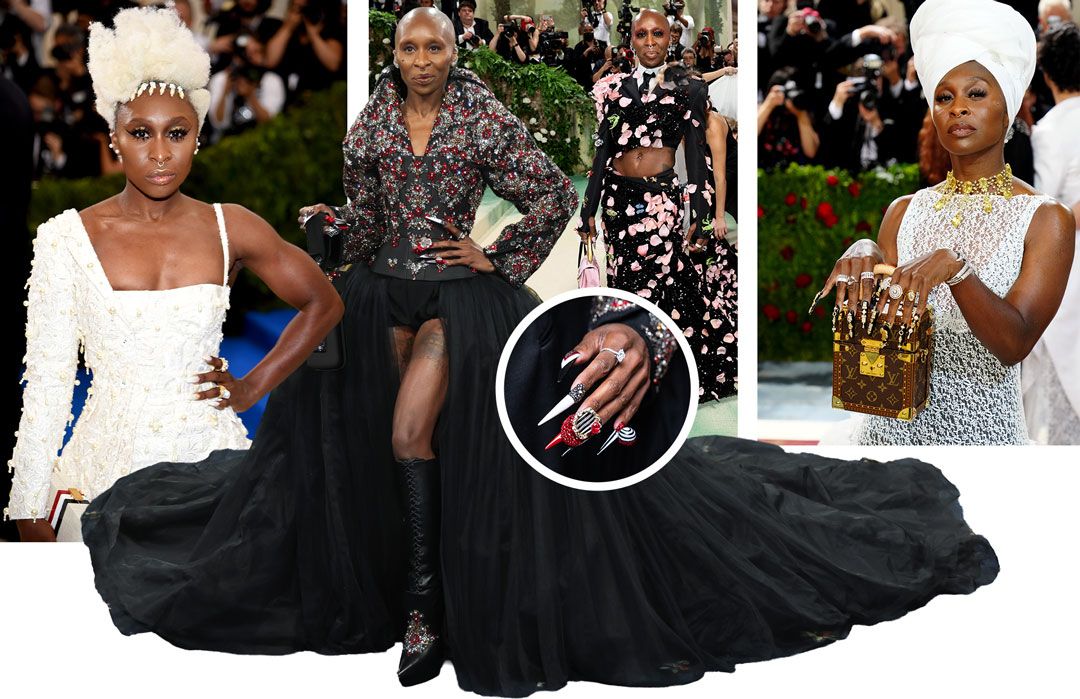
On red carpets and in promotional appearances, Erivo exudes intentional otherness, often clad in sculpted, avant-garde pieces in vivid tones, either bald or with her hair closely cropped. She brought that daring and authenticity to Wicked’s green-skinned “bad witch,” Elphaba, a role originated by Idina Menzel, and played on stage by white actresses until last year when Lencia Kebede became the first Black actress to play Elphaba full-time.
Erivo worked with stylists to ensure that her Elphaba’s skin colour was a complementary shade of green and that her hair was representative. “I asked if we could reimagine that hair as micro braids because I knew you’d still have the movement, and you could still have the length, but there was a texture that was slightly different to what you would normally see on stage, and it was a direct connection between me as a Black woman and Elphaba as a green lady,” Erivo told Variety.
She writes in her inspiring new memoir, Simply More – which traces her path from South London to international stardom – that she has identified with the mythical Elphaba’s outlier status and requisite feelings of rejection, loneliness and shame since she first saw the musical in London when she was 25.
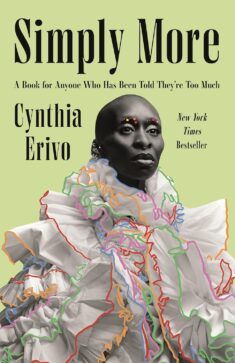
“I felt a deep connection to Elphaba. I recognized in her the feelings of someone who’s different. I’d always been able to recognize other outsiders like me, and I got that about her immediately,” says Erivo. “We shared a deep feeling of kinship.”
Although she’d been singing since she was a toddler and studied at the prestigious Royal Academy of Dramatic Art, Erivo thought marquee roles like Elphaba were off-limits: “Roles for Black women were few and far between, full stop. You’re limited. Or, that’s how I saw it. You can be a singer in this show, but you won’t be speaking. Or you can be a day player in that show, but that’s it. You might get hired for a television procedural where you’re one of maybe two Black people, or you’re the best friend. There’s a cultural assumption of what’s available to you. But really, you’re most restricted by what you allow in your own imagination.”
With two Oscar nominations already under her belt (for Harriet in 2020, and for the first Wicked film last year), there are bound to be more. And an eventual win for the quadruple threat singer-songwriter-actor-dancer will put her in an elite category of less than two dozen EGOT stars, including Elton John, Audrey Hepburn and Whoopi Goldberg.
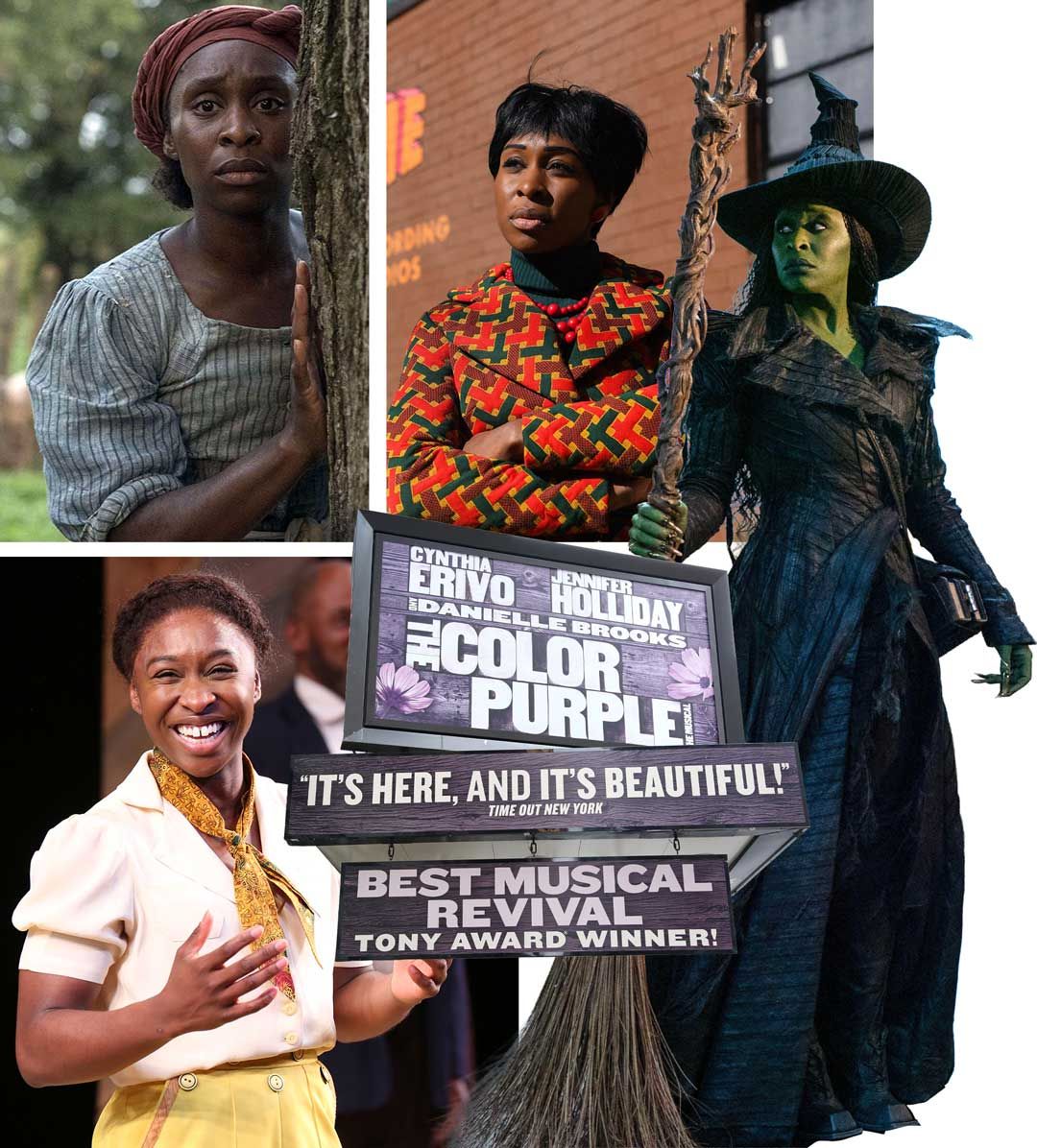
Her breakthrough was landing the role of woebegone Celie, a poor Black woman living in the rural American South, in a British staging of The Color Purple. She rode the show’s sold-out West End run and her spine-chilling rendition of I’m Here to Broadway, where she reprised the role and won the Tony for Best Actress in a Musical in 2016. The following year, for the same role, Erivo garnered a Grammy for Best Musical Theater Album and a Daytime Emmy with the rest of her cast for a Today show appearance.
Along the way, Erivo also fielded her share of off-screen headlines. In a 2022 British Vogue interview, the performer – who has been in a long-term relationship with award-winning actor and filmmaker Lena Waithe (Master of None) – discussed being publicly bisexual, noting “the consequence is that some young Black queer actress somewhere will know coming in that she’s not alone.”
Upon landing parts like Aretha Franklin (in 2021’s Genius: Aretha) abolitionist Harriet Tubman (in 2019’s Harriet), Erivo was ensnared in the ongoing consternation about British actors taking coveted African-American parts. It’s a discussion about whether British actors are cheaper to hire or better trained, and it was ratcheted up in 2017 when Samuel L. Jackson criticized the casting of Black British actors in roles about American race relations, specifically Daniel Kaluuya in Jordan Peele’s horror smash Get Out, and David Oyelowo as Martin Luther King Jr. in Ava DuVernay’s Selma.
Erivo’s role as Jesus in a brief L.A. production of Jesus Christ Superstar last summer sparked similar debate about having a Black, queer woman helm the story about the days preceding the religious figure’s crucifixion.
“You can’t please everyone,” Erivo told Billboard. “It is legitimately a three-day performance at the Hollywood Bowl where I get to sing my face off. So hopefully they will come and realize, ‘Oh, it’s a musical, the gayest place on Earth.’”
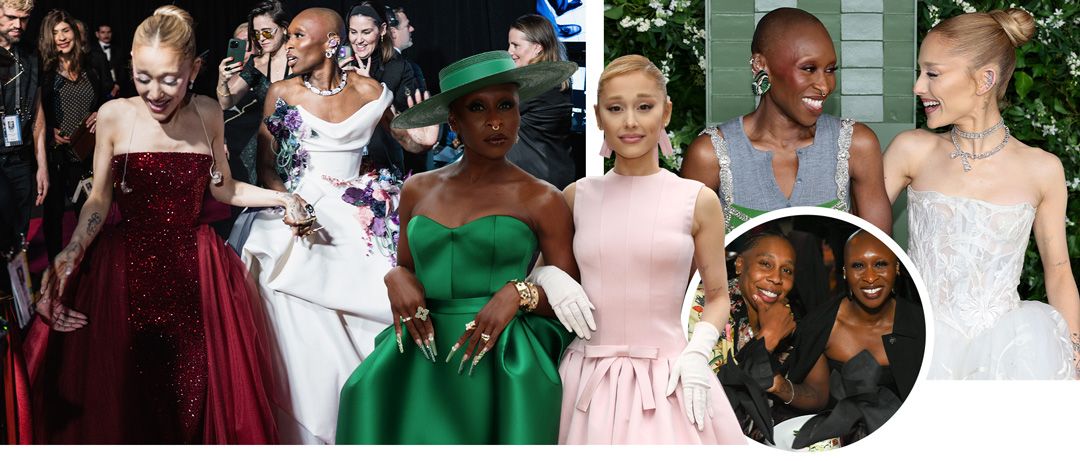
Her memoir is meant to encourage those like herself, like Elphaba, who strive to remain authentic and overcome odds like the ones she faced – absent father, discrimination at drama school, toxic managers and general entertainment industry shenanigans.
The book, she writes, is for people, like her, “who are just a bit more than others are comfortable with” and who are “often having to navigate the beliefs of those about us – beliefs people hold because of their own biases, beliefs they use at times to keep us contained and insignificant.”
With Wicked becoming the highest-grossing movie based on a Broadway musical, there’s no holding Erivo back. Her Elphaba has spawned countless Halloween costumes and online singers trying to mimic her Defying Gravity riffs.
She and her elaborately decorated fingernails and dramatic fashions seem to be everywhere, including in the toy section as a Wicked-inspired doll with representative African features and dark skin.
“My nose, my lips,” enthuses Erivo. “Me, who used to think I would never be cast as Elphaba because I was Black.”