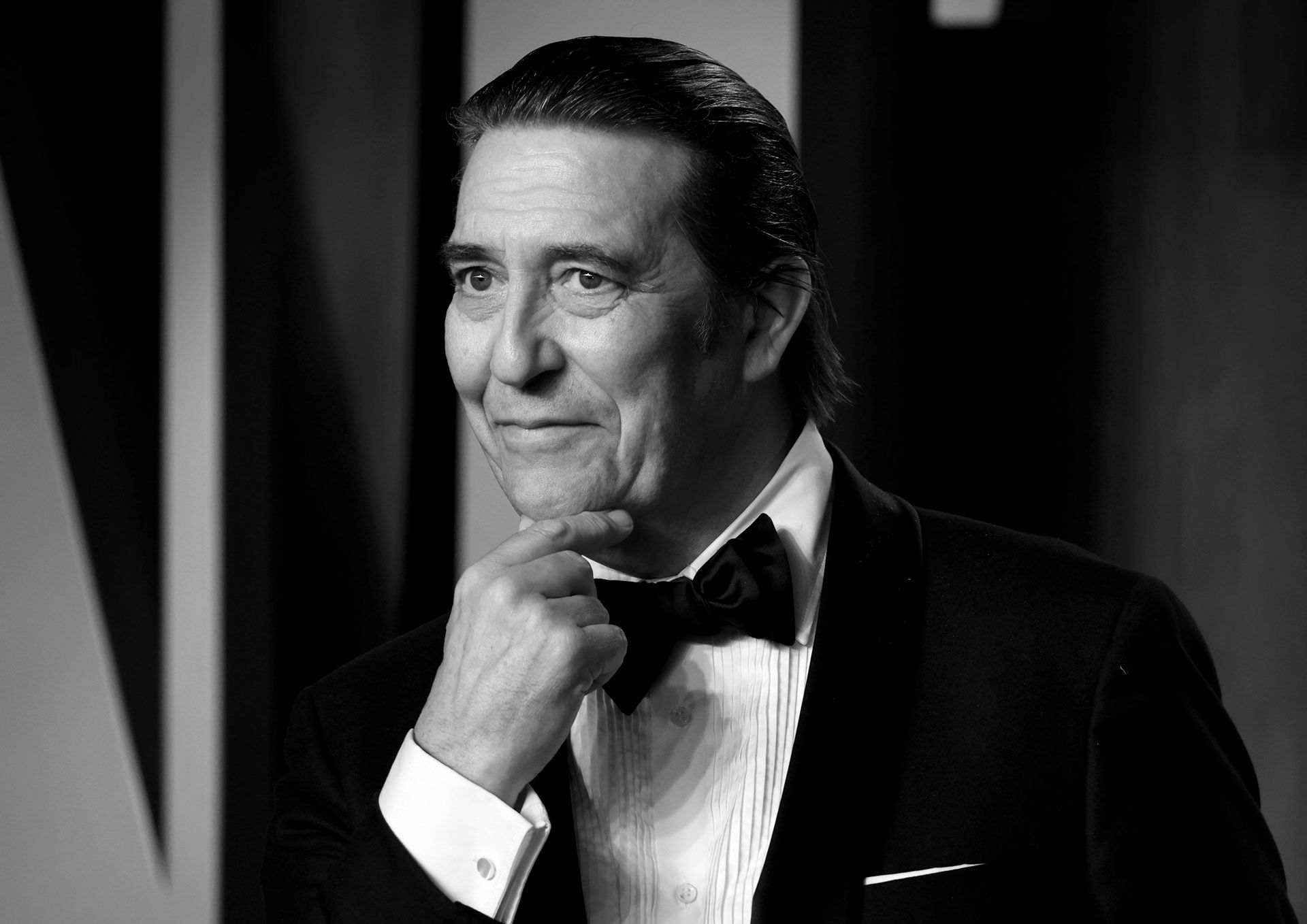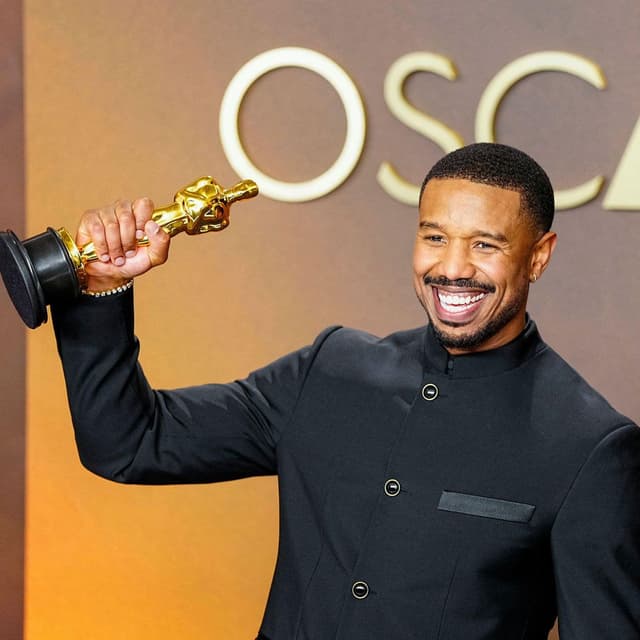
When chatting with beloved veteran actor Ciarán Hinds, there are no pretences. Sitting in his Paris apartment – tastefully decorated but by no means fancy – Hinds, 72, is as warm and welcoming on Zoom as if you were an old friend who just showed up at the door with a bottle of wine. He doesn’t care if you call him Ciarán with a hard C (as they do in his home country of Ireland) or with a soft one (as they do in France), and when things go off the rails with our digital connection, he offers up an apologetic, self-deprecating explanation: “I shouldn’t touch buttons. I shouldn’t touch buttons.”
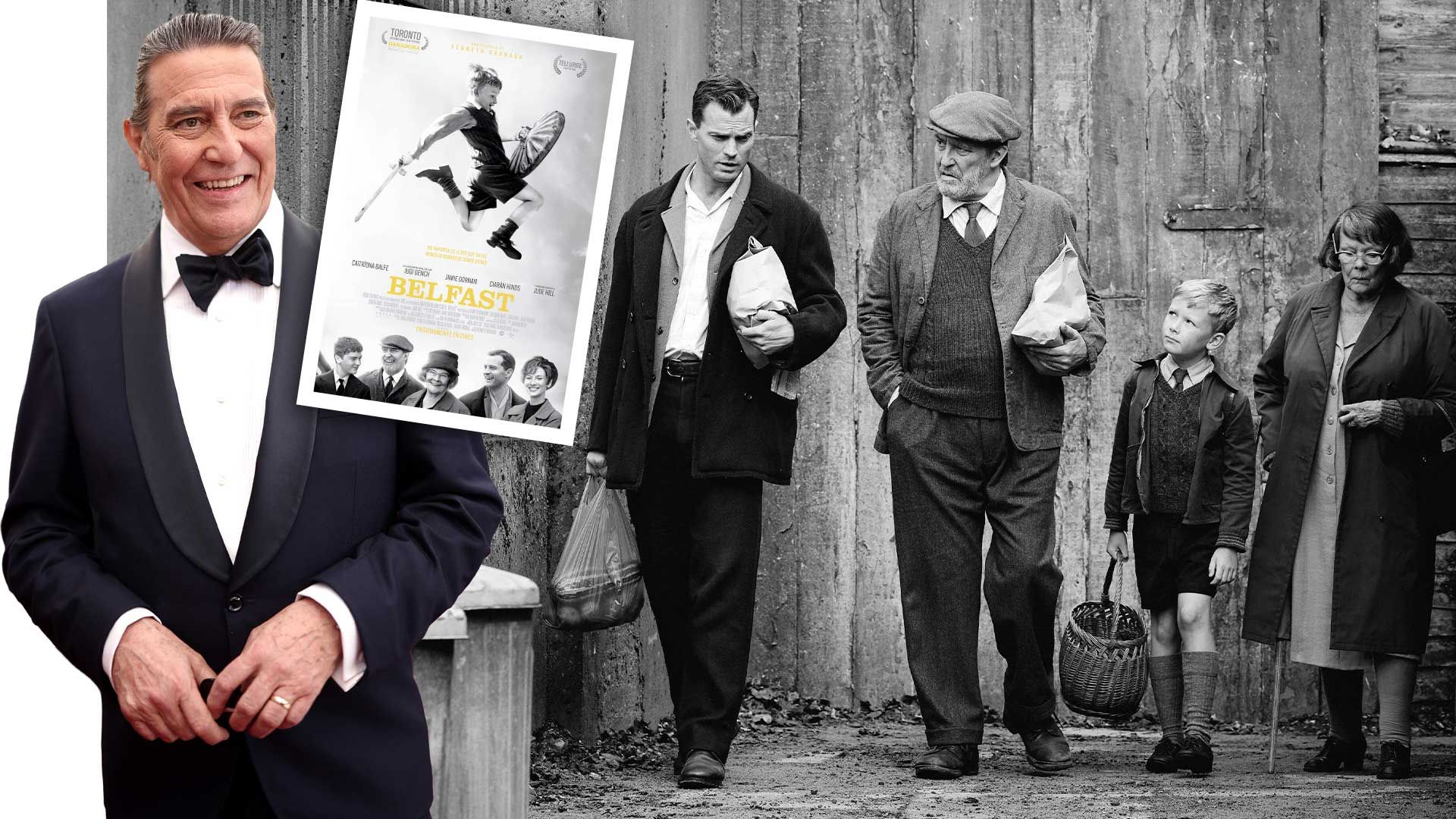
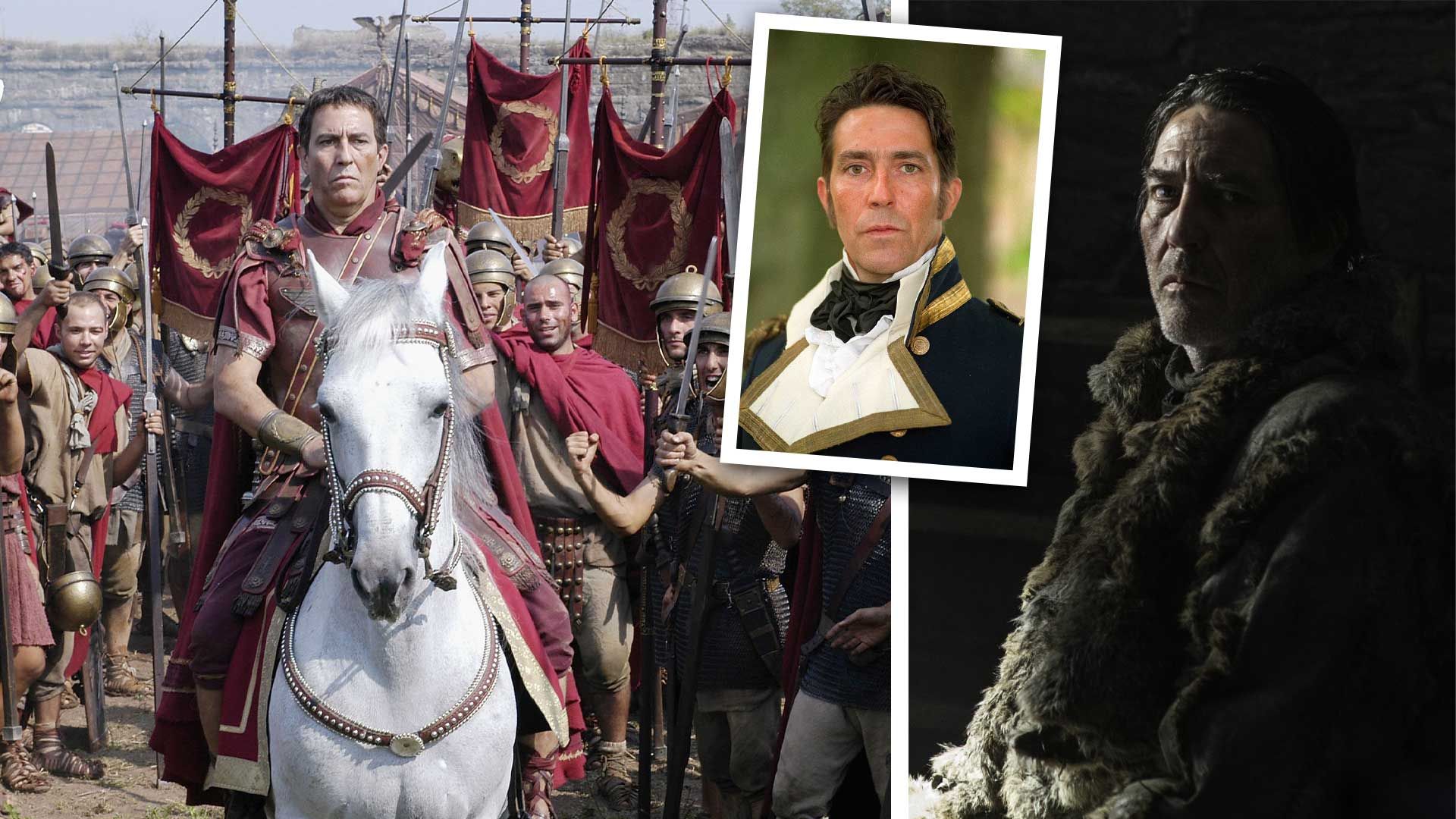
Hinds is the kind of actor whose face you recognize, but whose name you can’t always recall. Yet, he’s been a commanding presence in TV and film over the last five decades: from gentleman suitors in adaptations of Jane Austen and Charlotte Brontë novels to an ambitious Julius Cesar in HBO’s Rome miniseries; the King Beyond the Wall Mance Raydor on Game of Thrones to wise and gentle grandfather Pop in the Oscar-nominated film Belfast. He also played Dumbledoor’s brother in the final Harry Potter film; voiced the Troll King in Frozen; and is the sinister villain Steppenwolf in the Marvel universe.
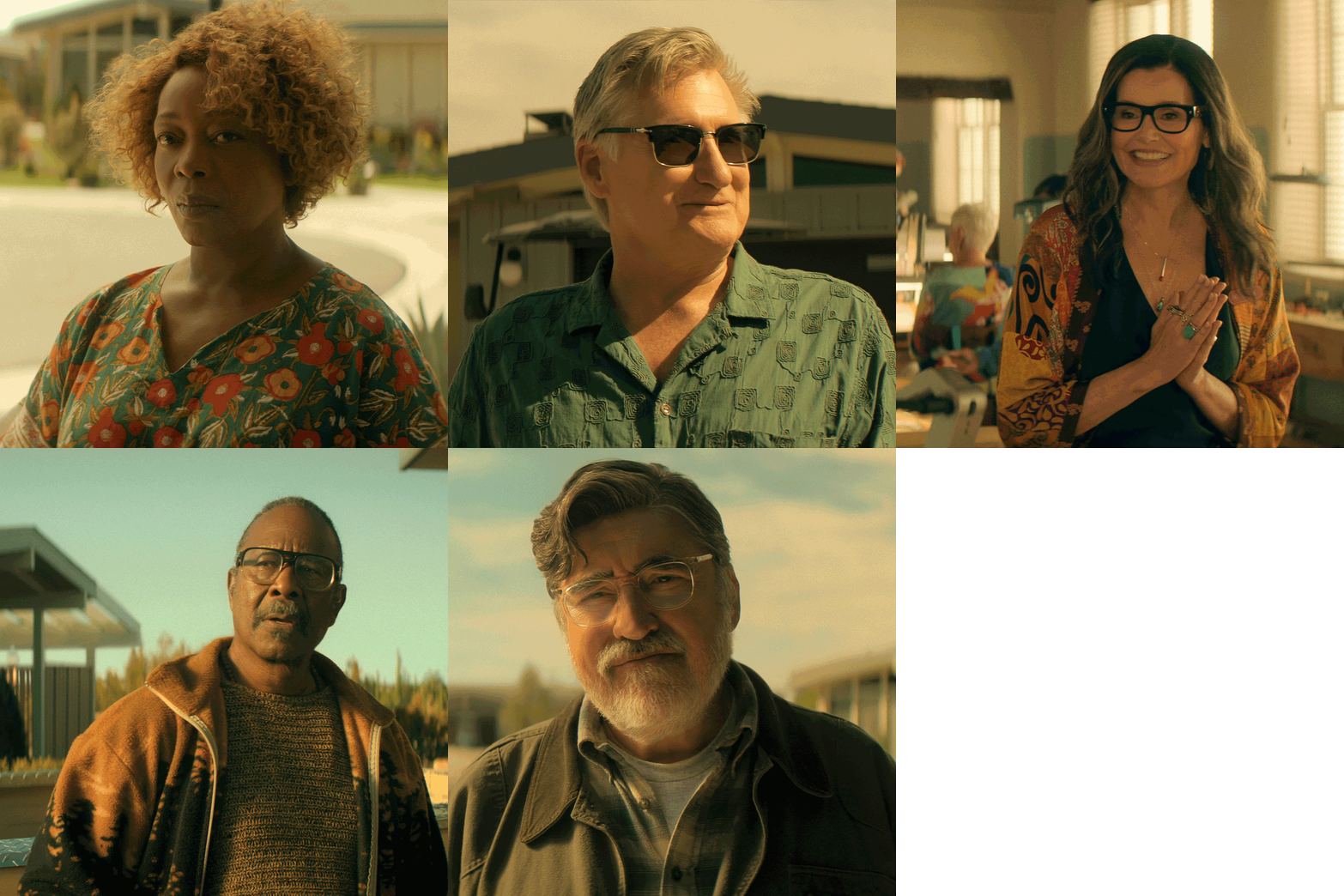
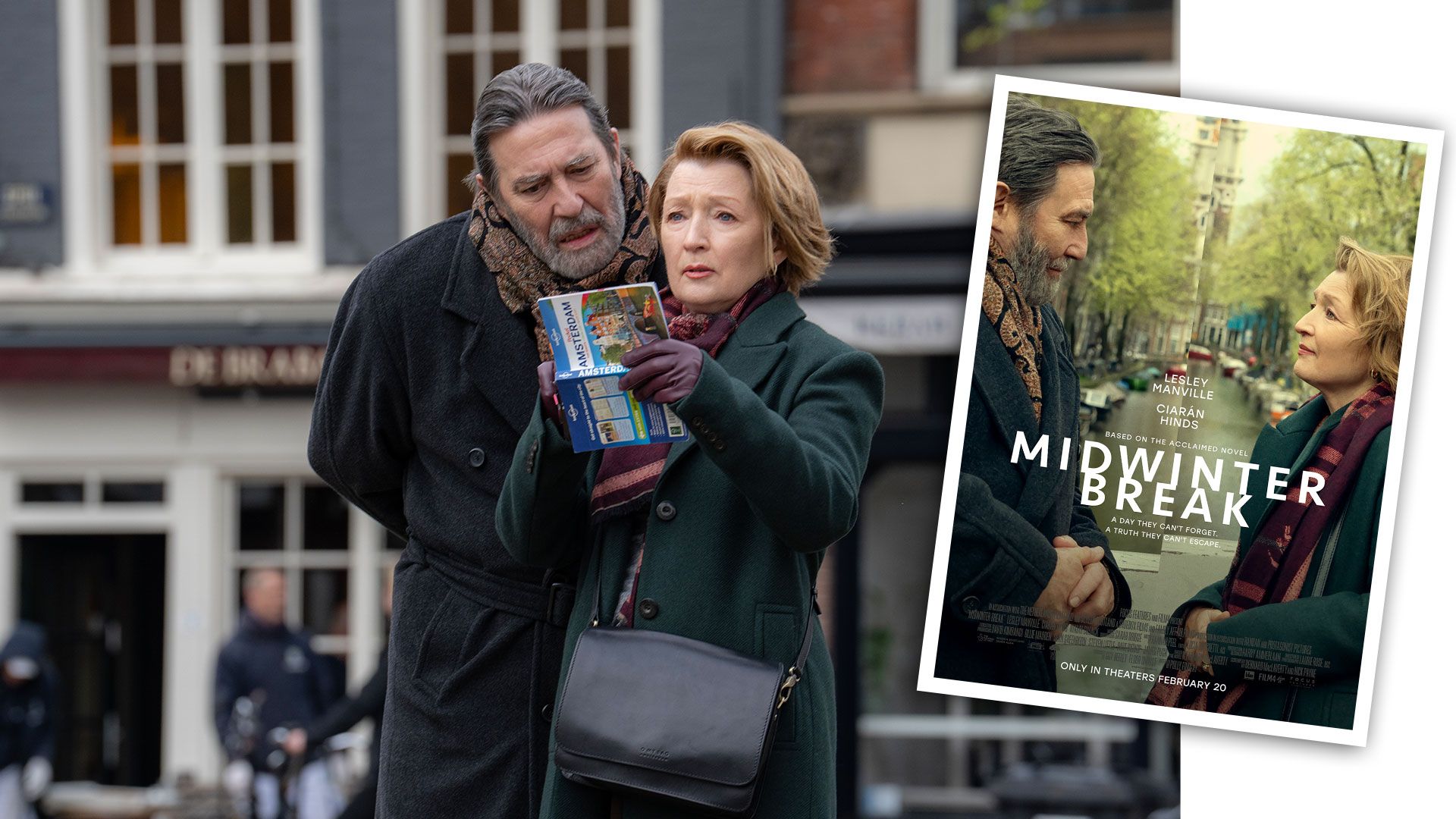
In his latest movie, an adaptation of the 2017 Bernard MacLaverty novel Midwinter Break, Hinds and English actress Lesley Manville play an Irish septuagenarian couple, Gerry and Stella, who live in Scotland and are travelling to Amsterdam for a weekend getaway – only to find their unresolved relationship issues rise to the surface when they’re away from home. After that, we’ll see him as Samuel Hamilton in the new Netflix miniseries adaptation of East of Eden.
With such versatility, it’s no wonder he’s just received a lifetime achievement award from the Irish Film & Television Academy. When we spoke, the ceremony was still 10 days away and he was feeling “humbled.” “I guess I’ll have to say some words publicly,” Hinds told me, “which I’m not that fond of. I don’t like public speaking. I’ve jotted a few things down and thought, ‘Well, who cares? Who wants to hear that? Where’s a writer when you need one?’ It’s very daunting. Maybe slightly less daunting than I imagine being at Oscars.”
Hinds knows exactly what that’s like – it was only four years ago when he was nominated for best supporting actor for his role in Belfast. When asked to elaborate, he admits that “everything that goes on behind” the awards season pageantry was a “revelation.” Although he doesn’t say more, the look on his face confirms he wasn’t too fond of that either.
But, as you’ll see below, there are plenty of subjects where Hinds finds joy and happiness – books, family and Ireland, just to name a few.
Zoomer: Your new film, Midwinter Break, is a quiet and powerful exploration of a long marriage. What brought you to the role of Gerry?
Ciarán Hinds: I had bought the book about six years before because I’m a Bernard MacLaverty fan. I love his writing. It’s very delicate and always touched me. It comes from the same kind of culture that I do. And so I bought the book, and I really enjoyed it. It was a beautiful, soft observation of the human condition. And I gave it to a couple of people for Christmas and then thought nothing of it. Five years later comes this opportunity to be involved in it. And I loved it.
Z: It’s mostly a story about a marriage, but would you say it’s also very grounded in Irish identity?
CH: I think it’s particularly Irish of a certain time – how Irish boys were brought up at one point in time, when everything was done for them. They didn’t have to muck in much at the house. So the idea of when they went out on their own, they were pretty useless when it came to personal things, how you get on in life. So they had to marry someone who could do what their mothers did – that kind of unreconstructed view of what men are. That’s changed, thank God. But I think Gerry comes from there. There’s no doubting that this couple has a huge love for each other – they’re childhood sweethearts. But as we find out, I think a woman of a certain age is also looking to keep developing and keep moving on and look for other stuff. Whereas, you know, the male kind of is more sedentary and kind of needs looking after. But he wants her to be happy. He wants to please her. It’s complicated.
Z: What was it like having Lesley as a partner in this two-hander film?
CH: She’s phenomenal, really phenomenal. I come from that part of the world, Lesley doesn’t. She’s a London woman and just the delicacy of her creating that accent, which can be overplayed. She worked very gently and was very real. The two of us knew each other well, but had never worked together. And when this came up, I was quite thrilled that Lesley was going to get involved.
Z: Now 50 years into your career, how have the roles you’re offered and the ones you are playing changed?
CH: I suppose when you’re young, the way they cast you is by the look of your face – what your body and your face gives to them. And if I look back, I’ve always been playing kind of leaders, you know, emperors and a president of Russia, leaders of men. It’s because I have a face that fits that. But the spirit is something different. And now, I’m getting to play these kinds of people with real humanity in them and the mess that we are as human beings, the good and the bad, the soft and the hard, the needy and the giving, all that. I find that interesting to go into because then there are a lot of choices, delicate choices, about how much you need to offer.
Z: Besides leaders, you’ve also played a few period-piece leading men. After seeing Jacob Elordi in “Wuthering Heights”, I’m wondering if you’ve ever played Heathcliff.
CH: No, but I went up for it once. And, while I didn’t fail that miserably, I didn’t get the role. In fact, I think it was the one that Ralph Fiennes did with Juliette Binoche [in 1992]. I’m curious about the new one. I mean, Jacob Elordi is a terrific actor. And Margot Robbie is a terrific actor. I’m thinking, “Do I want to get Wuthering Heights jazzed up? A new generation?” But we’re not looking for purity, we’re looking for more revelation of what’s down in there. I do think it is brilliant. The concept of saying, “It’s coming out on Valentine’s Day.” And asking how hot were these Victorian rural people? I think it’s fantastic.
Z: Your roles definitely weren’t jazzed up as Captain Wentworth in Persuasion and Mr. Rochester in Jane Eyre…
CH: And don’t forget the Mayor of Casterbridge – that bundle of laughs. That one starts with a tragedy and just goes downhill from there. You know, there was a period when I was in my early 40s when I was never out of breeches. I mean, I was just wearing breeches and waistcoats for what felt like forever. But it was great work – there was lots of meat to get into with those books, trying to make what you read on a page, all that exposition, believable. It’s a chore, but it’s worth having a go, an adventure.
Z: Your career has been so eclectic, what do you get recognized for most often?
CH: I was never in a long-running soap opera or a franchise, so I was able to change my look and sometimes disappear behind a lot of hair. So sometimes people recognize me and often they don’t. And that’s great. I can go about my life. But I think probably Game of Thrones is what most people think of. I wasn’t in it that much, but because it had hit a zeitgeist and everyone was watching. Also, Rome.
Z: Has the Lifetime Achievement Award in Ireland got you thinking about the kinds of things you want to do or not do in this chapter of your career?
CH: I think that’s just a natural order, you find as you’re getting older in life what work means to you. And I’m finding this pull back home, to Ireland, to work more there. I left Ireland basically because there were no theatre schools, not one. People went to university to study acting. And there was also this Irish thing where people would say to me [in a mocking tone], “Oh, you had to go to drama school, didn’t you?” Because I went off to London and then doors opened up from there. But had there been one in Ireland, I might not have left. So now there’s this pull back home.
Z: Ireland has been enjoying a cultural renaissance the last few years, especially with writers and actors.
CH: Yes, the novelists, male and female, are piling up – now I’m just waiting for some new young dramatists to come as well. And there are all the younger Irish actors as well. It’s incredible.
Z: I think even two of them [Paul Mescal and Barry Keoghan] are going to play Beatles in the upcoming biopics.
CH: Well, let’s just say the Beatles are from Liverpool, but everybody in Liverpool was Irish. So that works.
Z: Your wife [Hélène Patarot] and daughter [Aoife Hinds] are also actors. How does that play out in family life?
CH: I’d say we’re nomads. We go along and we disappear. Next up, I’ll be in Dublin, Hélène will be here in Paris and Aoife has a job in Budapest. And then we circle around each other and say, “Hey, everybody.” And it’s wonderful. Christmas is always a major time for us because that’s when we know we’re going to be together.

Z: How did you feel about Aoife (Derry Girls; Normal People) going into the family business?
CH: I was very interested in what she would do; she was always a bit of a tomboy. She did a bit of music when she was younger, but she didn’t profess any particular interest in theatre. And then she went to the London School of Economics to study International Relations – she’s not particularly intellectual, but she just wanted to show her French friends that she wasn’t just a tomboy. She fought her way through it – it’s very dry stuff. And then she went travelling. And she’s 23 when she came back saying, “I think I want to try acting.” And we went, “Ooooh you’re a bit late. All your generation has been at it since they were four.” So she did a postgrad in a college in Cardiff in Wales and then off she went, and she’s making her way. You know, you don’t want to deny anyone their bliss – never mind your own daughter – but you just know how many doors are going to be shut in their face. But that’s life. And so I was very, very – proud’s not the word – very relieved and actually enlightened by the fact that I saw in her something of her own speciality because you just never know.