

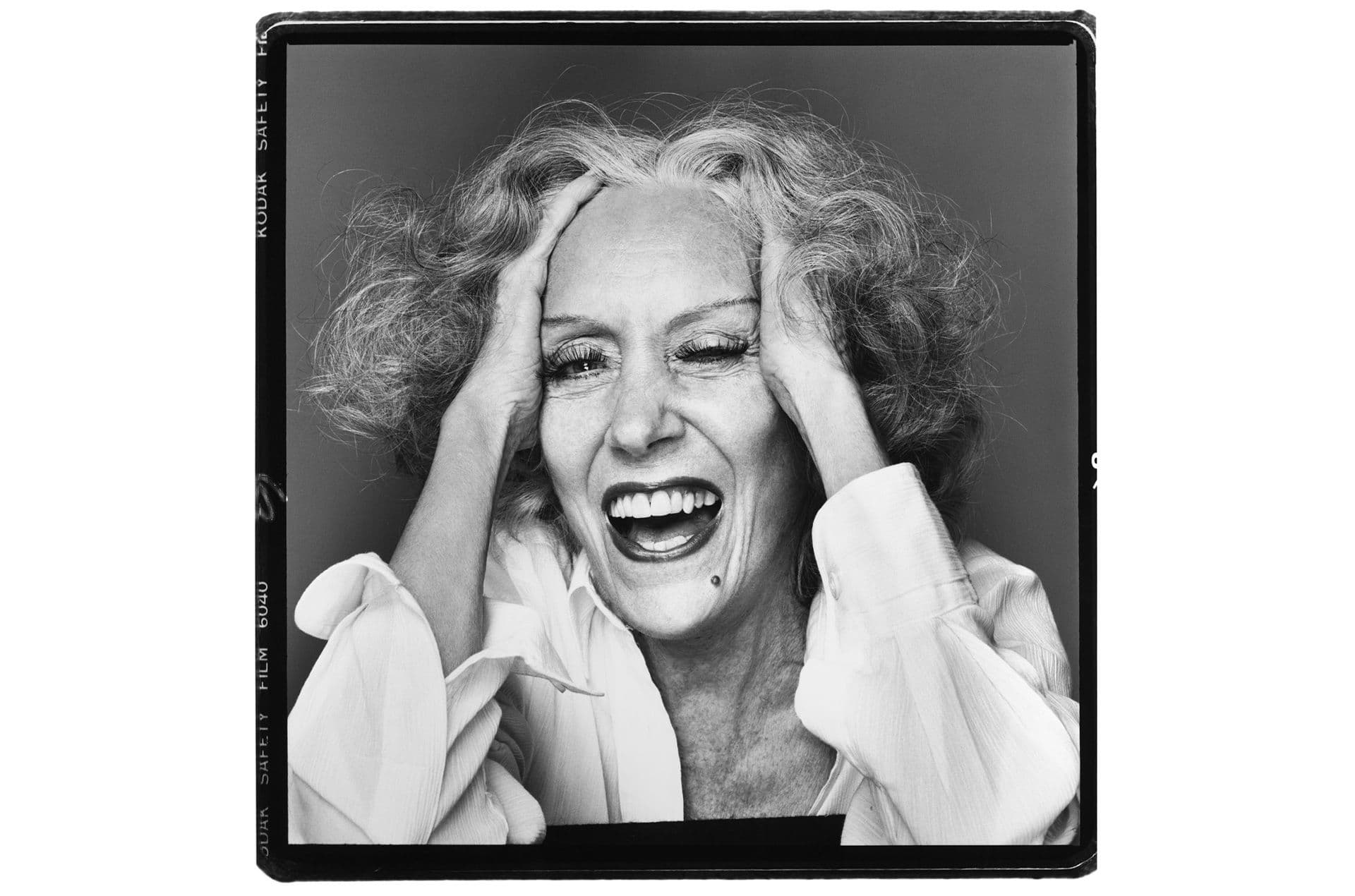
“My photographs don’t go below the surface. I have great faith in surfaces,” Richard Avedon once declared. “A good one is full of clues”
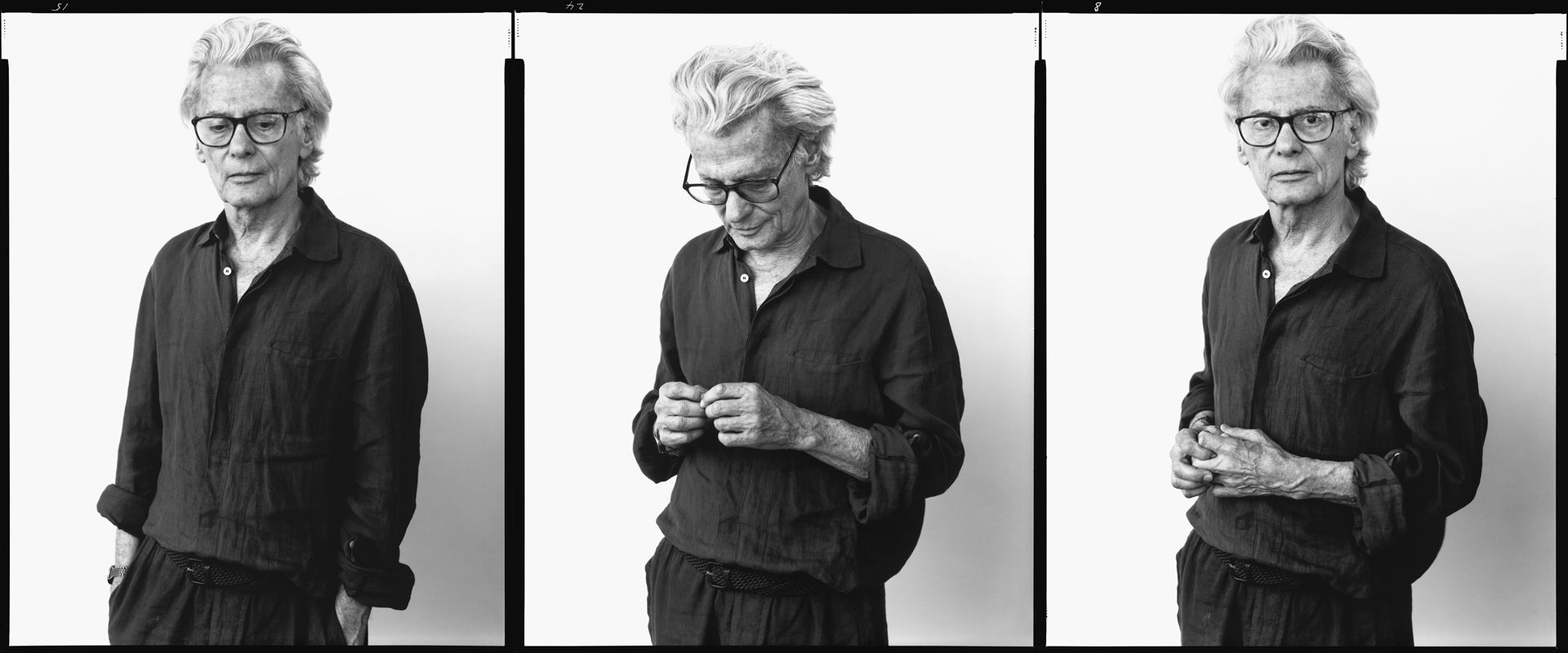
A master of portraiture – one who took the human face and made it storytelling – Avedon was among the most monumental photographers of the 20th century. And not just inside the snowglobe of fashion, where he is lodged in the collective imagination, going back to his earliest collaborations with Dior in the post-war era, and his enduring work in the glamour trenches of mags such as Harper’s Bazaar and Vogue.
Along the way, he became a commentator on the zeitgeist, as well as social historian, covering it all – politics, civil rights, the culturati and the intelligentsia. And, well … mortality itself – as a must-see exhibition in Toronto makes the case.
“A survey of Avedon’s work and how he represented aging,” is how Paul Roth, the director of The Image Centre at Toronto Metropolitan University, put it when I dropped in to have a look recently.
Both intimate and sweeping, the show – Richard Avedon Immortal: Portraits of Aging, 1951-2004 – exists in two different silos. The first, consisting of everything beau monde and gloriously who’s-who: 90-plus black-and-white close-ups of everyone from W. H. Auden and William de Kooning to Patti Smith, Pamela Harriman and Stephen Sondheim. There’s Duke Ellington, Francis Bacon, John Ford and Rose Fitzgerald Kennedy. Oh, hey, Edward and Wallis! Greetings, Capote.
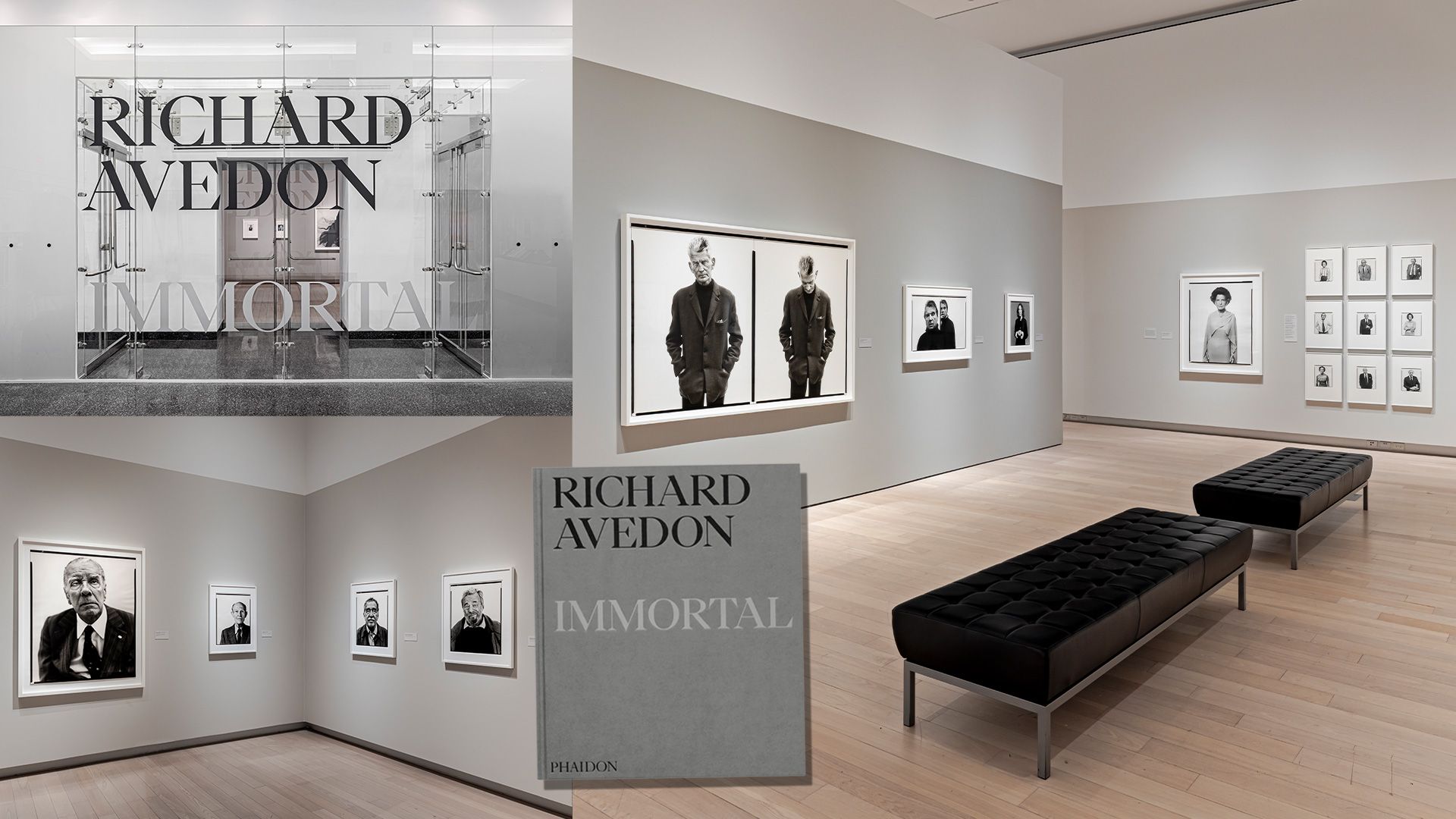
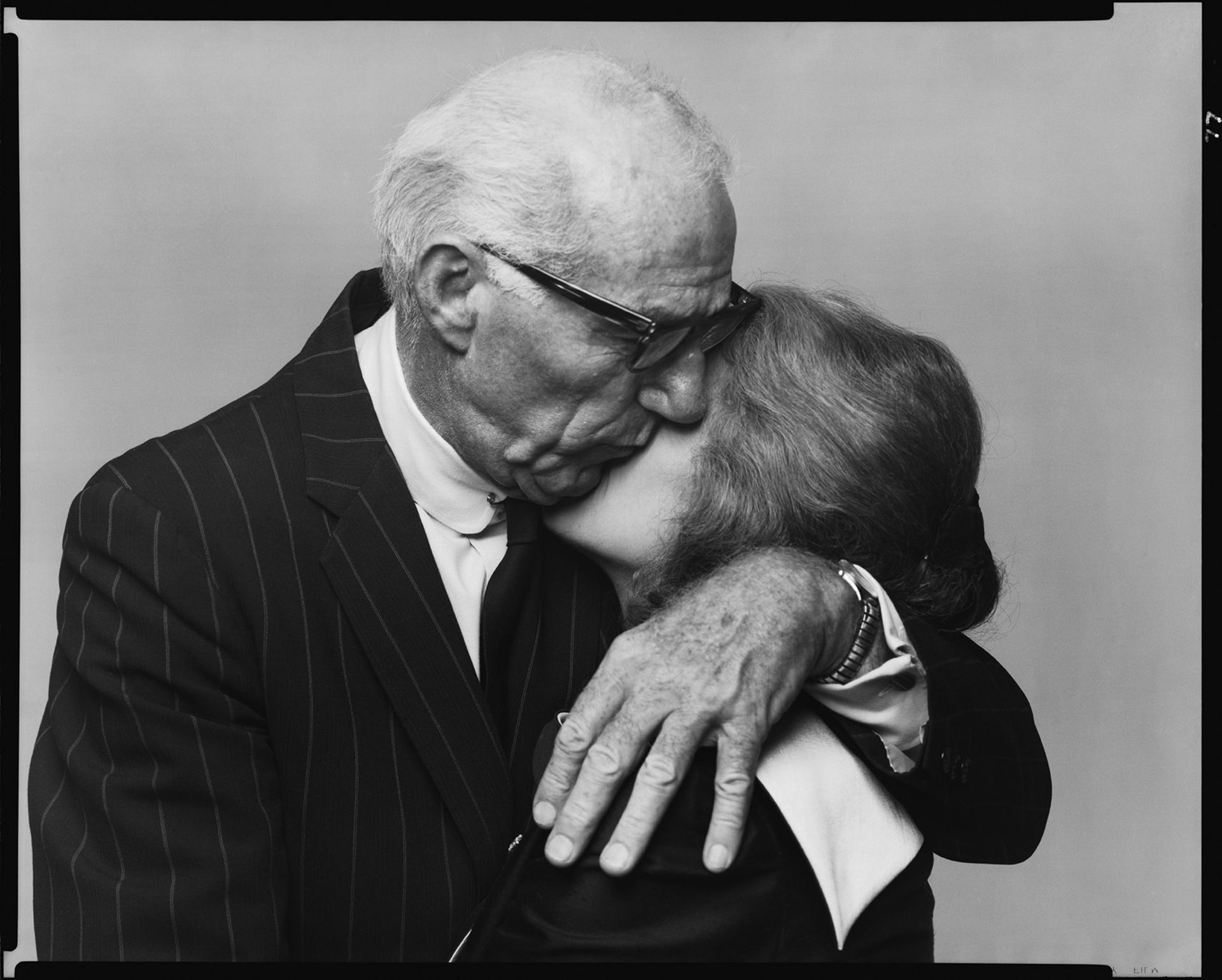
It is in an accompanying room – darker, more womb-like and solemn – where yet another side of Avedon appears, with just nine extraordinary portraits. A precise restaging, essentially, of Avedon’s seminal 1974 Museum of Modern Art (MoMA) exhibition, which chronicled the final years of his father, Jacob Israel Avedon. The decline and the terror, but also a kind of catharsis.
“Almost too personal for the public gaze,” is how one critic described the controversial show in the ’70s. Over time, however, most Avedon-heads have come to see it for how Hilton Kramer viewed it then, conversely: “a dignity in this unabashed experience that is finally more affecting than the undeniable sense of shock that we feel on our initial encounter.” It is, he continued, “a side of life that rarely, if ever, is captured in the art of any medium.”
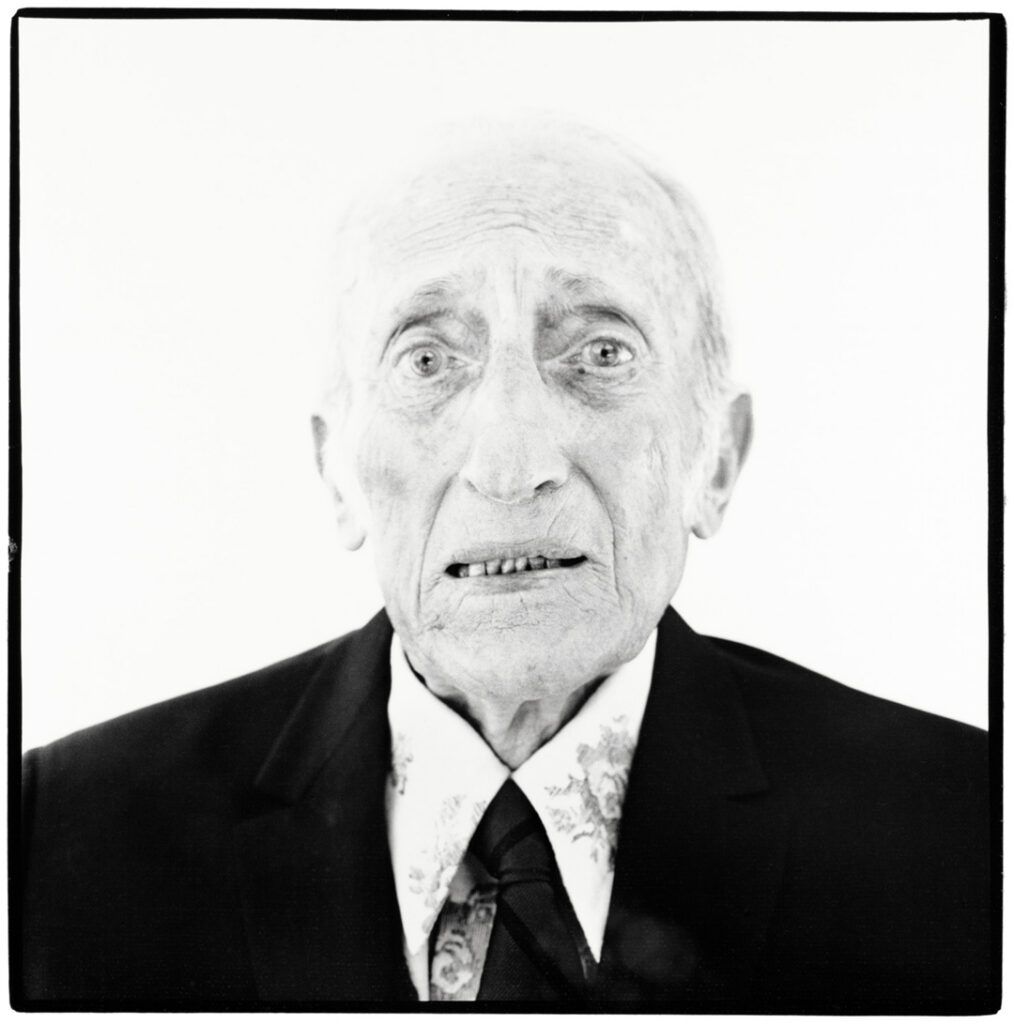
More than mere photographs, the series is a conversation of sorts between son and father, as Roth points out to me today. It was “a strained relationship” between the most famous snapper in the world at the time – the well-maned man they simply called “Dick” – and his dad who was a Russian emigre-turned-Fifth Avenue retailer and would, at one point, run a women’s specialty clothing shop called Avon’s of Fifth Avenue. Consequently, the series was also a kind of reckoning, alludes Roth, in that Jacob “was the person who introduced Avedon to photography. Gave him his first camera.”
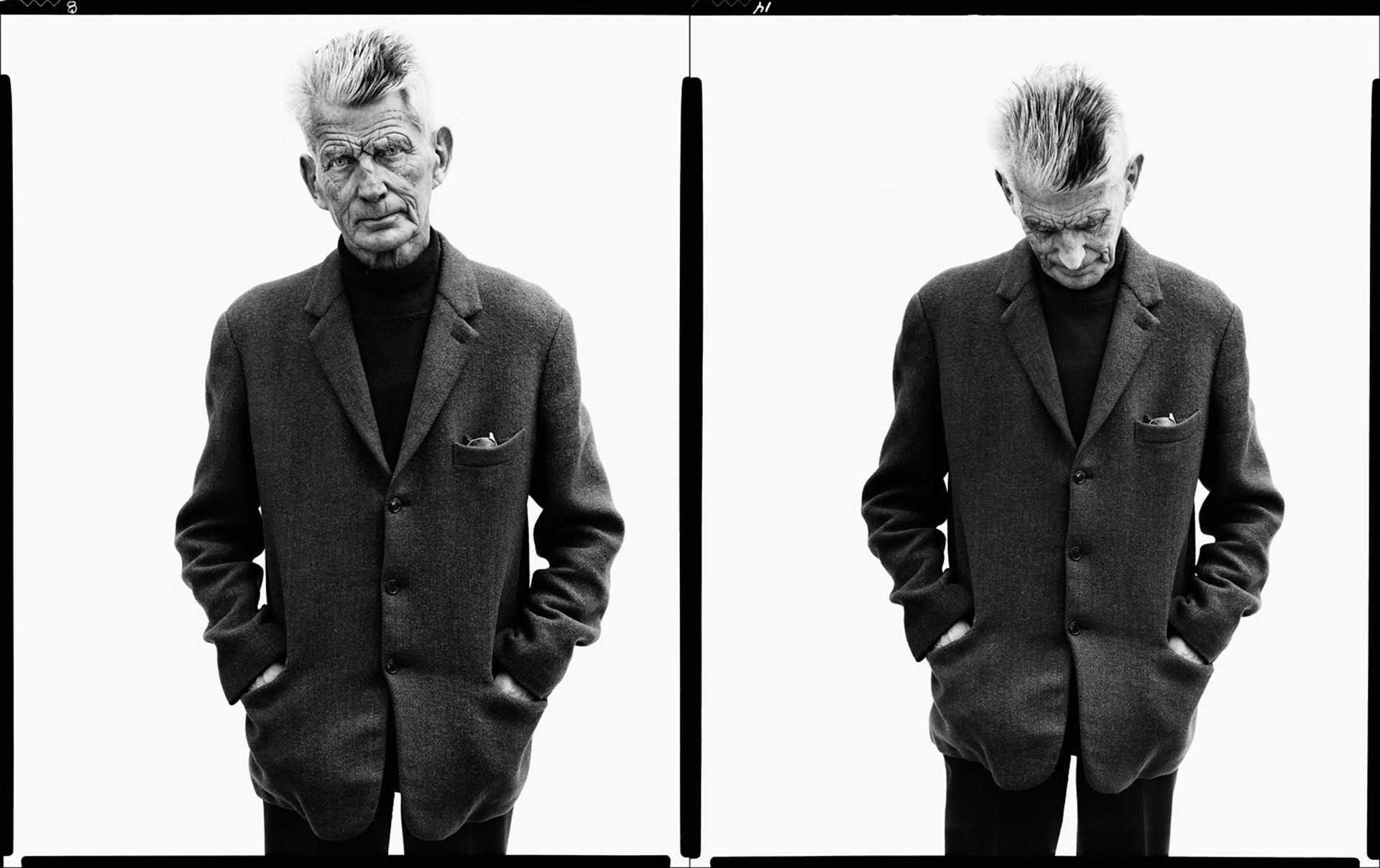
Shown in the same sequence, and the same framing, as the original MoMA show, the photos, says Roth, are meant “to be confrontational … Avedon wanted people to be overwhelmed.” And for audiences used to the glamour and the controlled elegance of Avedon’s larger work, this was such a naked truth, that “it was really radical for the time. It still has a kind of primal power.”
“He races back [to Florida, where Jacob lived]. It is the last time he is going to see his father, the last time he is going to photograph his father,” Roth says, showing me one of the final shots in this room taken when Avedon, the son, returned from an overseas job. You see here “the fear of the abyss.”
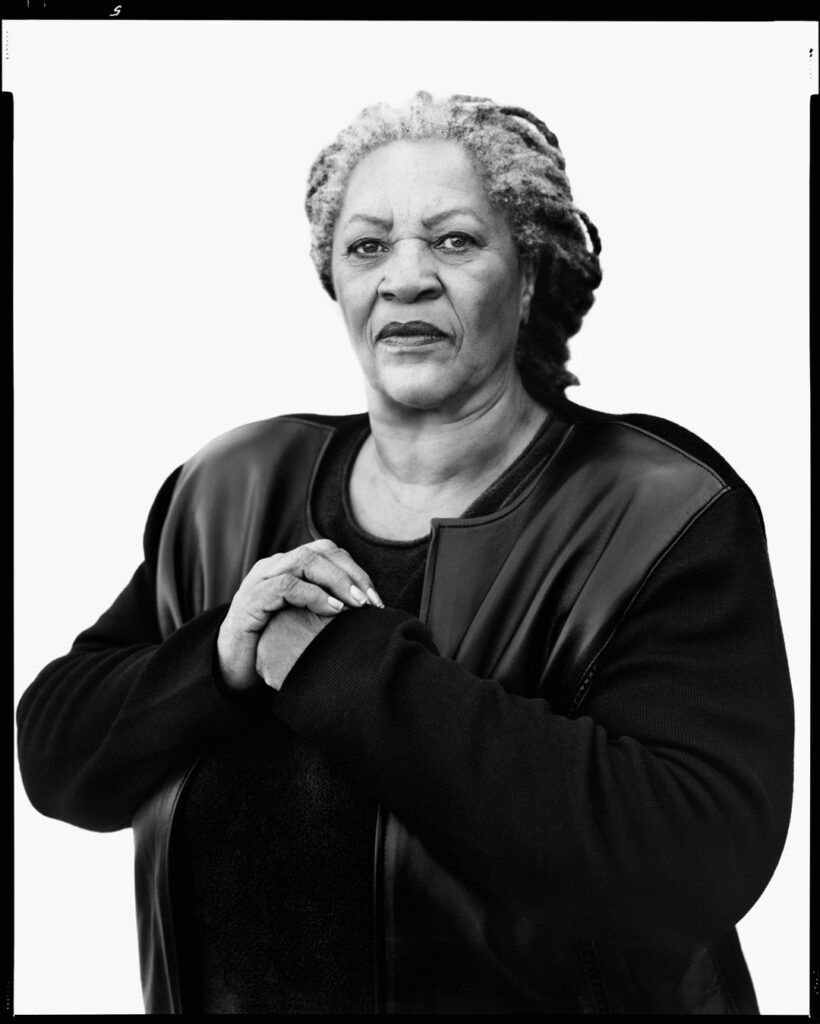
While dying is clearly the story in this series, living – and doing it large – is all the rage in the main room, where some of the most famous people of the 20th century hang. Toni Morrison, for instance, sitting next to the Dalai Lama, in just one of the many interesting cross-sections going on. There are some familiar shots to me – a wonderful stony one of Katherine Graham, legendary publisher of The Washington Post; one of Vicente Escudero, the most famous flamenco dancer of that time; and one of acclaimed author James Baldwin, a leading cultural figure in the American Civil Rights Movement who was actually Avedon’s lifelong friend. They met in high school, working on their school’s literary magazine!
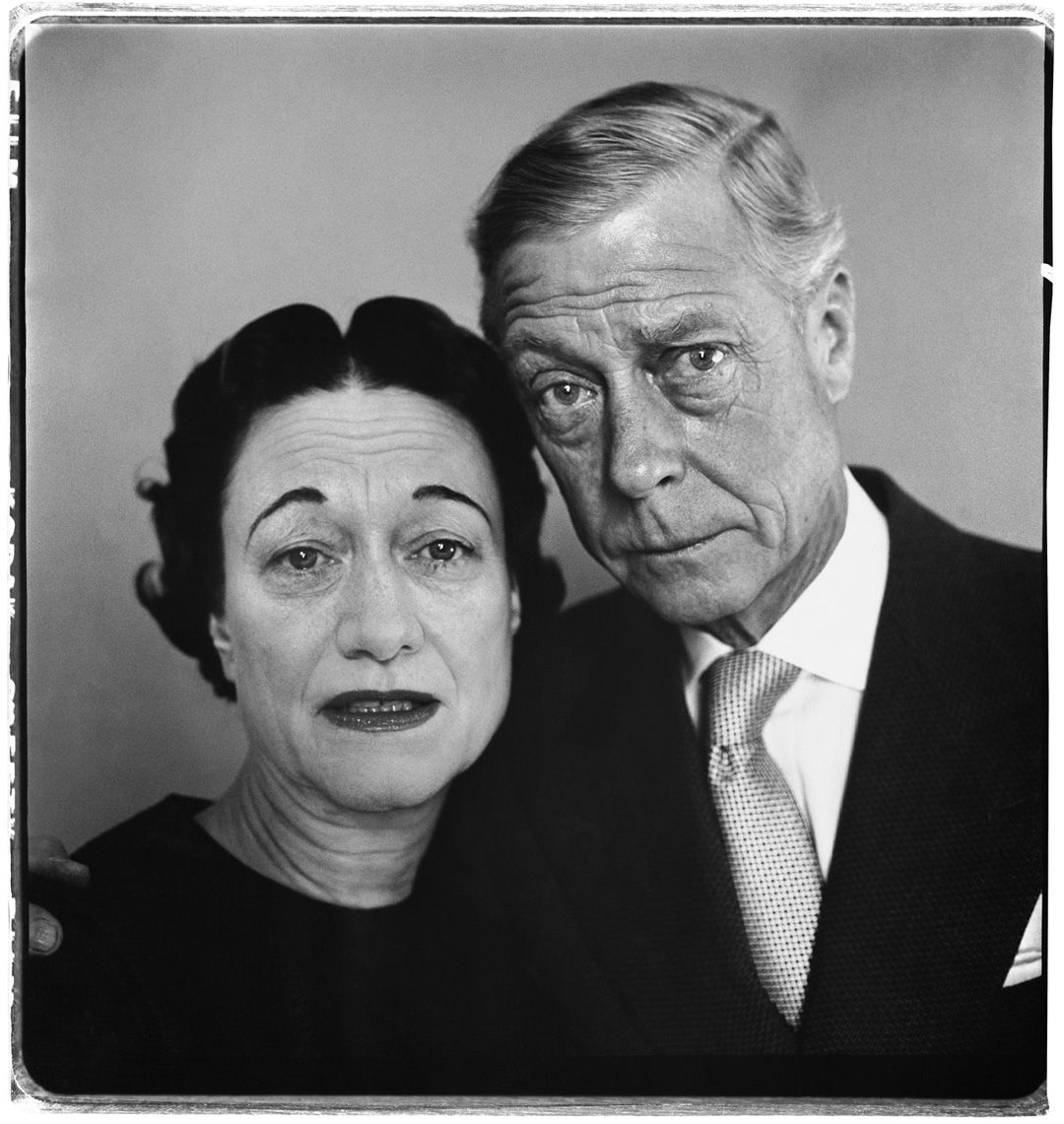
Walking through the maze of rooms, and the boldface name after boldface name, you can’t help but think of this exhibition as one of the greatest parties of all time, guests-wise. Pulled from various museums and collections, “almost all of the photos are done against the white backdrop” – a tactic that Avedon used to create a starker shot, Roth says. In particular, I’m truly stopped in my tracks by the image of the aforementioned Duke and Duchess of Windsor. They come at you rather forlorn, almost vulnerable. And, it turns out, Avedon used a trick to get that shot, given that the Windsors were so accustomed to being photographed and unlikely to really let “anyone in.”
Roth explains that to break them, Avedon kept them waiting a bit, and then promptly “told them a story that his taxi had accidentally run over and killed a dog on his way to the appointment.” He knew how deeply the couple adored dogs. The fake story caused them to flinch, look horrified. Click, click! Avedon had his shot.
Think of this two-room show and its breathtaking catalog, which features an essay from Avedon’s close friend, New Yorker columnist Adam Gopnik, as solid companion pieces to what I like to think of as the Season of Avedon. It consists of not only an outsized book called Richard Avedon: The Harper’s Bazaar Years, but also a compelling new documentary project, simply titled Avedon. The latter, made by Ron Howard no less, currently running on Netflix, is a full-scale consideration of the shutterbug (who passed away in 2004 at the age of 81). It consists of archival footage as well as commentary from people who were closest to him, including actress and frequent Avedon subject Isabella Rossellini.
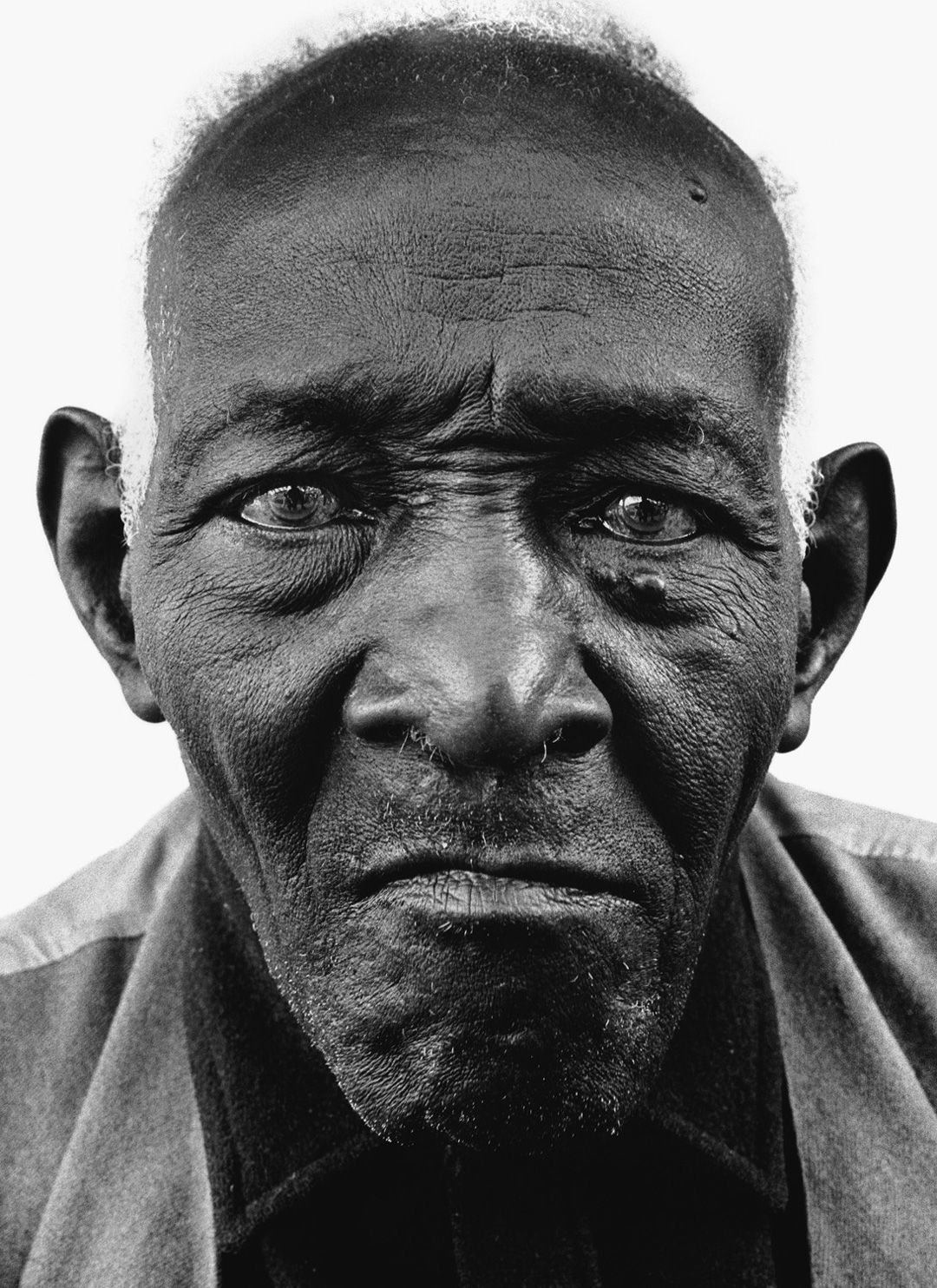
Walking through the exhibition, I was struck by how difficult it is to actually place the age of the people who appear in the photos. So many looked older, decades ago, even while only in their 40s or 50s – partly because they smoked, partly due to the lack of sunscreen and latter-day cosmetic interventions, and partly because of styling and different expectations of aging back then.
“Real people move, they bear with them the element of time. It is this fourth dimension of people that I try to capture in a photograph”
“He was breaking every rule in the book,” Roth asserts, finally, about Avedon. Instead of showing people in an idolized way – the standard practice at the time for editorial photos – he “wanted to show aging. And he wanted to because it was a metaphor. A metaphor for the struggles of life, for your resilience and survival, for your ability to outlast all the things.”
Richard Avedon Immortal: Portraits of Aging, 1951–2004 continues until December 5 at The Image Centre at Toronto Metropolitan University, and admission is free.