

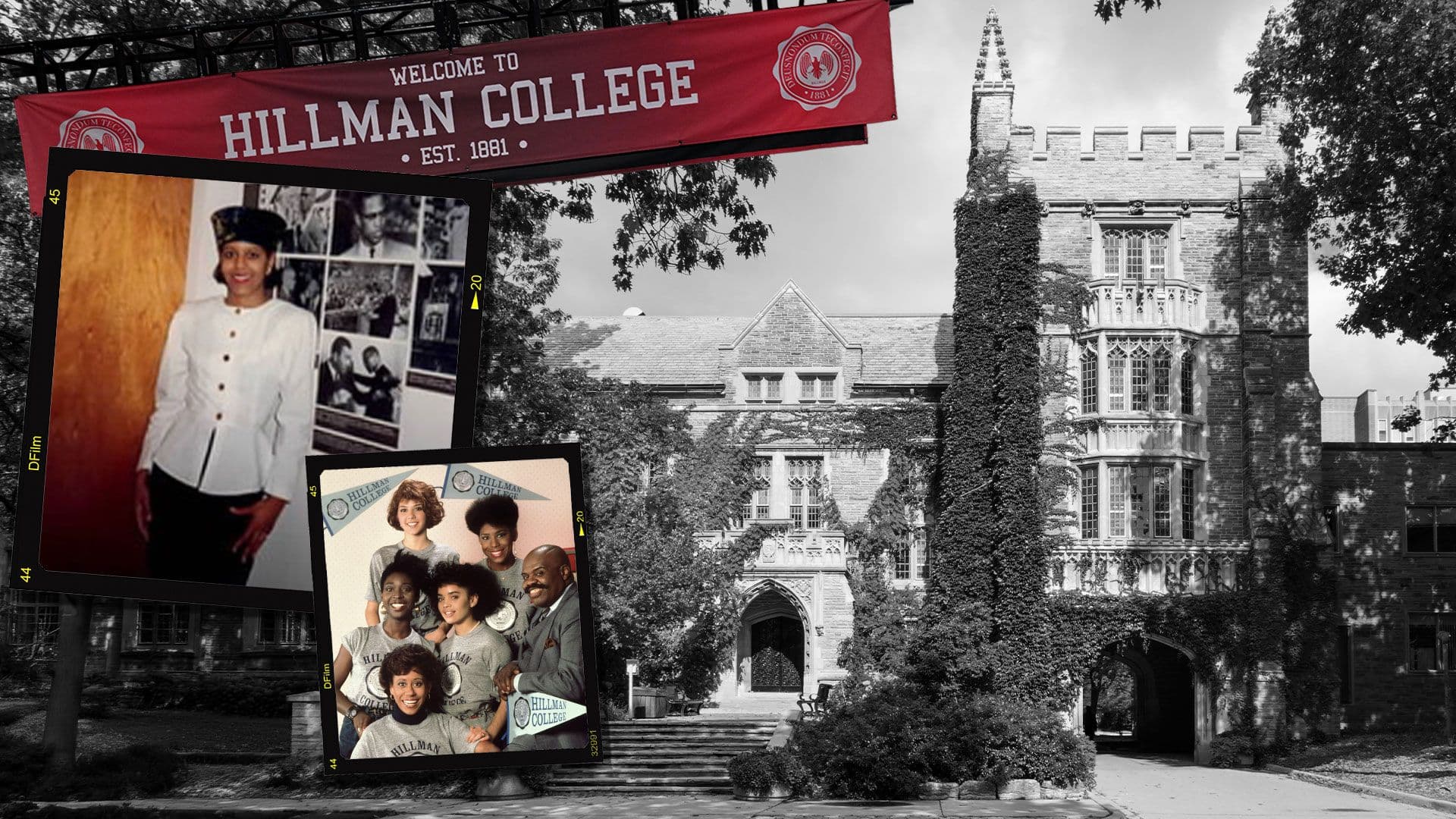
When I was at university in the early ’90s, A Different World was must-see TV. Every Thursday night, the sitcom – set at fictional Hillman College in the American South – drew my roommates and me, with our bowls of Kraft Dinner, popcorn and instant noodles, to the living room of our off-campus apartment.
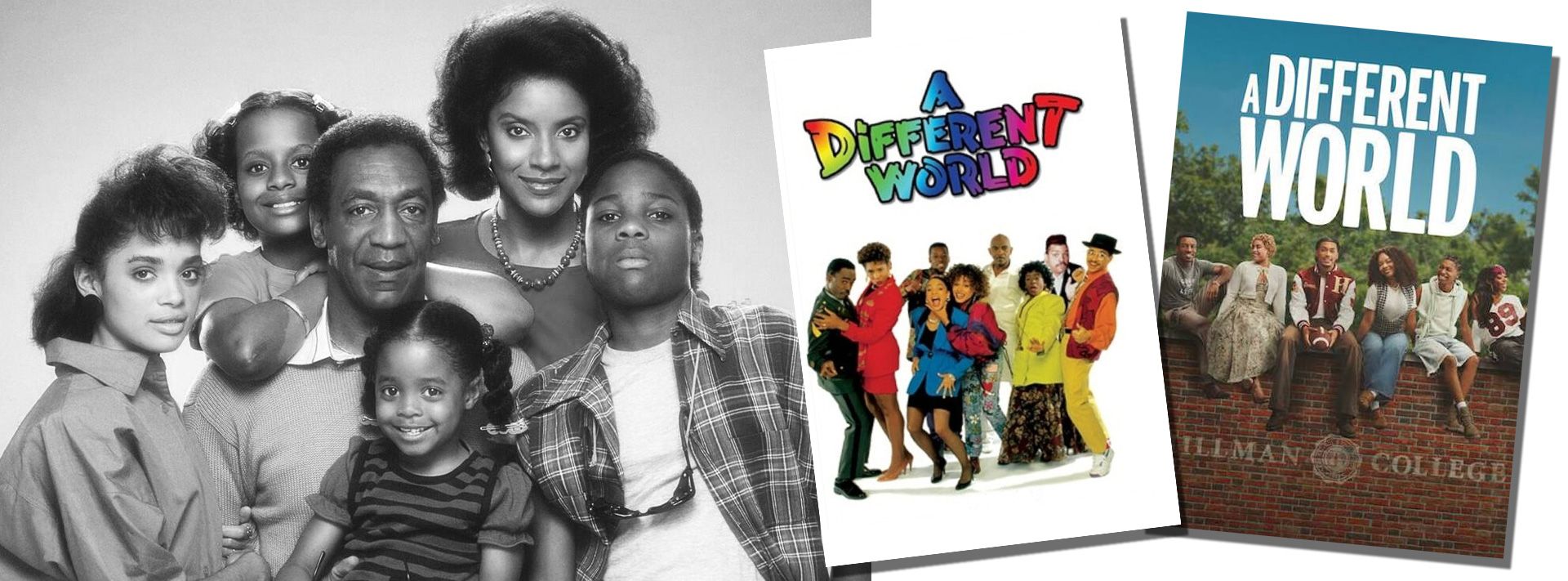
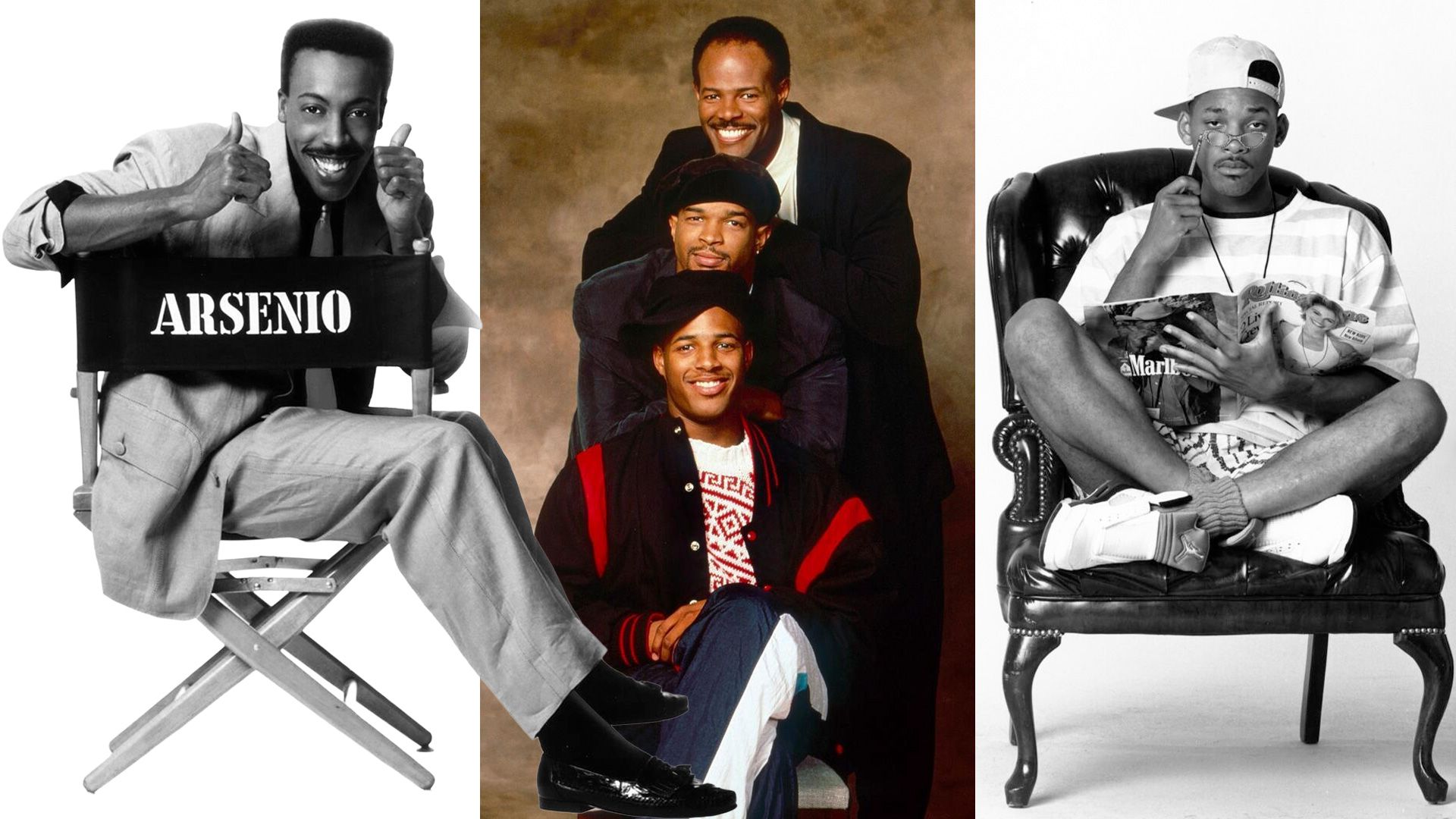
Lucky us to be young Black adults pursuing post-secondary education at McMaster University, in Hamilton, Ont., just as NBC debuted the first television series spotlighting students at a Historically Black College and University (HBCU). At a time when screens rarely reflected our realities, it was like looking in a mirror. The Cosby Show (which begat A Different World) was relatable, but the extreme wealth of The Fresh Prince of Bel-Air and incessant media portrayals of Black crack addicts and gangbangers were harder to access. The Arsenio Hall Show, In Living Color, Martin and Def Comedy Jam delivered song, dance and punch lines, but only A Different World met us where we were.
It seems absurd now how pioneering it was to see young Black people fussing about politics, planning careers as doctors, lawyers and engineers, falling in and out of love, protesting injustice, discussing African and American history and preparing for graduate school – all on a prime-time network. The show was meant to be a vehicle for The Cosby Show’s bohemian middle daughter, Denise Huxtable, but she was written out of the program after the first season when Lisa Bonet, the actor portraying Denise, got pregnant with her and her husband Lenny Kravitz’s daughter, Zoë. Creator Bill Cosby nixed the baby storyline, proposed by showrunner Debbie Allen, because it was contrary to his wholesome branding, which we now know was contrary to his criminal sexual behaviour over decades.
Math nerd Dwayne Wayne (Kadeem Hardison) and spoiled Southern debutante Whitley Gilbert (Jasmine Guy) became the emotional and comedic hearts of the production, which also gave early TV roles to burgeoning talents like Halle Berry, Tupac Shakur and Loretta Devine.
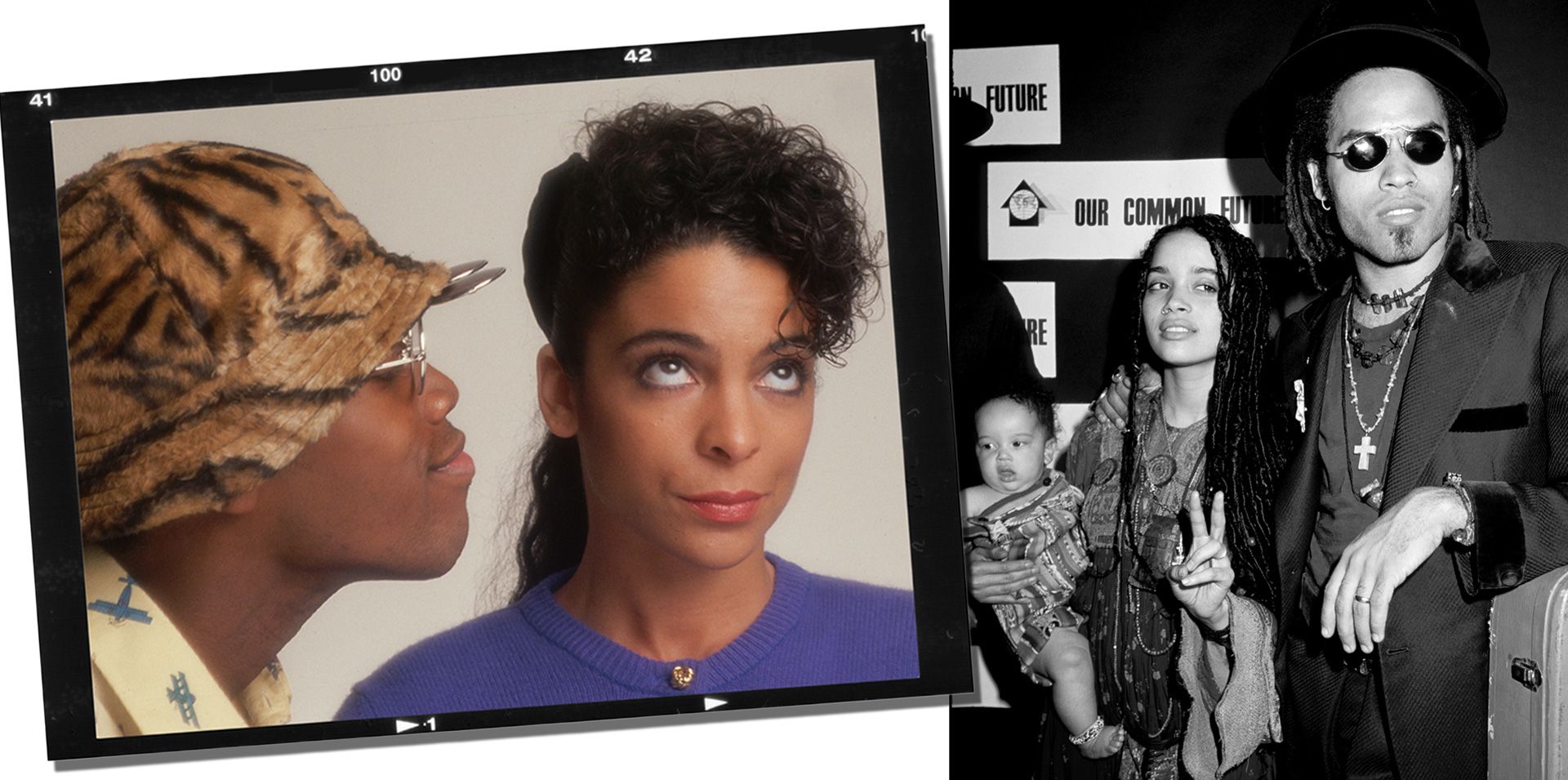
The characters grappled with the institutional dynamics and academic, sociopolitical and sexual awakenings we were experiencing in real time, against the same backdrop of geometric haircuts, Afrocentric garb, soundtracks featuring Keith Sweat, Gladys Knight, Heavy D & the Boyz, and the poetry of Gwendolyn Brooks and Ntozake Shange. I even spotted the exact Bob Marley poster I had in my room.
Decades on, I know that rebellion and anxiety pervade every generation’s campus experiences, but during my time at university, the nascent activism and yearning for representation and equality seemed exceptional. Like our Hillman doppelgangers, we agitated for our school to divest from apartheid South Africa and held robust Men Are from Mars, Women Are from Venus-style debates, emboldened by a semester or two of women’s studies and a growing understanding of the intersection of race, gender and power.
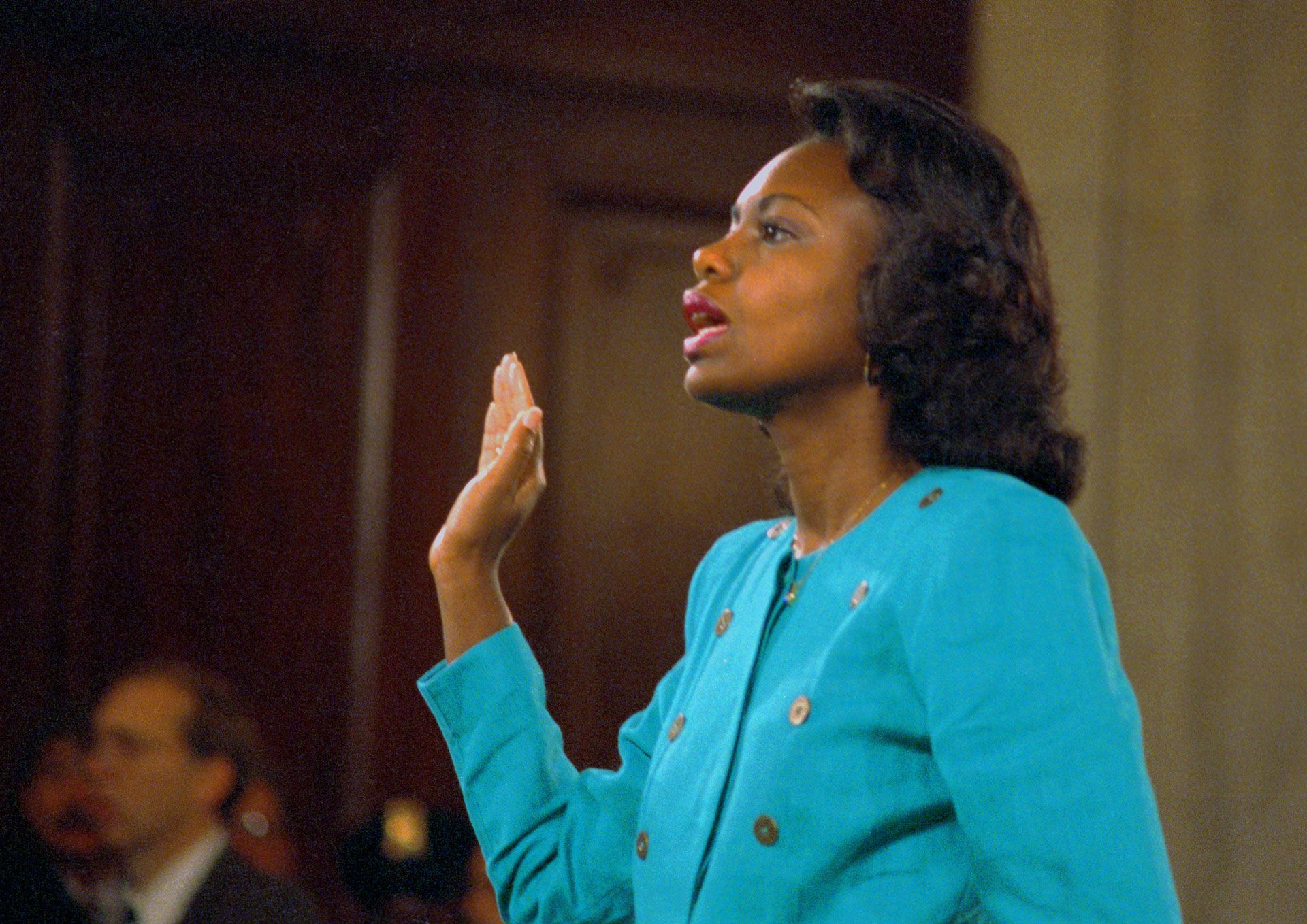
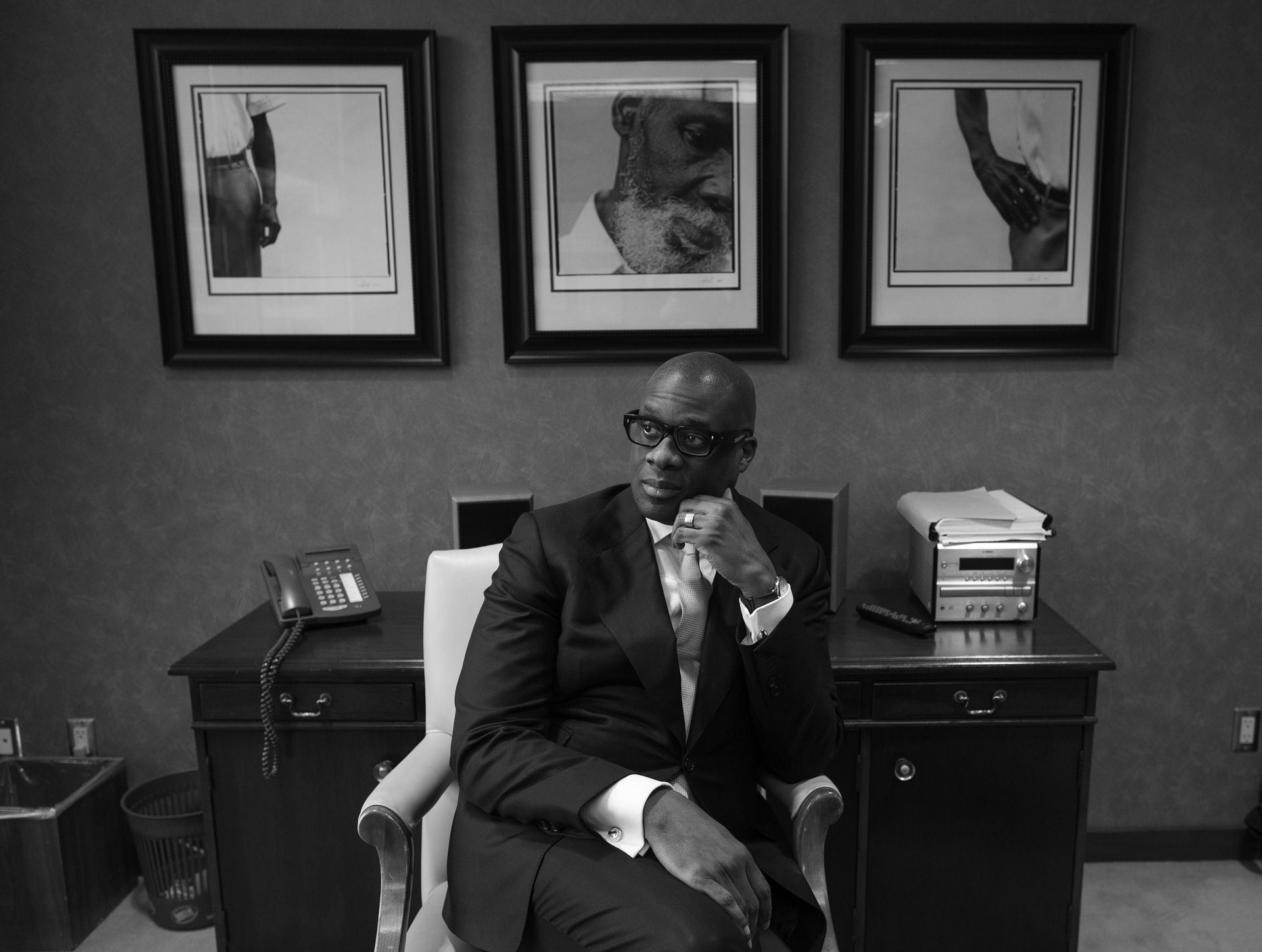
In 1991, when Black feminists were rattled by Mike Tyson’s rape allegations and Anita Hill’s testimony accusing Supreme Court nominee Clarence Thomas of sexual harassment, we quoted the A Different World episode about consent. “If a woman says no and you don’t listen to her, it’s rape,” the coach, played by comedian Sinbad, told Dwayne Wayne, who then dashed off to rescue unwitting, free-spirited Freddie Brooks (imbued by Canadian American actor Cree Summer) from a predatory suitor. That declaration steeled us when Tyson’s accuser and Hill were labelled opportunists and race traitors by some Black men and women.
Unlike the cohort of predominantly-Black Hillman, which centred African American fashion, music and culture, we, children of Caribbean and African immigrants, were among a handful of Black students in our classes or programs at Canadian universities where curricula were dominated by Eurocentric canons and perspectives. Starved for diversity during my four-year English program at McMaster, I signed up for Southeast Asian Literature, Biblical Literature and every class taught by the white Trinidadian prof who, sadly, didn’t offer his African American Literature course during my tenure. We found community in the Afro-Caribbean Students Association, which hosted fashion and talent shows and brought in noted activists and scholars like Kwame Ture and John Henrik Clarke for speaking engagements, and we pondered how to push for Black faculty and an African-Canadian Studies department. We also supported our counterparts at the University of Western Ontario in their fight against psychology prof Philippe Rushton, who taught that Black people were inferior.
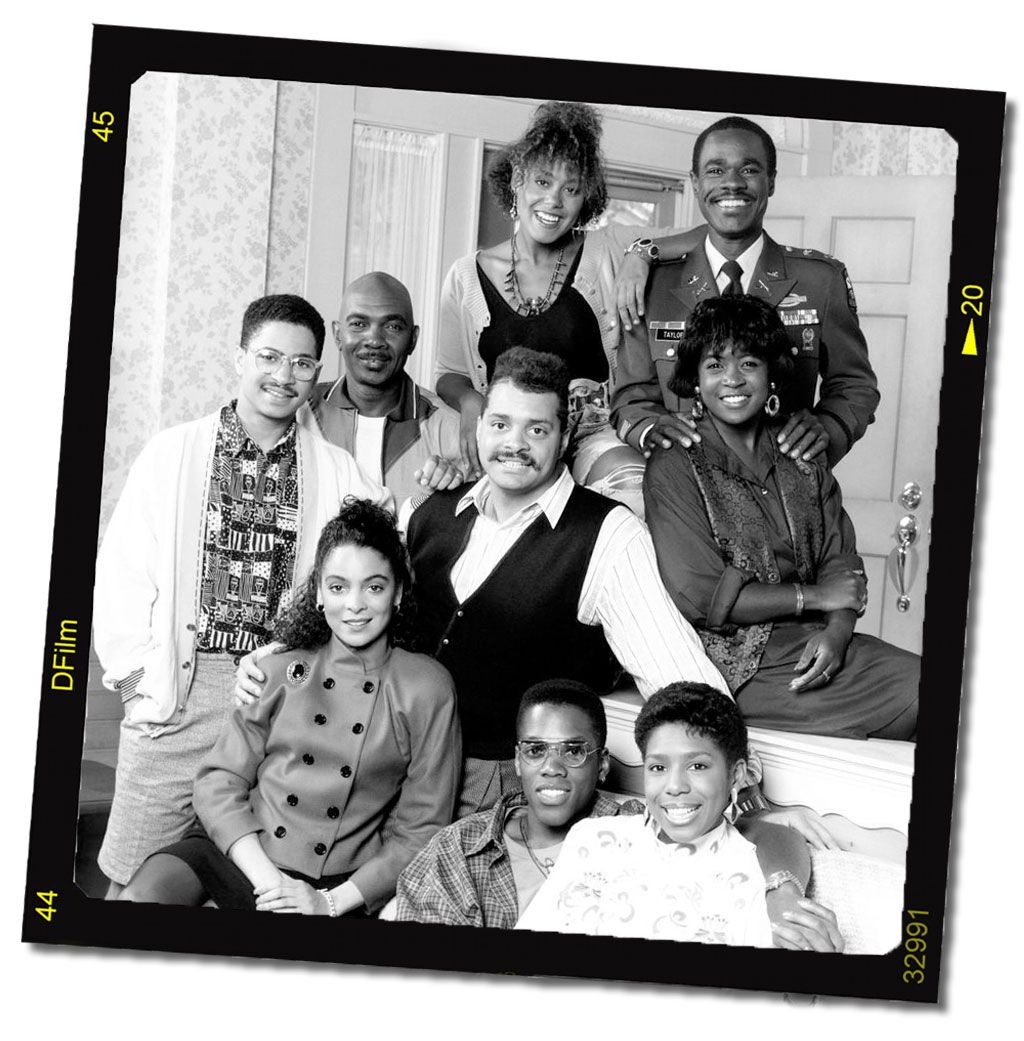
Like the Hillman gang, we persevered. A Different World’s 1987 to 1993 run has been credited with increasing HBCU enrolment and overall attendance of Black students in higher education. My McMaster era yielded Ontario Court Justice Donald McLeod and The Lion King dancer Rhonda Roberts. I landed at Canada’s biggest newspaper.
Having redefined the depiction of young Black adulthood, the series also expanded Black representation on TV. Later shows like Living Single and Girlfriends kept pace with the ambitions, friendships, romances and professional lives of Black Gen X in ways Friends and Sex and the City didn’t and paved the way for innovative millennial chroniclers Atlanta and Insecure.
So, it was in a sentimental, curious mood that I tuned into Netflix’s A Different World sequel which debuted this fall, 39 years to the day of the original show’s premiere, with a comely and talented crew of freshmen. The reboot, which charted in the streamer’s worldwide Top 10 and has already inked a sophomore season, follows the exploits of Deborah, the well-meaning but defiant daughter of Dwayne Wayne and Whitley Gilbert. Once again, bright-eyed Black students are pictured working their way through social, parental, academic and financial drama. The playlist is an inviting blend of R&B, hip-hop and Afrobeats, with eye-catching global fashions to match.
Like the brash era it launches in, and minus Cosby’s strong-arming of respectability, perhaps, the show is less prudish and euphemistic. It includes a randy gay character and references to polyamory and HIV prevention drug PrEP. We did wonder how Dwayne and Whitley waited so long to “knock boots” back in the day. From a northern lens, the sitcom remains soundly American – referencing gun violence, ICE detentions and fraternity life – but decades of BET, reality TV and social media have informed us. And Black Canadian representation is not as fraught when Drake is the most successful artist of the streaming era, and shows like Da Kink in My Hair, Bria Mack Gets a Life and Lakay Nou have given us visibility.
Key members of the earlier production are back for the redux, including executive producer Debbie Allen and actors Guy, Hardison, Summer and Jada Pinkett. Anticipation is high for Lisa Bonet to turn up in season 2 as an erstwhile Dwayne Wayne crush and mother of Deborah’s love interest. The return of the legacy ensemble sees the sitcom once again resonating with my peers. Now battle-tested parents, spouses, executives, business owners and budding retirees, we’re in our 50s and 60s and weary from the personal and professional challenges echoed on the show and its sidelines, particularly the aging discourse that the reprise has triggered.
Social media has been cruelly atwitter about the evolution of Guy, 64, who was a lithe, Prince lookalike when the series first aired. As we’re all trying to stay healthy and keep the Black from cracking, we know the criticisms of being too fat, too skinny or relying too much or too little on injectables and glam. It doesn’t take a Gender Studies degree to understand why Guy and the other seasoned women returnees are getting more scrutiny than their male costars.
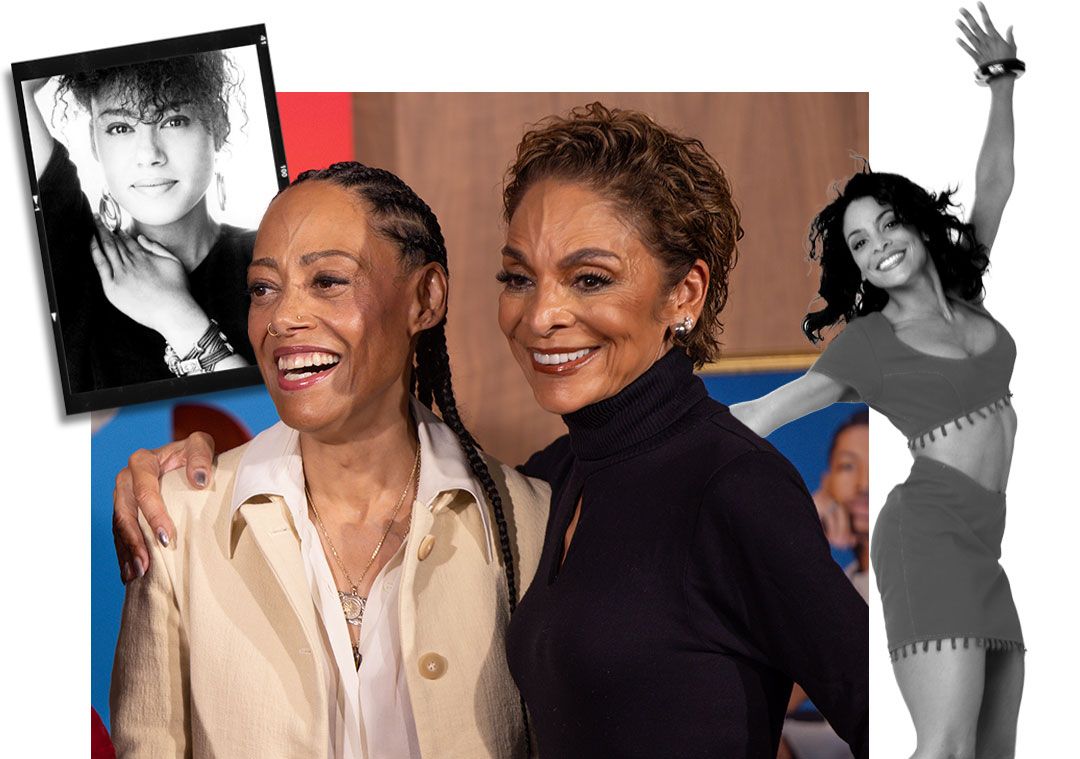
Upon revisiting A Different World’s early seasons, I think the real outrage is that Guy – a triple-threat actress-dancer-singer and winner of multiple NAACP Image Awards for Outstanding Lead Actress in a Comedy Series – never received an Emmy nomination. Her expressiveness, timing and exaggerated Southern belle mannerisms stole the show and paved the way for recent comedy category winners like Abbott Elementary‘s Sheryl Lee Ralph and Quinta Brunson and The Bear’s Ayo Edebiri.
There was so much natter about her appearance that the Atlanta-based, divorced mom of one daughter weighed in on Instagram. “The internet can be brutal to women as we grow older,” Guy posted. “It asks us to celebrate life while criticizing every sign that we’ve lived it. … Let’s spend less time judging ourselves and each other, and more time loving each other, making memories and living the life we’re here to live.”
Amen, sister.