

Two actors, two once-in-a-lifetime roles and numerous insurmountable obstacles. That doesn’t exactly sum up the entirety of I Play Rocky and Elsinore, but it’s close enough to put these two new releases in a head-to-head battle for what movie you should see this weekend and whether the filmmakers and actors need to make room on the mantle for some award season hardware.
THE STORIES
I Play Rocky tells the origins of the 1977 Best Picture winner, Rocky, which was written and directed by then-unknown actor Sylvester Stallone. This is pure feel-good fare from Peter Farrelly, director of 2019 Best Picture Oscar winner Green Book, and has cinematography not unlike the best ’70s New York movies. But instead of giving us the psychological darkness of a Mean Streets or Taxi Driver, this is mostly a happy-go-lucky account of a lovable lug, who at his darkest moment was temporarily homeless – and even then he sleeps on the street curled up with an adorable stray pup. The rest of the time our hero, Sly, is working as a fishmonger or valet and frantically writing a decent film part for himself – hence the titular declaration to all who try to knock him down, “I Play Rocky.” It’s such a positive portrayal you’d think this was an authorized telling with Stallone hanging around on set, but he apparently had no part in its making.
In Elsinore, Scottish actor Ian Charleson, the star of 1982 Best Picture winner Chariots of Fire, is having trouble turning that success into a Hollywood career. We see him in London in 1989, viscerally jealous that rising star and soon-to-be Oscar winner Daniel Day-Lewis was starring as Hamlet at the National Theatre. When tables turn and Charleson’s asked to step in, it coincides with the appearance of his first Kaposi sarcoma lesion, a sign that his HIV/AIDS illness is progressing. To be Hamlet (and make oneself sicker) or not to be Hamlet (perchance to live longer) is the question. The movie only exists because Charleson chose the former, taking on the Everest of theatre acting, proclaiming, “I’d rather die of Hamlet, than AIDS.” His family and friends gave background interviews to screenwriter Stephen Beresford, who also dives deep into Charleson’s struggle with not going public about his sexuality in order to pursue his acting career.
THE ACTORS
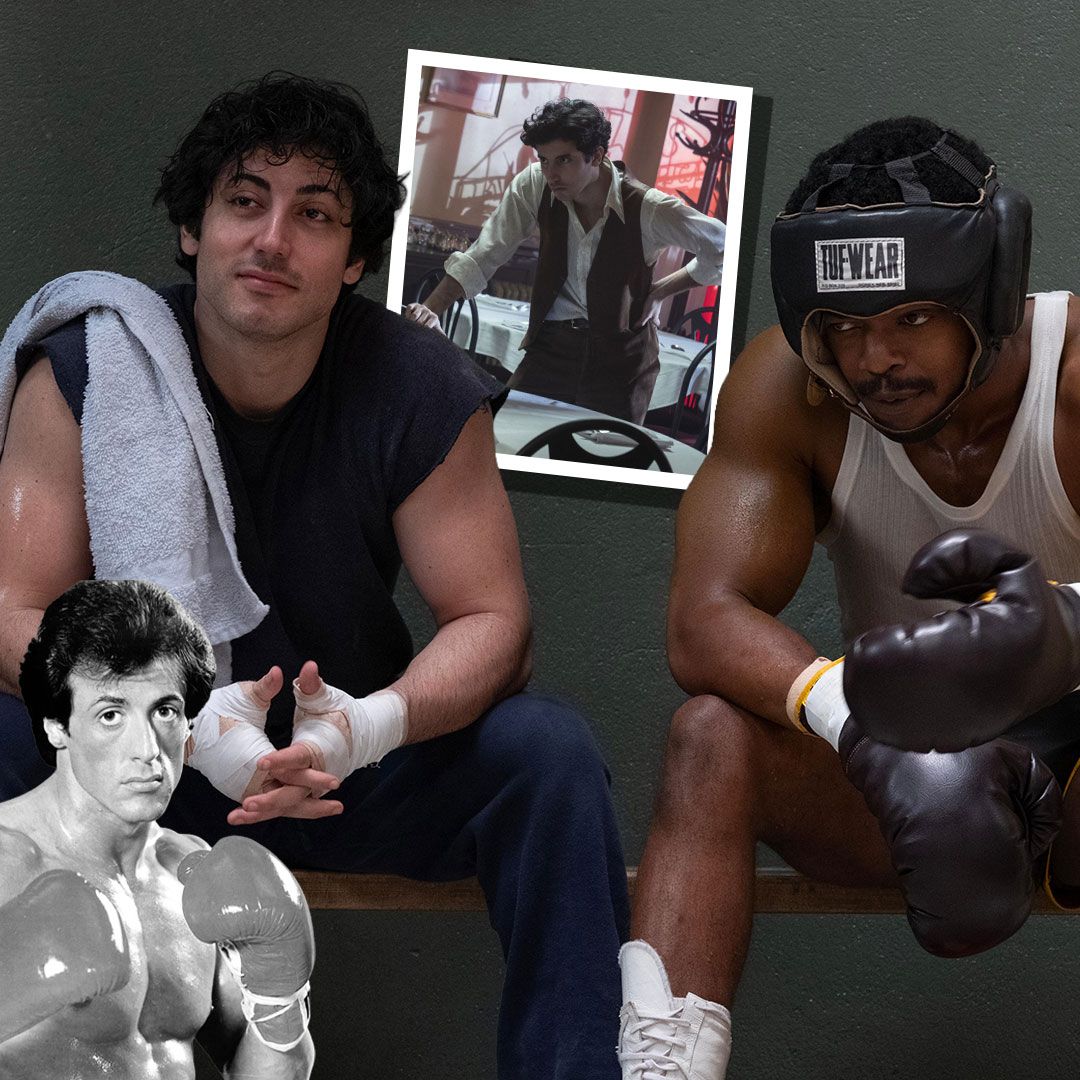
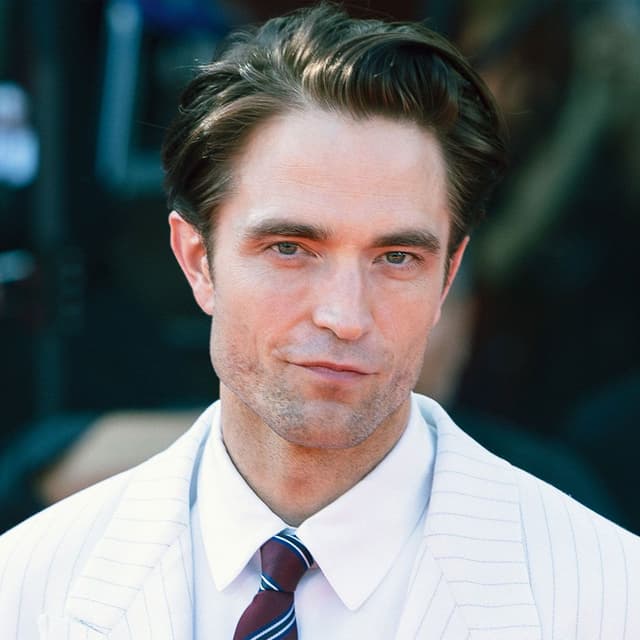
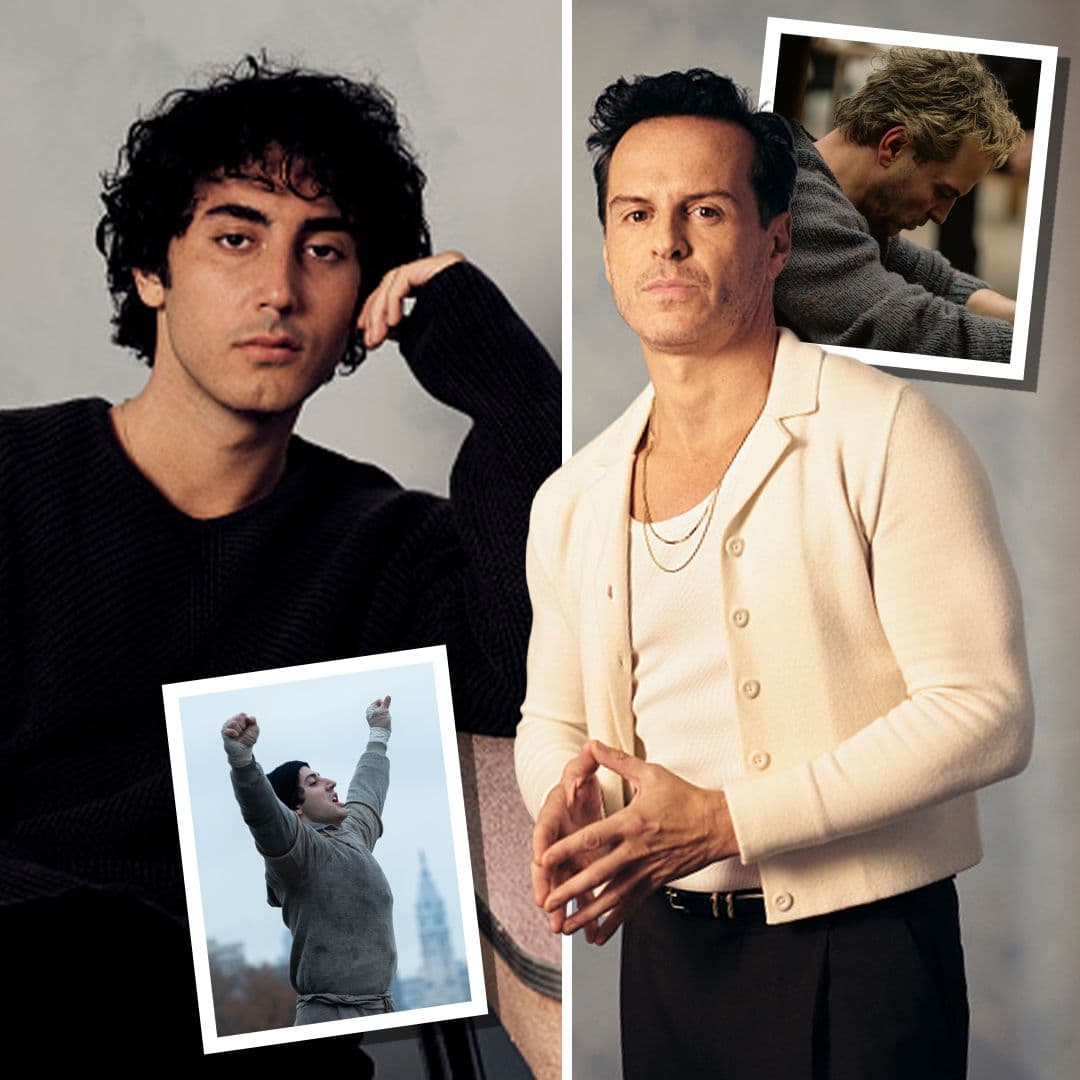
Perfecting Stallone’s physicality and marble-mouthed way of talking would have been the starting point for relative newcomer Anthony Ippoliti – who, in 2022, played Al Pacino in The Offer, a little-seen Paramount+ series about the making of The Godfather. And he does a better-than-decent job, walking and talking like an underestimated meathead. Then comes the tough part, tapping into Stallone’s artistic inner fortitude and emotional depth, which allowed him to write the ultimate underdog sports story. Despite the tough exterior, Stallone was a lover not a fighter. Ippoliti paints the picture, even if it’s in a somewhat by-the-numbers fashion. And the fact that he is giving off a Jeremy Allen White vibe throughout left me wondering what The Bear and Deliver Me From Nowhere star could have done with the role. Honourable mention goes to supporting actor Stephan James, the Canadian star of If Beale Street Could Talk, who plays Carl Weathers – a.k.a. Apollo Creed – as the comic foil, a showboat with soul, who’s not nearly given enough to do in this film.
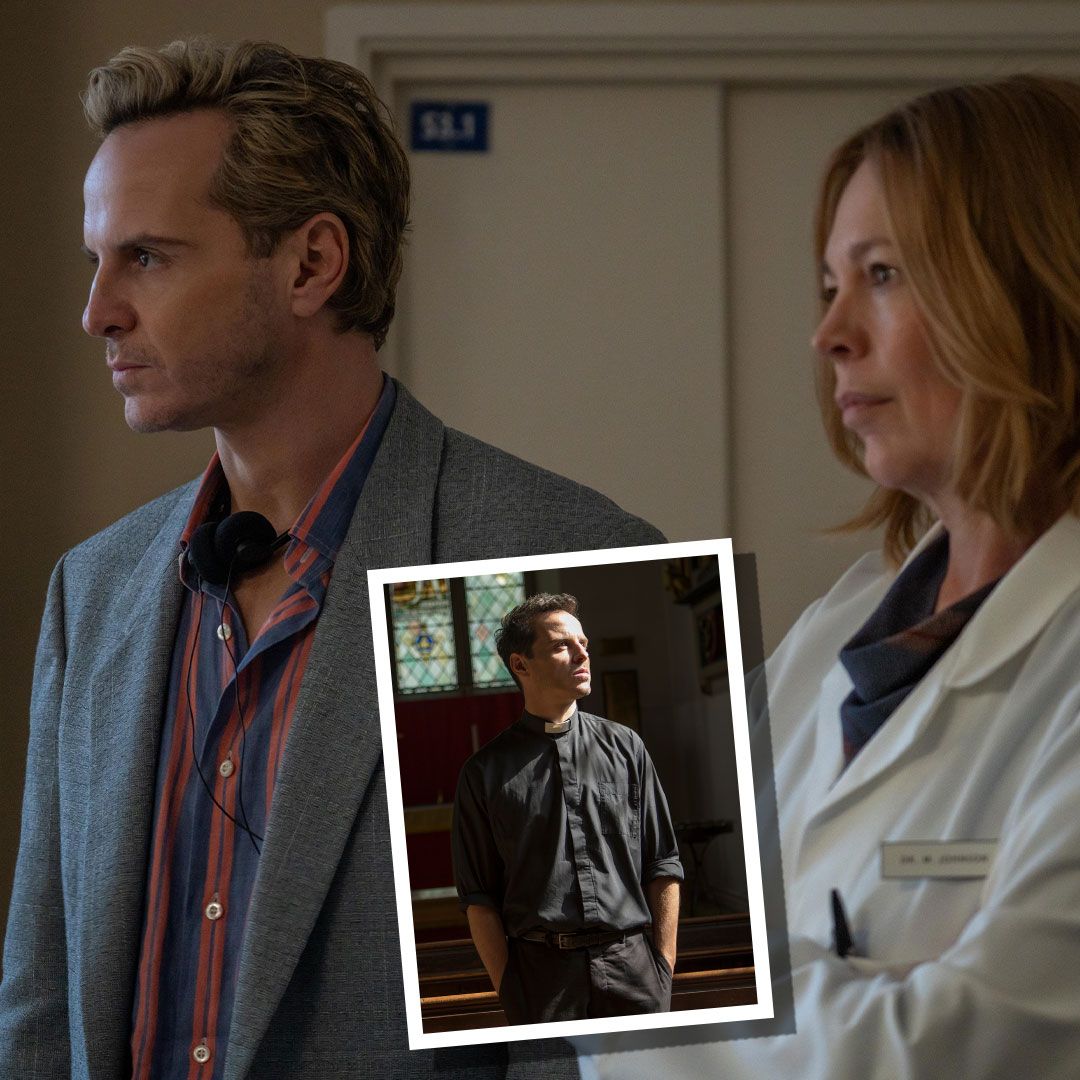
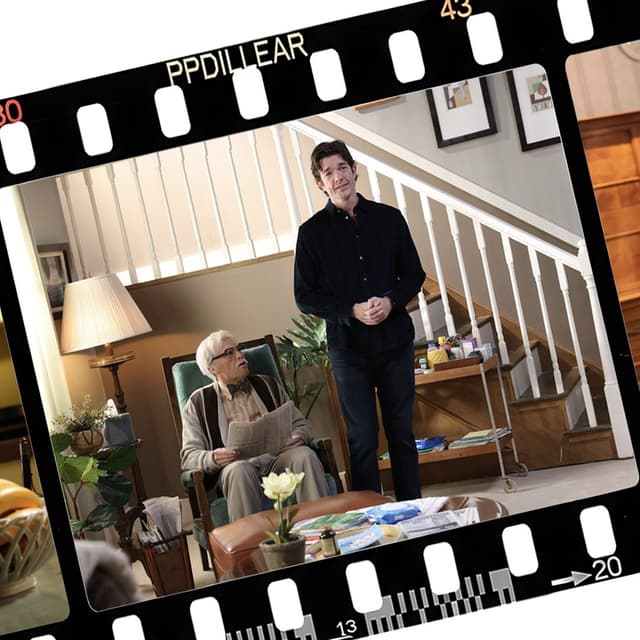
Andrew Scott may have the benefit of portraying an actor who is by no means as ubiquitous a Hollywood presence as Stallone. But playing a young-ish man dying of AIDS who’s embodying arguably the most ubiquitous literary and theatre character of all time is an acting feat not to be taken lightly. And Scott is so successful that it’s impossible to distinguish which element he excels at: Charleson as the tormented Prince of Denmark, whose performance reviewers at the time called “virile and forceful.” The Shakespearean dialogue is spoken trippingly on the tongue, with Scott using just the right amount of Charleson’s Scottish brogue (which is different from his own Irish accent). Or is he even more impressive as the off-stage Charleson, a witty and bitingly sarcastic charmer whose joie de vivre is being attacked by this not-yet-understood disease, ravishing his and so many of his friends’ bodies. Unlike Ippoliti, Scott has been working up to this particular commanding performance for a decade – it’s been exactly 10 years since his acclaimed turn as the hot priest in Fleabag (he’d already starred in the U.K.’s Sherlock) and since then there have been acting awards and nominations for his starring role in the film All of Us Strangers, TV’s Ripley and as a guest star on Black Mirror. Plus, there was that 2018 Olivier nomination for playing Hamlet on London’s West End. And now, with Elsinore, he is considered the one to beat when it comes to this year’s Best Actor Oscar. Honourable mentions go to Elsinore’s Luke Thompson of Bridgerton fame, who plays Charleson’s dreamy ex Georgie and Olivia Colman as the heroic doctor giving Charleson and the men in her care both hope and tough love.
THE THEME SONGS
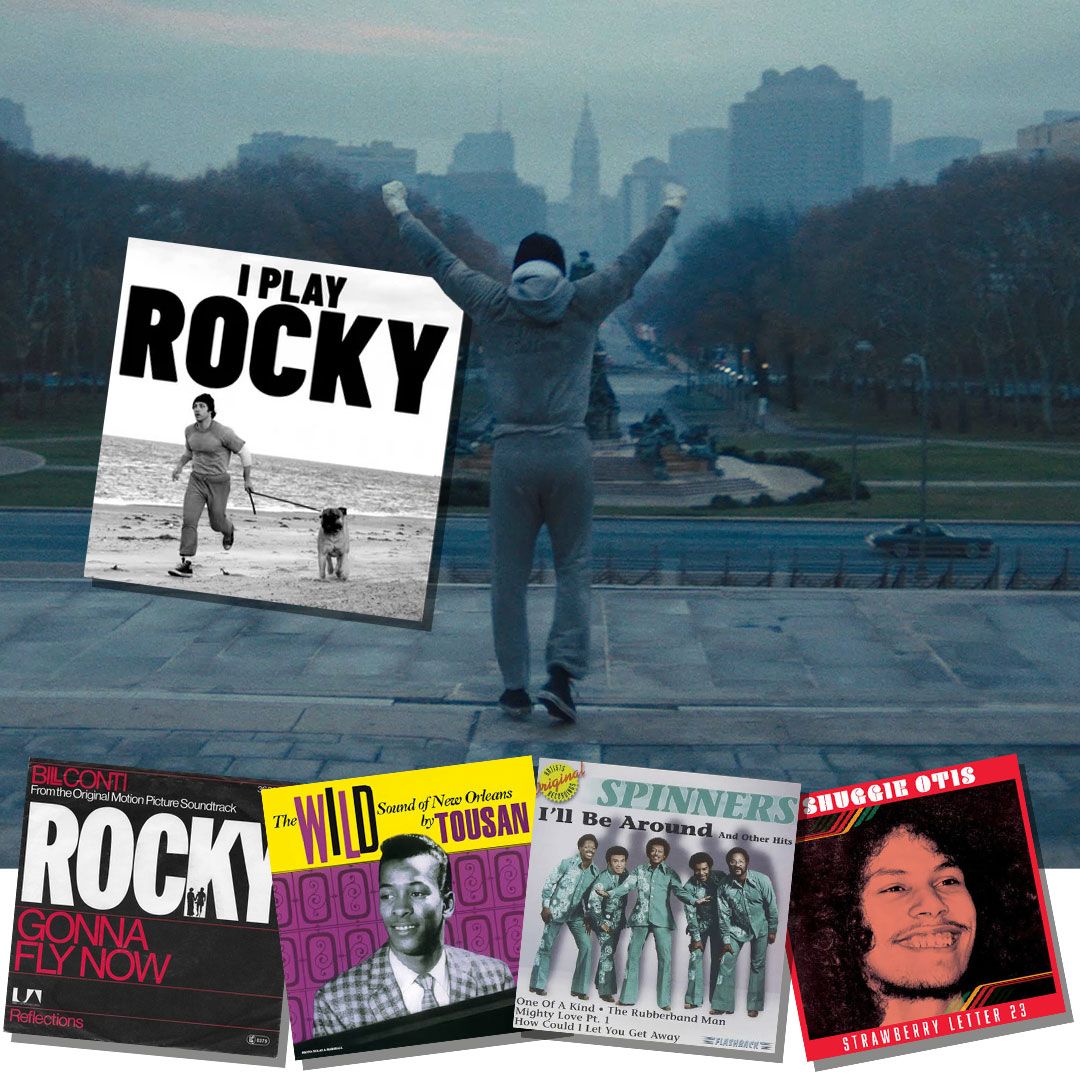
Daaaa-da-daaa! Daaaa-da-daaa! Da-da-daaa, da-da-daaa, da-da-DAAAAAA!” Inspired by a six trumpet sonatina, the brass opening to Gonna Fly Now has for decades evoked the feeling of giving it your all, pushing past your limits, running up a long flight of concrete stairs. But according to I Play Rocky, when master composer Bill Conti sent the demo to producers, the thinking was “It’s a bit over the top” – giving the new film one of its many prophetic meta-comic moments. Meanwhile, the actual soundtrack to I Play Rocky is one of the film’s best features, including ’70s soul cuts like The Spinners’ I’ll Be Around, Allen Toussaint’s Get Out of My Life, Woman and Shuggie Otis’s Strawberry Letter 23.
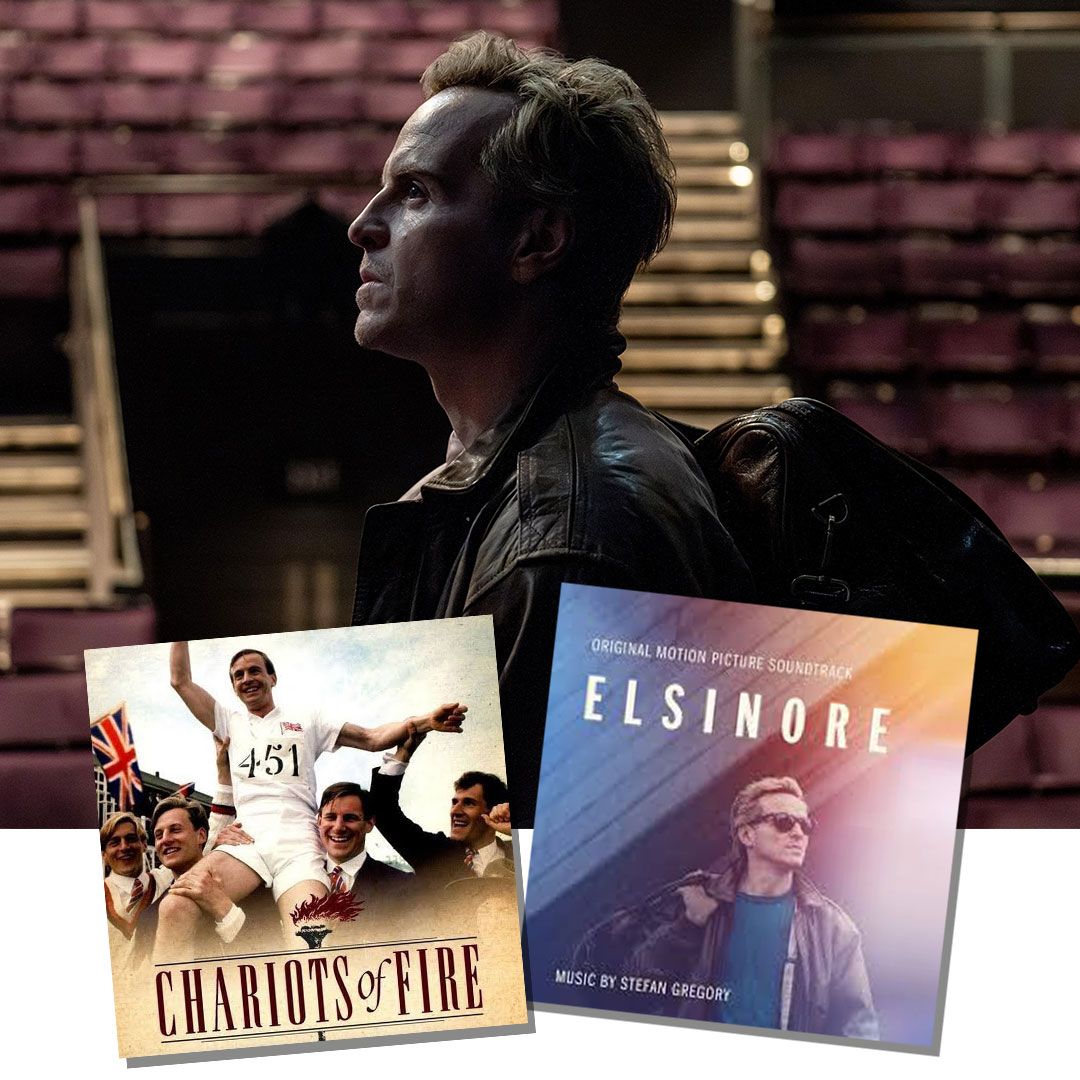
They’re running, they’re running, and the piano comes in: “Da, da-da-da, daaaaa, da … Da, da-da-da, daaaaa … Da, da-da-da, daaaaa, da … Da, da-da-da, daaaaa.” In Elsinore, that Chariots of Fire theme song is the career-long albatross around Charleson’s neck, played before each interview he does (even for new projects) and sung to him by random strangers who know nothing else of his work. But Greek composer Vangelis did win the Oscar in 1982 for Best Original Score, and Elsinore’s own score is more syrupy and will in no way live on as regally as its predecessor.
THE SCRIPTS
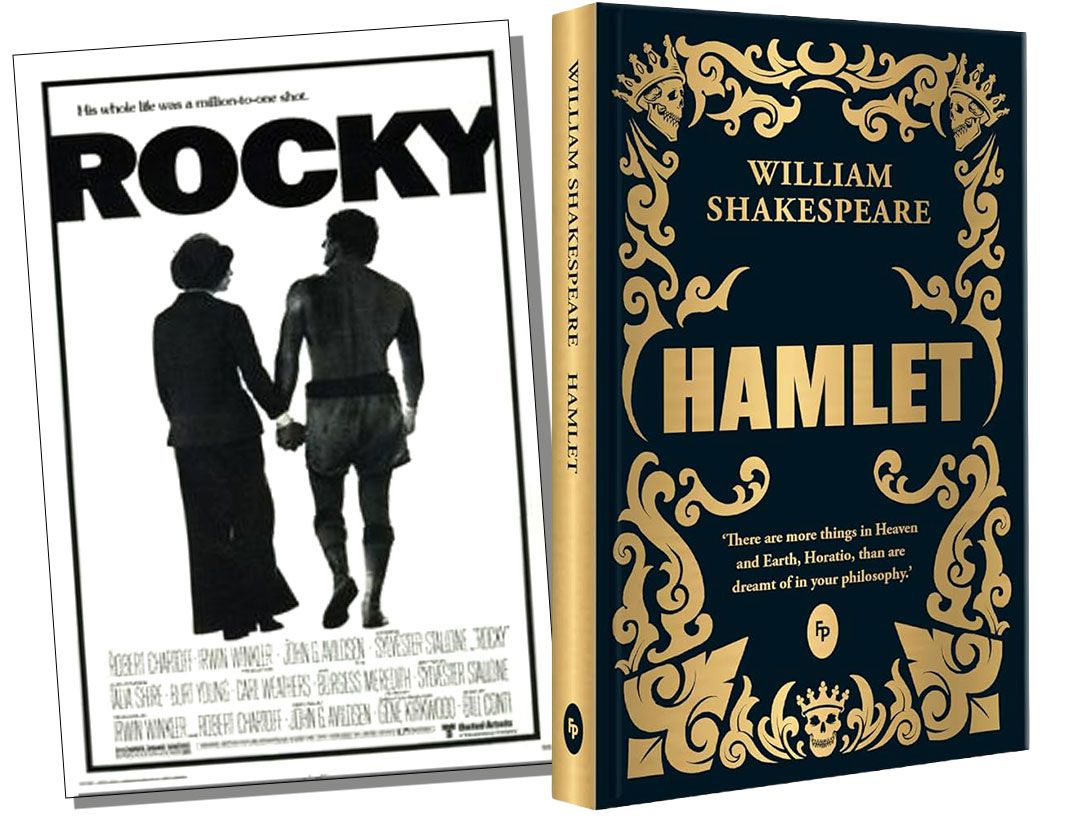
There is currently a debate about whether I Play Rocky should be considered an original screenplay or an adapted one by awards committees, weighing how much material comes from the original Rocky film. Using that logic, Elsinore would also have to be considered an adapted screenplay thanks to its extremely generous lifting of Hamlet. IMHO, both should be considered original and at the same time the point seems moot: neither script is as wildly creative or “original” as this year’s Wild Horse Nine and The Debut and shouldn’t even be looking for nods in the writing categories. In I Play Rocky and Elsinore, the performances are the thing.
LOVE IT OR LEAVE IT?
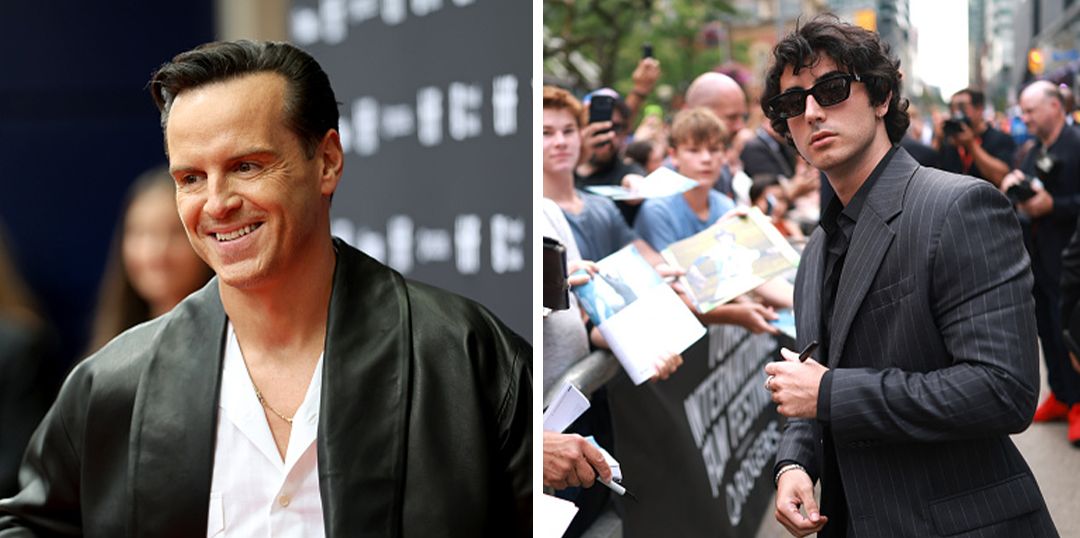
These movies are both classic Oscar bait. I Play Rocky was a crowd-pleaser with a nostalgic core that TIFF audiences cheered for. But it’s a lightweight in the current cinematic ring where films like The Odyssey, La Bola Negra and You Can See Everything are best picture frontrunners. And Elsinore, too, packs a more impressive punch, in that tragically sad, against-all-odds, not-a-dry-eye-in-the-house inspirational epic with a side of Shakespeare and emotional manipulation. I’ve seen Elsinore twice and would watch it again. As for I Play Rocky, once is enough when you can just as easily cue up the original.