The announcement this morning of the death of legendary Italian designer Giorgio Armani, 91, marks the end of a singular era of elegance as conceived by one visionary all-around aesthete. Armani was admired for his tasteful and revolutionary designs and his complete creative and business oversight of the label he launched in Milan 50 years ago this fall.
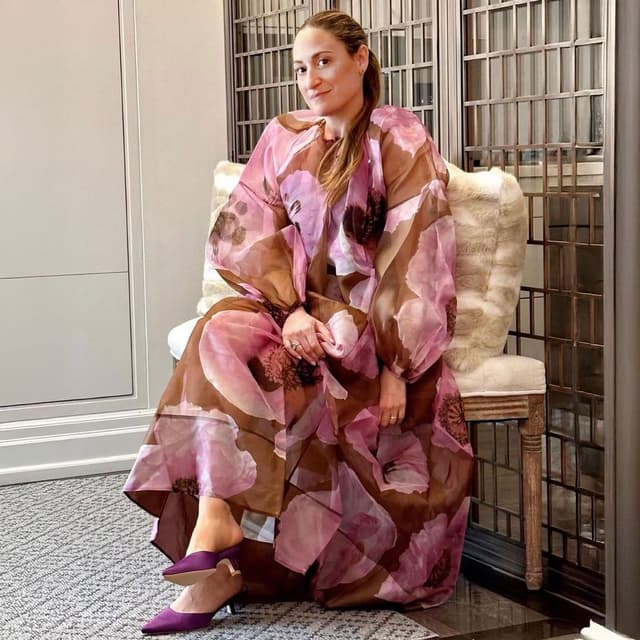
He was also a gentleman to the core. Here is my own, quite literal, brush with the man. More than a quarter-century ago, in the crush along a narrow outdoor corridor to enter a tribute show to honour the late Gianni Versace after his murder in 1997, Armani was jostled forward and knocked into my pregnant stomach. Handsome and dapper, he looked at me stricken, bowing to me as he was whisked away by the throngs. By the time I had returned to my hotel room later that night, he had had one of his team track down my identity, and flowers – with a personally signed note of apology – were already waiting. This generous effort of an apology, to an anonymous Canadian reporter for The Globe and Mail, was so telling of his keen manners and keener attention to detail.
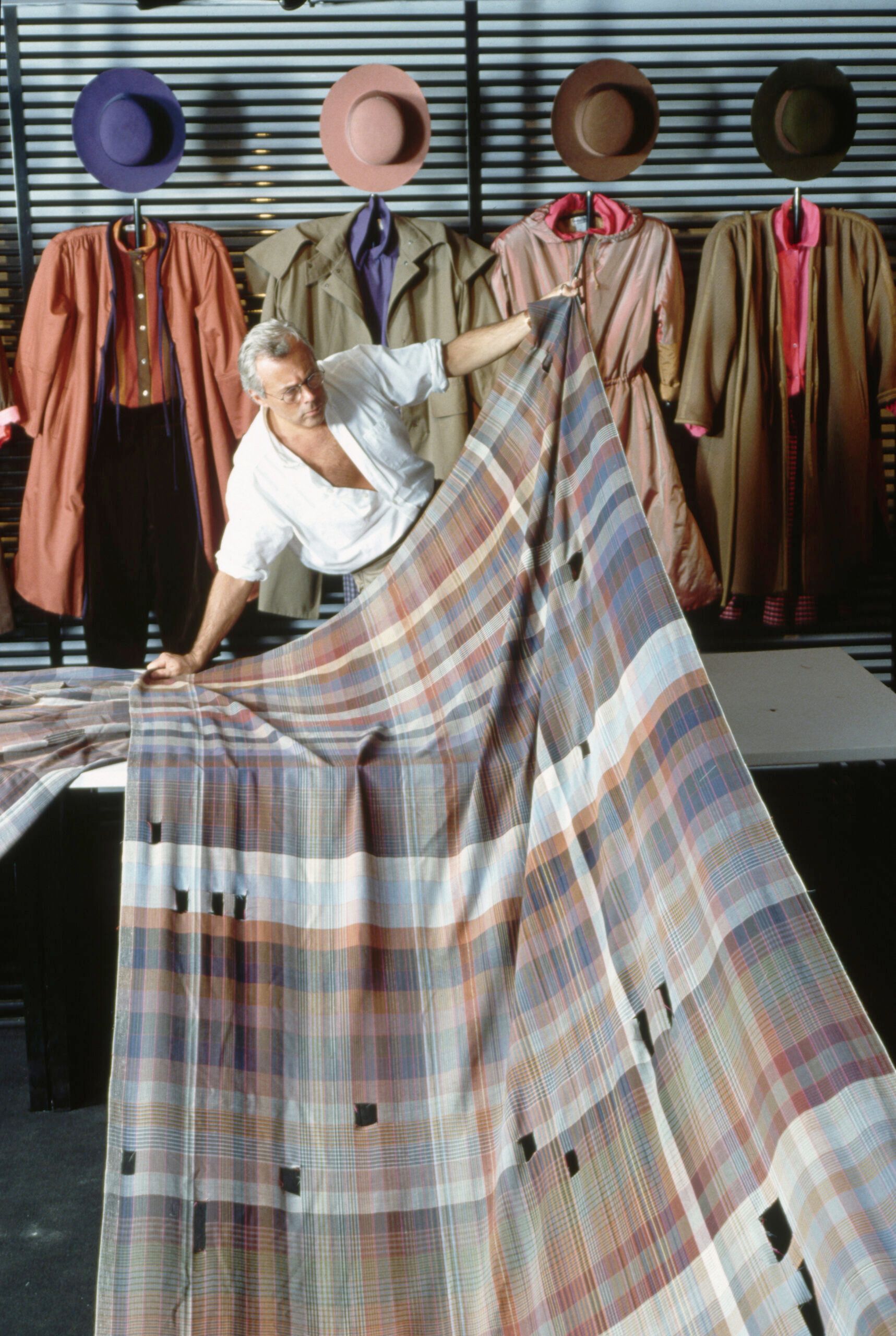
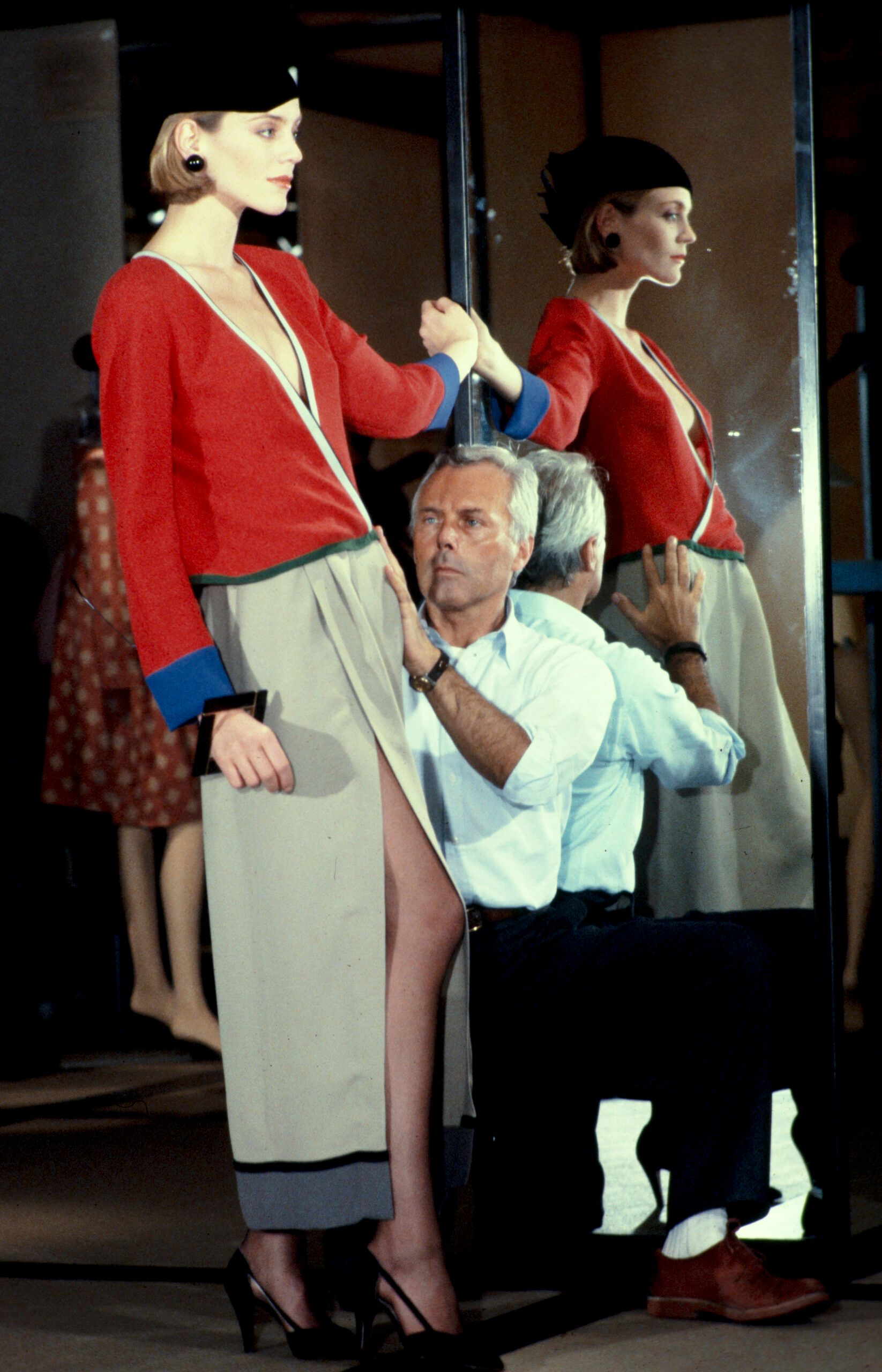
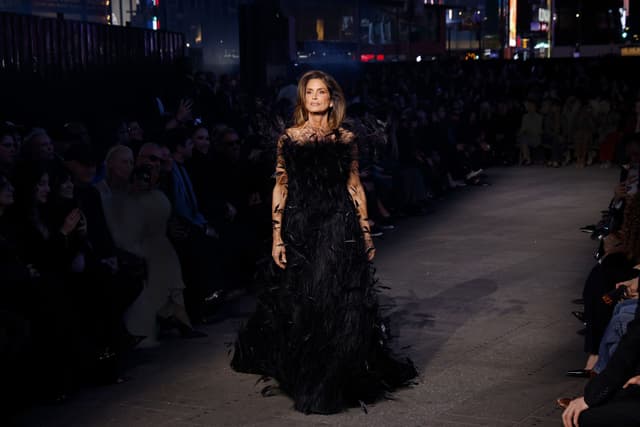
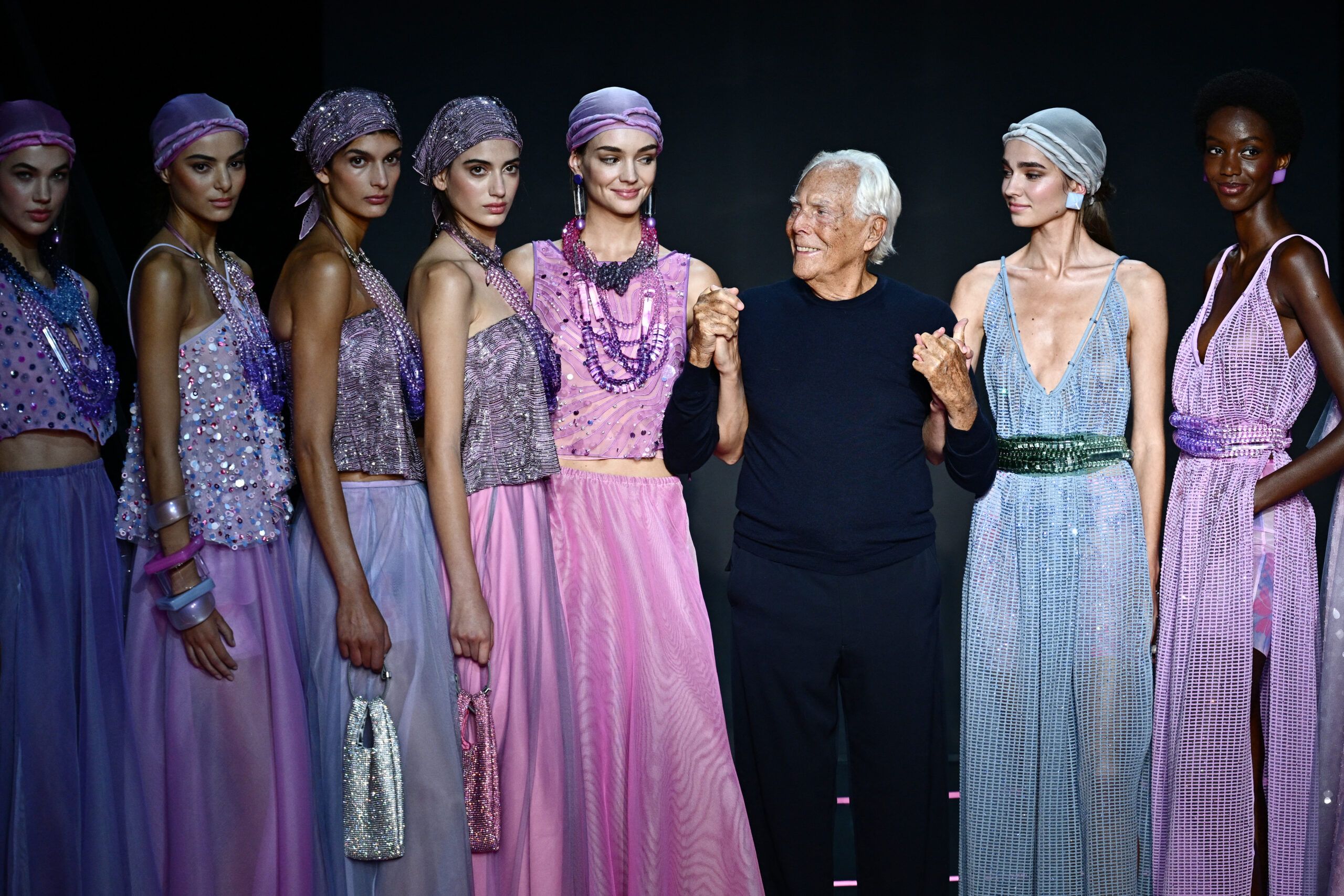
Armani’s fashion shows were a testament to the totality of his vision and his talent for flawless execution. He created an entire universe of his own good taste, every time. The shows of the ’90s and 2000s were always held at his own compound in central Milan – not for Armani were the ever-crazier show venues in farflung shuttered discos or horse palaces. He needed a place where he could control every element, from temperature (perfect) to the tie clips on his ushers. The theatre was either all black, or all cream, with every seat draped, every precisely-aligned napkin, every clipboard of every PR girl, all co-ordinated in that season’s neutral colour theme. His models, though obviously beautiful, were not chosen because of their fame nor how hot they were that season – they were there to wear the clothes. Hair and makeup were never outlandish, instead, they were always tasteful, subtle, appealing. He didn’t go in for shock value or overt messaging. The monochrome controlled backdrop made the clothing the star: the gowns made you sigh with longing, bugle beading shining in the light of the camera flashes.
But of course, it was suiting that Armani was most known for. He sprang into the public consciousness in 1980 with his wardrobe for Richard Gere in American Gigolo: the famously “unlined” relaxed jackets with no shoulder padding struck a nerve as the greed decade dawned. Suddenly, menswear was cool. The Armani suit became synonymous with Hollywood agents, Wall Street and power dressing everywhere. Heavy suiting was switched up to linen, a breathable, alive fabric: it was sensuous, seductive and clung to the body in just the right places, freeing fashion from the strictures of the Mad Men rigid suiting era. He rescued the suit from the casualization and safari jackets of the ’70s, and made the ’80s louche, unadorned, sexy.
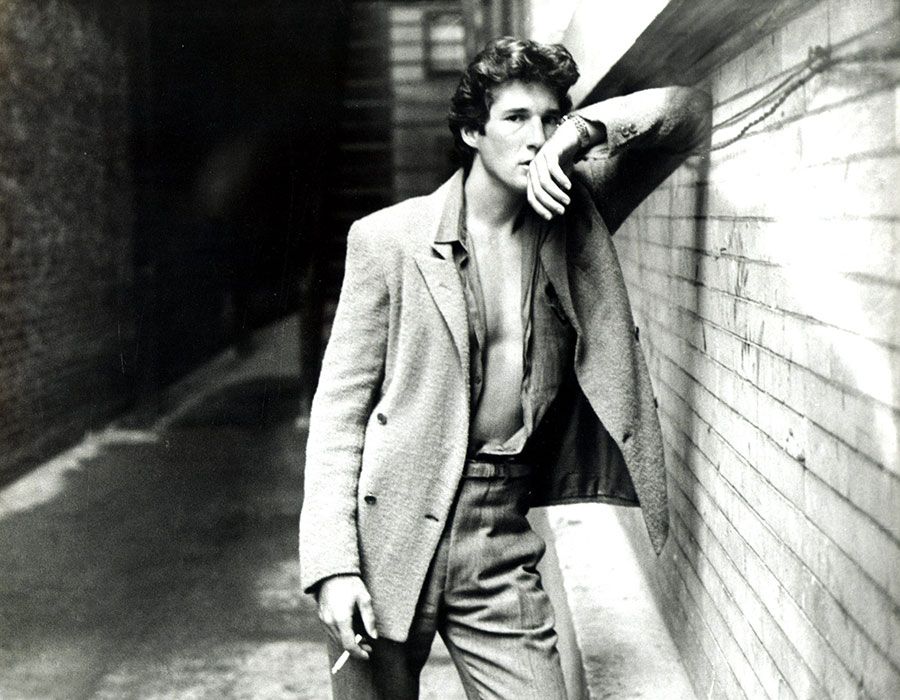
But along with all this, Armani was a deft and prescient businessman and rare creative who kept total control over the money side of things. He had his first international collections ready to ship on the heels of American Gigolo’s release and the rest was history.
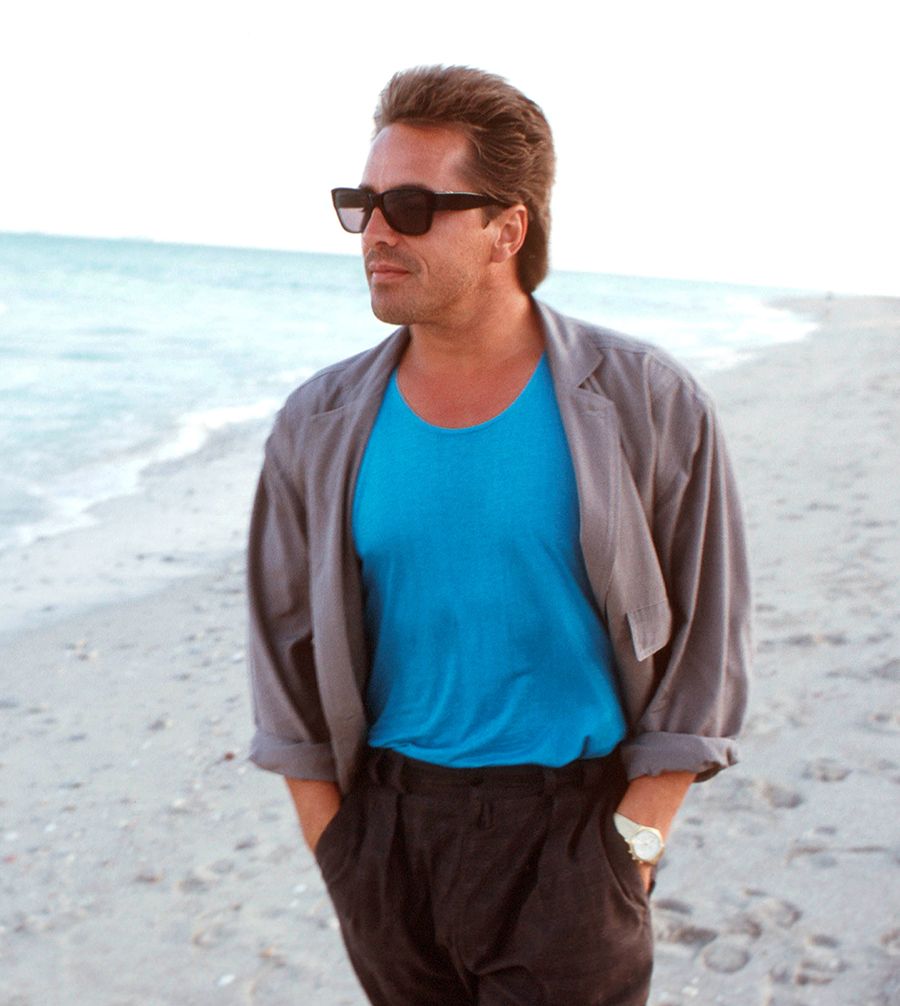
Next up on his world sartorial takeover was his connection to Miami Vice. Producer Michael Mann envisioned Don Johnson’s character James Crockett in Armani – the line was written into the first episode: “I will be in Armani, you will be wearing a wire” – and the costume team worked with the designer to come up with the pastel unstructured jacket and T-shirt look that trickled down to the masses.
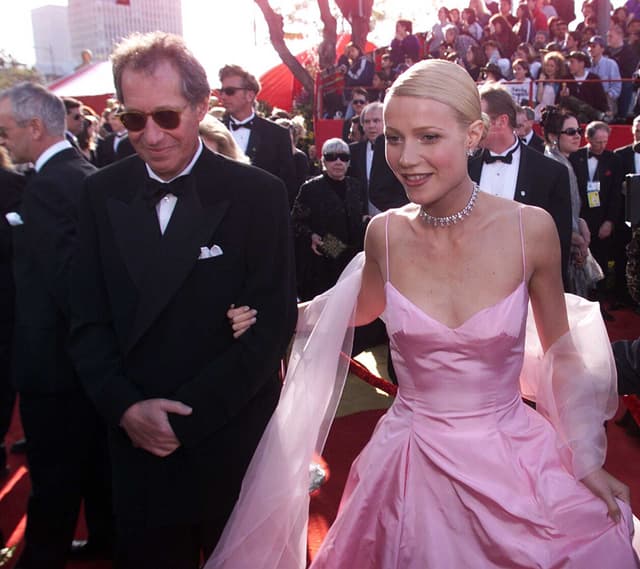
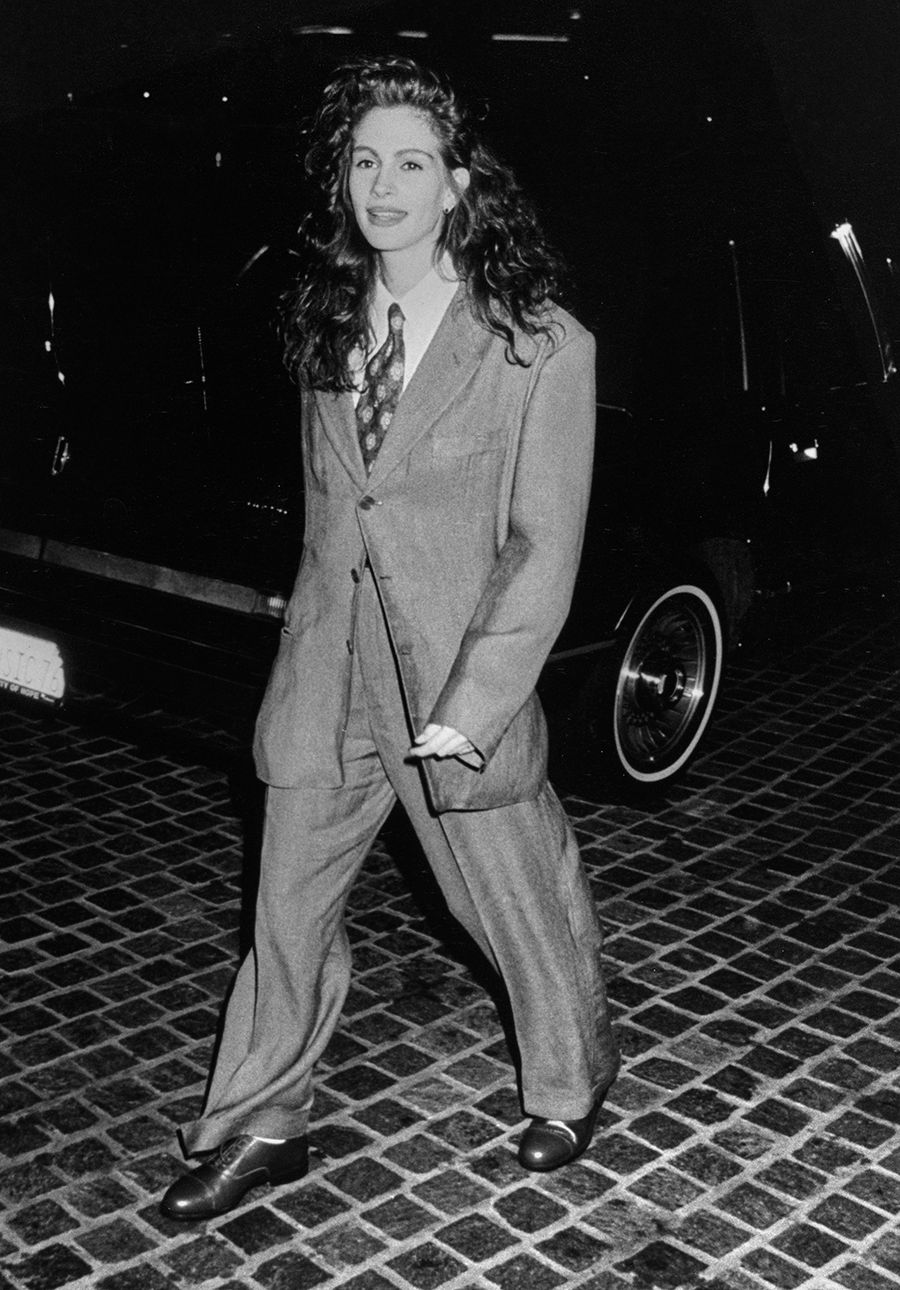
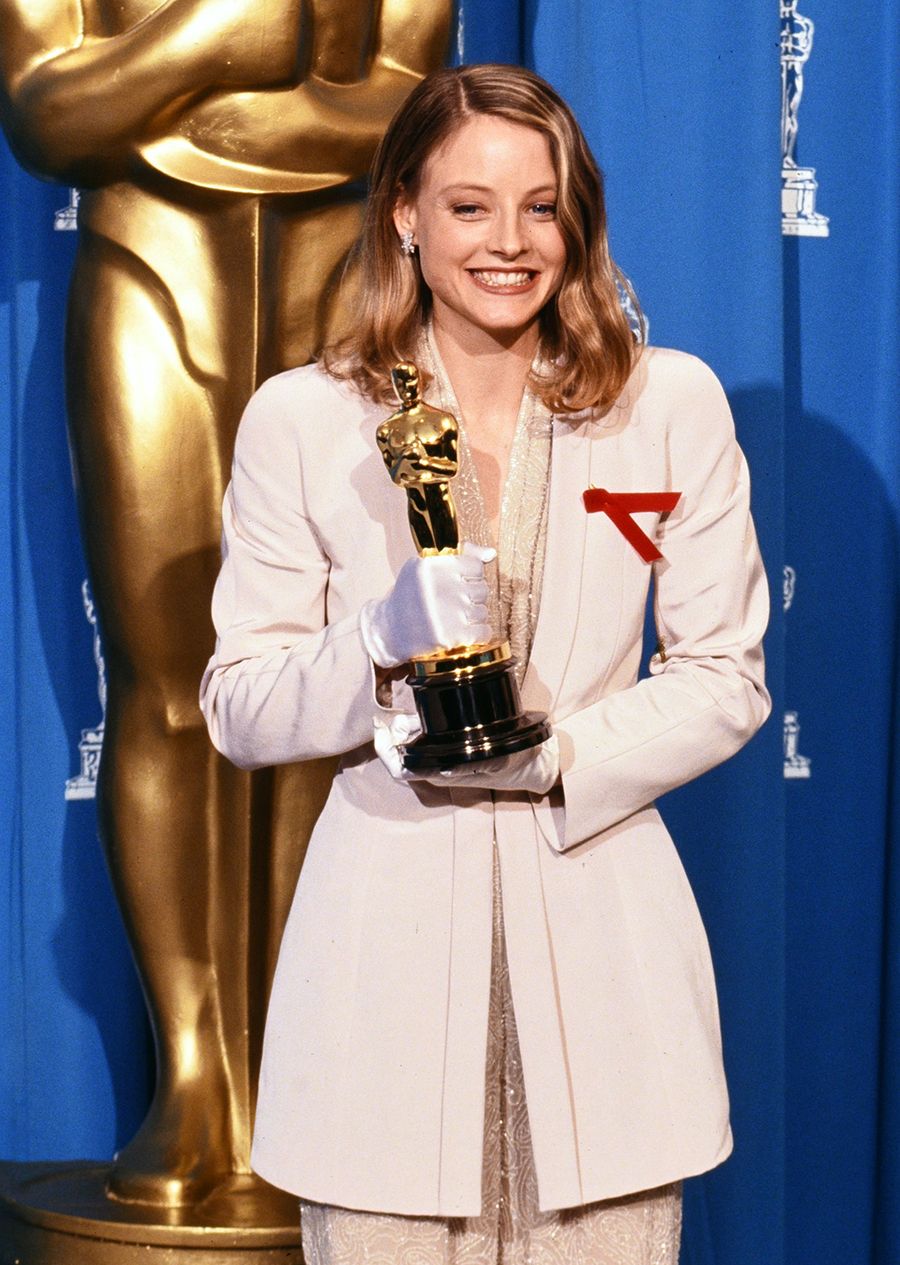
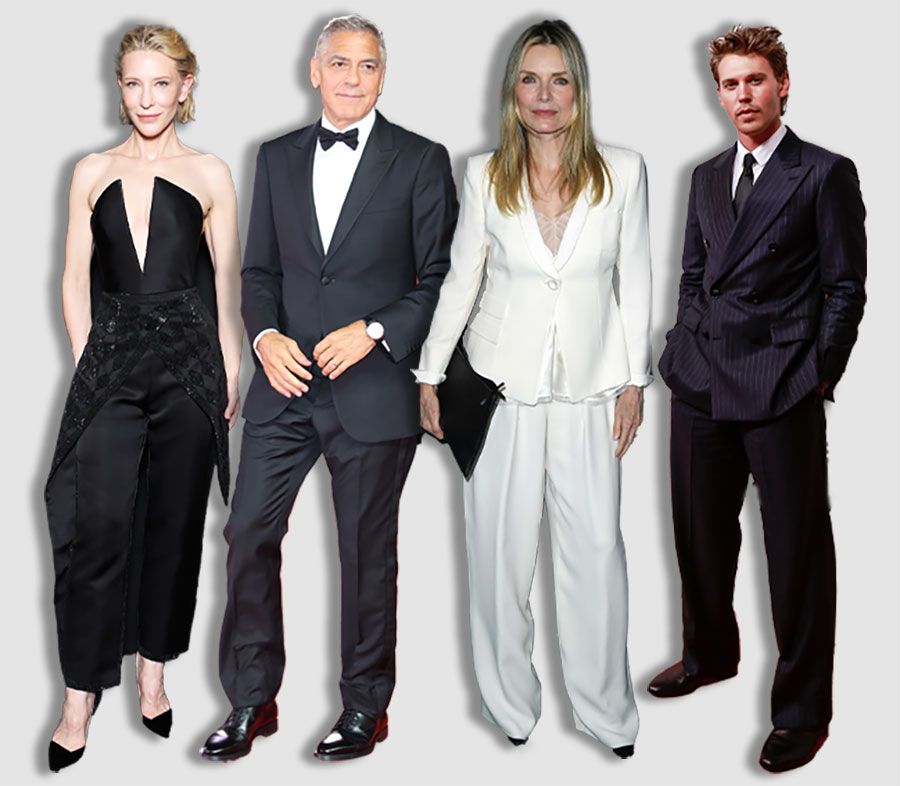
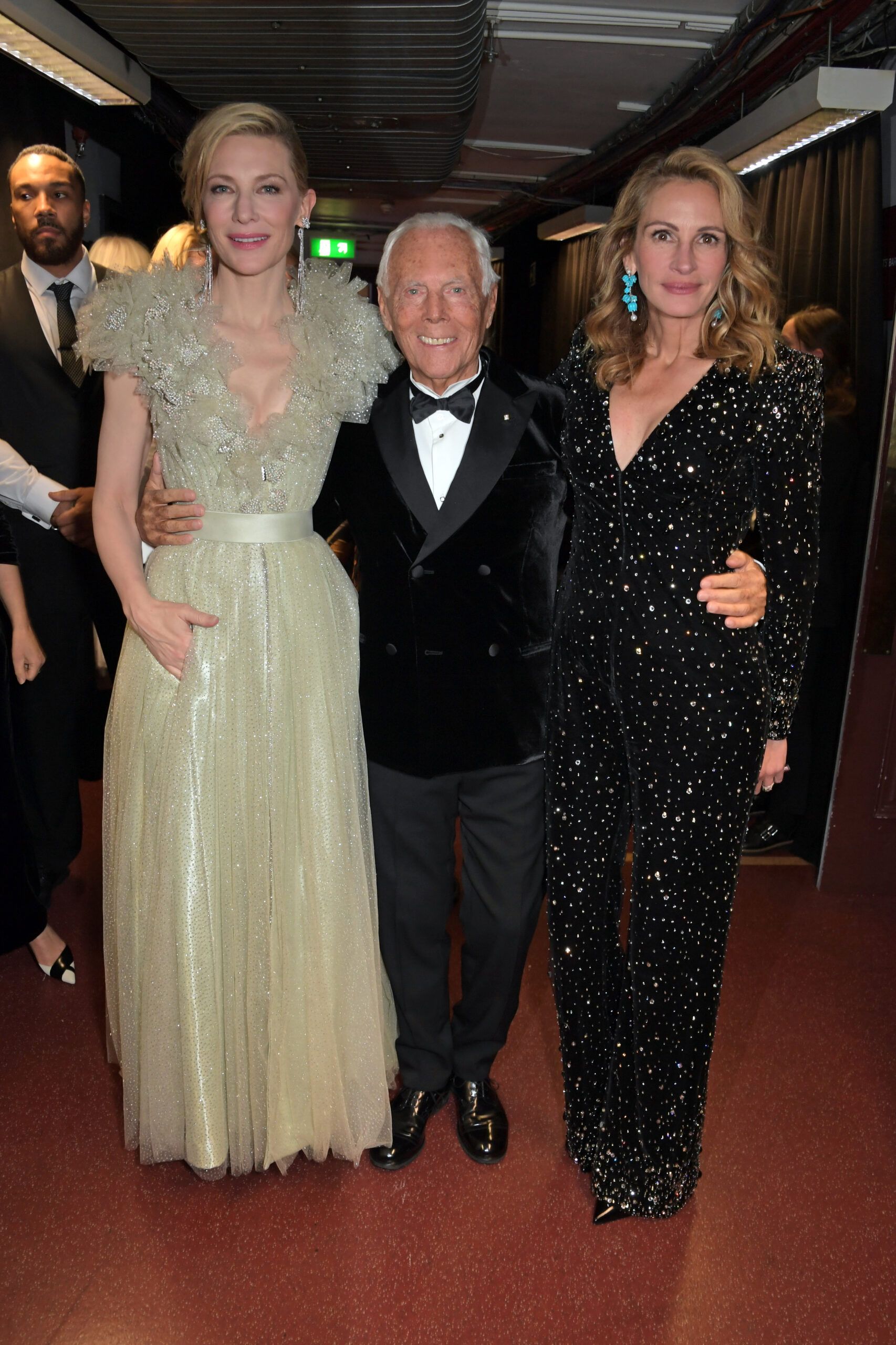
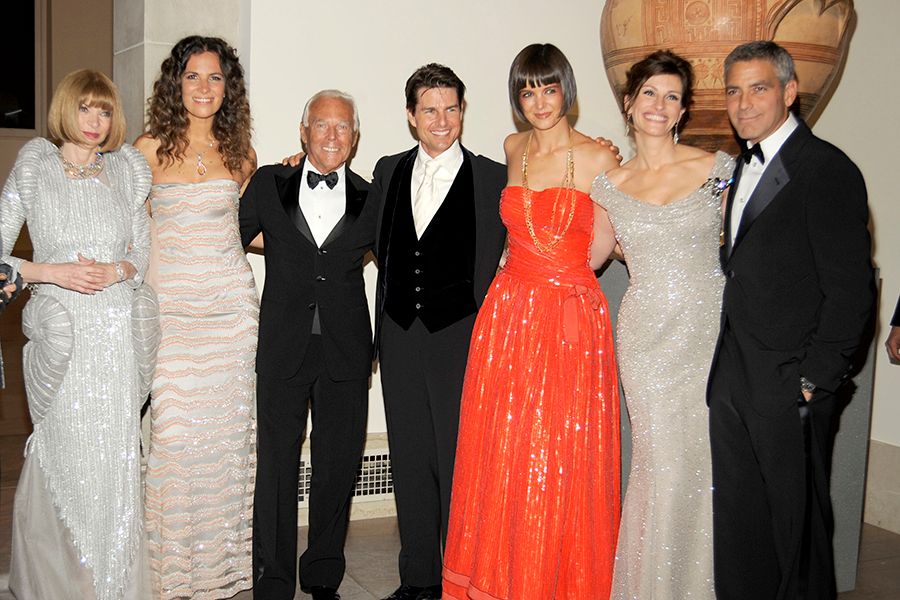
Women wanted in on the comfortable-but-elegant revolution, too. Here was where Armani’s marketing genius came to light. He understood early, like only Hubert de Givenchy before him, how dressing aspirational Hollywood stars was the way to make him a household name. Over the years, many actors and actresses became informal (and formal, or paid) ambassadors of his brand. Most recently, Cate Blanchett has been seen glowing in Armani. Nicole Kidman and Jodie Foster are longtime fans, as is Michelle Pfeiffer and Anne Hathaway. George Clooney and, of course, Richard Gere remain loyal; more recently, Austin Butler has taken to his designs.
Armani Privé, the couture arm of the business, was launched in 2005 – an unusual move at that stage in his career (he was 71 at the time). But Armani has never followed a classic trajectory. He began his career as a window-display artist, then a buyer at an Italian department store, La Rinascente in Milan. Fashion insiders report that as recently as last year, Armani was seen fixing a window display in his flagship store in Milan.
He was 41 when he finally launched his own fashion line, with partner Sergio Galeotti, in 1975. By 1981, he had started the Emporio Armani line, leading the industry in the concept of secondary, “bridge” or “diffusion” lines. Next came restaurants, hotels and Armani Casa, launched in 2000. Known for designing his own dreamy luxury homes published in architectural bibles, Armani Casa was a natural extension of his lifestyle, offering everything from wallpaper to kitchen fixtures and furniture. His attention to detail and the consistency of his vision and steady focus on a unified brand paid off. Armani became the first designer named to the Forbes billionaires list in 2024; his wealth, featuring his multifaceted lifestyle company wholly owned by him (following the death of Galeotti in 1985), was estimated by the list to be $11.6 billion by the Forbes list in March of this year, earning him the 208th place on the World’s Billionaires List.
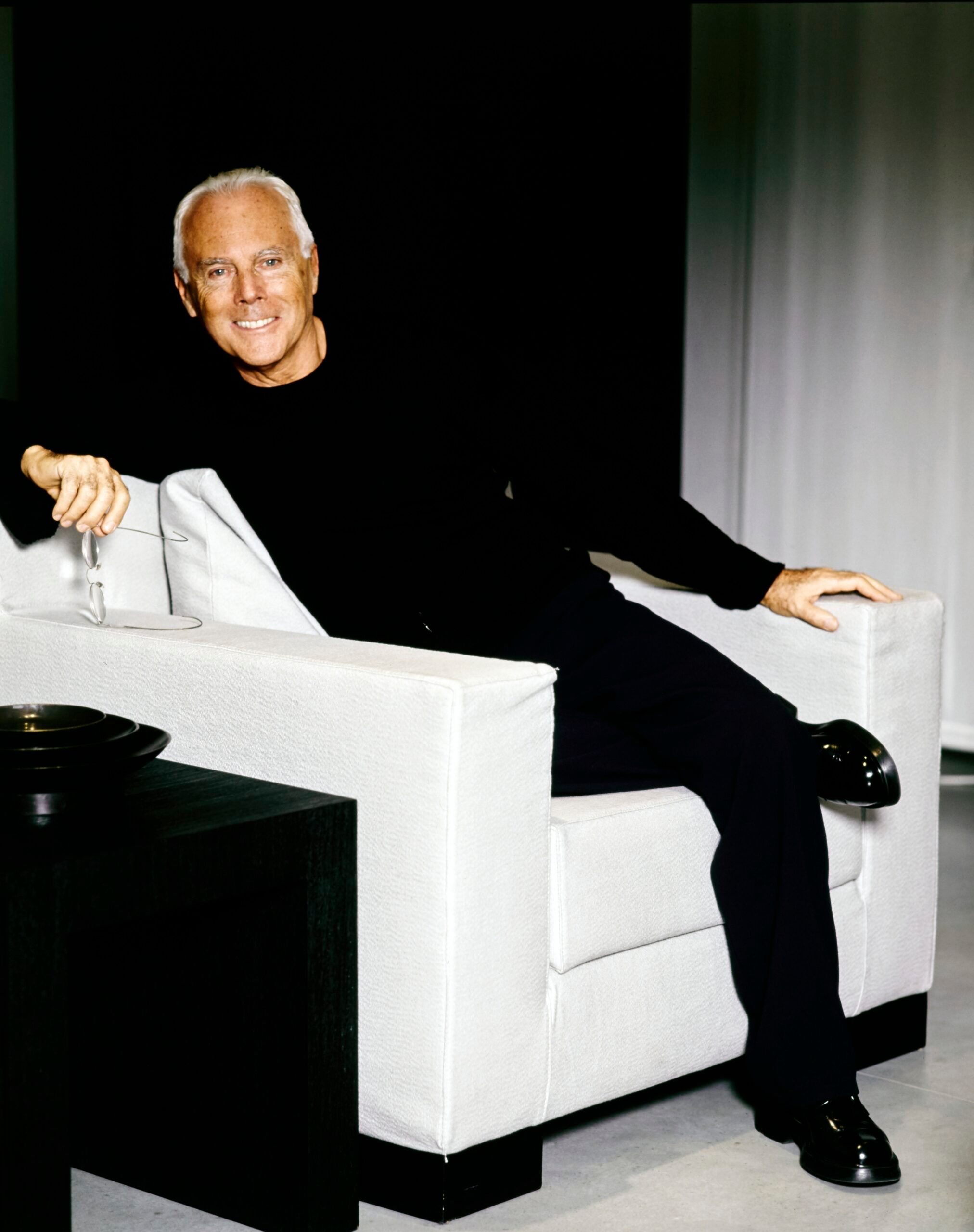
The designer missed appearing at just two shows, both in the past few months, as he was said to be recuperating from an illness. “I don’t know if I would use the word workaholic, but hard work is certainly essential to success,” he told The Financial Times in his final interview, which ran last weekend ahead of the 50th anniversary business celebrations he had been working on for this fall. “My only regret in life was spending too many hours working and not spending enough time with friends and family.”
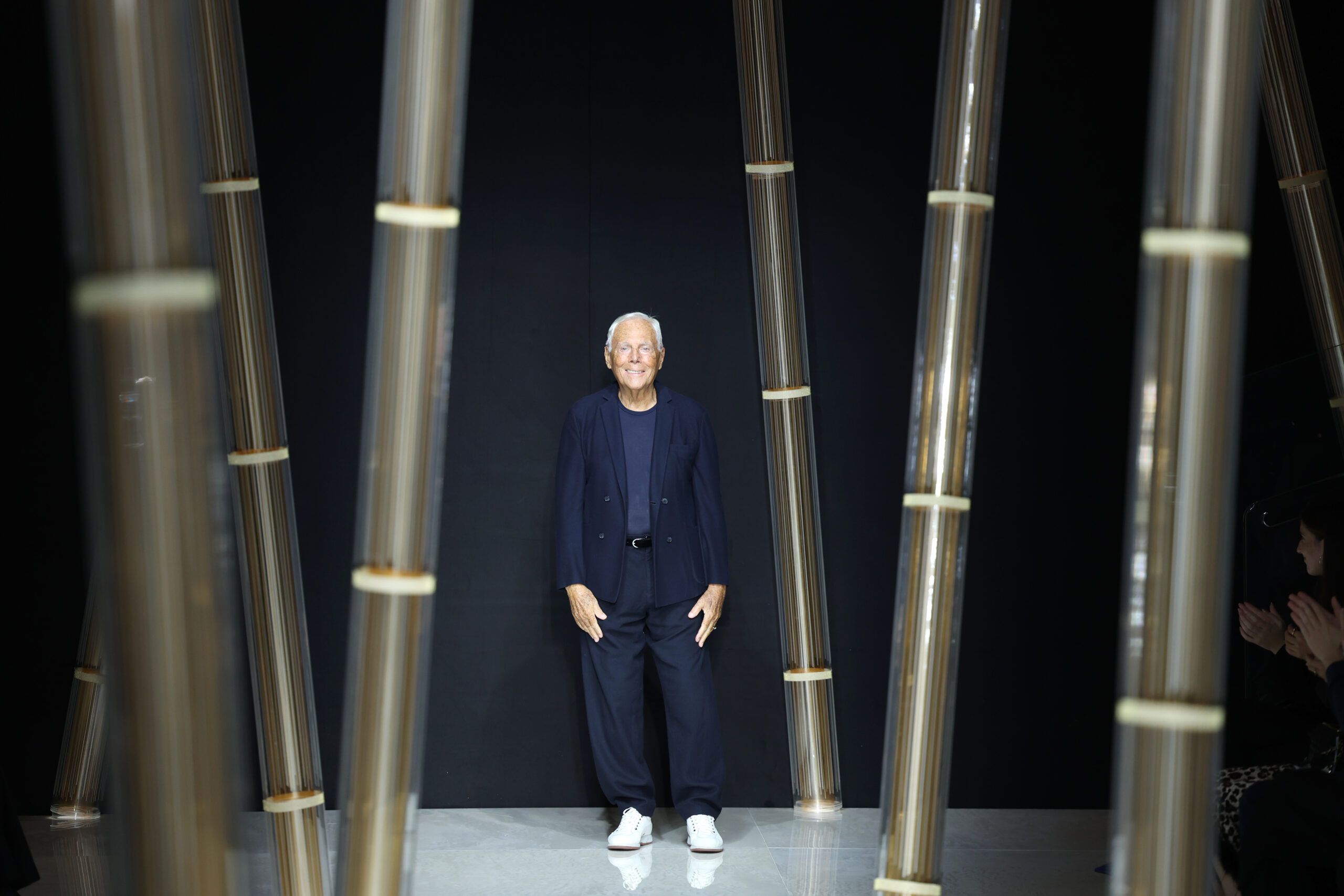
But to have achieved an Armani level of success and with the strength of his consistent vision – changing the course of fashion but also holding a course on what is chic and beautiful and tasteful for more than 50 years in one of the most tumultuous of creative businesses – there was never room to take his eye off the ball. In life there is always a mannequin that needs to be adjusted, a part of our visual and tactile experience within the world that could be more perfect. Giorgio Armani made it his mission to pursue the path of greatest elegance, and he left the world a kinder and chicer place for it.
RELATED:
Designer Giorgio Armani, 85, Named Special Ambassador for Italian Tourism