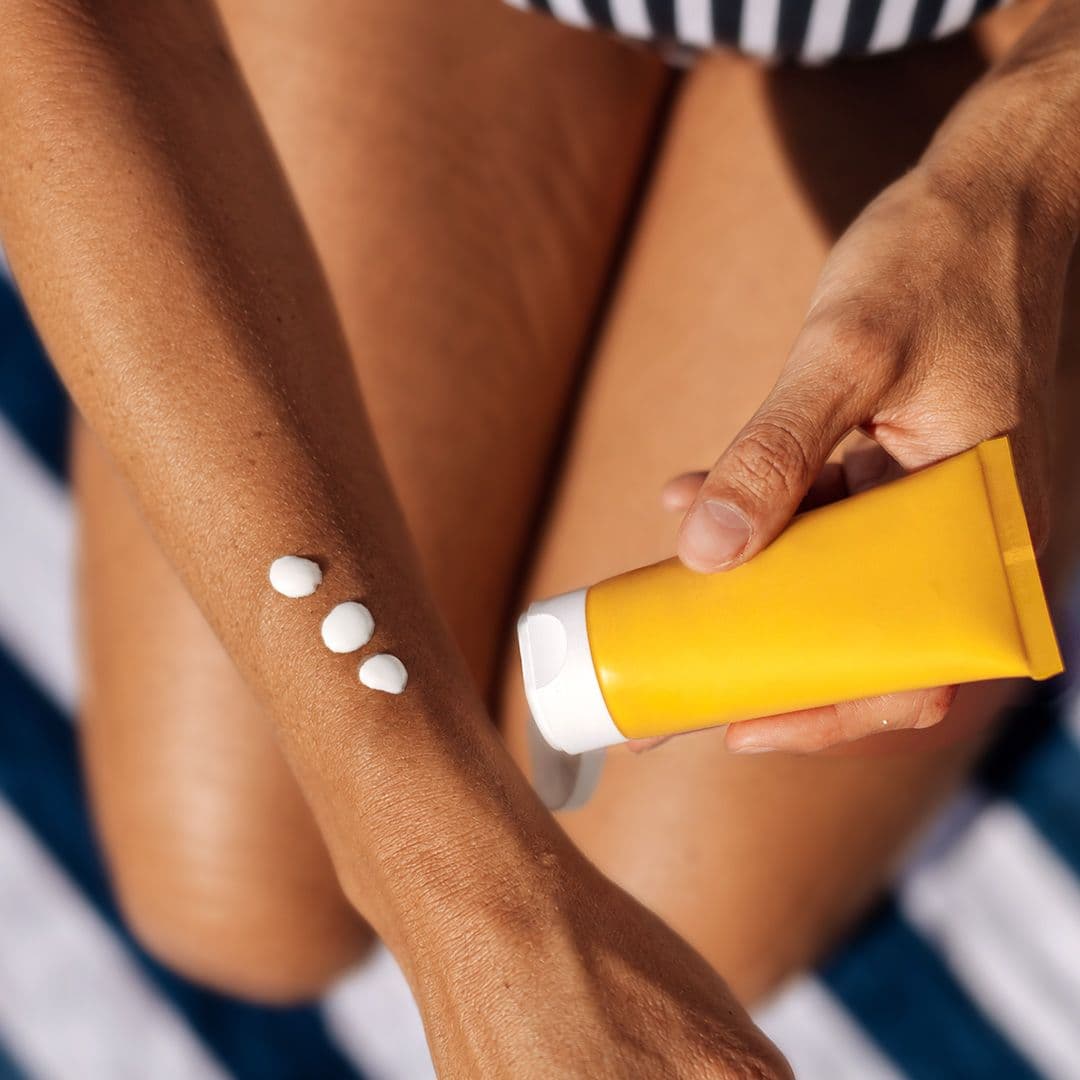
There’s a new sunscreen filter on the block, so to speak, and it has dermatologists and beauty brands buzzing. Bemotrizinol (BEMT), better known internationally under trade names such as Tinosorb or Parsol Shield, was just approved by the U.S. Food and Drug Administration after a two-decade wait, largely because of the agency’s notoriously stringent drug-testing requirements. That delay came despite the ingredient having been widely used in Europe, Asia and Australia for years.
This is exciting for us Canadians as, even though BEMT was already approved here for use in standalone sunscreens, now there will be a plethora of cosmetic products made available. In March, Health Canada updated the broad-spectrum chemical UV filter to a “Secondary Sunscreen Monograph”, meaning BEMT can now appear in products where SPF is an added benefit, including moisturizers, foundations and lip products.
Why the excitement? BEMT offers broad-spectrum protection against both UVA and UVB rays and, unlike mineral filters such as zinc oxide and titanium dioxide, it doesn’t leave behind a ghostly white cast. It is also highly photostable, meaning it remains effective in sunlight rather than breaking down quickly. And, because very little is absorbed into the body, it is considered safe for use on anyone older than six months.
“I think it’s a great ingredient,” says Dr. Lisa Kellett, the sought-after Toronto-based dermatologist with extensive expertise in medical and cosmetic dermatology. “Anything that is easier and more pleasant to use means that people will wear their sunscreen. Skin cancer is the most common cancer you’ll get in your lifetime, yet a recent study showed 50 percent of Canadians don’t know UV radiation is associated with skin cancer.”
CANCER PROTECTION
TO PROTECT AGAINST CANCER, you have to use broad-spectrum sunscreen that filters both UVB rays (which cause sunburn) and UVA rays (which contribute to skin aging and skin cancer). “The most common place for men to get basal cell carcinoma is the tips of the ears and the back of the neck, because of wearing baseball hats and forgetting to put block on those spots,” says Dr. Kellett. “For women, it is the calves, as we put sunscreen on our face and forget the back of our legs, which are exposed thanks to wearing skirts and shorts.”
Broad-spectrum sunscreens are divided into two camps – mineral and chemical. Dr. Kellett recommends using an SPF 30 or higher and checking the label for a DIN (drug identification number) or NPN (natural product number), which means it has been approved by Health Canada. She also warns that UVA radiation comes through window glass and car glass: “So if you’re inside working next to a window, you are exposing yourself to eight hours of radiation every day.”
Let’s Get Physical
Mineral filters sit on the surface of the skin and act like a physical shield, reflecting and scattering UV radiation. They start working immediately after application as they form a barrier and are generally very well tolerated by people with sensitive skin conditions such as rosacea and eczema, but can feel heavier and may leave a white cast.
Zinc Oxide is the gold standard for broad-spectrum protection – it has excellent UVA coverage but can leave a white cast.
Product recommendation:
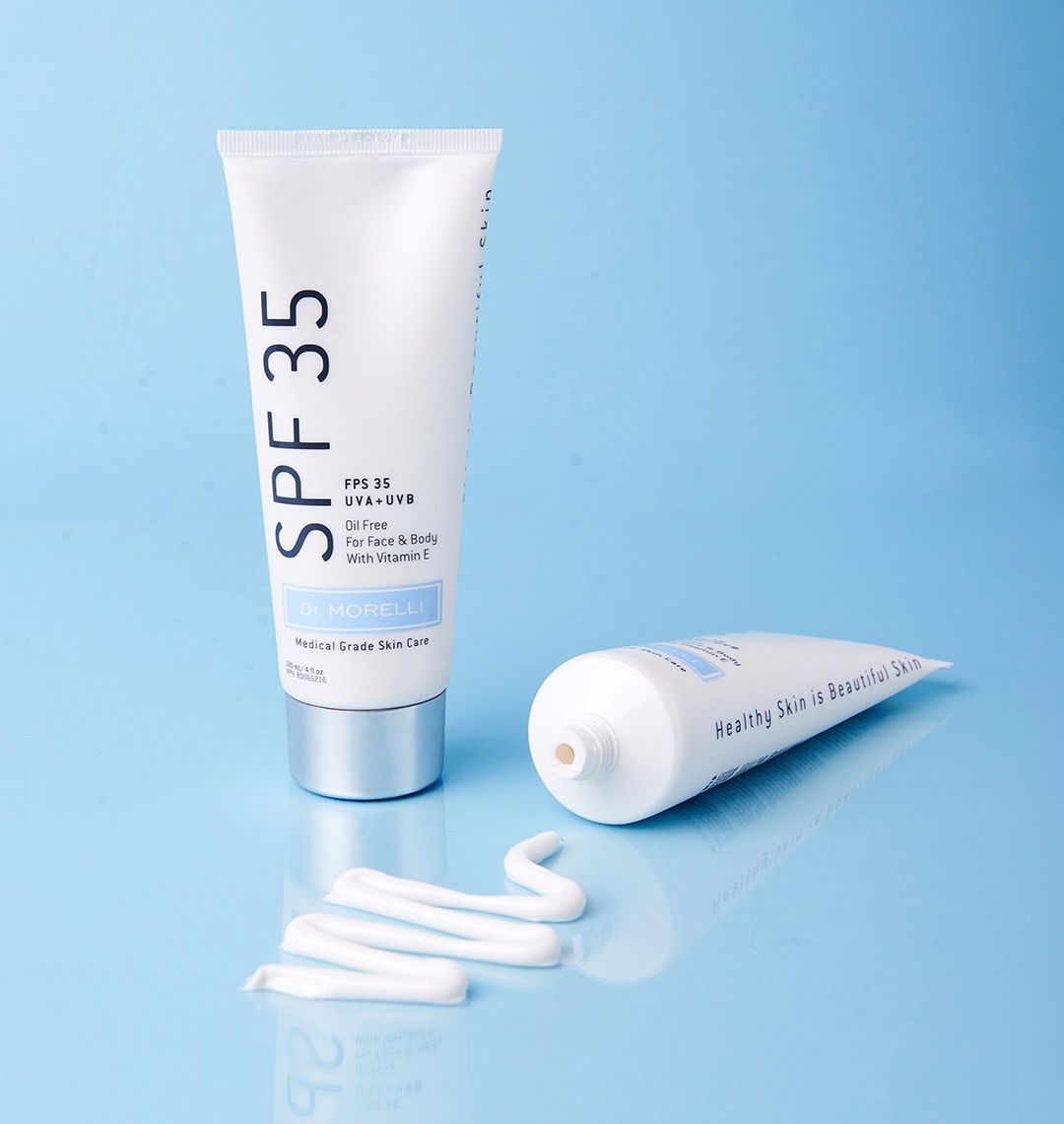
• Di Morelli Sunscreen SPF 35 with micronized zinc-oxide, vitamin E for repair and vitamin B5 to seal in moisture and reduce inflammation.
Titanium Dioxide has strong UVB protection but is weaker against long UVA wavelengths, so it’s often used as a base and combined with other filters.
Product recommendations:
• SKIN1004 Madagascar Centella Air-Fit Sun Cream Plus SPF50+ PA++++ . This sought-after cream from Korea has a featherweight formula, titanium dioxide and non-nano zinc oxide and skin-improving Centella asiatica, which helps reduce inflammation, support collagen synthesis and strengthen the skin barrier.
• For easy reapplication during the day Supergoop! (Re)Setting 100% Mineral Powder SPF 35 can be brushed on over makeup and skincare products.
Good Chemistry
Chemical or organic sunscreens use UV filters such as Bemotrizinol or avobenzone that absorb UV radiation and convert it into heat, preventing it from penetrating deeper into the skin. They tend to be lighter, more transparent, and easier to layer under makeup, but some require about 15 minutes to become fully effective after application.
Besides Bemotrizinol, the main broad-spectrum chemical ingredient is avobenzone. It has excellent UVA protection but is weak on its own for UVB, and is not very photostable alone, so it is often paired with other ingredients like octocrylene or Bemotrizinol.
Product recommendations:
• Australian brand Ultra Violette Supreme Screen SPF 50 Facial Sunscreen Moisturizer and Primer, a three-in-one multi-tasker that provides a highly hydrating glowy finish without feeling heavy or greasy.
• Dr Kellett’s Clear Clinical SPF 30 Spray doesn’t clog pores, is waterproof and can be easily reapplied throughout the day with a quick spritz.
BLUE LIGHT BLOCKER
THERE IS INCREASING EVIDENCE that blue light – a high-energy wavelength of visible light emitted by digital screens – can trigger pigmentation through a different pathway, even when you have UV protection. According to Cleveland Clinic dermatologist Dr. Shilpi Khetarpal, “this type of light can accelerate aging by degrading our collagen and elastin. We also know it can promote melanin production, so darker skin types can be more prone to hyperpigmentation.” Standard SPF offers little to no protection against it. Instead, look for tinted sunscreens with iron oxides. “The iron oxide or tinted sunscreens are the only ones that are going to be effective against this visible light,” says Dr. Khetarpal. He also adds you can reduce your exposure by lowering the brightness of your devices and cutting back on screen time in general.
Product recommendations:
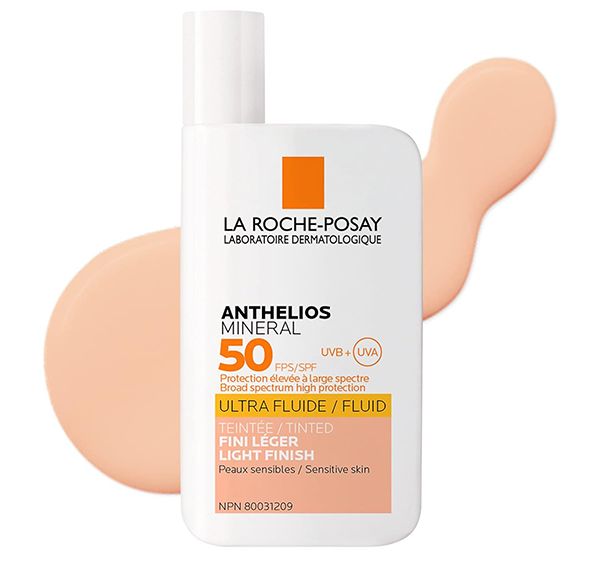
• La Roche-Posay Antehelios Tinted Mineral Light Fluid SPF 50 helps even skin tone, reduces visible redness and provides a natural finish that works well on sensitive and reactive skin.
• Elta MD UV Clear Broad Spectrum SPF 46 helps calm and protect sensitive skin types prone to breakouts, rosacea and discolouration. It contains niacinamide (vitamin B3), hyaluronic acid and lactic acid.
NOTE BENE

What SPF Do You Really Need?
- SPF 30 is the dermatologist minimum.
- SPF 50 is what most dermatologists recommend because, in real life, most of us don’t apply enough sunscreen.
- SPF 100 only protects one percent more than SPF 50, so you’re not going to get much advantage.
Reminder of How Much to Use
- Face: ¼ teaspoon
- Face + Neck: ½ tsp
- Body: shot glass
The Spots Everyone Forgets
- Your ears, especially the tops
- Your hair part
- The back of your hands and calves
- Eyelids and lips