

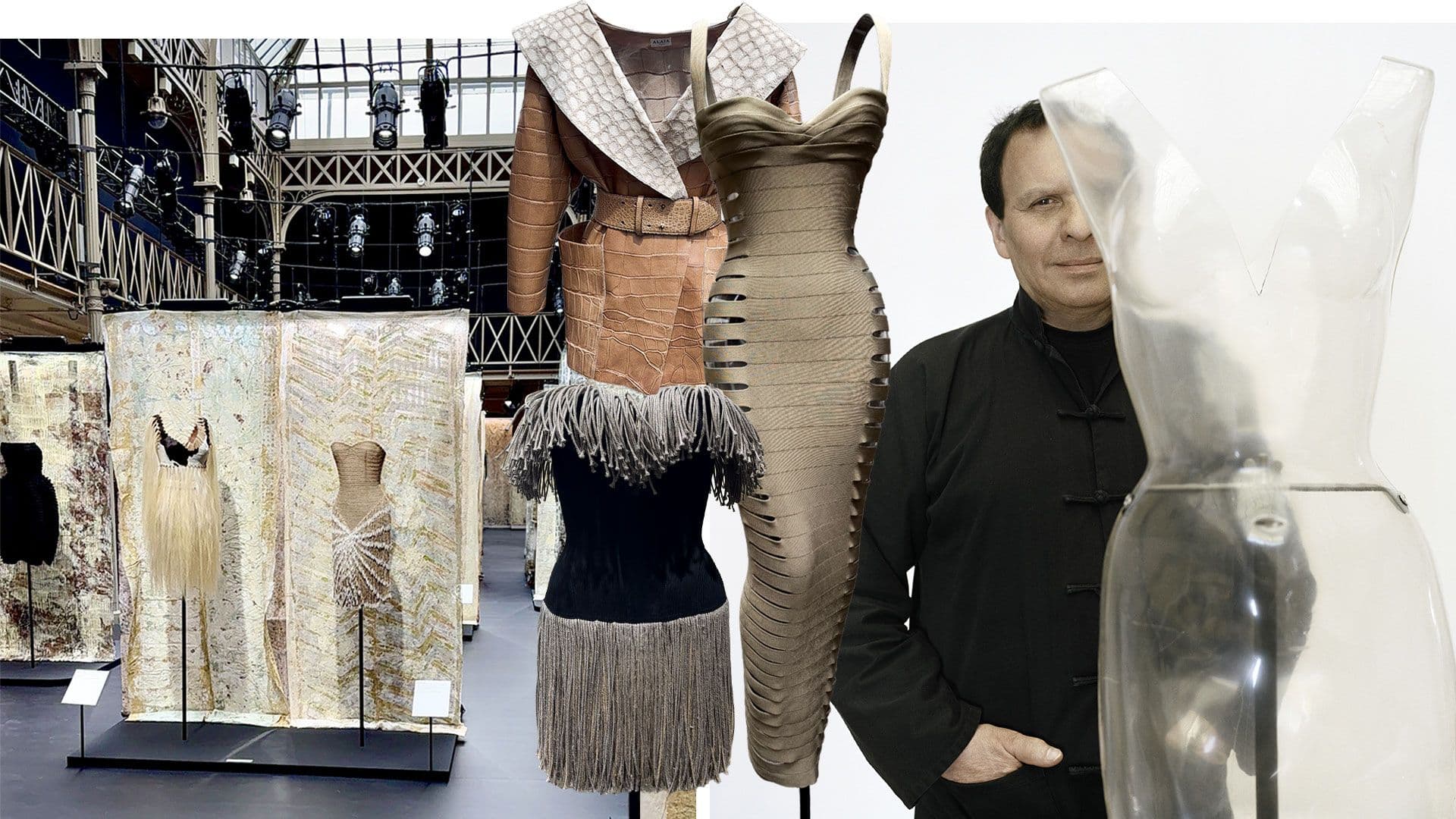
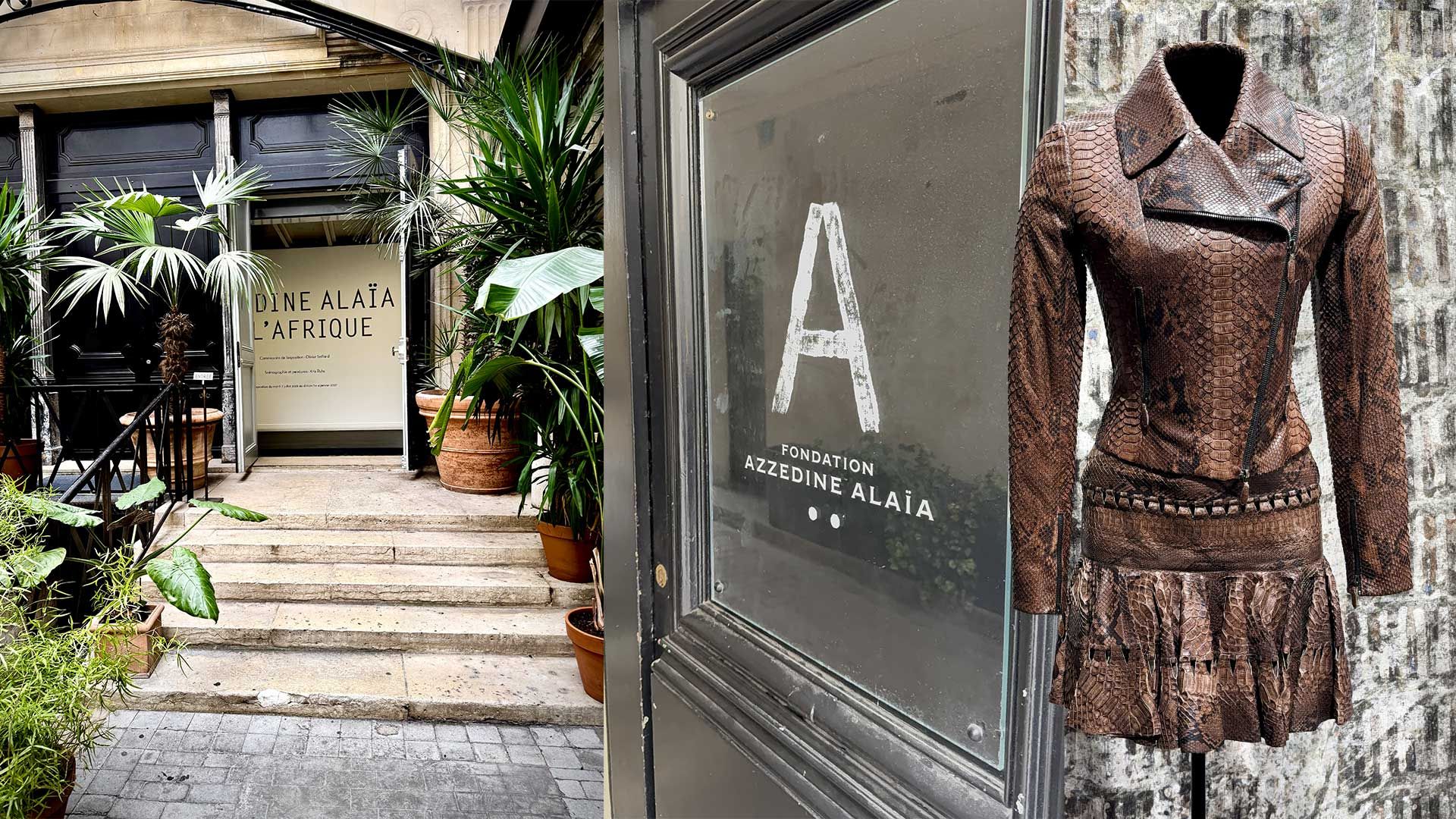
The show at The Azzedine Alaïa Foundation in Paris, currently running until Jan. 4, 2027, is titled “Azzedine Alaïa And Africa”. It is a museum visit off the beaten and crowded path, and is well worth the diversion. And it’s a figurative coming home for Alaïa, a son of North Africa. The Tunisian-born couturier died in 2017 at the age of 82 (though he is known to have fudged his age over time to shave off five years).
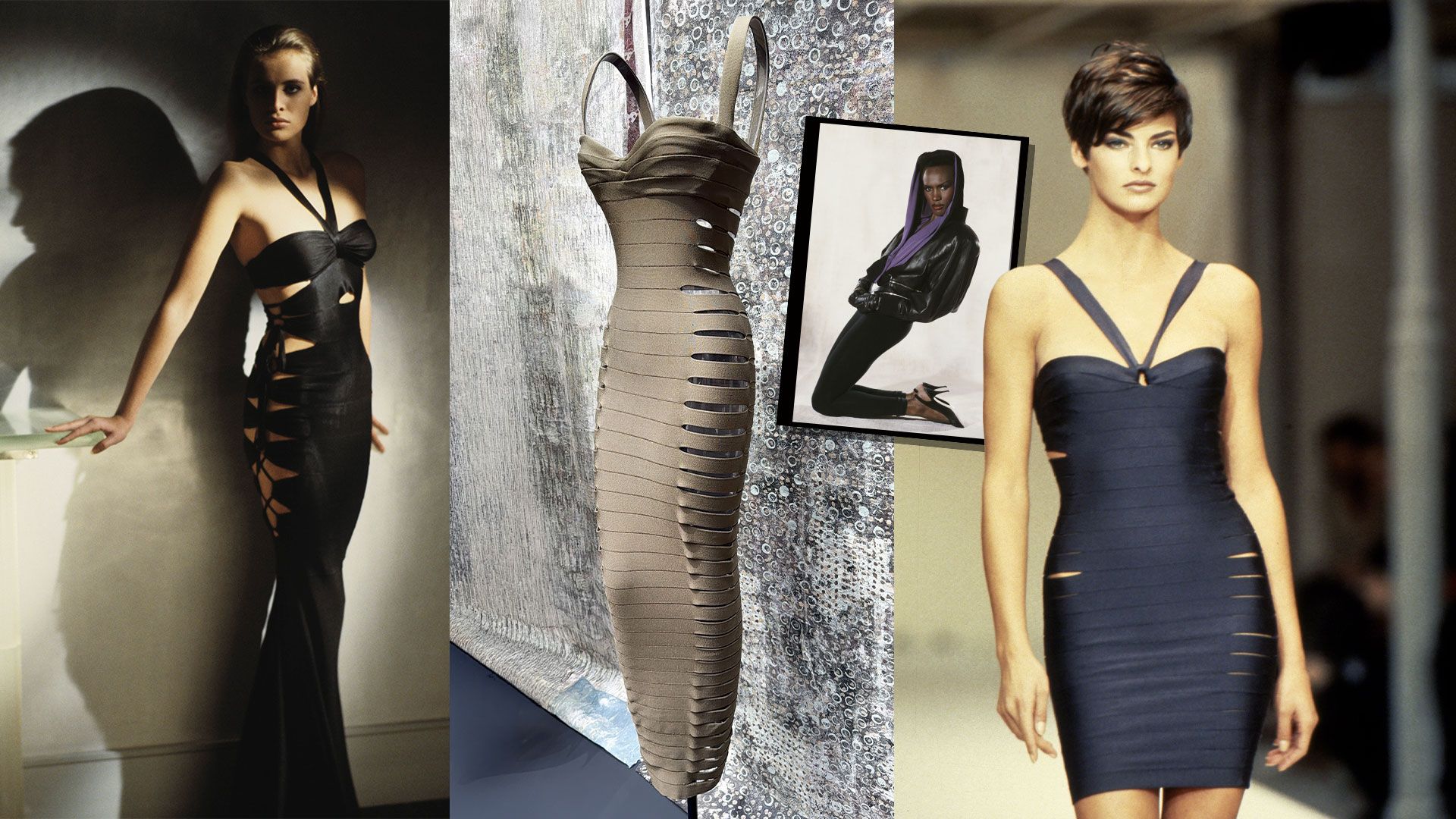
Dubbed the “King of Cling” for his iconic bandage dress, the notably diminutive designer championed the aspirational female form. Broad padded shoulders, nipped waists and sculpted torsos created his signature silhouette, helping shape the ’80s look and concept of the “Glazamon”, codes that have become an integral part of the fashion lexicon.
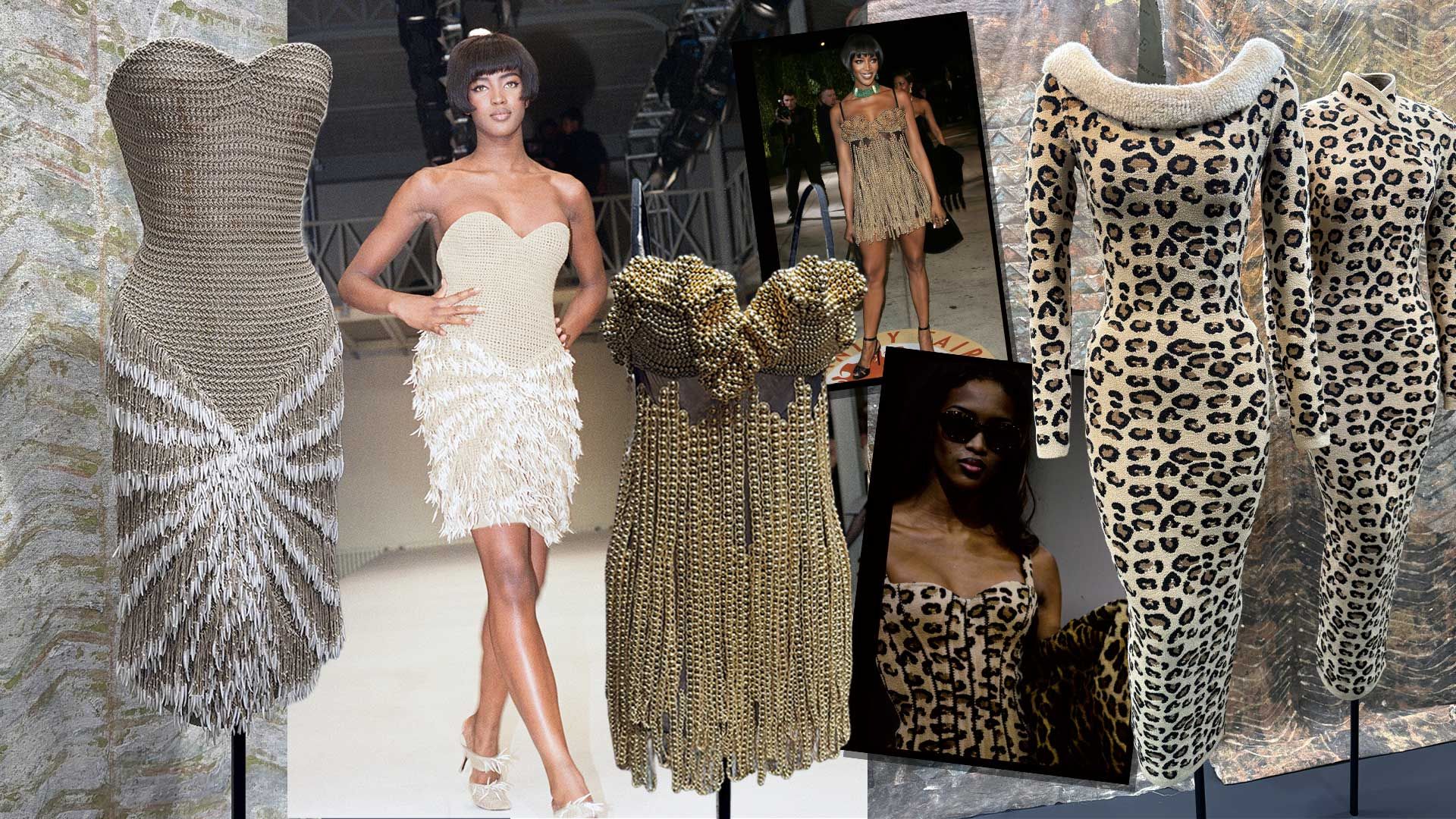
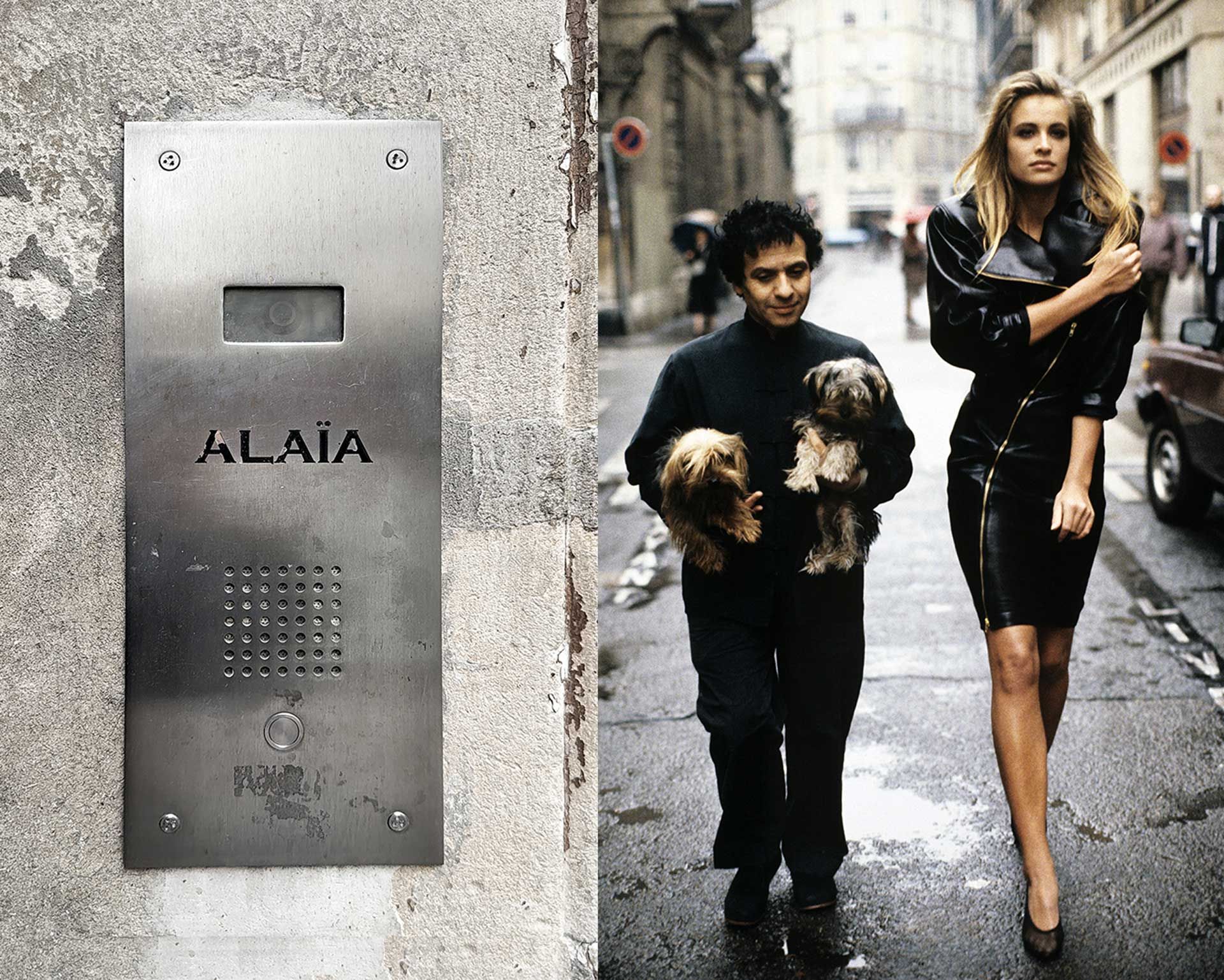
The son of a wheat farmer, Alaïa studied sculpture in his homeland before emigrating to Paris. He opened his own couture house in 1979, dressing icons from Tina Turner to Grace Jones. He also “adopted” his ultimate muse, Naomi Campbell. Campbell. Just 16 and a nascent model recruit fresh from Britain, Campbell came to live with him in his residence above his Marais atelier and showroom (with the approval of her mother, Valerie). Campbell had lost her wallet on her first trip to Paris, and Alaïa never stopped looking out for her thereafter. She called him Papa, and when she would sneak out to Les Bains nightclub, he would go there and bring her home safely.
In 2007, Alaïa established the foundation at the site of his home and workspace, alongside legendary fashion entrepreneur Carla Sozzani of Milan’s 10 Corso Como fame (and sister of the late Franca Sozzani, the pivotal editor of Vogue Italia) to preserve his archives and build a place for future creatives to explore the ideas that had fueled him.
The current Africa exhibit is particularly poignant as it brings his legacy back to its roots. He translated the themes of revealing and concealing – inspired from memories of limewashed walls and sunlight filtered through screens – into open work hems and flowing garments, which haunted his imagination throughout his career.
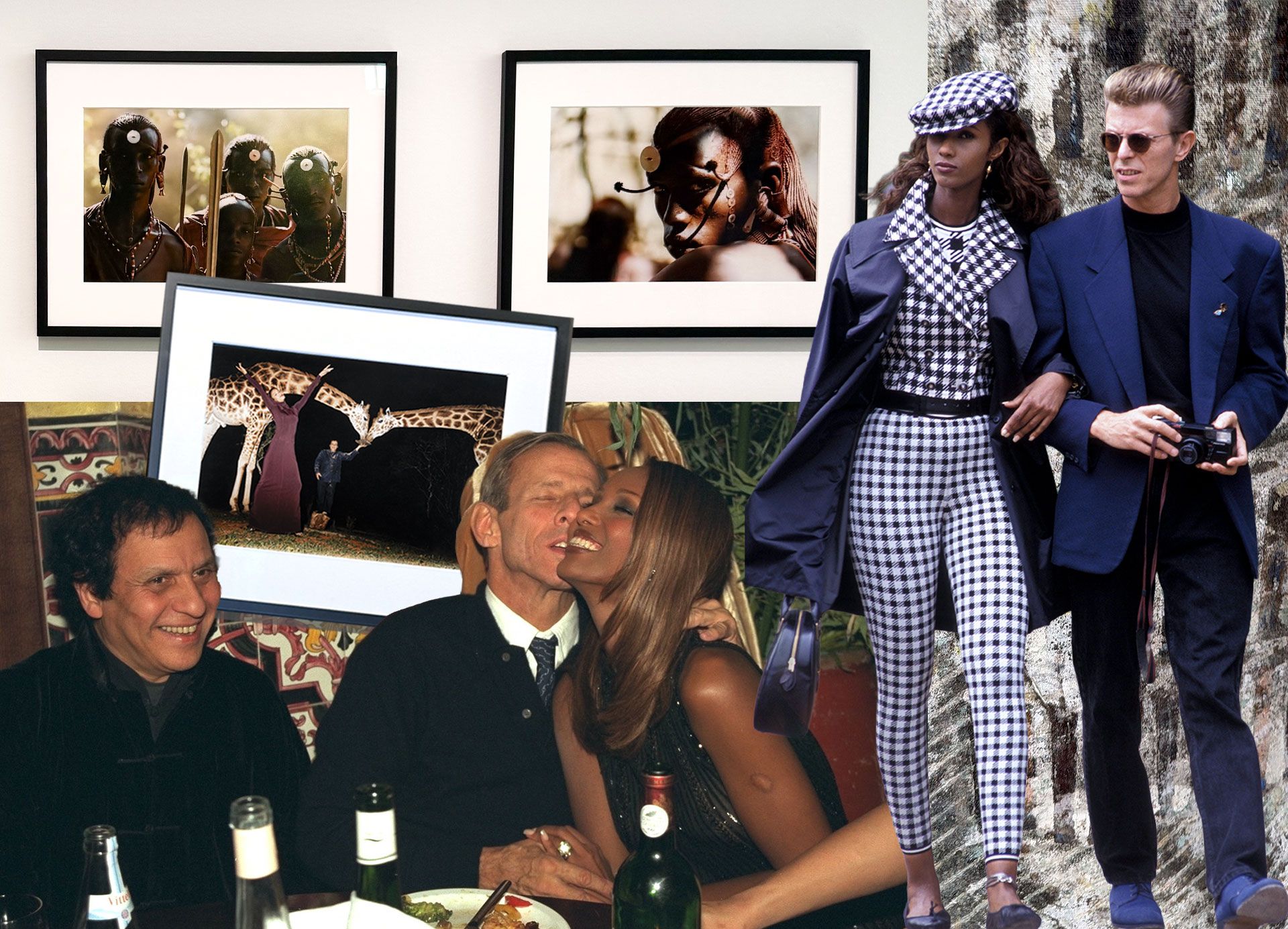
Wrought in sandy tones with sunset accents, the exhibit continues with a retrospective of a trip Alaïa took with photographer-cum-conservationist Peter Beard, who spent most of his career setting fashion against African landscapes. In April 1996, Elle magazine sent the two creatives off to Kenya for a shoot. Beard, who had “discovered” the model Iman on a Nairobi street and was living there at his mythic Hog Ranch, served as translator and guide. Alaïa, who was famous for not making patterns but rather for draping fabric live onto models, crafted new designs in situ. The photographic collaboration pulls the exhibition together.
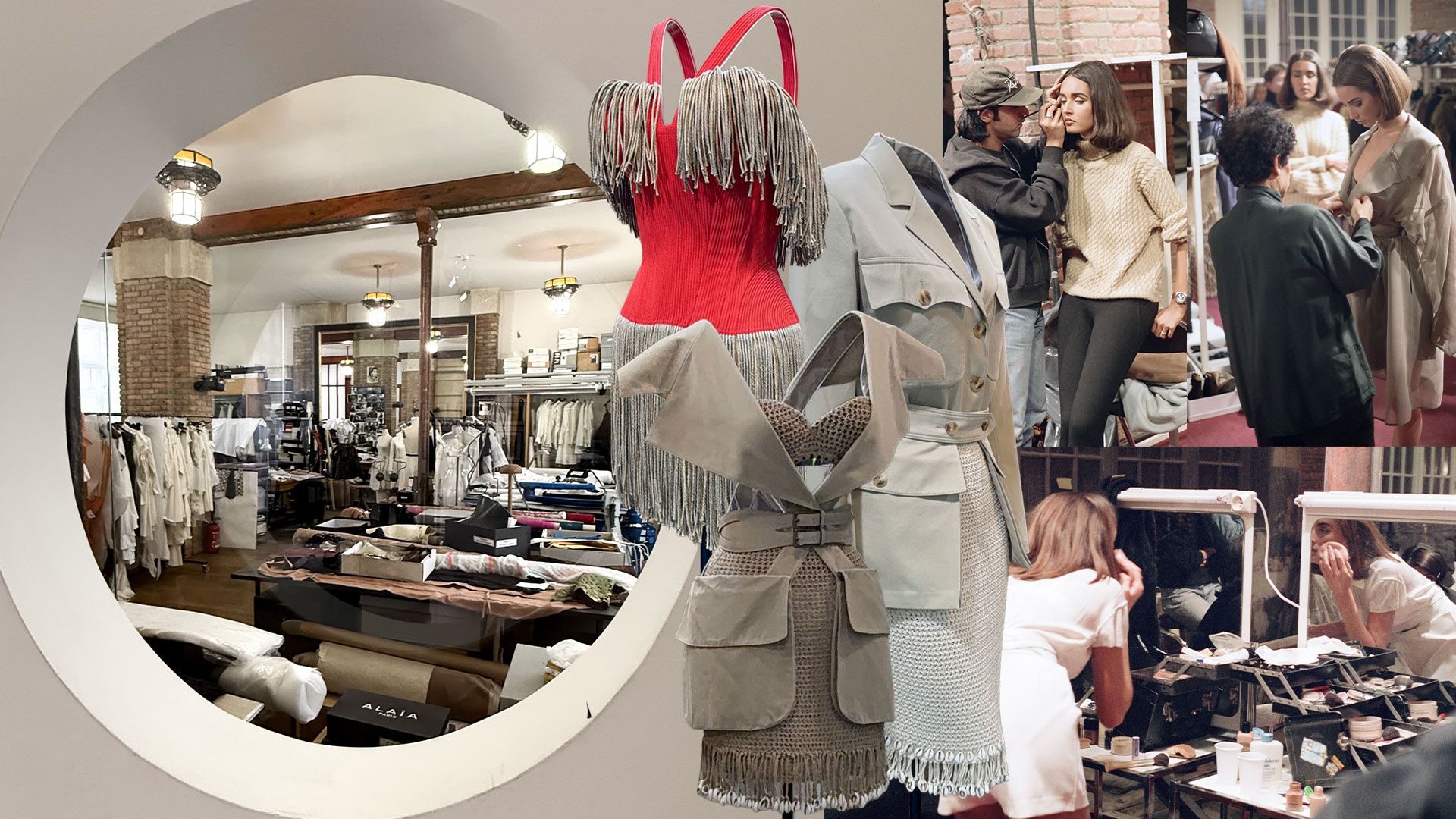
The foundation is a lovely departure from the Paris museum circuit: small and quiet, it’s almost a private experience. Fashion students come to study the work of a master. You can peek into Alaïa’s workroom, a portal into his zen mindspace.
Alaïa was a rebel who made his own rules in the notoriously exclusive enclaves of Paris fashion. He refused to show “in season,” instead presenting his collections how and when he saw fit. He refused the helm of major French fashion houses. And he refused to do publicity, or to buy ads, making his independence a condition, even after selling part of his stake. He made money at fashion – slow fashion – at his own pace: a radical concept.
Of all the loud voices and legacies of fancy French fashion, it is most fitting that Alaïa chose his own memorial setting and crafted his own story, now told in chapters for thoughtful museum-goers to absorb one theme at a time.
Azzedine Alaïa And Africa, at the Azzedine Alaïa Foundation, on now through January 3, 2027, €11, 11 a.m. – 7 p.m. daily