It’s hard to imagine Toronto without Terroni restaurants. Ever since the first tiny shopfront opened on Queen Street in 1992 with a few bar stools, some panini and an espresso machine, they have become embedded into the soul of the city. When I was at McGill in the early ’90s and would swing through Toronto to visit friends, that’s where we’d go (by then, they’d saved enough money to put in a pizza oven). My fellow English major Claudia Dey, now a well-known author, waitressed there in the summers. I remember seeing David Cronenberg sitting in the window after the restaurant had expanded beyond a counter and some stools. It was always crowded, welcoming, fun and delicious.
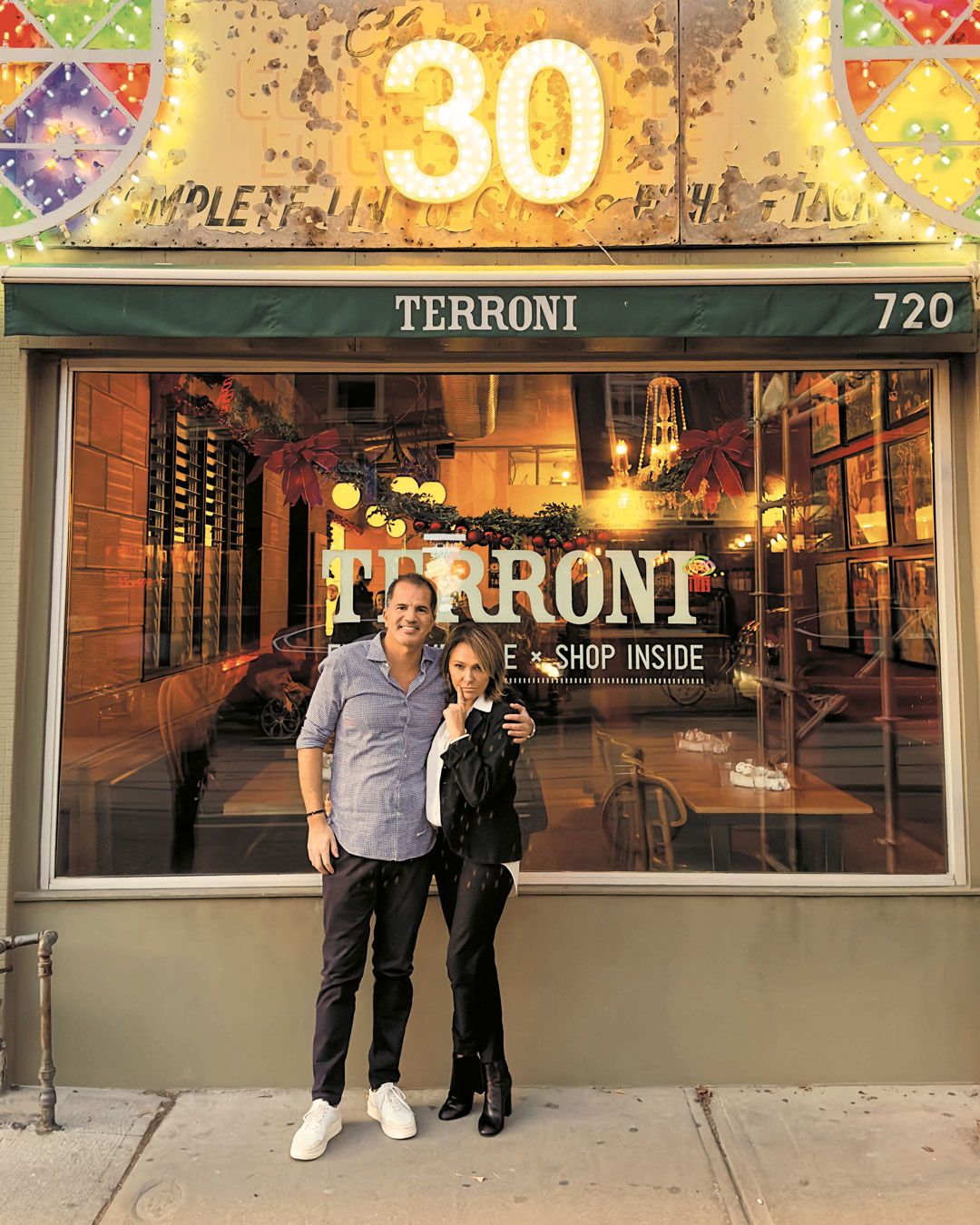
Fast-forward 33 years, and the company founded by Italian-Canadians and best friends Cosimo Mammoliti and Paolo Scoppio has expanded to eight restaurants in Toronto and two in Los Angeles, and yet, it feels the opposite of a chain. That is thanks to the incredible energy, attention to detail and love poured into it by Mammoliti (sadly, Scoppio died in 1996). My Toronto neighbourhood, Summerhill, pulsates around our Terroni on Price Street. It’s where your kids beg you to take them for celebratory end-of-school year dinners; where I slip off to for a mini-date with my husband to sit at the buzzy bar on the rooftop before returning to parental duties; where I took shelter with three generations of my family on the Christmas Eve of an ice storm. We all sat at the round table in the corner – grandparents, my brothers, babies, toddlers – eating and laughing with relief that the power had just clicked back on and we could return to a still-warming-up house with full bellies and happy hearts.
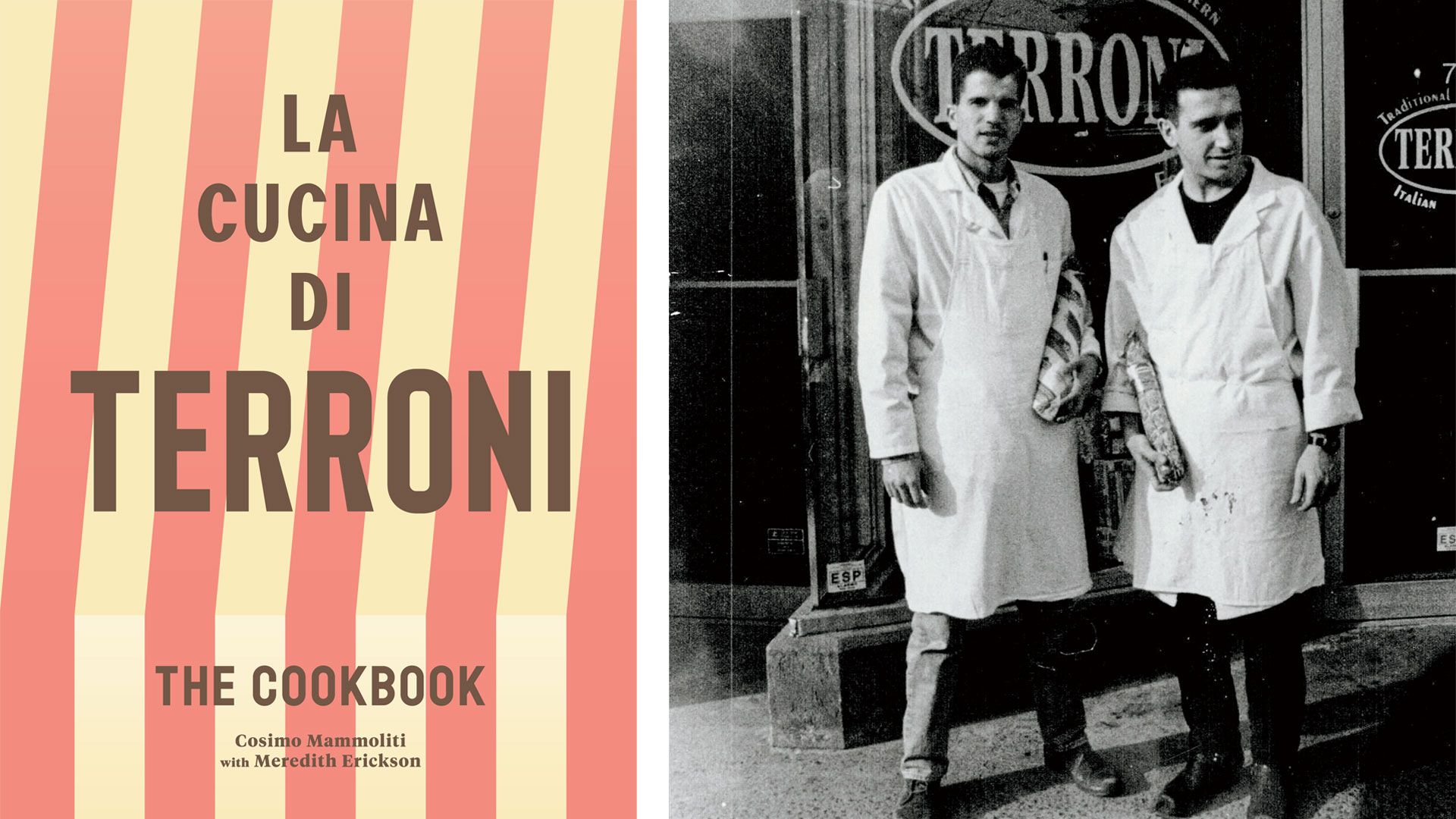
When I ask Mammoliti how he creates this combination of buzz and comfort, he goes back to his roots, to Italy. “It’s part of the immigrant story. My family is from Calabria, and every weekend there was a family gathering of maybe 60 people, with like 30 kids, all drinking wine and eating together all day long,” he explains. “When you go into a restaurant in Italy with children, they make you feel so comfortable. I have four children, so I wanted to make sure everyone feels welcome. When we started off on Queen Street, the restaurant was tiny and everyone was welcome. At the beginning, it was our friends and family who came to help us. Then, once we started making pizza and got a liquor licence, I started seeing people from uptown coming with fancy cars and I thought, “Oh, that’s interesting” but we didn’t change anything. The restaurant was always made for the neighbourhood and all the families in the neighbourhood. So, in fact, when you go to Price Street, it’s the neighbourhood too, and a totally different crowd.”
The restaurant’s name comes from “terrone,” which literally means “of the earth.” It was a derogatory slur that the snobby northern Italians used to describe southern Italians, implying that they were peasants. Mammoliti has always been proud of his roots and decided to subvert it. “I knew terrone was not a good word when I was a kid, but my family and most of the people we knew in Toronto were terrone. I’ll never forget the day I was at my mom’s house and the little transistor radio was playing CHUM FM, and I remember a gentleman calling in and he was so upset, saying, ‘Who do these guys think they are, being Italian and calling their restaurant terrone? Why would they do that? What right do they have? He was so mad. But we thought, if we can be successful and grow, and the name gets out there, you know, we’re proud terrone. We want to shout it out and show people.”
Show them he has. Terroni is known for both its style and quality. The restaurants are beautiful spaces, full of marble and tile and playful design details. Almost all of the ingredients are sourced from Italy, from the tomatoes to the flour, and Mammoliti famously won’t compromise: pizzas come uncut; there are no soft drinks (ask for a Coke and you’ll be offered chinotto, a dark, bittersweet carbonated beverage made from the fruit of the myrtle-leaved orange tree); bread comes with olive oil, not butter; there are no substitutions (heaven forbid you ask for the San Giorgio pizza without mushrooms).
But this steadfast adherence to Mammoliti’s vision and quality is part of the reason Terroni has been so successful. Gruppo Terroni has expanded and now comprises not just five Terroni restaurants, but two Sicilian cuisine-inspired La Bettola restaurants (which basically means “hole in the wall”), two Spaccios (all-day commissaries), Stock T.C with ready-made meals, pastas, sauces, etc., Cavinona, their Italian wine importing company (“I represent over 100 producers now!”), as well as two Sud Forno bakeries.
At Sud Forno on Queen Street, just steps from the original shopfront, a master baker from Italy, instead of Mammoliti, now creates all of Gruppo Terroni’s pizza dough and artisanal breads. “We use flour from a mill in Le Marche, Italy. And it’s not just a flour mill – they have their own wheat fields,” he says. When I question Mammoliti on whether that is necessary or an affectation, he explains, “Canadian flour used to be the most incredible flour. In fact, in Italy, they call flour ‘Manitoba.’ However what I found out is that now that it is big business, the flour is being enriched and crops are being genetically modified so they can get double crops and a bigger yield. And I think that’s part of the reason we now have so many intolerances.”
In a tough business, Mammoliti has survived and thrived by doing things his own way. “I have never searched for a cheaper product, only a better product.” Now, for those Canadians not lucky enough to have a neighbourhood Terroni, they can cook his dishes at home. “I love hard copy books and magazines – I write in notebooks, not Excel spreadsheets – and I thought it would be nice, in the end, to have something to leave for my children and grandchildren. This is not giving away our secrets but sharing – you know, it’s my mom’s biscotti recipe, my dad’s sausage recipe, and I think it’s beautiful.” Just like everything Mammoliti does.
GARGANELLI GEPPETTO
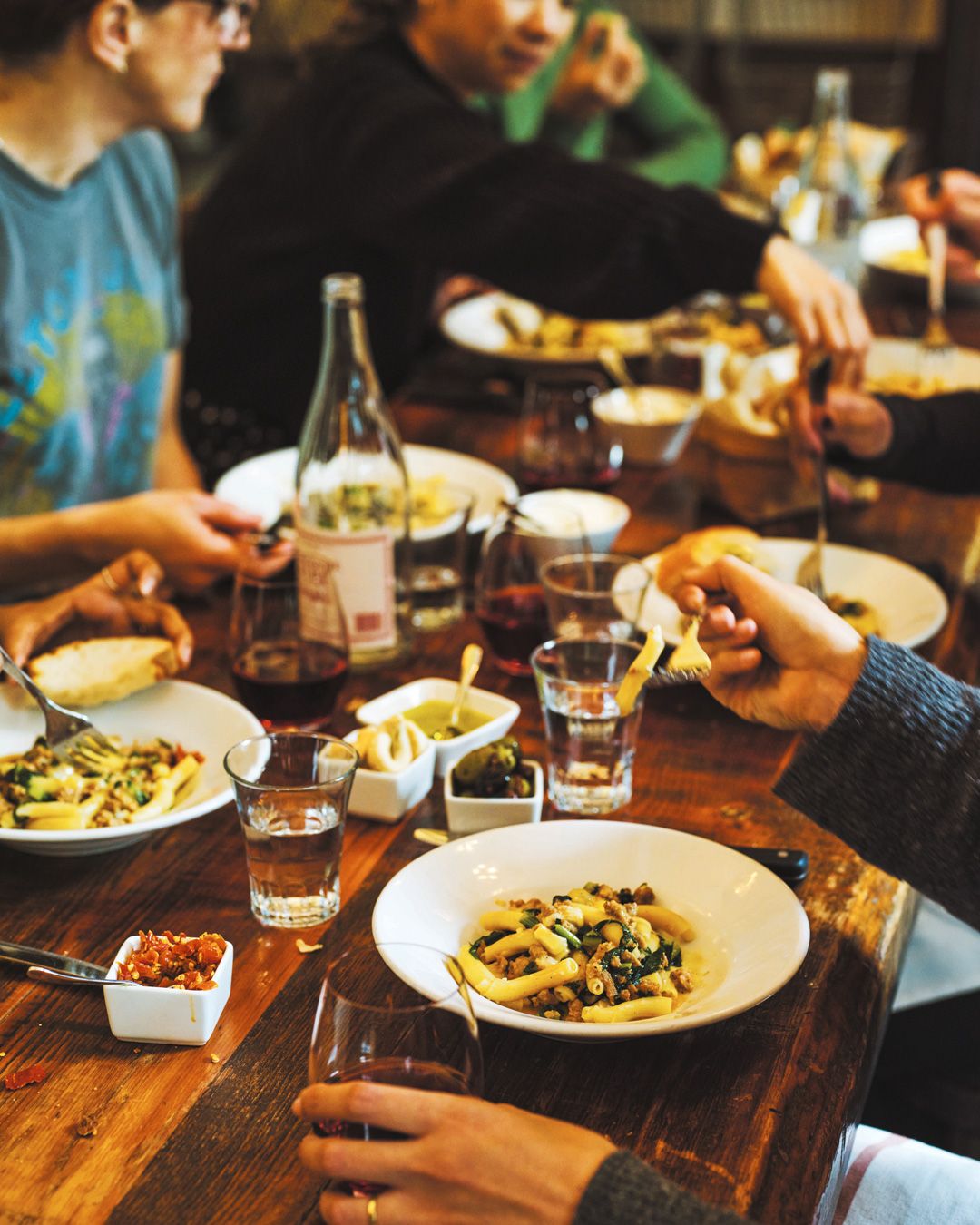
Geppetto’s Sausage & Dandelion Garganelli
Geppetto was the nickname given to my father (his real name was Vincenzo) because he was a cabinetmaker and worked with wood. You might think, “What does this have to do with pasta?” Well, he started making sausage for us after he retired. He did anything and everything he could to help me when I started the business. Culturally, that was implanted in his DNA. He came here as an immigrant and he, his family, and his friends helped one another any way they could. He was a cabinetmaker, so anytime anyone needed anything built he was their man. He built all the shelves at Queen Street. He built Balmoral completely. It was natural for him to also pass on food traditions; making sausage and salame was a ritual he had with his Italian friends here. When we needed to make sausages for the restaurants, he took that challenge full on. This recipe uses our house-made Terroni sausage, dandelion, and Fontina, and is a white pasta, meaning: no tomato sauce. First, we tried it with rigatoni but, after speed-dating other pastas, discovered that garganelli was the better ft.
SERVES 4
- Fine sea salt
- bunch (10 ounces/300g) dandelion greens
- 6 tablespoons extra-virgin olive oil
- 2 garlic cloves, smashed and peeled
- 1 fresh red chili pepper (optional), left whole
- 1 pound to 1 pound 5 ounces (450 to 600g) loose Terroni Sausage (page 296) or store-bought sweet Italian sausage, casings removed
- 1⁄2 cup (120ml) dry white wine
- 1 pound (500g) garganelli, rigatoni, or penne
- 1 cup (100g) freshly grated Parmigiano- Reggiano cheese
- 1 cup (100g) cubed or shredded Fontina cheese
- Freshly ground black pepper
Bring a large pot of salted water to a boil.
Prepare a cold-water bath in your sink. Soak the dandelion greens in the cold water for 5 to 10 minutes, periodically shaking them to loosen any debris. After soaking, remove the greens from the water and rinse them thoroughly under running water for a couple of minutes. Place the bunch of greens on a cutting board and trim about 1 inch (2.5cm) from the bottom of the stems. Chop all the greens into 1-inch (2.5cm) pieces.
In a large skillet, heat 2 tablespoons of olive oil, 1 garlic clove, and the chili (if using) over medium heat. Increase the heat to high and add the sausage. Use a wooden spoon or potato masher to break the sausage into smaller pieces. Stir and cook the sausage until it starts to brown, 2 to 3 minutes. Reduce the heat to medium and continue cooking until the sausage turns golden brown and becomes visibly crispy, 8 to 10 minutes.
Pour in the white wine, stirring to deglaze the pan and scrape up any browned bits from the bottom. Transfer the sausage to a bowl and set aside.
In the same pan, heat 2 tablespoons of olive oil and the second garlic clove over medium heat. Once the garlic turns golden, add the chopped dandelion greens to the pan. Cover the pan and cook the greens for 2 minutes. Season the greens with salt and add the sausage.
Add the garganelli to the boiling water and cook to 3 minutes shy of the package directions. Reserving about ¼ cup (60ml) of the pasta water, drain the pasta and add to the pan with the greens and sausage. Toss everything together, stirring well and adding some of the reserved pasta water to create a creamy and cohesive sauce.
Sprinkle in the grated Parmigiano, tossing until it mixes well with the other ingredients. Add the Fontina and continue tossing until it is fully combined, using a bit more pasta water if needed to achieve the desired consistency.
Drizzle the dish with the remaining 2 tablespoons of olive oil and give it a fnal taste test, adjusting the seasoning with salt and freshly ground black pepper as needed. Serve immediately.
FUNGHI ASSOLUTI
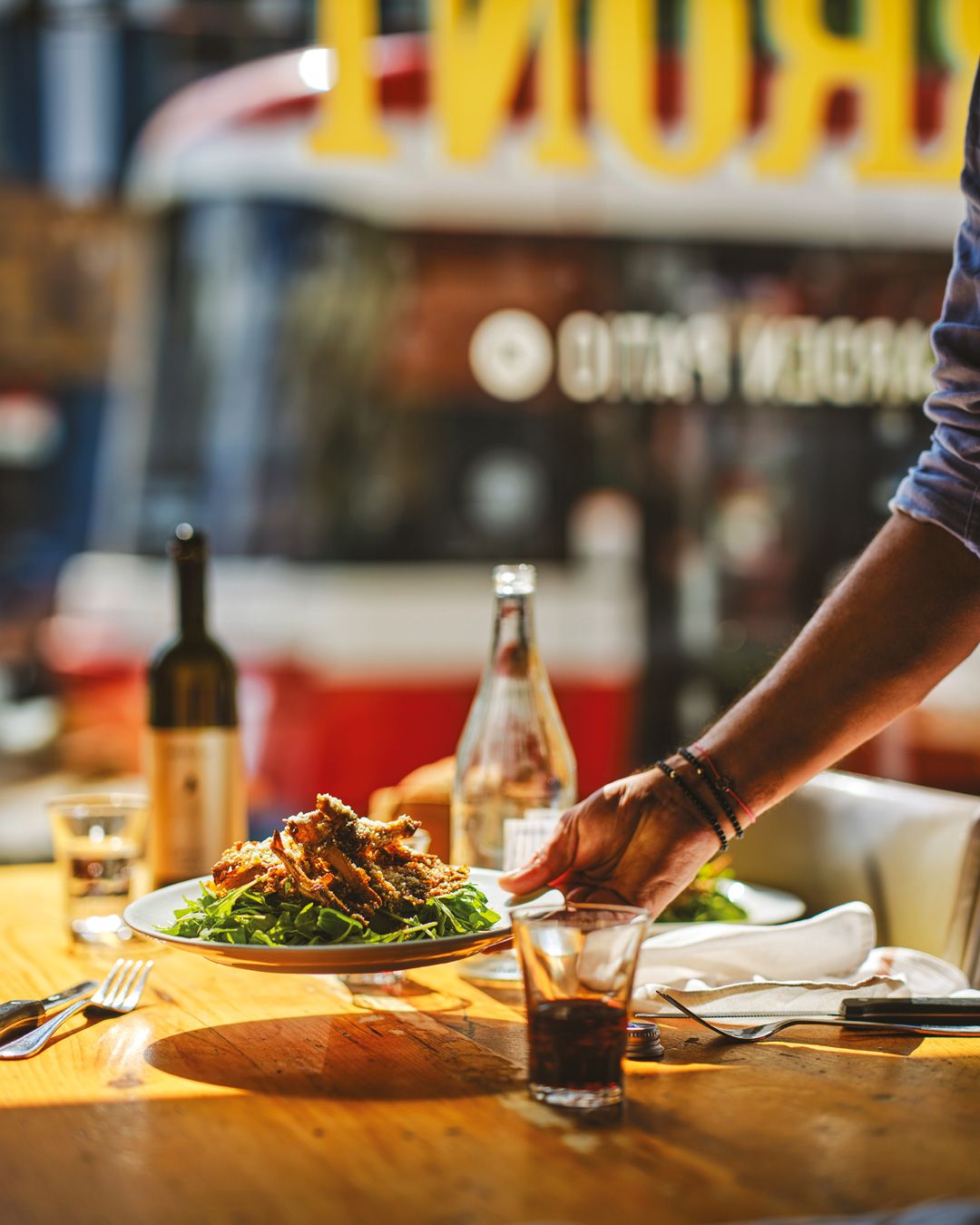
Baked Oyster Mushroom Salad
This is a signature Terroni dish. It stood out back then and still does thirty years later. It was created in a funny way. Elena, my wife, and Paolo, my late partner, are both from Bari, Puglia. They always had inside jokes going on, speaking in their home dialect. (In Barese dialect, assoluti means “on their own”—as in mushrooms served on their own.) Back in 1993, after making pizza and panini, we started experimenting with different dishes that were slightly more elevated but still had the casual feel that people associated with Terroni. We decided to make funghi assoluti because it was something they used to have back in Puglia. We used oyster mushrooms, baked in the oven with bread crumbs, and they wanted to serve it like that. But I wasn’t convinced people would understand it, funghi assoluti as an appetizer. It didn’t feel like a thing Torontonians would embrace . . . even I thought it was a bit odd! So, I added the arugula, put the mushrooms on top, added Parmigiano, balsamic, and olive oil, and turned it into a salad.
I think customers love it because of the taste and texture: the crispiness the Parmigiano and bread crumbs provide in contrast to the toothiness of mushrooms. Even mushroom-haters love this salad.
SERVES 4
- baking sheet
- parchment paper
- 1⁄2 garlic clove, minced
- 1⁄2 cup (120ml) extra-virgin olive oil
- 1 1⁄4 pounds (560g) oyster mushrooms
- Fine sea salt
- 3⁄4 cup (80g) dried bread crumbs
- 3⁄4 cup (80g) grated Parmigiano-Reggiano cheese
- 7 ounces (200g) arugula
- 1⁄3 cup (80ml)
- balsamic vinegar
Preheat the oven to 500ºF (260ºC). Line a baking sheet with parchment paper.
In a small bowl, whisk the garlic into the olive oil. Lightly grease the parchment paper with about one-third of the garlic-infused oil.
Break down any large pieces of the oyster mushrooms into smaller, bite-sized pieces using your hands. Leave the smaller mushrooms as they are and spread all the mushrooms evenly on the prepared baking sheet. Drizzle the mushrooms with one-third of the garlic oil and season with salt. Sprinkle all the bread crumbs and half of the Parmigiano over the mushrooms.
Bake the mushrooms until they become crispy and turn a golden-brown colour, 10 to 12 minutes.
While the mushrooms are baking, arrange the arugula in the centre of a serving platter.
Place the mushrooms on top of the arugula. Drizzle with the remaining garlic-infused oil and the balsamic vinegar. Sprinkle the remaining grated Parmigiano over all.
Serve the salad immediately and enjoy the delicious combination of crispy oyster mushrooms and fresh arugula.