If ever there was a novel that seeps into your skin, one that has always felt not so much like reading but having characters come and sit beside you, A Fine Balance is one of the great contenders.
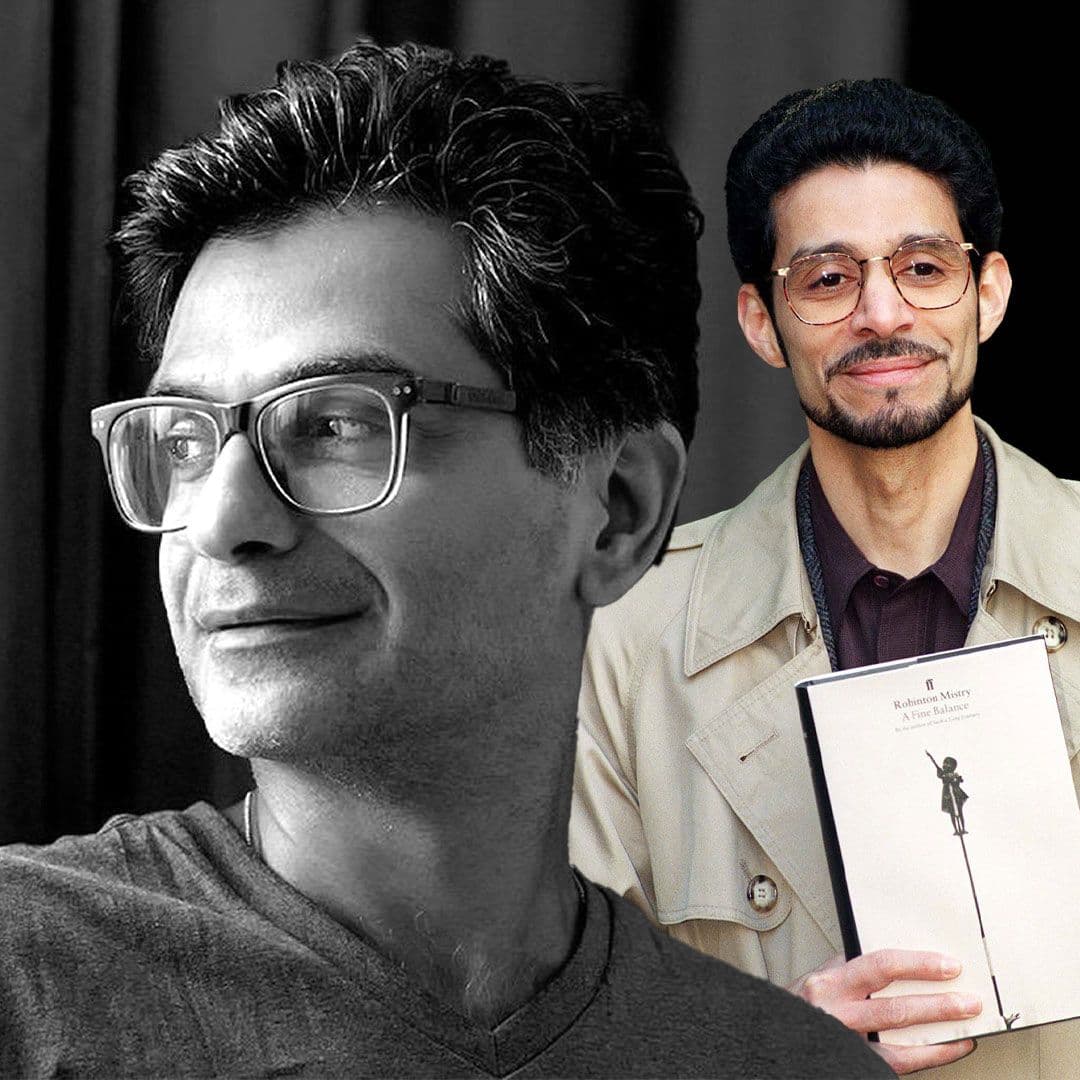
From the moment it dropped into the world in 1995 – courtesy of bank clerk-turned-academic Rohinton Mistry, an unassuming Indian-Canadian in wire-rimmed glasses – the book was a sensation. It won the Commonwealth Writers Prize as well as the Giller Prize and was shortlisted for the Booker. Mistry, who is now 74 and lives in Toronto, even became insta-famous to the “a-ha!” crowd when he appeared on The Oprah Winfrey Show in 2002. The 600-page tome, set in India and focusing on a quartet of characters during the waves of the so-called “1975 Emergency,” was the first Canadian book ever to be selected for the talk show host’s influential book club.
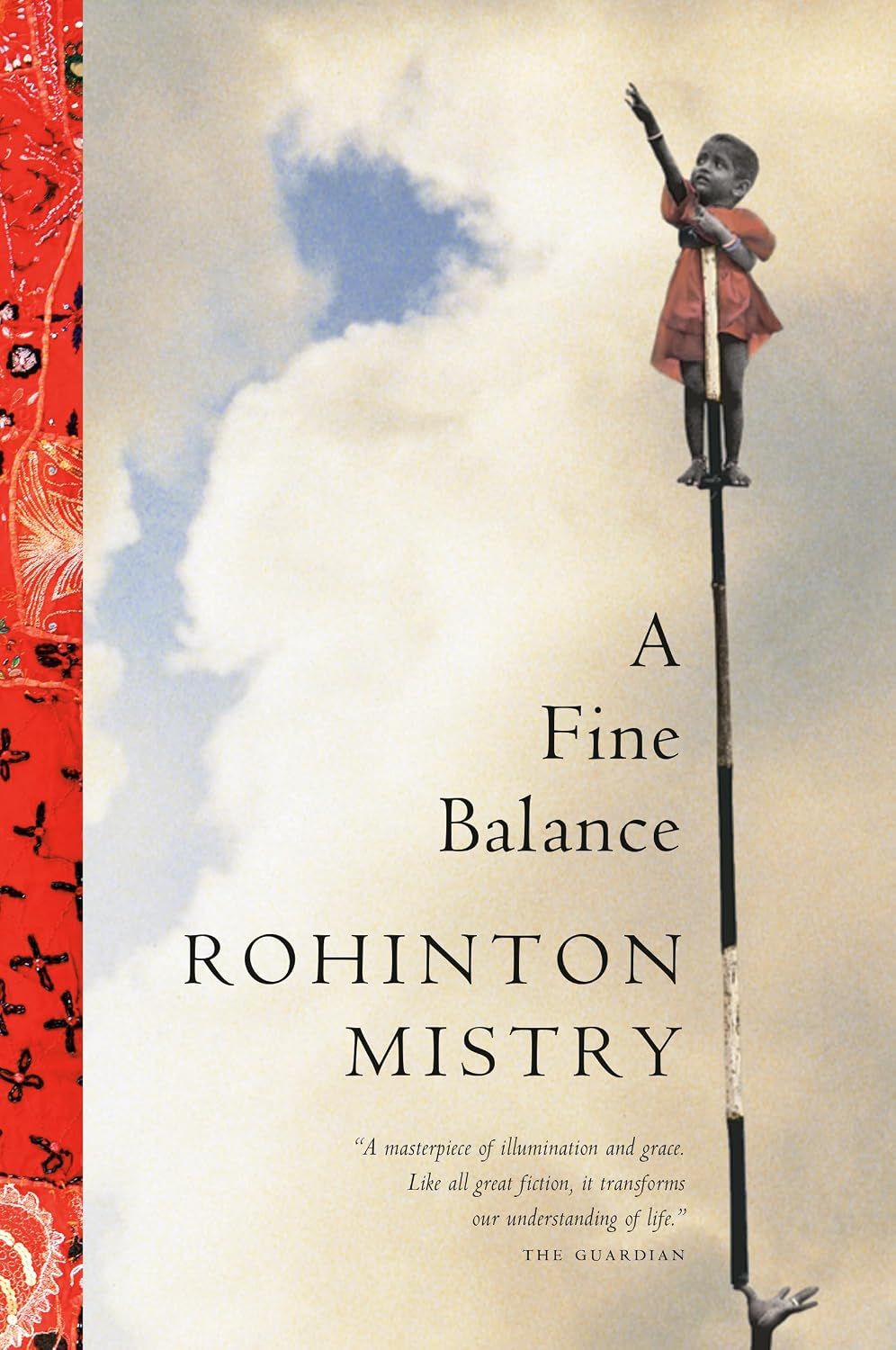
In the decades since, the regard for the novel has only grown. The term “modern classic” gets thrown around a lot. And in 2013, in celebration of 20 years of The Giller Prize, it even nabbed the title of “Giller of all Gillers” in a public vote.
All of which is to say, when it comes to the guy currently bringing the novel to the stage, Anosh Irani … no pressure, right?
“It’s definitely one of the greatest novels ever written,” concurs the Indian-Canadian playwright who first encountered it when he was living in Mumbai as a young 20-something. Irani says he was not as much of a reader then. “But once I started reading it, and would put it down, I remember wanting to go back to it as soon as possible,” he recalls. “Whenever I went out at night, or went out on my motorcycle, I just felt I needed to get back, which was a strange and new feeling for me.”
“And when I finished reading the book, I experienced this kind of silence. That’s what great art – whether it is a novel, a painting, a film – does.”
Now, on the cusp of bringing life to a theatrical adaptation in Toronto – A Fine Balance opens at Crow’s Theatre on August 25 – Irani answers the “pressure” question in another way: “It is a challenge … but it is also a privilege.”
When asked how he will set about threading a novel that he describes as “maximalist in some ways, [but] also miniaturist, focused on the lives of ordinary people” – somewhat Dickensian in spirit – the Dora Prize-winning playwright (Bombay Black, Buffoon) and Governor General’s Literary Award-nominated novelist (The Parcel) allows this: “The simple answer is intimacy. You want the audience to feel an intimate connection with the characters and not focus on plot too much.” His mission: to showcase the essential “dignity” of these characters.
For a book that is called A Fine Balance, Irani had to find his own in the telling: addressing very serious themes and very serious consequences, but also weaving in the “dark humour” found in Mistry’s book and the “absurdities” that are part of an Indian existence. “It’s the balance between despair and hope.”
In advance of the play’s premiere, Irani took time to answer our Shelf Life questionnaire and shed light on his very fine reading life.
What’s the best book you’ve read this year?
Landbridge: Life in Fragments by Y-Dang Troeung. I loved that book! I’ve read it twice now. Unfortunately, she passed away recently, but she was a professor at UBC. It tells the story of her family, who were among the 60,000 Cambodian refugees who came to Canada in 1980. It’s just a magnificent book.
What book can’t you wait to dive into?
The first short-story collection by Jamaica Kincaid, At the Bottom of the River . That thing I talked about – intimacy – she just has it!
What’s your favourite book of all time?
A Fine Balance. Of course. And in terms of a book by a playwright, specifically, I would have to say Memoirs by Tennessee Williams. He’s so truthful.
What book completely changed your perspective?
Collected Stories by Naiyer Masud. He’s an Urdu short story writer, translated into English. His short stories, they just kinda end abruptly, as if the writer has decided: “I’m leaving!” He leaves the room, sort of. And he’s left you with a kind of puzzle. It’s frustrating, but also haunting and hard to describe. I just devoured his stories. If you ask me, today, what stories do you remember: I can’t really tell you. I just remember a feeling.
If you could have dinner with any author, living or dead, who would it be?
Tennessee Williams would be great.