
“Prior to Lee’s illness, I didn’t even have a will.”
Richard Hewitt says it matter-of-factly but like many Canadians over 50, he simply hadn’t gotten around to estate planning. Even though he had spent decades supporting cancer research and care in B.C. — through the BC Cancer Foundation — he hadn’t considered what kind of impact he might leave behind.
That changed after he lost his partner, Lee Curell, in 2023 to a rare endometrial cancer.
A former nurse and passionate volunteer, Lee was known for her warmth, generosity and ability to make friends wherever she went. After she passed, Richard wanted to honour her memory and the values she lived by. So, in addition to his longtime support of immunotherapy research at BC Cancer, he created the Lee Curell Gynecologic Chttps://bccancerfoundation.com/why-give/research/immunotherapy/ancer Research Fund through the BC Cancer Foundation.
“At first, I was focused on what I could do now,” says Richard. “But over time, I started thinking about how I could continue supporting BC Cancer’s work long into the future.”
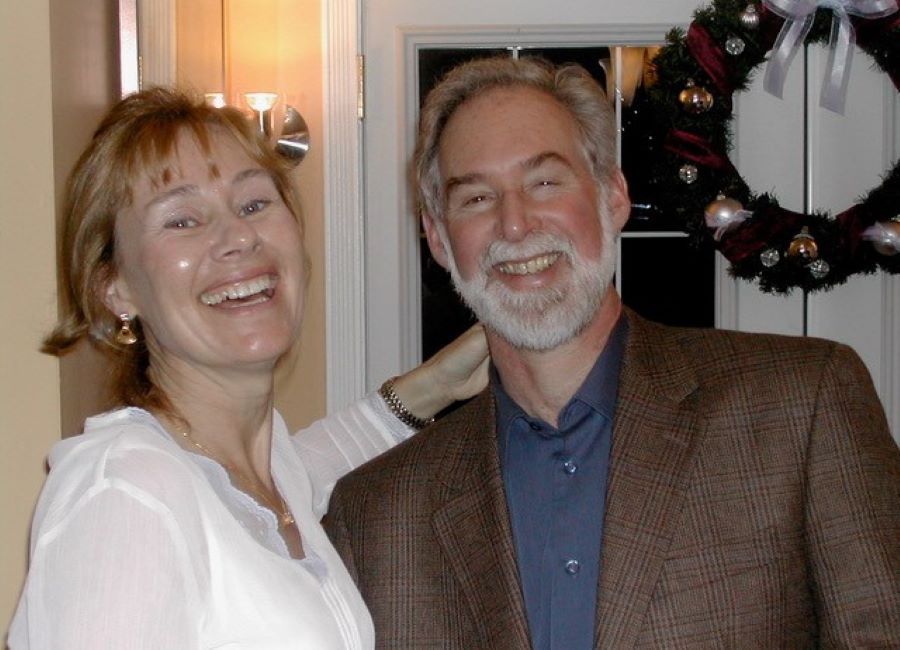
That reflection, and a chance meeting with legal advisor Sara Pedlow at a BC Cancer Foundation event, led him to something he hadn’t previously considered: a gift in his will.
For many Canadians, the idea of legacy giving can feel intimidating or complicated. Some assume it’s only for the wealthy. Others worry that supporting a charity might mean taking something away from their children or loved ones.
According to Sara, a lawyer who specializes in wills, trusts and estates, these concerns are common — and often based on misconceptions.
“Most people have a sense of how they want to support their family through their estate,” says Sara. “What’s less common is understanding that charitable giving can also be a part of that plan in a flexible, manageable way.”
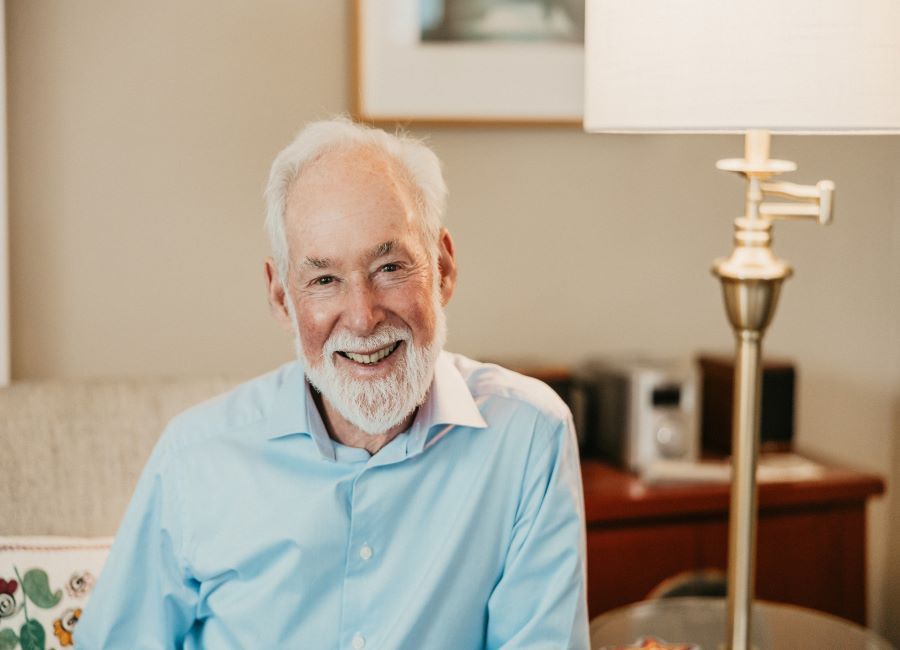
In Richard’s case, legacy giving wasn’t an “either-or” decision. Sara helped him understand that he could still provide for others while also supporting the future of cancer research and care in B.C.
Flexibility is one reason more Canadians are exploring planned giving options. A gift in a will can take many forms: a percentage of an estate, a fixed amount or specific assets such as RRSPs, TFSAs, securities or insurance policies.
And it doesn’t require enormous wealth to make a meaningful difference.
Last year alone, donors collectively contributed more than $15 million to the BC Cancer Foundation through estate gifts — helping advance cancer research, improve treatment options and support patients across the province.
For Richard, the process was easier than he expected. With support from Sara and the BC Cancer Foundation, he felt informed and confident that his gift would help drive cutting-edge cancer research for generations to come — while also honour Lee’s memory and the journey they shared.
That sense of trust and guidance is central to the Foundation’s approach, says Diana Li, executive director of Gift & Estate Planning at the BC Cancer Foundation.
“Through compassionate support and a shared commitment to improving cancer care for all British Columbians, the BC Cancer Foundation makes planned giving an accessible and meaningful way for donors to create a lasting impact.”
For Richard, creating a legacy gift is about more than remembrance. It’s about contributing to a future where more families will remain together thanks to life-saving discoveries.
“Including a legacy gift in my will to the BC Cancer Foundation is my way of ensuring that Lee’s legacy — and the hope it represents — continues into the future.”
And it all began with a simple conversation.
To learn more about including a gift in your will, contact Diana Li at diana.li@bccancer.bc.ca or 604.675.4141, or visit bccancerfoundation.com/legacy.