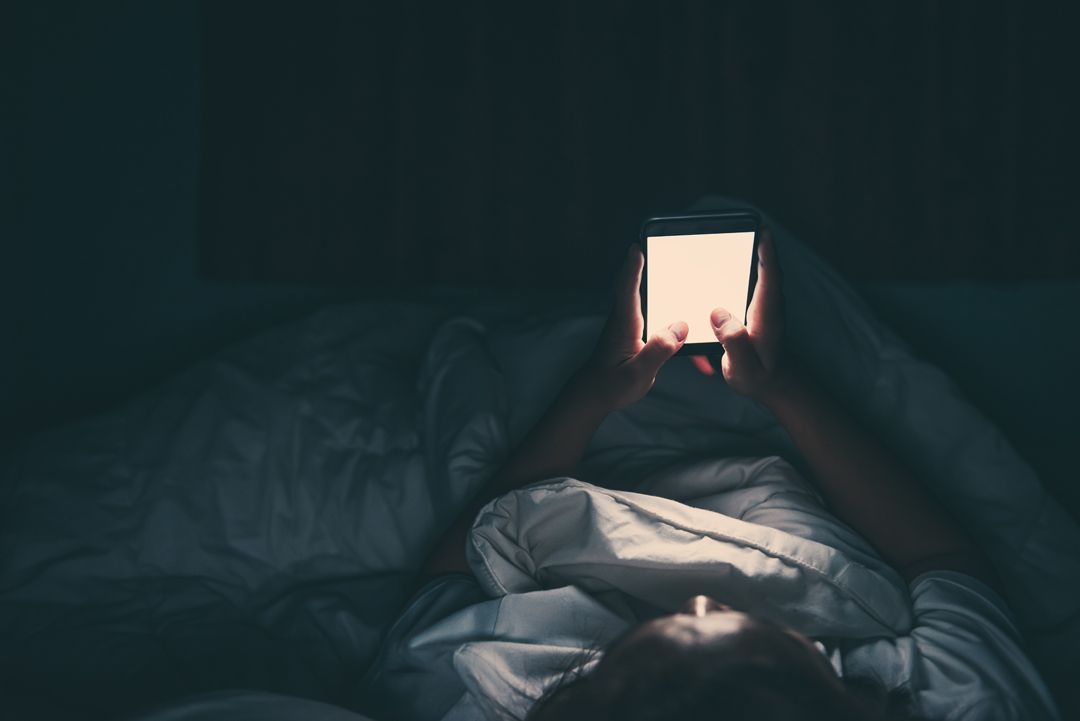
Millennials and Gen Zers get plenty of flack for their screen time, but as digital technology becomes ever more pervasive, Gen X and Boomers are increasingly tethered to their screens, too.
Smartphone ownership and internet adoption among Canadians aged 65 and older grew steadily from just 13 per cent in 2014 to 55 per cent today, while a hefty 94 per cent of Gen Xers own one. Of course, much of that spike for Boomers is due to necessity and research has shown the social connection offered by digital tech can help stave off isolation and loneliness. But like anything, the moderation and intent behind our usage matters.
Passive use – you know, the mindless scrolling that we engage in more often than we’d like to admit – has been associated with poorer perceived mental health among older adults. Meanwhile, the cognitive and physical impacts of doomscrolling are even more troubling – from decreased attention span, cognitive overload and sleep disruption to links to lower grey matter volume and the activation of stress hormones.
These potential harms are a heavy price to pay for the quick – and addictive – dopamine hit our algorithmic feeds provide us. So how do we kick our unhealthy screen habits and make room for healthier dopamine-producing activities, like face to face social interaction, exercise and time spent in nature?
Ironically enough, tech might have the answer. Here, we take a look at the apps, devices and yes, even an alternate social media network, that promote healthier screen usage.
To Have and to Hold
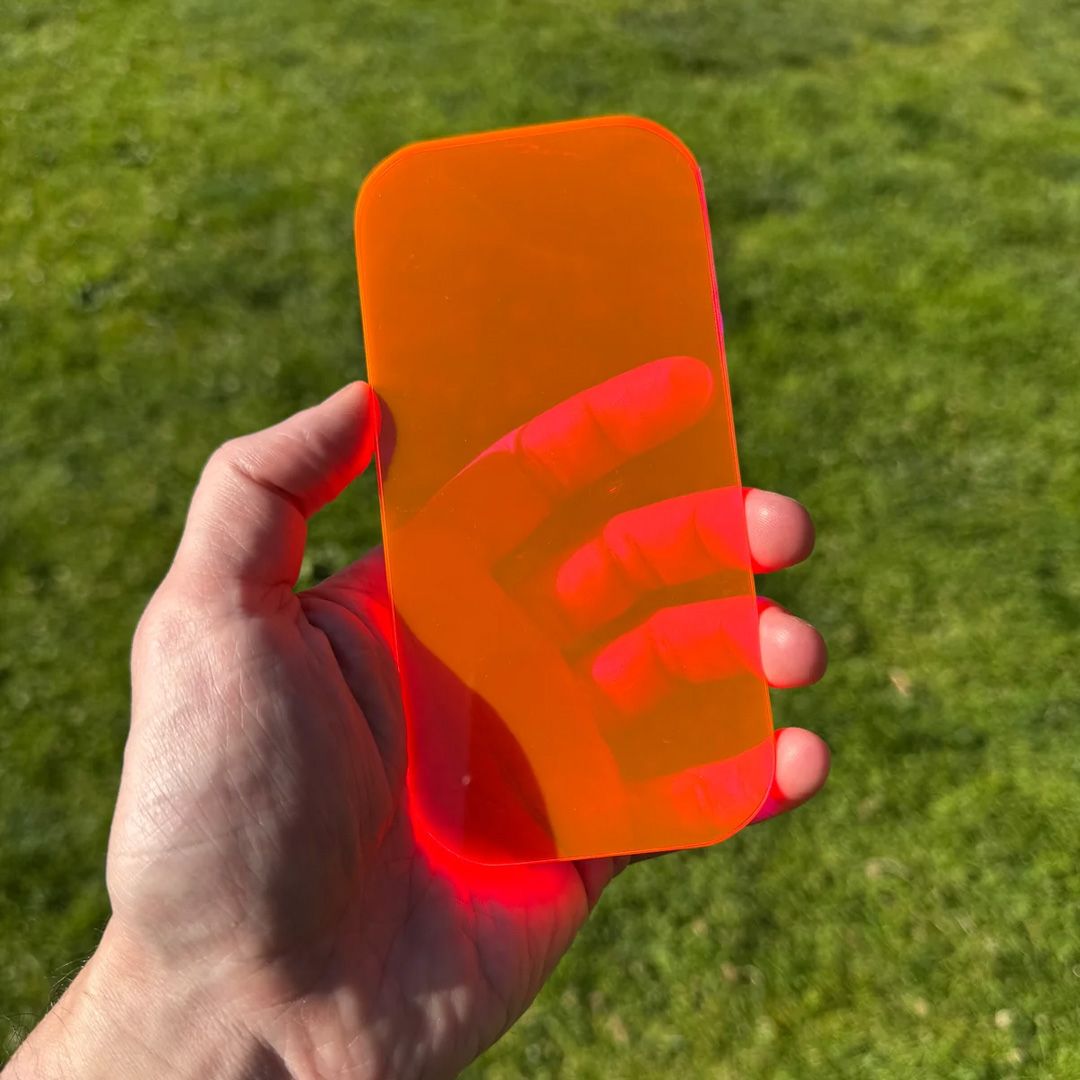
The addictive quality of a smartphone is in large part due to its constant “companionship.” It’s always readily available in your pocket or purse, when you’re on the train, waiting for the doctor or looking for a distraction. It’s so intertwined with our daily lives it can feel strange to step outside of the house without its company. For those looking to create a little separation from their device, there’s Methaphone, a clear acrylic slab that mimics the shape, weight and feel of your smart phone.
“Take it instead of your phone,” the website offers. “Let it ride along in your jacket or jeans. If you’re anxious, rub the surface with your thumb. When you need to avert your gaze, it’s there for you to pull out to look through.”
Hang It Up
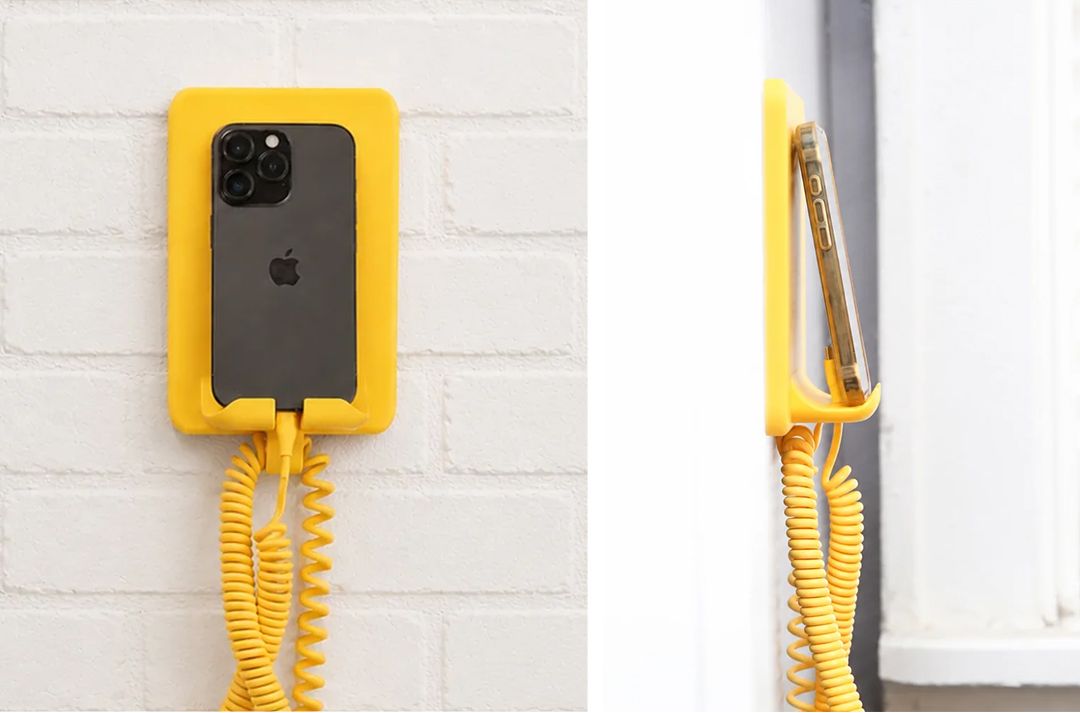
Let’s face it, things were so much easier when the phone was a household appliance instead of a personal device. Enter The Colie Perch, a wall-mounted phone dock equipped with a retro, stretchy, coiled USB-C charging cable that looks exactly like an old-school landline cord. With your phone “hung up” on the wall and out of constant reach, the hope is that you spend less time on your device and become more intentional with your usage.
Dumb It Down
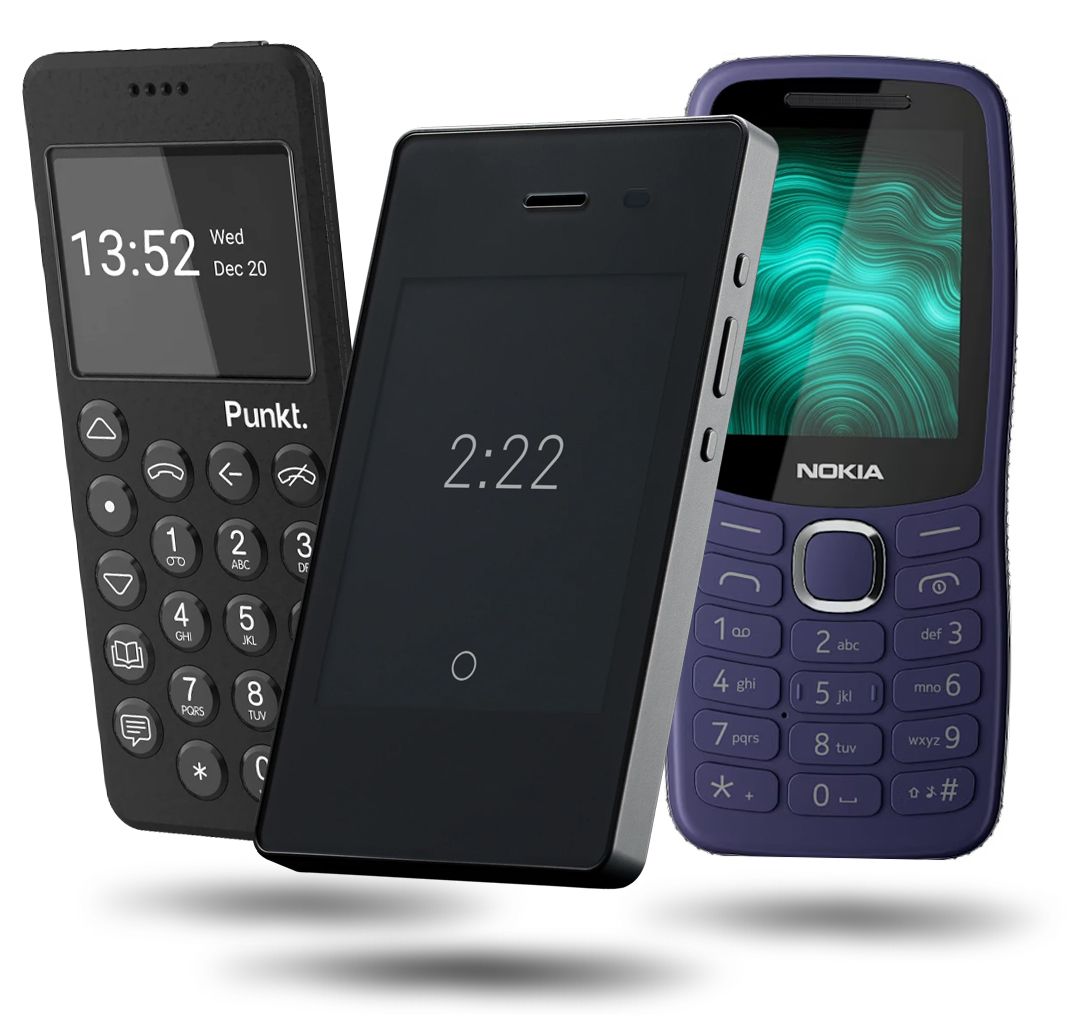
For those who are ready to ditch their smart phone entirely without losing contact with the world, a “dumb phone” – a cell phone that only offers essential functions like calling and texting – is a great option.
Standout options include:Nokia feature phone models, which promote voice communication (unless you’re well versed in the classic t-9 predictive text mode); Punkt MP02, a minimalist phone with large buttons instead of a touch screen; and Light Phone II, a snazzy touchscreen phone that offers calling and texting while ridding you of any sleep-disrupting blue light exposure thanks to its black-and-white E-ink screen – similar to those found on e-readers.

Lock In
Sometimes, even keeping your phone in another room isn’t enough, what with all the notification chimes and fear of missing out on the latest posts. When that digital pull becomes too hard to resist, literally locking your phone away might be a solution. There are an array of lock boxes specifically designed to curb your smart phone addiction. This case sold on Amazon, allows you to lock your phone away for a set amount of time – from hours to days – while you focus on work or family time.
There’s An App For That
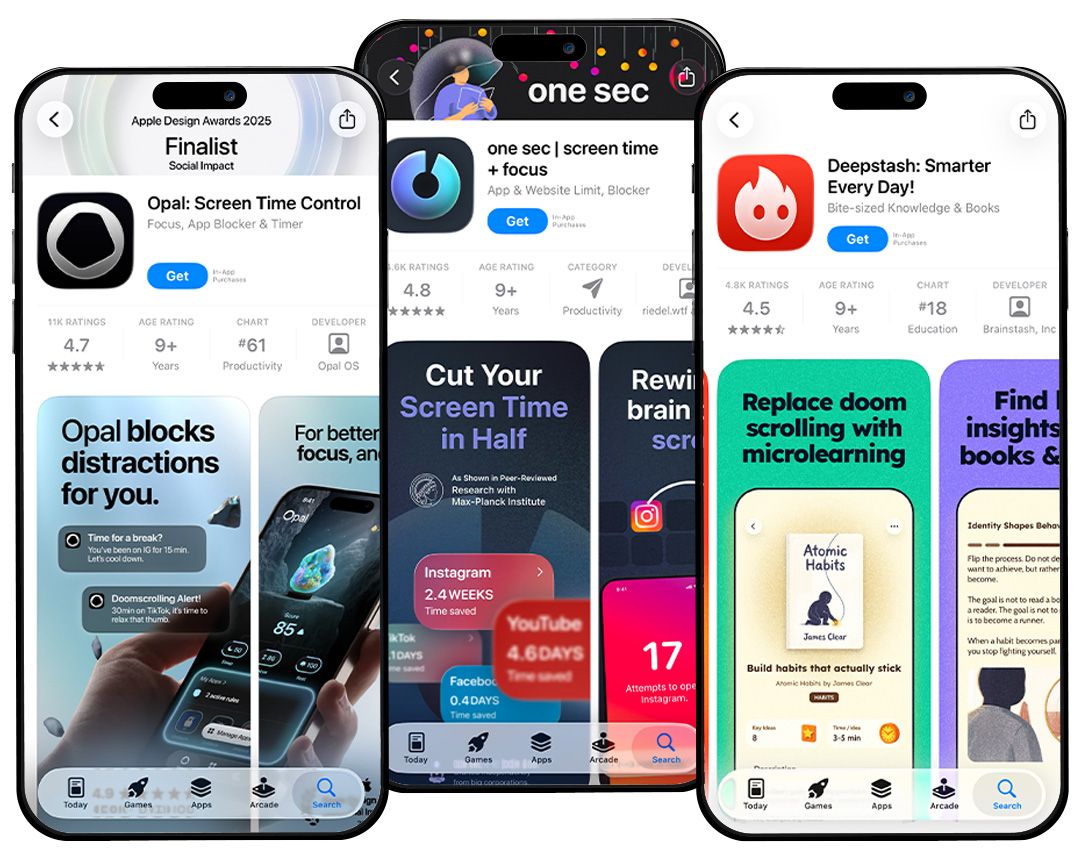
Believe it or not, your app store is full of resources to help reduce or become more intentional about your screen time. Here’s a few of our favourites:
One Sec: This app gently takes you through deep-breathing exercises or other mindful activities each time you attempt to open a distracting app like Instagram, TikTok or Facebook.
Opal: A robust app that acts as a gatekeeper, allowing you to set schedules to block specific apps, while the premium version prevents you from bypassing or cancelling focus blocks when you get that irresistible itch to scroll.
Deepstash: For those looking for a healthier replacement for Instagram or YouTube, this social media network is all about self-improvement and education. Instead of the slot machine-style feed you get with your average social media network, Deepstash’s feed offers micro-knowledge on health, productivity and life skills.
Setting the Tone
Sometimes limiting your screen time can be as easy as changing your smartphone settings. Turning off your notifications for instance can help you reduce the urge to pull your device out of your pocket, while changing your display to grayscale can reduce the dopamine-inducing appeal of your most distracting apps. For late night scrollers, turning off your wi-fi before bed, charging your phone in a separate room and opting for an analog alarm clock are great ways to keep your night time routine free from digital noise. Finally, simply creating phone-free zones in your house in spaces where you’d like to be more present or connect with family – ahem, the dinner table – can be a great way to promote healthy digital habits in your household.