New films reveal the resolve beneath the glamour of late fashion legends Elizabeth Taylor and Elizabeth “Lee” Miller. In the illuminating documentary, Elizabeth Taylor: The Lost Tapes (Crave, Aug. 3), the incomparable Hollywood star cum activist narrates her own story. Meanwhile in Lee (in theatres, Sept. 27), a subtle but intense performance by Kate Winslet, 48, brings to life the force of nature that was Miller, a cover girl turned acclaimed war correspondent.
Following a successful run as a Vogue model – her slightly androgynous look was celebrated as “the epitome of the modern woman” on a 1927 cover – American-born Miller studied with visual artist Man Ray in Paris and became an accomplished fine art photographer. Then, when the Second World War broke out in Europe, she obstinately fought to be accredited as a photojournalist among the predominantly male media corps – determined to tell the more intimate human stories. In June 1945, Vogue published “Believe It,” Miller’s powerful reportage from her time embedded with the U.S. military in Europe. And it included the iconic photo of her bathing in Hitler’s tub, taken on the same day the dictator committed suicide. Miller was also among the first on the scene after the liberation of Buchenwald and Dachau, and her stark photographs of the concentration camps remain a visceral reminder of the atrocities.
The new film, a passion project that Winslet’s been guiding for years, presents its subject’s life in flashback, as Miller shares what she witnessed with her son, played by Josh O’Connor (Challengers and The Crown) – and is so obviously haunted by the memories.

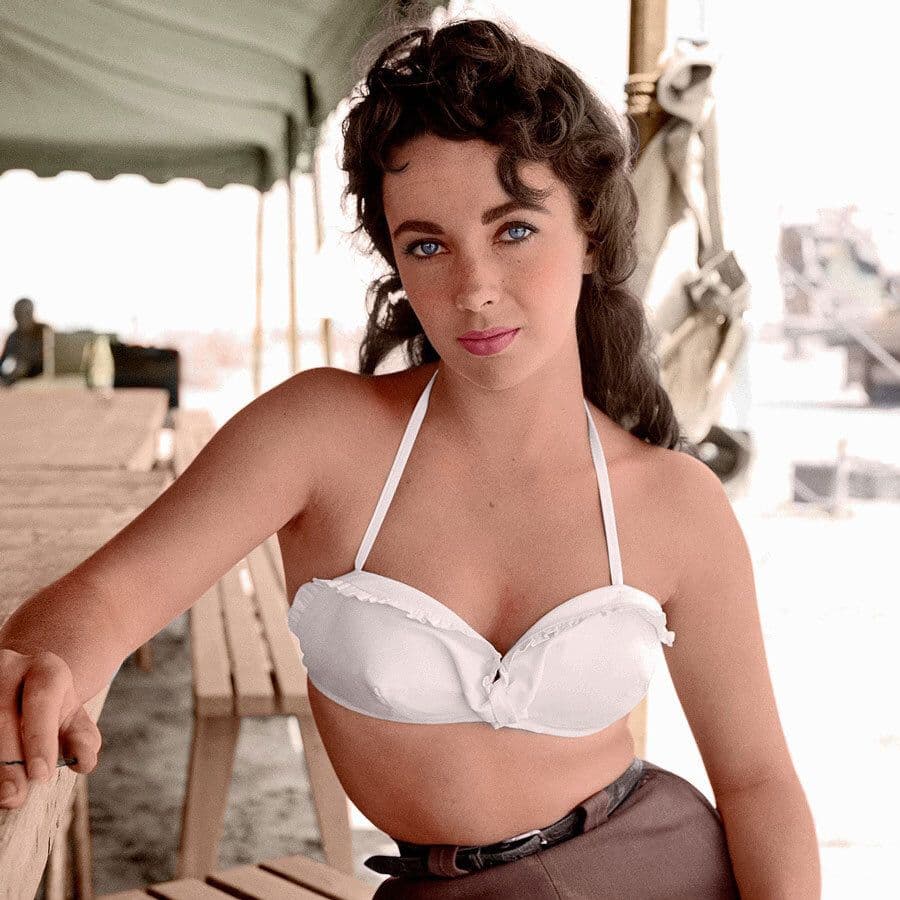
There’s a similarly vivid immediacy in Elizabeth Taylor: The Lost Tapes as the larger-than-life star gives the straight goods on celebrity, style, and love and marriage in her own words. Filmmakers pulled from 40 hours of audio interviews, recorded in 1964 by Richard Meryman, the ghostwriter of Taylor’s self-titled memoir. And through archival materials, film clips and interviews with peers, the doc also covers the star’s incredible second act, including how she translated her love affair with jewelry into the White Diamonds perfume, which is still a bestseller three decades after its launch.
But more notably, the film examines her close friendships with closeted gay co-stars such as Montgomery Clift and Rock Hudson, and how they arguably influenced the violet-eyed beauty’s groundbreaking 1980s advocacy around HIV/AIDS. As Hudson became one of the first celebrities to both publicly disclose his diagnosis and die from an AIDS-related illness, Taylor lobbied the government to address the crisis. She co-founded the Foundation for AIDS Research (amfAR), which has raised US$900 million to date. And in 1991, she launched the Elizabeth Taylor AIDS Foundation, which provides care to vulnerable patients and helps combat the stigma around the disease.
Although living a generation (and worlds) apart, these famed beauties were objects of public scrutiny and, perhaps as a result, shared a deep sense of empathy and a defiant attitude that shaped their unlikely later endeavours. In flouting societal expectations, they convinced others to adjust their attitudes and open their eyes.
RELATED:
Older Women With Younger Men: Has Hollywood Helped Normalize May-December Romances?
Reel Drinks: From Bond’s Martini to Carrie’s Cosmos, Delicious Cocktails Inspired by Hollywood