There’s a lot of dry, difficult to understand research out there, but when we looked up the newest studies about aging and longevity, we were pleasantly surprised by the work experts are doing and their fascinating findings. So, we asked researchers from four new papers to break down their latest discoveries in layman’s terms. Here’s what they told us.
Brain Aging, Reversed
You’ve probably heard of the hippocampus – it’s the part of the brain that’s responsible for our memories and the way we learn. It’s also the region that can be damaged from conditions like dementia and Alzheimer’s disease.
In their research of the hippocampus in older mice, scientists from University of California San Francisco (UCSF) recently found the accumulation of a protein in this part of the brain was responsible for a slew of issues related to aging. “In older mice, the hippocampus accumulates the iron-storage protein called FTL1 (FTL in humans). That buildup is associated with weaker brain connections, reduced cellular energy and memory decline,” says Laura Remesal, a senior scientist of biotechnology at the Villeda Lab at UCSF and one of the authors of the study that was published in Natural Aging in August.
So, Remesal and her team tried blocking the protein. “When we decreased FTL1 levels specifically in the hippocampus, memory performance improved,” she says, adding the mice regained more youthful brain function. And when they artificially increased the levels in younger mice, they found their brains looked like that of older mice. All cells, including neurons in the hippocampus, have FTL1, but this is the first study to link the protein it to brain aging, and it confirmed lowering FTL1 can restore memory.
“The most important takeaway is that cognitive impairment can be reversed, not just prevented or delayed. We think this could lead us to pursue FTL as a therapeutic target – not only for age-related cognitive decline, but also for neurodegenerative diseases like Alzheimer’s,” Remesal says. “Treating the aged brain might have more potential than we first thought.”

Vitamin C to Our Skin’s Rescue
Skin is the body’s largest organ, and most of us are all-too cognizant of how ours looks to the world – do we have that youthful glow or are our lines getting deeper?
We know the outermost layer of skin (a.k.a. the epidermis) thins and loses its strength and elasticity as we age, but it turns out all-around hero nutrient vitamin C plays a direct role in maintaining a youthful look by keeping it healthier and thicker. In April, the Journal of Investigative Dermatology published a study conducted by scientists in Japan that shows the vitamin (best known for its immunity-boosting and antioxidant properties) might be able to restore skin by activating the genes that controls the development and growth of skin cells.“As skin naturally becomes thinner with age, vitamin C helps support healthier cell activity and contributes to maintaining a thicker, more resilient skin structure,” says Dr. Akihito Ishigami, whose colleagues at Tokyo Metropolitan Institute for Geriatrics and Gerontology conducted the study. “Our research specifically demonstrated that vitamin C supplementation [when applied topically rather than orally] can increase skin thickness at the cellular and tissue level.”
While this doesn’t mean it directly erases wrinkles, healthier and thicker skin generally has better texture, elasticity and resilience, which may help improve the overall appearance of aging skin. This discovery highlights a potential way to slow down certain age-related changes and improve quality of life as we grow older.”

Frailty Expedites Aging
There’s no denying some of us age in a healthier manner than others, and now we have an idea why. A team of international researchers (led by the University of Colorado Boulder) published a study in the journal Nature Genetics in August outlining the 400-plus genes they found associated with accelerated aging.
One major trait in common with these genes? They’re all tied to different forms of frailty, which researcher Isabelle Foote from the UCB’s Institute for Behavioral Genetics says is defined as physiological changes that affect multiple body systems – think the brain, heart and muscles – and leads to the inability to withstand external stressors, like infections. “Think of it as an acceleration of biological aging that we know causes people to be more likely to lose their independence or develop age-related diseases, such as dementia,” she says.
The issue with looking at frailty in research is that two vastly different people – one in top physical form with deteriorating cognition; the other mentally sharp but in declining physical health – can get the same frailty score, making it hard for scientists to fully understand the underlying causes of aging.
So, instead, the team looked at seven pathways to unhealthy, accelerated aging – the first was general frailty, which is associated with 30 age-related deficits, including number of illnesses and amount of social activity. But they found that the 408 genes associated with frailty were also linked to more specific things like having multiple diseases, poor cognition, disabilities, unhealthy lifestyles, metabolic problems and limited social support.“We know frailty impacts more than 40 percent of adults over 65, and clinically, we see it as a risk factor for poor health outcomes, like more hospitalization or need for long-term care, but we don’t have a good grasp of why it happens on a biological level.” The timing is right for this research – traditionally, much of the lab studies done around aging has focused on prediction, as well as on single pathways to aging.
“That’s where this study really advances things because it uses genetic data to uncover the reasons for different aspects of accelerated aging, or frailty, by measuring the big picture all together rather than focusing on a specific process,” she says. “These findings help us understand which pathways of aging might lead to increased risk of subsequent diseases and provides the foundation for further work to develop drugs that can prevent different aspects of accelerated aging.”
More Magic from Magic Mushrooms
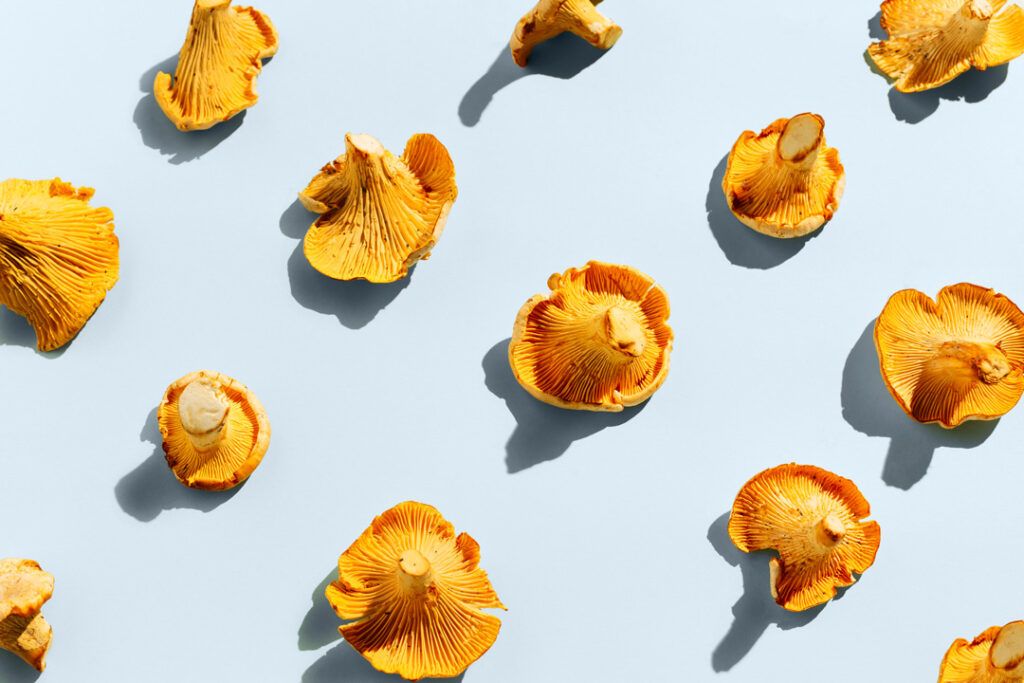
The ways in which psilocybin (the tryptamine alkaloid that makes mushrooms psychedelic) can help those who suffer from treatment-resistant depression, post-traumatic stress disorder and other mental-health issues are already being studied, and there are new findings being released on the daily.
But it’s a new study published in July in Nature Partner Journals’ Aging that caught our attention. Researchers from Baylor College of Medicine in Houston have found human skin and lung cells that were exposed to psilocin (the active form of psilocybin) in lab dishes aged slower and lived 50 percent longer than untreated cells.What’s more, in older mice, psilocybin improved survival even when treatment began later in life (at around 65 human years). “As cells age, they accumulate the biological equivalents of rust and wear-and-tear oxidative stress, DNA damage and the shortening of the protective DNA ‘caps’ on chromosomes. In our experiments, psilocin preserved the length of these caps, and cells kept up stress-response and DNA-repair functions at levels more like younger cells,” says Kosuke Kato, the study’s lead author. “This is not the same as making cells immortal – treated cells still aged, they just got there later.
The exact molecular pathway is still being mapped, but it appears to involve serotonin-receptor signalling that exists in many tissues, not just the brain.” We’d be remiss not to mention the mice that received psilocybin showed healthier physical features, like fewer white hairs and thicker fur. “We’re living longer as a society, but healthy years haven’t kept pace. Most aging research focuses on the brain, yet serotonin-receptor biology is present throughout the body,” he says. “Our results suggest psilocybin-class molecules might help preserve cellular function beyond the brain and extend the years we live in good health.” All this said, adds Kato, it’s “far too soon” to self-medicate.