Gut health is all the rage these days, and if you’re like us, you’ve been inundated with probiotics and prebiotics in your reels on social media. So, if you’re wondering what the difference is, which one’s more important (spoiler: they’re both vital), the role they play in digestive health and how you get them in your diet, join the club.
What are Probiotics?
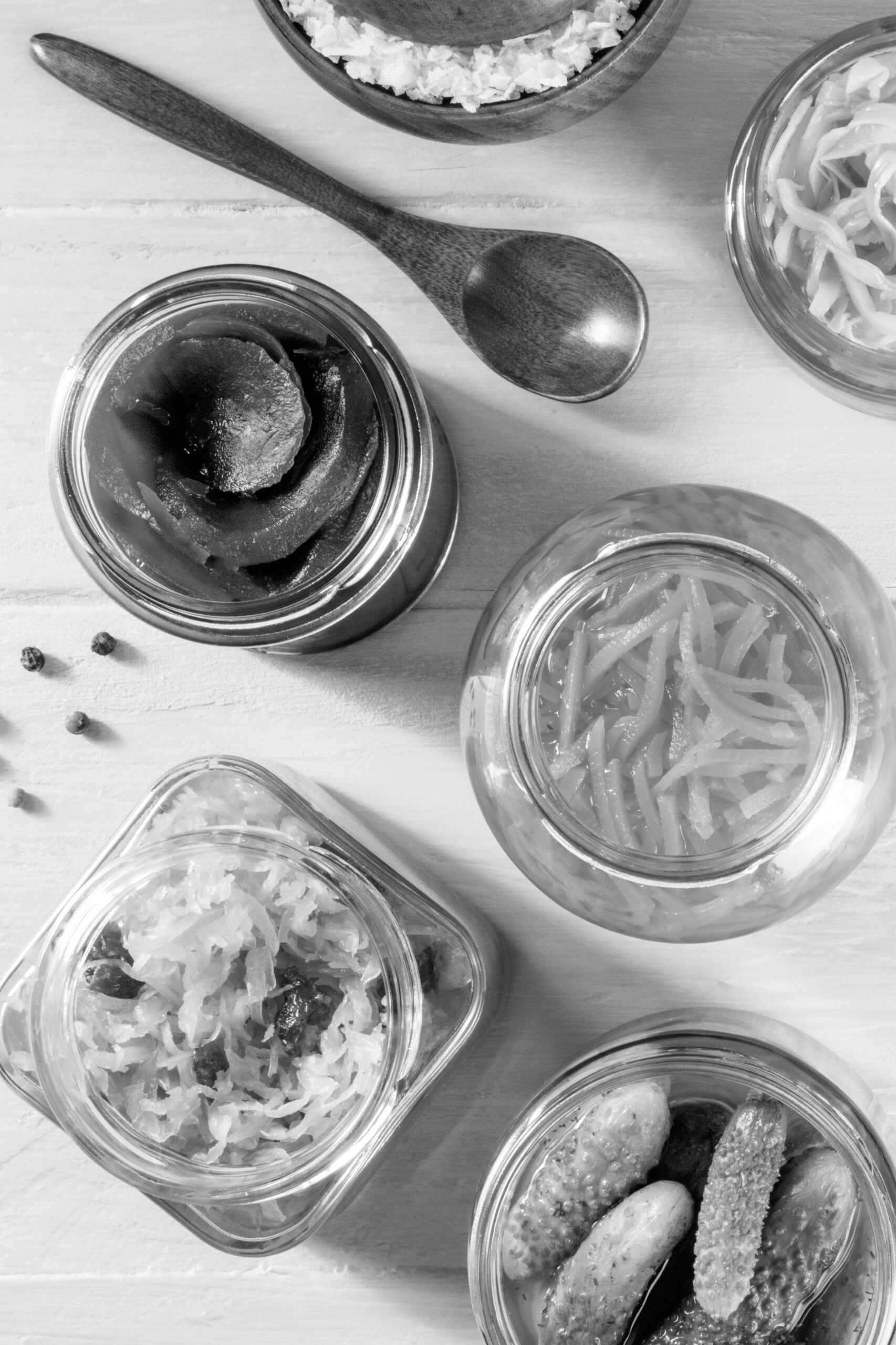
This is the healthy bacteria in the gut, says Vancouver-based registered dietitian Jessica Begg. They’re the good microbes – live microorganisms – that help us digest fibre, as well as manage changes in our bowel habits, bloating and help manage symptoms of irritable bowel syndrome. Probiotics don’t hang out in the gut for long – they’re consumed, do their work and leave. You’ll find them in powder and pill form, some yogurts (labels should indicate live and active cultures), kefir, miso and other fermented foods like sauerkraut, kombucha and kimchi. “We all have healthy bacteria in our gut, so while having foods that have the healthy bacteria in them is good, the best maintenance is ensuring you have a good amount of fibre to keep them happy and healthy,” says Begg. That’s where prebiotics come in.
What are Prebiotics?
“These are different types of fibre that the bacteria in our gut feed on to keep healthy,” says Begg. Basically, they’re food for our gut microbes that feed friendly bacteria. (Think of it this way: If probiotics are plants, prebiotics is the water they need to thrive.) Prebiotics are found in foods that are super high in fibre – think lentils, beans, grains, flaxseeds, garlic, onion, cabbage, dandelion greens, pomegranates, cashews, grapefruit, leeks, apples and chia seeds. (There’s also a slew of products on store shelves – like cereal, energy bars and protein supplements – with added prebiotics.) The more we get in our diets, the better. “It’s important to have lots of fibre for various reasons, including to decrease our risk of heart disease, stroke and cancer,” says Begg. “But it’s also key for gut health, since 70 per cent of our immune system lies in our gut. So, high-fibre diets keep the healthy bacteria that naturally occur in the body super happy.”
What are Synbiotics?
This is the one you probably haven’t heard much about. It turns out taking probiotics and prebiotics together is a plus, and when they’re mixed, they’re called synbiotics. The thing is, we don’t yet know which probiotic works best with which prebiotic – the best pairings of both are currently being studied. Scientists are also looking at synbiotics when it comes to how they affect conditions like obesity, depression, allergies and diabetes. Still, the message is clear: If you’re getting your share of probiotics in your diet, you also need those prebiotics to feed healthy gut bacteria.
Zoomer Rx
Need ideas for adding probiotics and prebiotics into your diet? Try probiotic yogurt with sliced banana and berries, have a kefir smoothie with oats or try kimchi stir-fry with onions and rice. If you’re considering adding probiotic or prebiotic supplements to your diet, speak to your healthcare professional about which one is best for you.