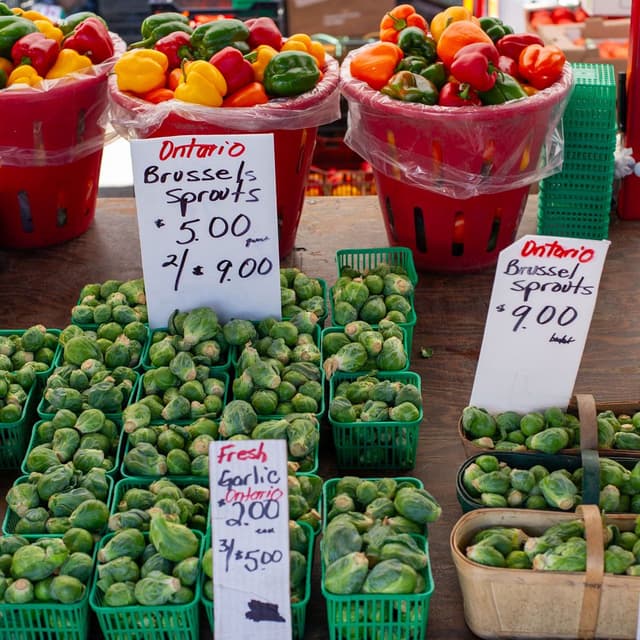
Now that it’s officially summer, farmers’ markets and the produce sections of your grocery store will soon be filled with a bevy of local ripe and ready-to-eat strawberries, peaches, plums sweet corn, peas, zucchini, peppers, a wide selection of greens and other good-for-you crops. Most experts agree that this healthy fare – harvested by hard-working farmers in your area – are your best bet for quality, taste and reaping the maximum benefits when it comes to vitamins, minerals and fibre. The golden rule is to eat what’s in season in your province or territory.
The reality, though, is that many Canadians can’t always access or afford the freshest produce. And let’s not forget that come the end of the harvest season in the fall and then through our long winters, we’re hard-pressed to find fresh-from-home fruits and veg, and rely on products that have to make the long haul from the U.S.
What’s more, most of us don’t eat enough fruit or veggies, period. National data shows only one in five Canadians eat the recommended five or more servings daily (The Canada Food Guide recommends filling half of your plate with vegetables and fruits at every meal). Two-thirds of us are missing the daily combined fruit and vegetable goals for reasons like accessibility and the soaring costs of out-of-season produce.
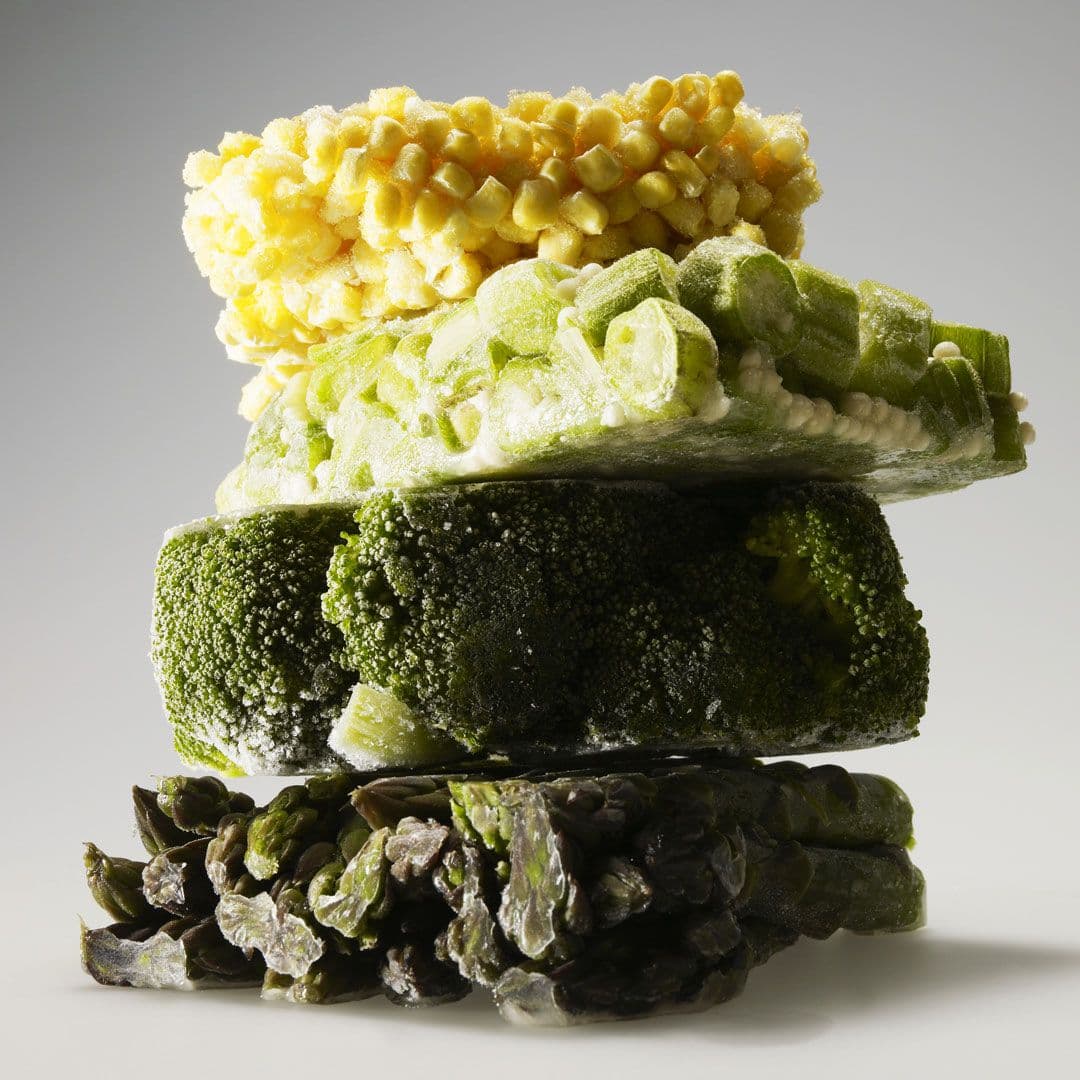
It’s good news, then, that a slew of studies comparing fresh and frozen produce have found that the frozen variety are nutritionally comparable to – and sometimes even healthier than – fresh. One study in the Journal of Food Composition and Analysis that compared key nutrients in fresh, refrigerated and frozen produce, found that fresh produce loses vitamins during refrigeration. It also debunked the assumption that fresh fruit and veggies have more nutritional value than frozen, and even found that in some situations, frozen is more nutritious than fresh produce that’s been stored for more than five days.
Another study in the same journal found minerals, fibre and total antioxidants were pretty much identical in both categories. And research from the journal Nutrition found those who ate frozen fruits and veggies consumed significantly more produce than those who didn’t, and those who enjoyed the frozen variety had more potassium, calcium, vitamin D and dietary fibre than others.
“Frozen produce is typically harvested at peak ripeness and frozen shortly after, which helps to preserve nutrients,” says Elaine Zhang, a Vancouver-based registered dietitian. Fresh produce, she adds, continues to lose nutrients during transportation, storage and refrigeration. “As for nutrient retention, it ultimately depends on the specific nutrient, the type of vegetables or fruit and the length of time fresh produce has been stored.” For example, Zhang points to one study that showed refrigerated fresh peas and broccoli retained their vitamin C only when eaten within two weeks. “After that time, vitamin C levels declined below those found in frozen versions, highlighting the impact of storage on nutrient loss,” she says. So, if you’re going to forget about fresh produce lost in the depths of your fridge, frozen might be a better option.
Zoomer Rx
Nothing beats local produce consumed soon after you bring it home from the market. But if you’re not going to eat it all within a couple days – or you want to enjoy farm-fresh food throughout the year – consider buying local now and freezing for later. Tip: Zhang says when choosing frozen fruit at the supermarket, be sure to avoid varieties with added sugars, and skip the frozen veg that come packed with sauces filled with salt.