


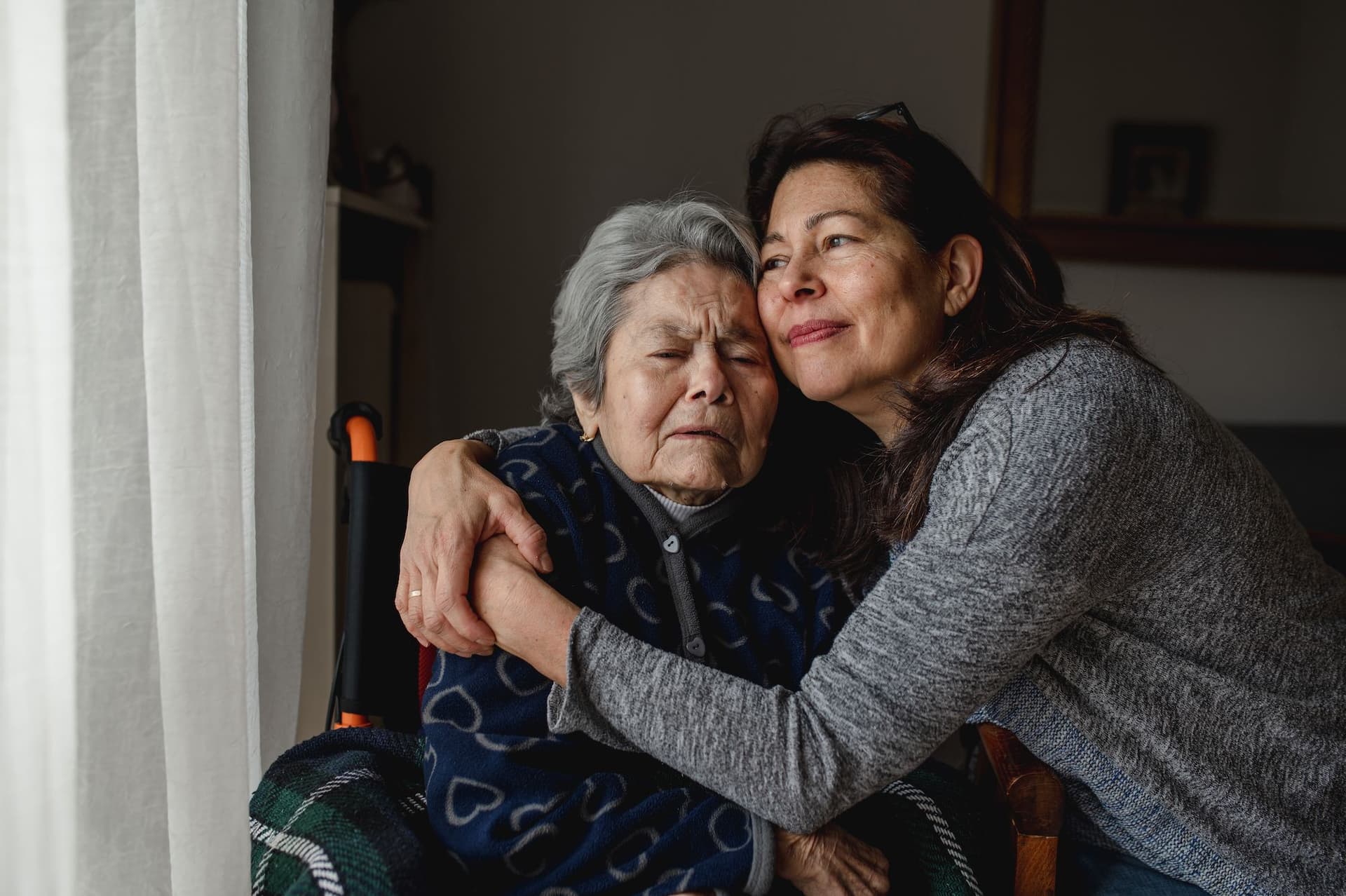
Supporting an aging parent, grandparent or other loved one often starts with a simple conversation. As respiratory viruses like COVID-19, influenza and respiratory syncytial virus (RSV) begin circulating more widely each fall and winter, checking in can help the older adults in your life feel informed, prepared and supported, while respecting their independence.1
“Supporting an ageing loved one doesn’t mean you now call the shots,” said Anthony Quinn, president of the Canadian Association of Retired Persons. “But the way you start the conversation can make all the difference. Using collaborative language like ‘Let’s do this together’ instead of ‘Do you want to?’ can help older adults feel respected and empowered when making decisions about their health.”
Experts recommend approaching these conversations as something you’ll do together, rather than asking yes-or-no questions that may be easy to dismiss.2 Here are a few simple ways to start the conversation:
“Let’s find out what’s recommended for you this season.”
Recommendations for respiratory vaccines can vary based on age, health conditions and other factors. You can encourage your older loved one to speak with their pharmacist, nurse practitioner or family doctor about which vaccines are recommended for them, and offer to help if they’d like another set of ears during the conversation.
“Let’s make a list of questions before your appointment.”
Writing down questions ahead of time can help make healthcare appointments feel less overwhelming. Whether it’s about vaccines, medications or managing existing health conditions, having a list can help ensure you and your loved one’s concerns don’t get overlooked.
“Let’s go together and pick up anything else you might need this season.”
Knowing you’re available to help can help your older loved one feel more confident. You can offer to drive them to an appointment, pick up prescriptions or stock up on everyday essentials so they’re prepared if they need to spend a few days recovering at home.
“Let’s make a plan to talk every day and see each other regularly.”
Staying socially connected is an important part of healthy aging.3 Regular phone calls, visits or shared activities can help older adults stay engaged and supported throughout the colder months.
Supporting an older loved one comes down to a balance of making sure they have what they need without compromising their independence. By talking it through, you can find that balance together.
Take the next step toward protecting your respiratory health. Visit carp.ca/vaccinesandimmunizations to learn more and discover ways to stay healthy and protected this season.
1 Government of Canada. Respiratory infectious diseases: Reduce your risk. Available at: https://www.canada.ca/en/public-health/services/diseases/respiratory-infectious-diseases-reduce-spread-personal-protective-measures.html Accessed July 27, 2026
2 Heart to Heart. Effective Communication with Seniors. Available at: https://www.h2hhc.com/blog/effective-communication-with-seniors Accessed July 27, 2026
3 Government of Canada. You’ve got a friend in me. Available at: https://www.statcan.gc.ca/o1/en/plus/6735-youve-got-friend-me Accessed July 27, 2026