

It’s damp and drizzling in the quadrangle at Oxford’s Exeter College. Luckily I’m safely under the video village tent with the Outrageous crew, crowded around a monitor watching takes of the afternoon’s last scene. It’s an exterior walk-and-talk, as coolly elegant socialite Diana Mitford (Joanne Vanderham, in a smart blue day suit) discusses upcoming nuptials with brother and confidante Tom (Toby Regbo). Throughout the day, in between scene re-sets and touch-ups, I huddle in the college portico for details on bringing the glamorous British aristocrats to life.
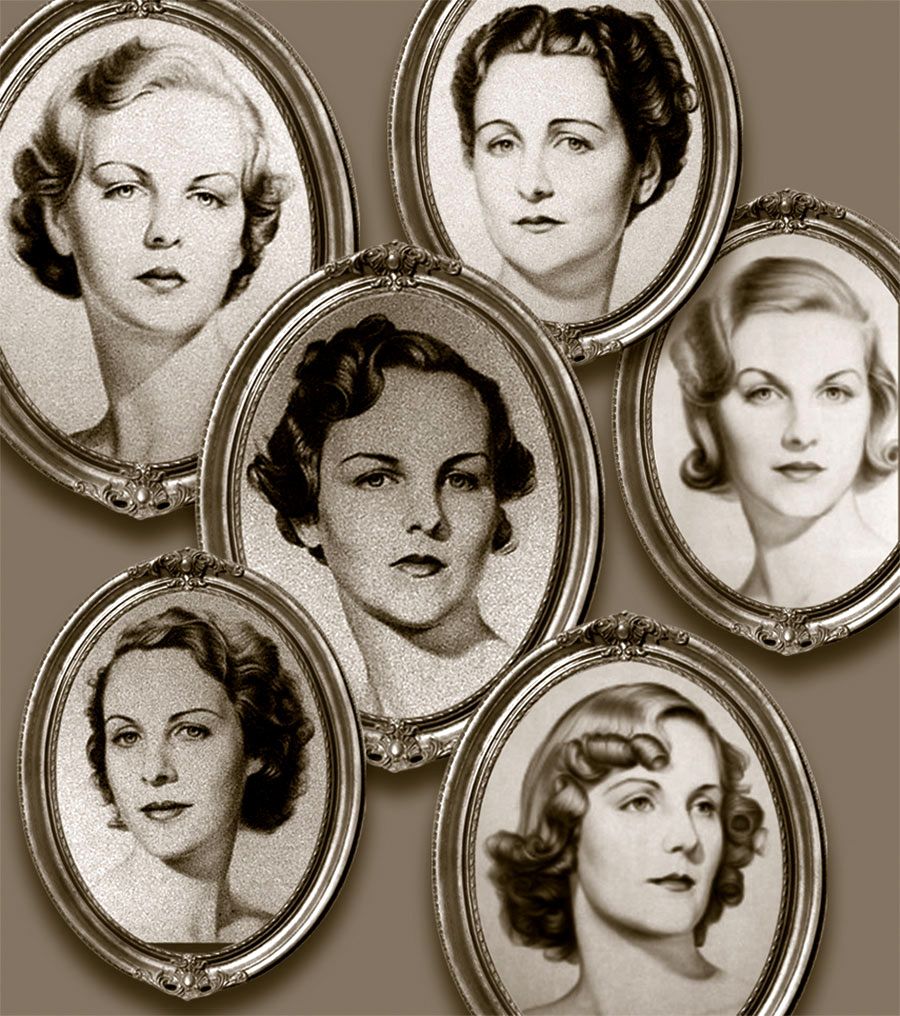
Coming of age among the freewheeling Bright Young Things in England between the wars, the six dazzling Mitford sisters are enduring objects of fascination – for both their charmed lives and notorious behaviour. A new series, Outrageous (exclusively on BritBox, June 18), follows the entwined fates of the celebrated and infamous Mitfords in the 1930s. Raised by reactionary parents, Lord and Lady Resdale – who notoriously loathed foreigners, Catholics and anywhere abroad – they are, as a British journalist once usefully coined: “Diana the Fascist, Jessica the Communist, Unity the Hitler-lover, Nancy the Novelist, Deborah the Duchess and Pamela the unobtrusive poultry connoisseur.”
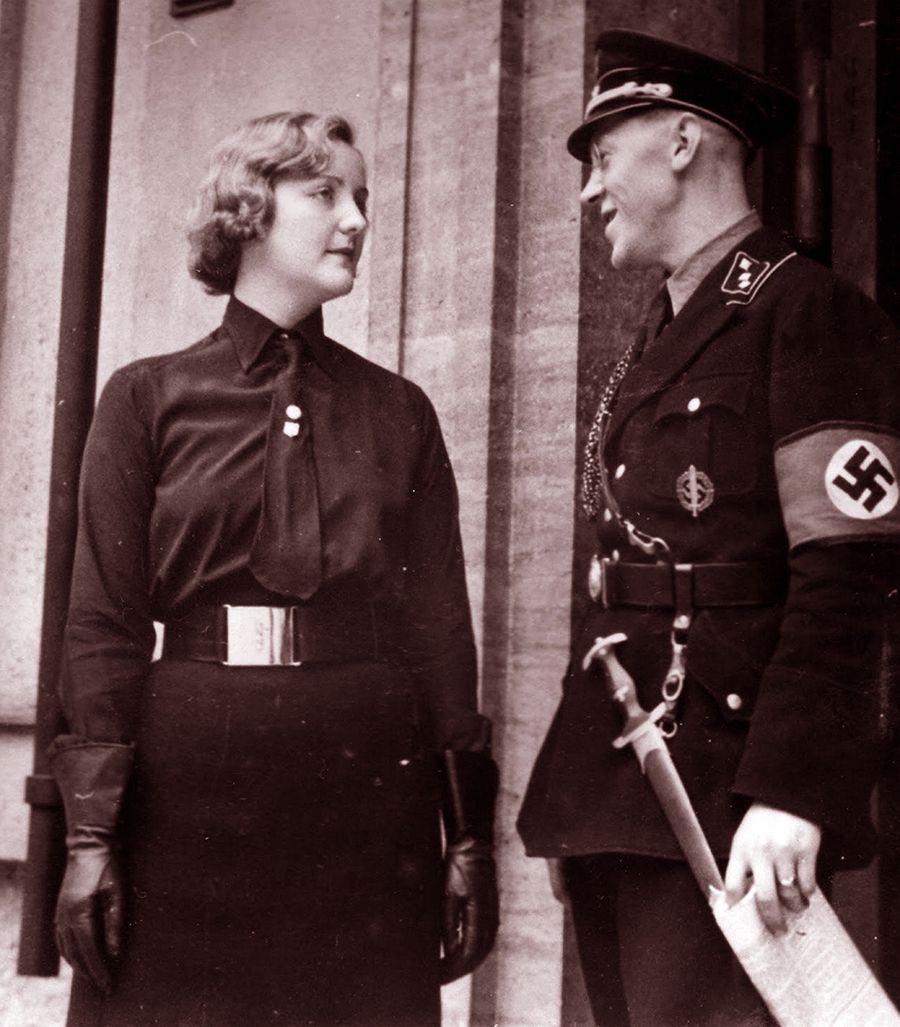
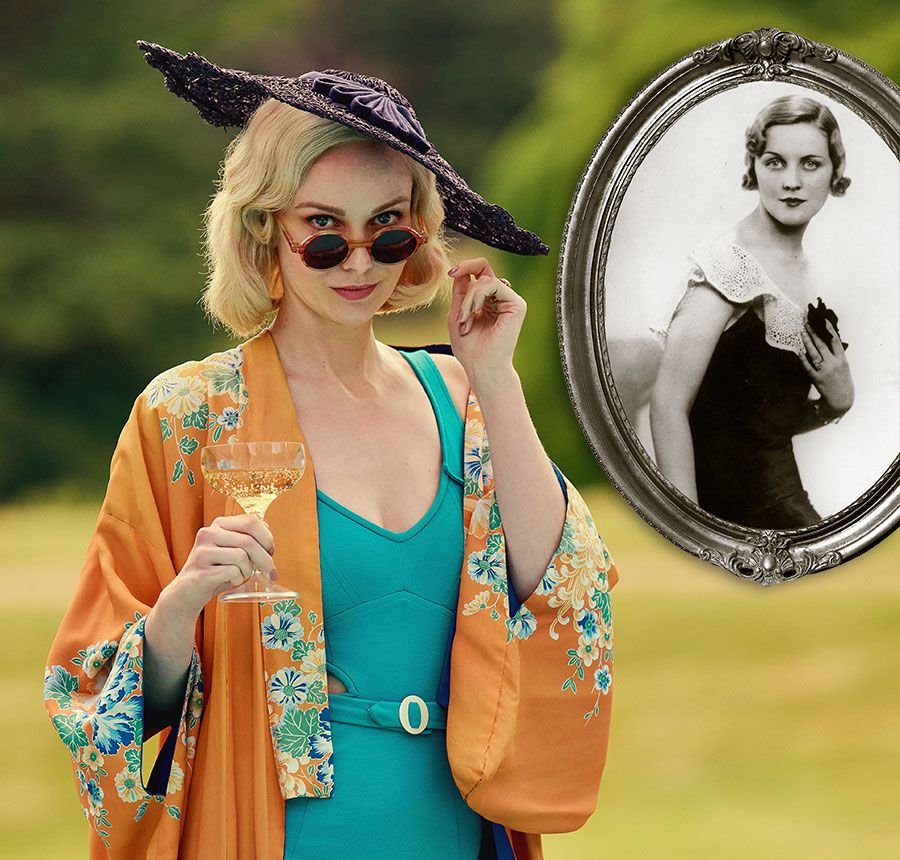
Set during the politically-charged years leading up to the Second World War, Outrageous introduces viewers to Diana, a renowned beauty who first marries brewing heir Bryan Guinness. The golden couple is the toast of glittering London before Diana’s affair with (and eventual marriage to) Oswald Mosley, the far-right member of parliament who formed the British Union of Fascists party and led the violent Blackshirts militia. Rebellious Jessica elopes with a distant cousin to fight in the Spanish Civil War before joining the Civil Rights movement in the U.S., where she becomes an acclaimed investigative journalist; Middle sisters Diana and Unity, along with lone brother Tom and their mother, espouse vile antisemitism. But Unity wasn’t just a Nazi sympathizer, she was a Führer groupie who wormed her way into a close friendship with Adolf Hitler. Meanwhile, Nancy writes popular novels and scathing takedowns of high society for Vogue – and would later, in 1940, inform on her sympathizer siblings to British counterintelligence agency MI5.
Naturally, I leapt at BritBox’s invitation to glimpse behind the scenes with a visit to Oxfordshire, where the series filmed last fall. The idiosyncratic siblings have fascinated me since my teens. “Mitford, in the guise of the plucky Fanny, manages to stand outside the rarefied world of the English upper classes while never actually leaving the inner circle for a single second,” is how Scottish actor, The Traitors host and fellow Mitford enthusiast Alan Cumming puts it in his foreword to the 2000 reprint of Nancy’s wickedly funny novel Love in a Cold Climate, praising the brilliance of her observational wit. “Like a mummy bird feeding her young, she drops entertaining little nuggets of gossip, eccentricity and wife-swapping into our open and willing beaks.” Cumming’s take on their fictionalized family dynamic captures what took hold of my imagination decades ago: the artful dishevelment of their lives, fierce opposition and yet loyalty to one another even through bouts of estrangement. Like many enthusiasts, I soon moved on to reading about the messy sisters themselves, fed by a seemingly-endless cottage industry of Mitfordiana – troves of correspondence, scholarly research, their various memoirs and biographies.
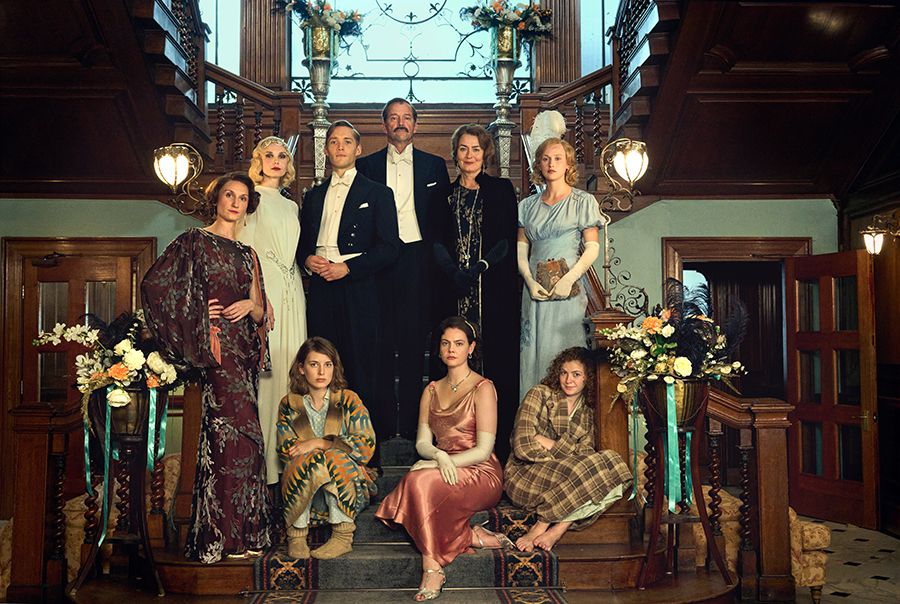
The true-life Mitford family saga doesn’t just make for great drama – its political undertones have contemporary resonance as well. With escapades galore to cover, the Outrageous creators envision a three-season arc covering the 1930s and through the Second World War. For now, the six-episode first season takes place in 1930s London, Oxford and Munich, as each sister finds her footing. Eldest Nancy is part of the boho set, partying at the Ritz with Evelyn Waugh and Cecil Beaton. Youngest Deborah (known as Debo) is in her teens. And it’s set against the gathering storm of fascism in Europe – an uncanny parallel to the current moment.
The way people with the same background – “the same genetic inheritance, if you like” – can form vastly different political views is what captivated screenwriter Sarah Williams (known for the Jane Austen-inspired film Becoming Jane). Their story and the family members’ range of ideologies – from Communist views and progressive socialism to conservatism, xenophobia and fascist zealotry – has been her longtime passion project. “They were such a broad, diverse picture of politics at the time. And it’s a great way of looking at the 1930s – through the eyes of six quite rebellious, transgressive women.” The moment they coined the title, she adds, it revealed the heart of the series. “They’re not all great role models – they’re real, complex, mixed-up proper people that we can all find a point of contact with.”
Bessie Carter, best known as Prudence Featherington on Bridgerton, takes the lead as eldest sister Nancy, ruefully narrating with the benefit of hindsight in much the same way as the real-life Nancy chronicled her eccentric family’s exploits and foibles in her thinly-veiled bestselling novels. Carter is the daughter of thesps Jim Carter (Downton Abbey’s beloved butler Carson) and Imelda Staunton (Queen Elizabeth on The Crown) and is the latest nepo-baby making waves, gracing the May cover of Tatler magazine. She stars alongside Joanna Vanderham as Diana, and James Purefoy, 61, as the family’s irascible patriarch David Freeman-Mitford, Baron Redesdale, while Anna Chancellor, 59 – best known as Duckface in Four Weddings and a Funeral – plays his wife Sydney Bowles-Mitford, the matriarch trying to hold it all together.
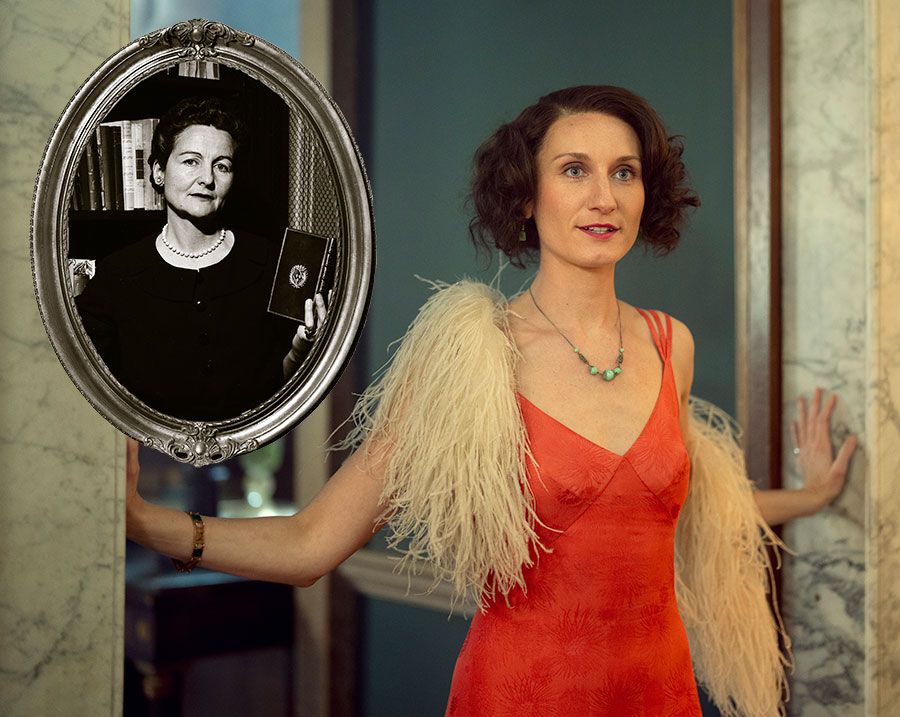
Outrageous goes behind closed manor doors to explore a family torn apart by politics, as I saw for myself when I dropped in on the penultimate day of shooting. One wall of the main production trailer features a makeshift calendar of Post-it notes detailing 14 weeks of script and filming locations – like Batsford Park, the Grade II-listed manor in Gloucestershire that stands in for their childhood home Swinbrook House. Now privately owned, Swinbrook House was one of the Mitford-related points of interest tour I’d taken the previous day. I’d visited Diana’s white stuccoed Knightsbridge residences in Cheyne Walk and Eaton Square, wandered the churchyard at St. Mary’s in Burford, where four of the sisters are buried along with their parents, lunched at the Swan Inn (at the shabby-chic pub once owned by Debo, portraits of the sisters hang over the fireplace; the Duchess kept a room upstairs), and took in the atmosphere outside Asthall Manor, their first rambling family home, immortalized as the fictional Alconleigh estate in Nancy’s beloved novels.
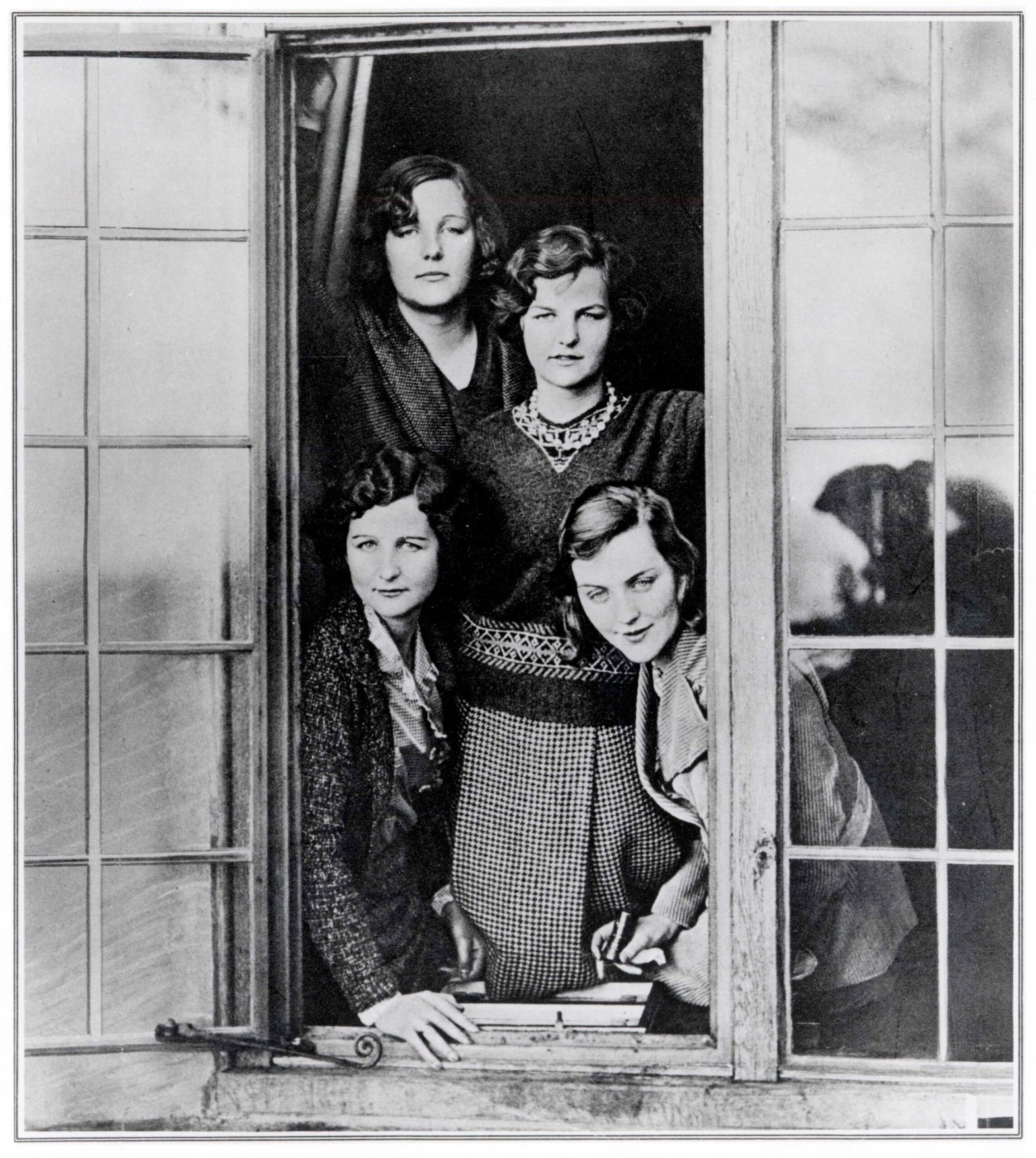
The contours of the Mitfords’ madcap upbringing populate Nancy’s satirical semi-autobiographical novels of the 1940s and their frequent screen adaptations, including the first in 1980 with Love in a Cold Climate (featuring Dame Judi Dench) and more recently The Pursuit of Love (starring Lily James, Andrew Scott and Dominic West) . Like their cartoon counterparts, the sisters gained notoriety and captured headlines by being entertainingly clever, well-read and quick-witted; coupled with aristocratic upbringing and famed beauty, their charm made them famous and cemented them in the popular imagination as stereotypical English eccentrics. But Outrageous promises to bring the full uncensored story to life for the first time, without that distancing element of fictional caricature.
Their rich story encompasses several worlds: high-society glitz but also social upheaval (like the hunger march protests of the Great Depression) and political friction, and is inspired by Sisters, Mary S. Lovell’s definitive 2001 biography of the Mitfords. When I meet Lovell at an Oxford pub ahead of my set visit, the spry 83-year-old says that nearly 25 years after the book’s publication, she’s still learning more. (Unity’s long-lost journals of her relationship with Hitler were discovered shortly after shooting wrapped, for instance). Those already familiar will glean new insights into the complicated family dynamics, Anna Chancellor later tells me: “And the people who don’t know about them will be blown away by how odd and weird…and how can this possibly be true?”
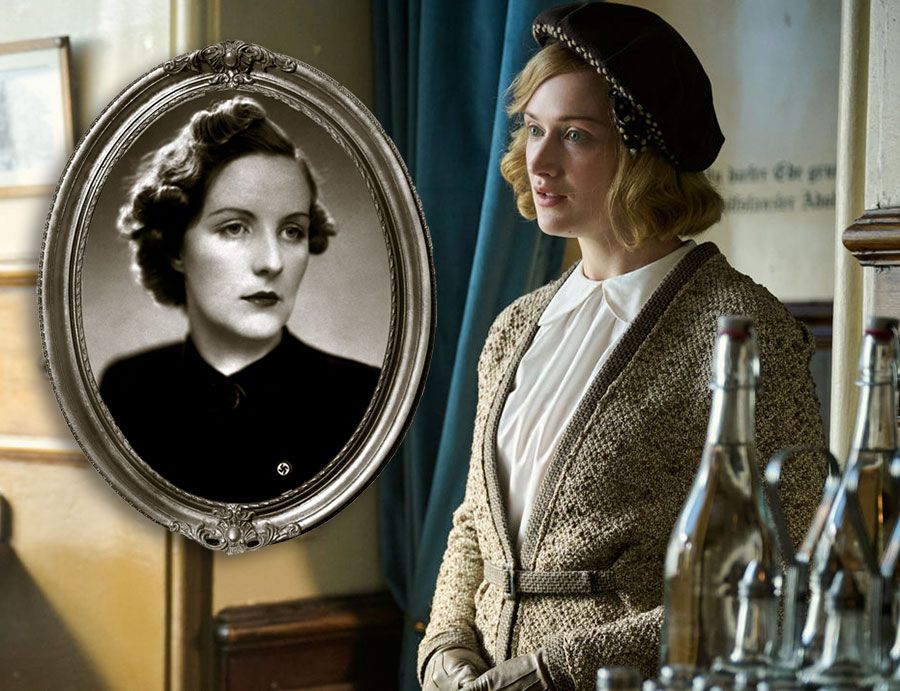
Boldly tackling difficult paradoxes, the series grounds its interwar glamour in sobering realism, charting the consequences of feuds and shifting alliances, the experience of a dysfunctional family, a country and a generation polarized by their beliefs will feel familiar. We live in troubled times, Williams observes by way of understatement, citing Brexit, the Paris Agreement, Gaza and (inevitably) Donald Trump. The challenge of navigating that – and of how to reconcile with loved ones who have very differing political opinions – is a big part of Outrageous. Plus, the series may serve as something of a cautionary tale about the allure of the far right.
Dedicated Followers of Fashion
“For society’s in-crowd,” as Nancy declared in another of her signature cutting essays, “nothing was considered as common as to be dressed in the height of fashion.” The Mitford sisters were breathlessly chronicled in the social pages – It helps that they had great looks and were ‘built for elegance,’ as screenwriter Sarah Williams puts it. Each sister has a look: Nancy, in her country tweeds, brogues and pearls, is the most effortlessly fashionable, for instance, compared to androgynous Jessica, elegant and hyper-feminine Diana and tomboy Pamela. The aristocracy of that time were the celebrities that everyone obsessed over, making their style extremely well-documented, costume designer Clare Collins explains. “Everyone always expects, especially a 1930s show, to be all about the glam and the glitz but for us the real meat and bones has been the homey-ness,” she says of keeping the overall aesthetic grounded in reality, rather than stylized.
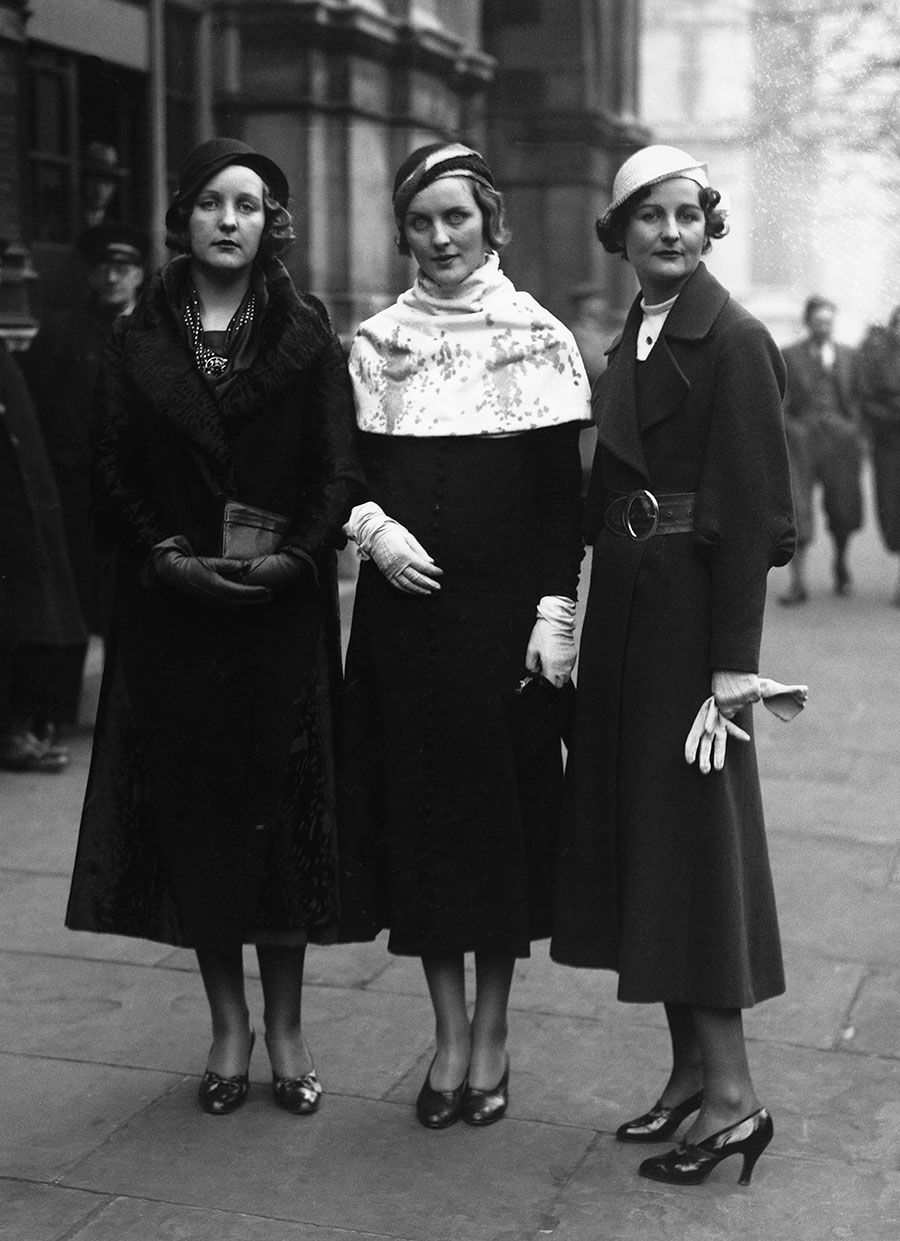
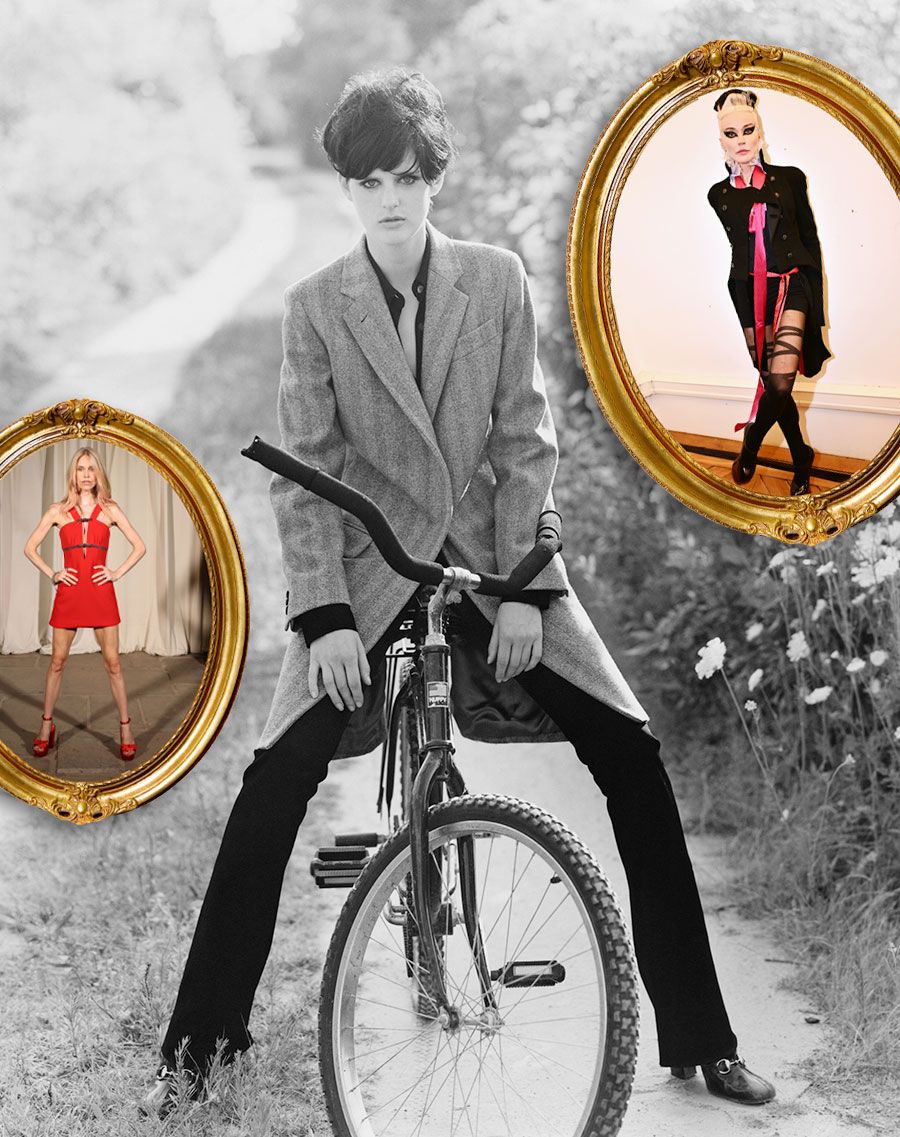
Raised in genteel poverty by cash-strapped minor aristocrats, the Mitfords’ everyday clothes (many sourced from the period) have a lived-in, make-do-and-mend quality. Their hold on fashion has resonated down the generations, with Debo’s granddaughter Stella Tennant becoming the most famous of the British aristocratic models who dominated fashion in the 90s, championed by aristo stylist and fashion savant Isabella Blow. Tennant and her grandmother appeared together in an indelible shoot, wearing eccentric tweeds, by Mario Testino for British Vogue. The Hon. Daphne Guinness, Diana’s granddaughter, is an avant-garde fashion icon and has been the muse for Alexander McQueen and fashion photographer Nick Knight, and Diana’s great-grandaughter is It Girl and rock ‘n’ roll singer Lady Mary Charteris.
Later, I’m looking through the racks of the costume trailer when Carter bounds in between scenes, wearing UGGs with her 1930s culottes and bobbed hair (a period wig) in clips. Most of the clothes have gone back to rental houses, except for the original builds like a persimmon trench coat that’s a key Nancy wardrobe piece. Carter enthuses about the delicate knit sweaters and cardigan twin sets sourced for the production – some with visible mending, because it’s how the sisters would have dressed. Their bias-cut crepe frocks, wide-legged trousers and slinky slips have also spawned Ghost x Outrageous, a summer collaboration with the vintage-inspired British fashion label that’s inspired by the sisters and designed by series costume maven Collins.
Hair and makeup by Loz Schiavo, who won a BAFTA for creating the distinct look of Peaky Blinders, loosens the finger waves of the era – although Diana is always “immaculately turned out and lacquered.” There are many amazing costume dramas, and a lot of them tend to be quite well-behaved and composed, where everyone’s wearing perfect clothes on perfect sets; this isn’t that kind of show. “Right from the get go, we felt we wanted to do something more unruly and wild, reflecting the nature of these women,” Schiavo says. And in keeping with their starkly different personalities, each of the sisters wears a signature shade of lipstick (by Lisa Eldridge) throughout the series.
Mitfords in Pop Culture
The Mitfords pepper pop culture and literary history too (not just their own): In Vile Bodies, Evelyn Waugh’s satirical look at the stylish ‘Bright Young Things’ of the 1930s London party scene, careening characters are modelled on Nancy and Diana. (“We barely saw the light of day, except at dawn,” Nancy would say of those heady years, much later.) But Jessica is also one of J.K. Rowling’s heroines, and devoted readers claim Mitford sisters were the inspiration for the Black sisters, Bellatrix and Narcissa, of her Harry Potter series. In 2022, British journalist India Knight published a contemporary retelling of Nancy’s 1945 hit The Pursuit of Love, commissioned by the author’s literary estate. There are now even decorative nods: Love in a Cold Climate is one of the most popular titles in Canadian artist Alanna Cavanagh’s silk screen vintage Penguin book cover series.
RELATED: