For Marie-Christine Pouliot, it was the smell of dust in the stadium. For me, as a kid, it was the cigarette smoke haze above the lower bowl. But for both of us, and millions more, it was the sheer emotion and spectacle of a beloved home team in an unlikely place. A passion for baseball that, even in a cavernous and at times mostly empty stadium, could always be seen on the faces in attendance.
There was, and is, something special about the Montreal Expos.
Before the Toronto Blue Jays came around in 1977, the Expos were Canada’s only Major League Baseball team. The club began playing in 1969 amidst massive fanfare, came close to the pinnacle of the sport 25 years into its existence only to see its chance for the 1994 World Series cancelled by a players’ strike, and left Montreal a decade after that, neglected, broke and abandoned by all but a few thousand diehards who stayed true to the bitter end.
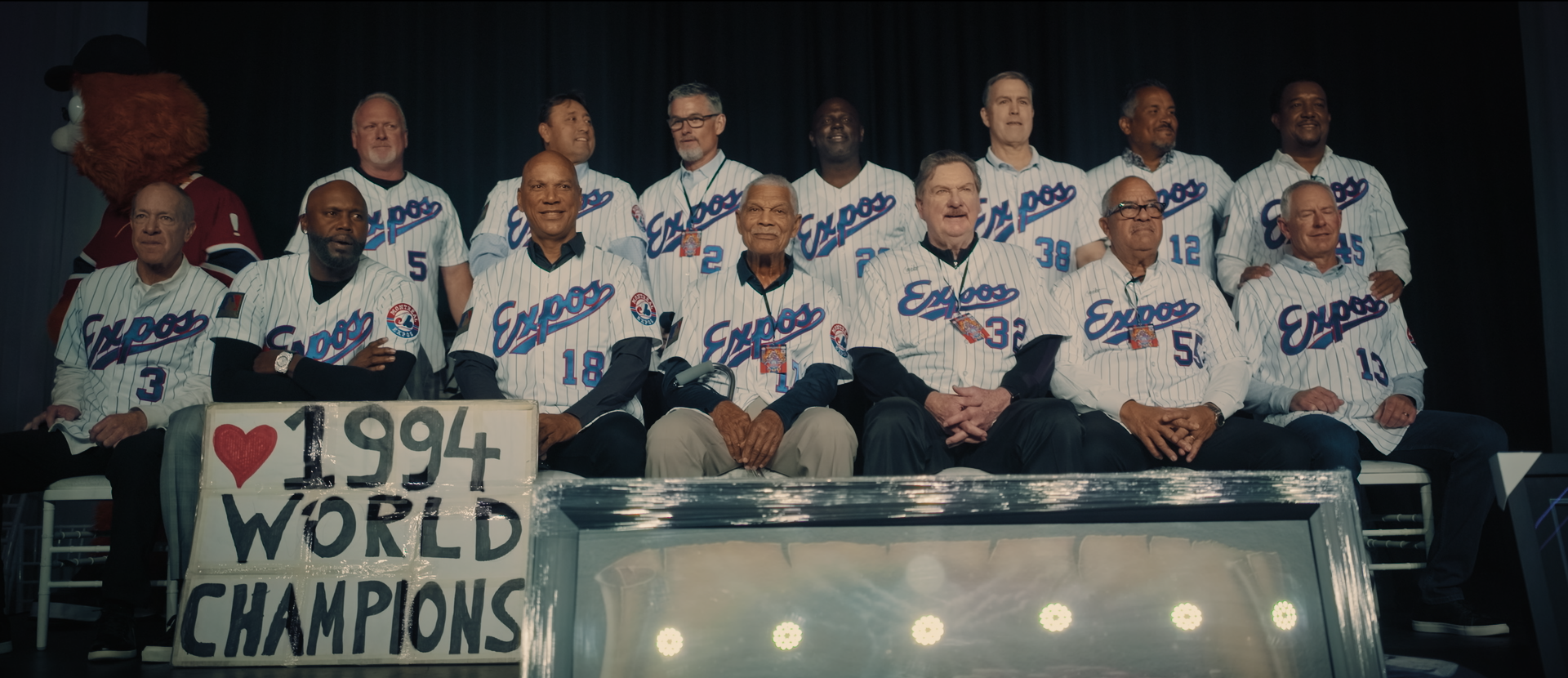
But even if there was almost nothing left of the franchise by the time the team moved to Washington, D.C. in 2004, the best times have not been forgotten, nor will they ever be.
“We’re still feeling it now,” says Pouliot, producer of the new Netflix documentary Who Killed The Montreal Expos?, which releases Oct. 21. “[At] the premier last week, everybody we’re talking to has their own story. I knew the Expos had an impact … even on the players. It was not hard to get Pedro Martinez or Vladimir Guerrero Sr., because it was so special for them playing here.”

As the title suggests, the doc is part baseball retrospective, part murder mystery. Though perhaps it leans more towards the latter, simply because the slow-motion death of the Expos is a complex case, with suspects, motives, alibis and excuses galore.
It’s no spoiler to say, as the documentary concludes, that “money” killed the Expos. But whose money? Or whose lack of it? Or whose unwillingness to part with it? Or whose greed for more of it? It’s complicated. And emotional.
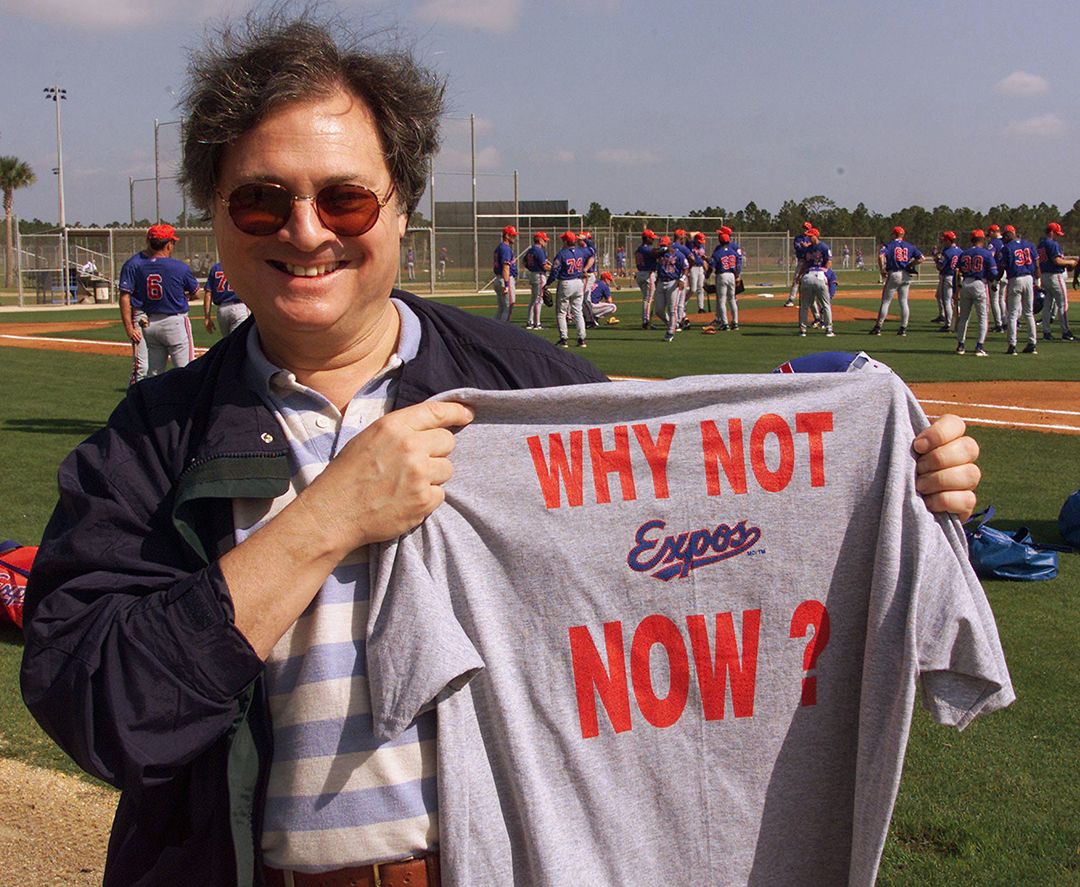
“What surprised me most [about making the film], is that the discussion was still so heavy,” says director Jean-François Poisson. “It was the anger. It was a sadness. There was a sense of shame, and also a feeling of betrayal.”
The film presents all the heroes and villains – including Hall of Famers like Pedro and Vlad Sr. – that hard-core Expos fans are familiar, including former president Claude Brochu and some of his minority partners, former owner Jeffrey Loria and his right-hand man, beloved manager Felipe Alou, and more.
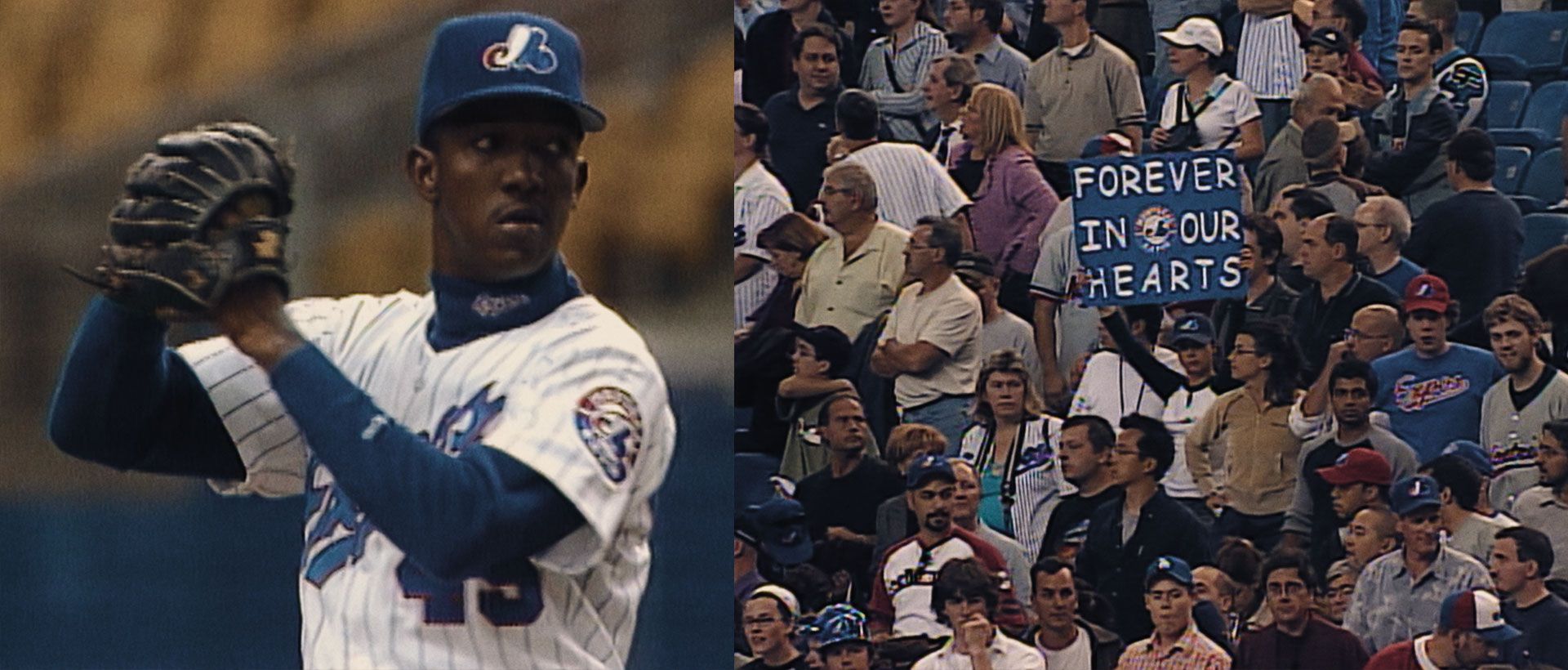
It would be a lovely reunion film for Quebec’s only Major League Baseball team, if they weren’t all blaming one another for killing it.
The juxtaposition between the glory days of the franchise, complete with stunning archival footage from MLB, and the accusations and recriminations of its downfall, going all the way up to the desk of then Quebec Premier Lucien Bouchard, make for a compelling narrative. And for those of us who remember the team fondly, a lovely walk down memory lane and then right off the pier.
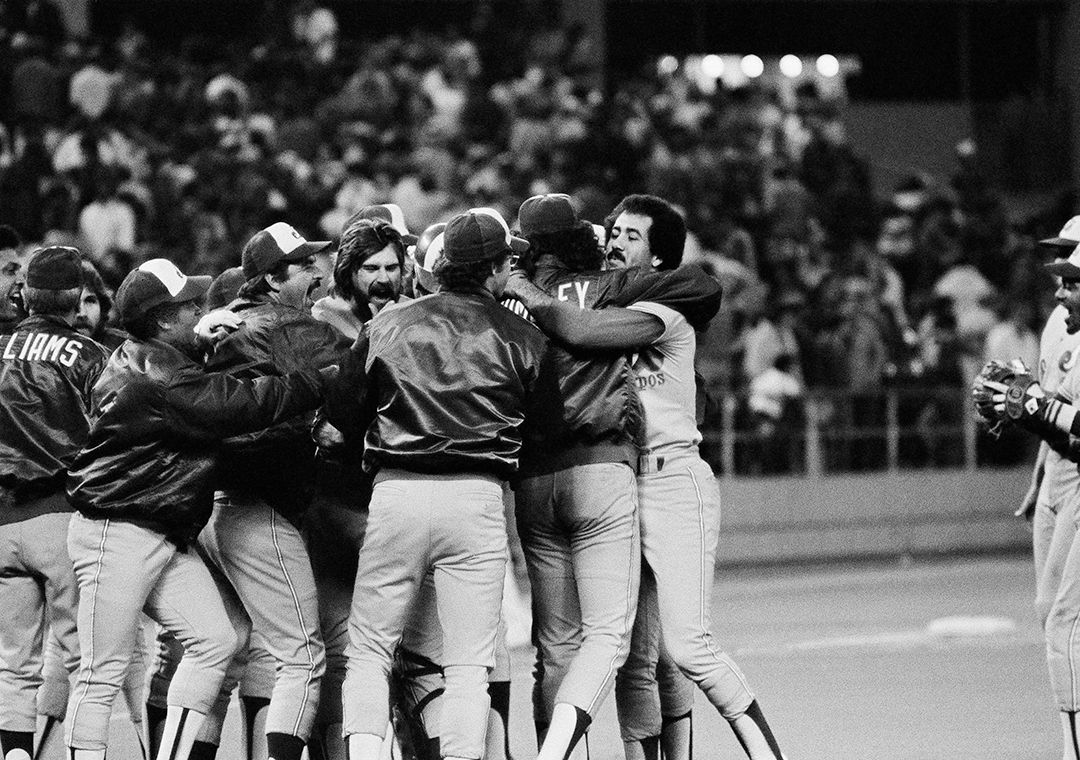
Because when the Montreal Expos were good, or even just competitive – which they often were in the first three decades of their existence – Olympic Stadium would vibrate with emotion. Nos Amours, as the team was affectionately known to Montrealers, could galvanize an entire province, and put the city on the sort of big-league map it perhaps wouldn’t have been on otherwise.
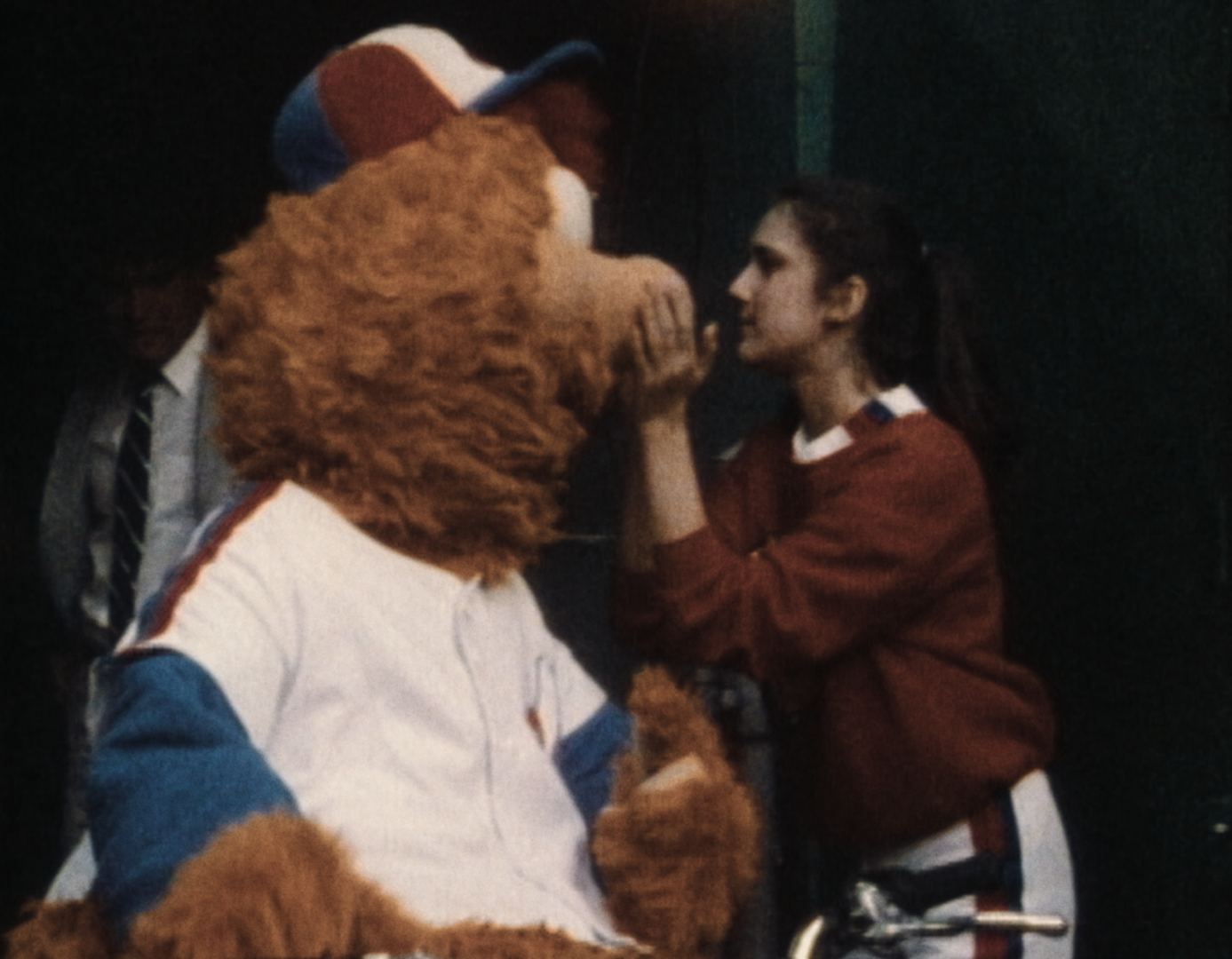
“People came to the stadium, they were euphoric,” says Jean-Simone Bibeau, who Expos fans would come to love as his Expos mascot alter-ego, Youppi!, a shaggy orange creature who became such a popular figure among fans in the province that he somehow managed to outlast his original team and endures today as the mascot of the Montreal Canadiens.
“When I saw people crying in the last game at the stadium, I was wondering why they were crying,” says Poisson, who came into the doc without knowing the history of the team – unlike Pouliot, who spent the early part of her career working production on Expos home games inside that cavernous, dusty, smoky ballpark.
“But when we talked to (Bibeau) the guy who was Youppi!, to all the people who worked for the team, every one of them started to cry, because they were remembering it with so much emotion.”
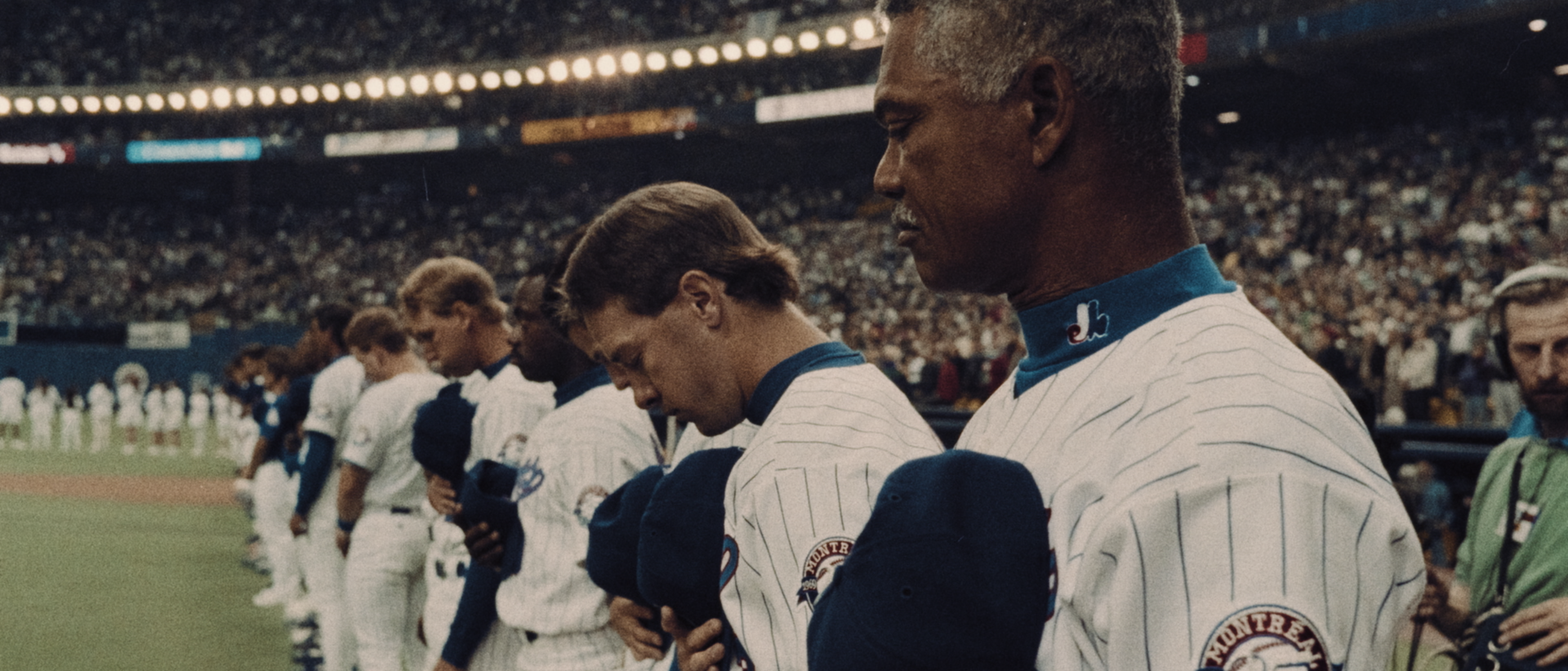
So why dredge up all those memories, all that raw emotion, to answer a question that – no matter the culprit named – can’t bring back a city’s beloved team?
“I think we hope they will (come back),” says Pouliot. “When we see how the Toronto Blue Jays are doing, of course we hope so. We know people are trying to bring the Expos back, and (we’re) crossing our fingers, because for me, having your sports team, that is always the dream.”