

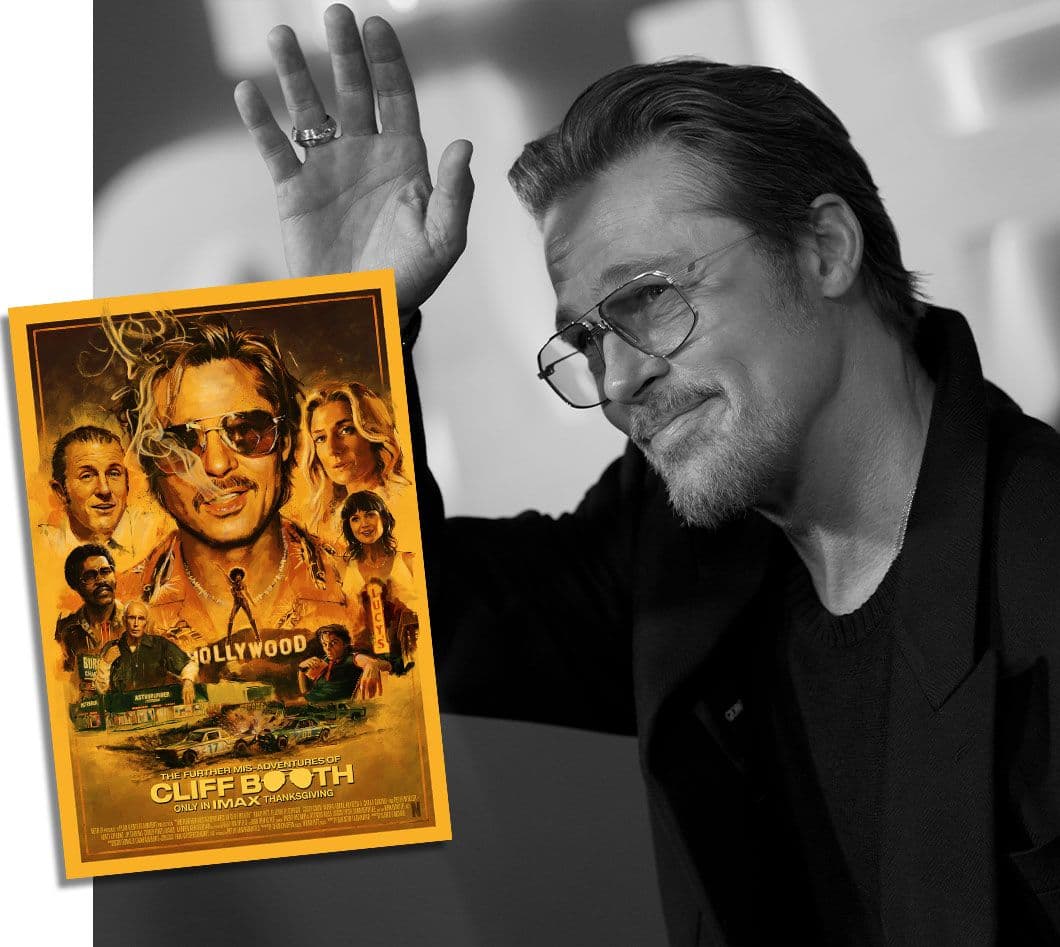
There’s a moment in Quentin Tarantino’s 1997 film Jackie Brown where Samuel L Jackson holds up a black and purple duffel bag full of cash. “Got it right here in my Raptor bag” he tells the bail bondsman played by Robert Forster. It’s one of my favourite moments, a quick nod to an NBA team with a purple dinosaur logo that very few people watching the L.A.-based movie would appreciate. Similarly, at the beginning of the new Tarantino-written, David Fincher-directed, 1977-set The Further Mis-Adventures of Cliff Booth (a sequel to Once Upon A Time… in Hollywood, which Tarantino did direct), a secondary character meets with Brad Pitt’s Cliff in the opening scenes, and holds up a Schoolhouse Rock! backpack full of loot. Putting stolen goods in a ’70s-appropriate child’s bag that today screams pop-culture cachet is classic Tarantino, whether he’s behind the camera or not.
I’m not saying that the nostalgic, period-perfect props are the best thing about this movie, or about any Tarantino movie, but they sure do put a smile on your face – and make you feel part of the cool kid film crowd that the he’s been the unofficial president of since 1992, when he broke through with that Reservoir Dogs opening scene. You know the one, in which the assembled black-suit-clad thieves discuss the meaning of Madonna’s Like A Virgin while smoking, caffeinating and arguing about tipping at Pat & Lorraine’s Coffee Shop in the Eagle Rock neighbourhood of Los Angeles.
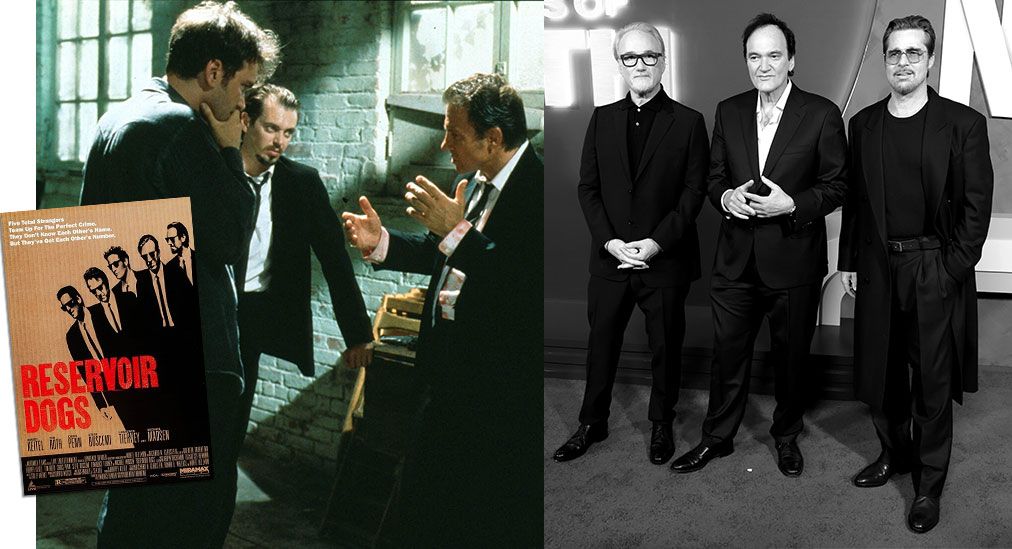
The Further Mis-Adventures has plenty of rapid-fire talky pop culture set pieces like the one above, in which characters sing the praises of blaxploitation actors and unspool a monologue comparing Star Wars and The Godfather to cheeseburgers. In another scene, Cliff’s father (Peter Weller) tells his adult son to shut up and take his phone call in another room because “I’m watching The Rockford Files” – which was pretty much a standard line from North American dads in the 1970s. (RIP James Garner). But even more than the smarty-pants, in-the-know dialogue, it’s the visual homages that kept me glued to the screen: an RC Cola sign, STP and Evel Knievel t-shirts, a puka shell necklace, L.A.’s Astro Burger restaurant, and Kool-Aid and “Don’t Squeeze the Charmin” commercials.
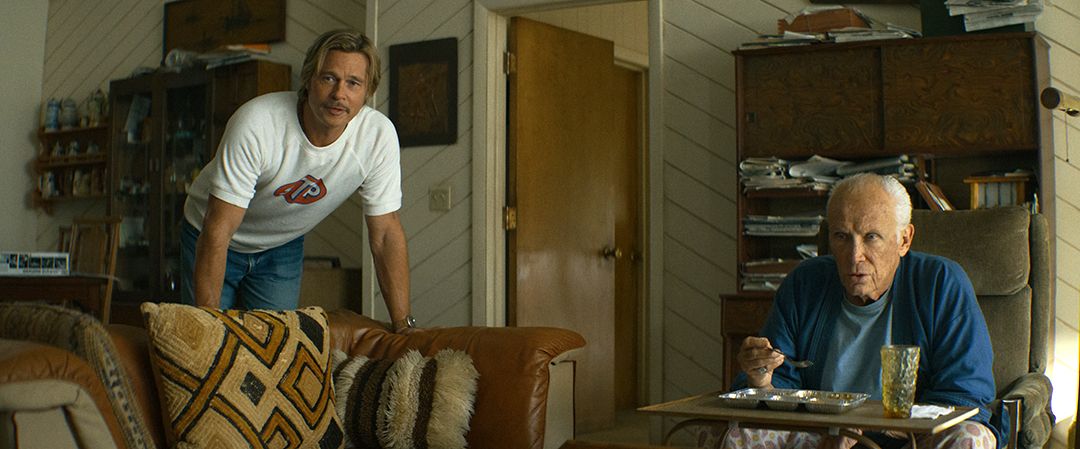
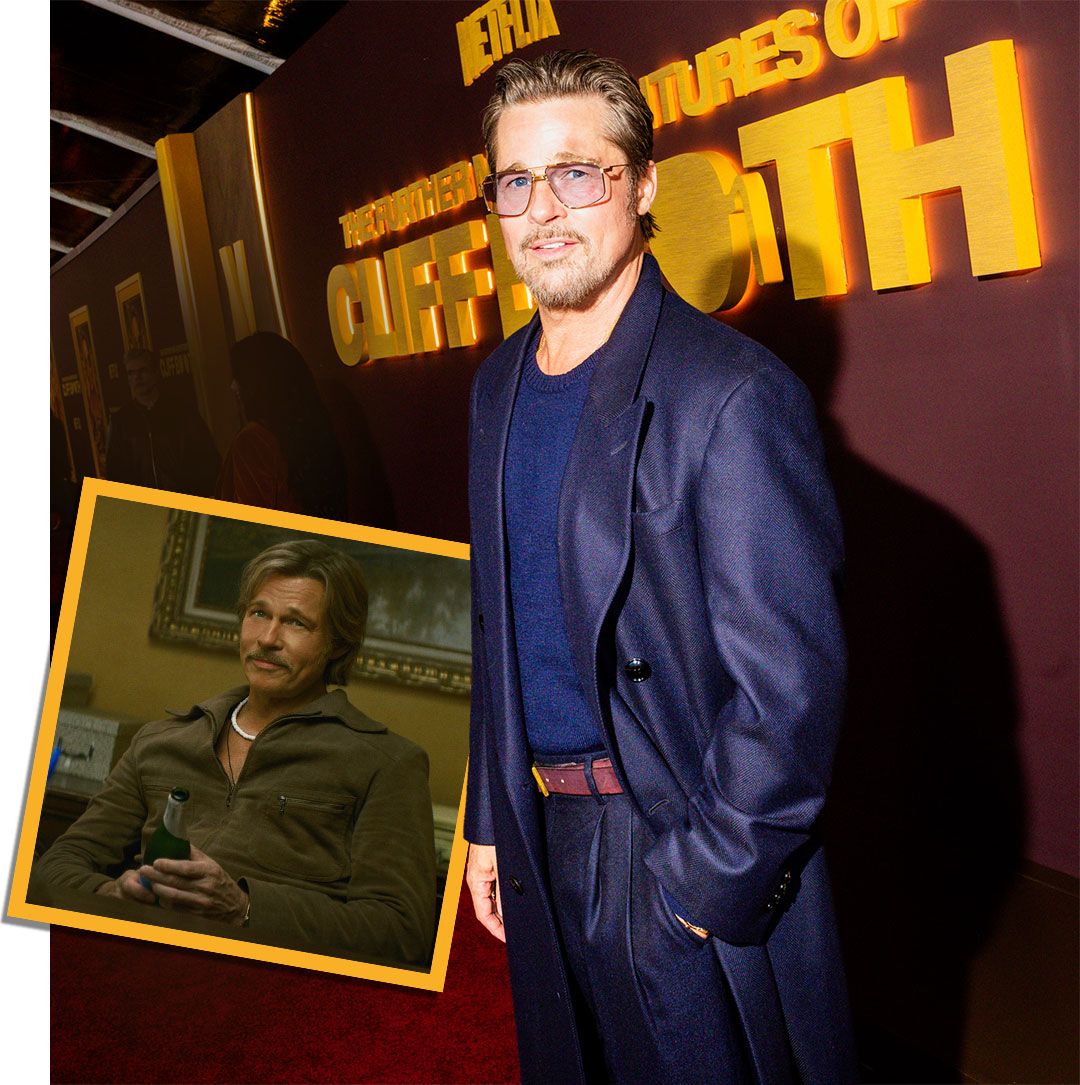
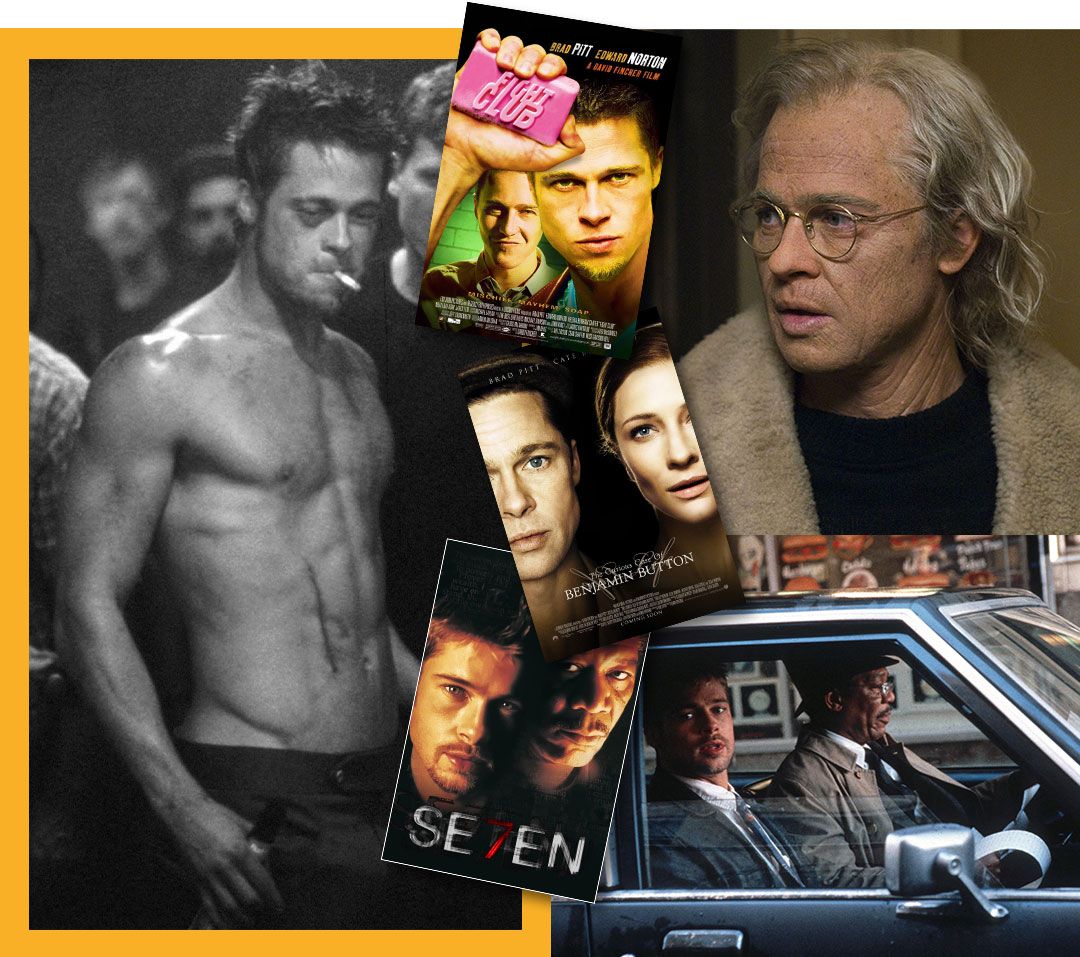
But enough with the trivialities. Going into this sequel, fans of Once Upon A Time in Hollywood will be hoping for similar lushness, beauty, a kind of Old Hollywood fairy tale aesthetic and unique revisionist storytelling. It comes close enough but not enough to blow you away – and that comes down to the directors. Tarantino wrote the screenplay but he gave it to Fincher to helm because Tarantino only wants to make 10 movies in his lifetime and he didn’t want this one to be his final film. (He’s also putting out his own Cliff Booth novelization in December.) But while Fincher is a suitable auteur whose previous efforts with Pitt have given us the classic ’90s flicks Fight Club and Seven and that 2008 epic enigma The Curious Case of Benjamin Button, his movies feel a bit self-consciously shocking, while Tarantino’s are confidently composed, with equal parts style and substance. All that aside, if you’re going to the film (in IMAX now and on Netflix Dec. 23) mostly for Pitt, you won’t be disappointed.
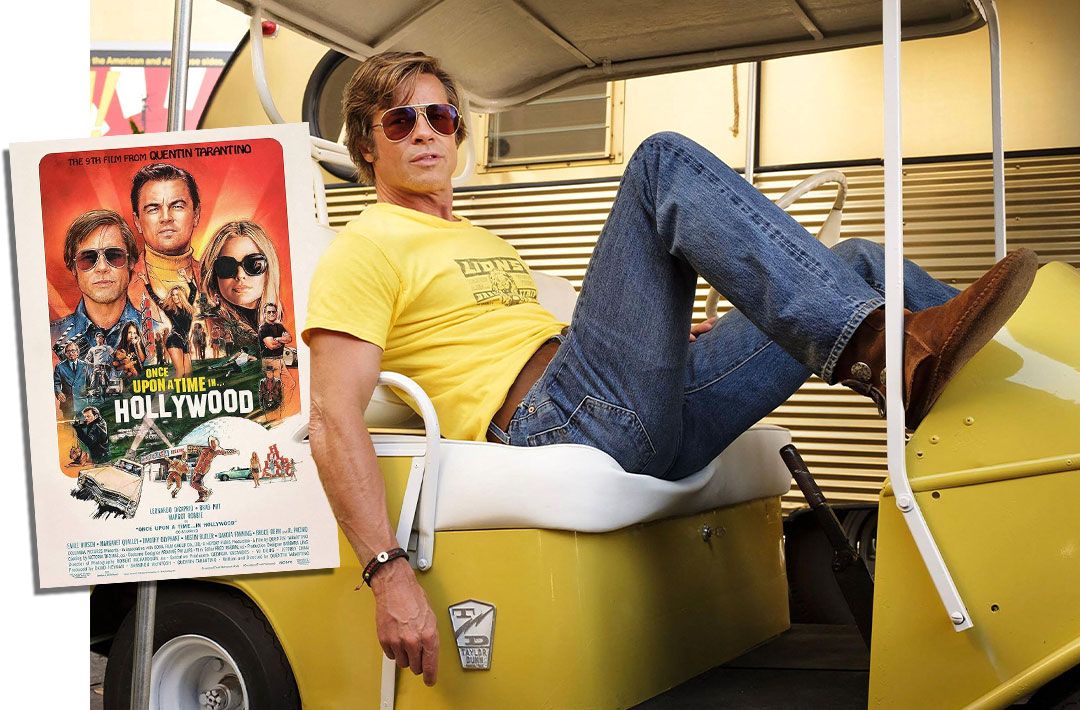
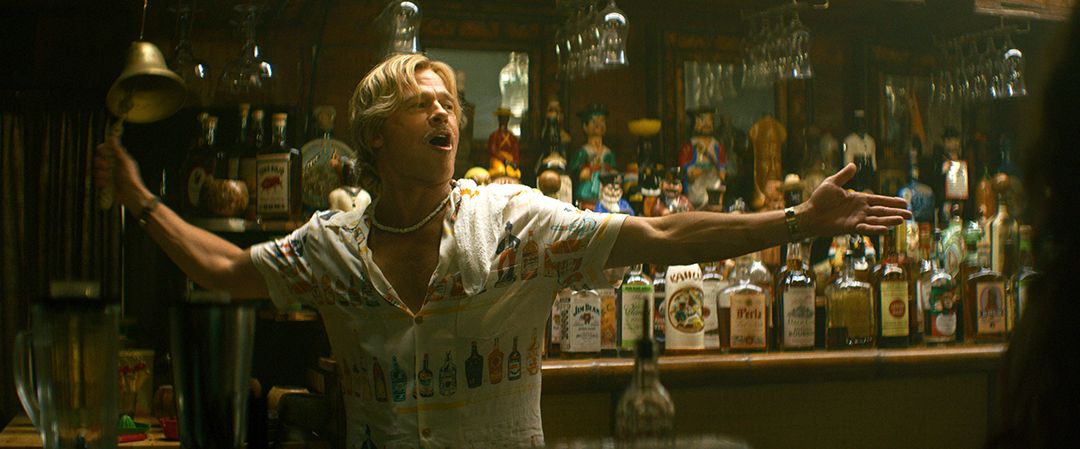
When the actor accepted his Oscar for playing this role in 2019, he told his Academy Award peers, “I love the ethos Quentin gave Cliff Booth: Look for the best in people. Expect the worst but look for the best.” I foresee a lot of film school papers being written on the Tao of Cliff, a stunt man and fixer, with a laidback, California surf-style. He is surrounded by violent criminals, shady Hollywood types, statuesque beauties (looking at you Elizabeth Debicki) and even a mild-mannered suburban couple who are fans of Cliff’s work. But he’s always the same. He drives a cool car, listens to retro jams, can mix a decadent cocktail, thread a film projector, dump a body and describe what it feels like to kill a man with a knife, all with the same nonchalance. And yet he’s not boring; he’s got just the right fabulous yarn for whatever situation he’s in.
Even as Pitt luxuriates in the role, secrets about Cliff’s past (as a war hero) and present (he’s got a particular kink) give him more of an emotional landscape to work with this time around. And while it’s a long shot, there’s a chance it could put him in the Hollywood history books. No actor has ever won two Oscars for playing the same character: Bing Crosby won for playing Father Chuck O’Malley in Going My Way (1944) and was nominated and lost for the same role in The Bells of St. Mary’s (1945). Whereas, Paul Newman lost the year he was nominated for his turn as “Fast Eddie” Felson in The Hustler (1961) but prevailed when he reprised the role in The Color of Money 25 years later.
It’s hard to tell if Hollywood is more in love with Pitt than they were with those two icons. But no matter how many of the six children he shares with Angelina Jolie have legally dropped his surname, he remains one of the few movie stars with significantly more hits than bombs. And dammit, he can really give you the feels. “I’m not one to look back, but this has made me do so,” he said in that 2020 Oscar acceptance speech. “I think of my folks taking me to the drive-in to see Butch and Sundance and loading up my car and moving out here, to Geena [Davis] and Ridley [Scott] giving me my first shot and all the wonderful people I’ve met along the way to stand here now. Once upon a time in Hollywood – ain’t that the truth.”