This is Part Two in an ongoing series examining the moral and ethical dilemmas of judging the mental capacity of elderly Canadians, who are developing dementia in record numbers. With $1 trillion in wealth to pass on to heirs, Canada’s elderly are easy targets for unscrupulous suitors wooing them with promises to care for them and keep them out of nursing homes, while the quirks of a century-old marriage law make the fraudulent scheme even easier. Part Two was nominated for a 2025 National Magazine Award in the Long Form Feature Writing category.
In Part One, “A Perfect Storm,” we reveal how difficult it is to assess mental capacity; how too few people are properly trained to do it; and examine the rising tide of baby boomer children launching legal fights over the cognitive abilities of elderly parents that are clogging courts, draining estates and sawing branches off family trees. Part One was also nominated for a 2025 National Magazine Award, this time for Investigative Reporting.
We’d like to hear from you. Email your stories to capacity@zoomermag.com.
As with any good con, the seduction began innocently enough. For Donna Walker, it started on a trip to the mall in Coquitlam, B.C., in 2006.
The retired accountant was outside a drugstore when a man stopped her in the parking lot and asked to borrow $5. After Walker gave him the money, he asked for her address so he could pay it back. The 66-year-old, who lived alone and had been diagnosed a year earlier with Alzheimer’s disease, either gave it to him or he followed her home. She later told her niece, Donna Devore-Thompson, she was angry about the “five-buck guy” hanging around her house, and said, “I told him to get lost.” He didn’t.
Floyd Sheldon Poulain, a crane operator in his fifties, wormed his way into Walker’s life over the next four years. He tagged along on errands, took ownership of the car she could no longer drive and became her steady companion. As her mental faculties slipped away, he convinced Walker, who was divorced and had no children, that the devoted niece she affectionately called “Little Donna” was stealing her money. In 2009, Walker changed her will based on notes Poulain wrote on the document. Instead of splitting her estate between four relatives, including Devore-Thompson, Walker made Poulain a major beneficiary, gifting him her one-bedroom condo, then worth about $300,000, and naming him sole executor. Walker, however, had given her niece power of attorney in 2007, which enabled Devore-Thompson to stymie Poulain’s efforts to drain her aunt’s bank accounts and sell her condo. So on June 14, 2010, Poulain took another tack. In a secret ceremony at a marriage commissioner’s apartment, Poulain put the ring given to Walker by her first husband back on her finger and married her. By then, his bride – who would spend the next three years in a nursing home – had forgotten how to shower, brush her teeth and use cutlery.
“Floyd went into the bank afterward waving around a marriage certificate, telling the bank manager that they are married, and that he’s now entitled to her money,” Devore-Thompson says in a phone interview from her home in Surrey, B.C. “The bank called and told me right away, and I was like, ‘What?!’ I was just absolutely beside myself.”
Eventually, Poulain’s unrelenting attempts to gain access to Walker’s accounts made Devore-Thompson so uncomfortable she relinquished power of attorney over her aunt’s finances to the B.C. Public Guardian and Trustee. After Walker died in 2013, Devore-Thompson filed a lawsuit challenging the validity of her aunt’s will and marriage on the basis that she lacked the mental capacity to get married. Poulain argued he’d seen no signs of Walker’s mental decline. In a letter submitted at the civil trial, he said her niece was “trying to steel [sic] our love potion,” but the Supreme Court of British Columbia didn’t buy his love story.
In 2017, Justice Susan A. Griffin concluded Poulain had mounted a concerted campaign to get Walker’s money, which included a note, filed with the court, instructing Walker to “please go over to the bank and withdraw $40,000 … it is really really important.” Griffin found Poulain manipulated Walker into mistrusting Devore-Thompson by “taking advantage of her vulnerable mind,” and Walker “did not have a grip on the reality of her own existence” let alone “even the most basic meaning of marriage.”
The ruling, which voided Walker’s 2009 will and set aside the marriage as if it had never happened, stands as a rare victory against a form of financial elder abuse that’s increasing alongside our aging population. In the legal world, it’s known as “predatory marriage,” where someone persuades a person of diminished mental capacity to get married to gain control of their assets and eventually inherit their estate. Of course, marrying for money is an ancient scheme and gold diggers hold a familiar place in popular culture. But 21st-century demographics are putting a new spin on an old trope. With no shortage of elderly, well-to-do Canadians hungry for care and companionship, there’s never been a better time for a romantic predator to hunt.
More than 1.7 million Canadians are currently aged 80 and up, and the number of people older than 85 is projected to triple within two decades. They’re one of the fastest growing segments of the population and one of the wealthiest: They have a median net worth of about half a million dollars – twice that if they’re homeowners – and economists estimate they have a $1 trillion to pass down to their heirs. Much of their money is tied up in homes they are loath to leave in their twilight years, even as half report feeling lonely, 40 per cent have a physical disability and about a quarter have dementia.
“Many are widowed or divorced. And, in the past, it may have been that people would be aging in a family context,” says Vancouver estates lawyer Emily Clough, who represented Devore-Thompson. “Whereas now we have lots more single people living longer, aging in place, leaving them in a situation where they could be preyed upon.”
To make matters worse, Canada’s legal system makes the elderly easy targets. As a result of a 19th-century English common law that still holds sway, the courts regard marriage the way it was described 139 years ago by a judge: as a contract, and “a very simple one, which does not require a high degree of intelligence to comprehend.” So, today, even if a person is deemed mentally incapable of taking care of themselves or their money, the courts may still find they have the capacity to marry. As long as someone is not already married, under the influence of drugs or alcohol, younger than 16 and can say, “I do,” there is little to stop the nuptials from going ahead.
“Capacity” is a fluid concept under the law and how much of it a person needs depends on the task. Writing a will, say, or choosing a power of attorney requires a higher degree of mental capacity than deciding to marry, which, in Clough’s opinion, the courts view as “the lowest kind of capacity you may need.” While the Walker case set a gratifying precedent – marking the first time a marriage was set aside in B.C. due to mental incapacity – it is also a vivid example of how cognitively impaired an older adult must be for a court to accept they were a victim of predatory marriage.
“We had the medical records, the testimony of family and friends. [Walker] really was not one of those people whose capacity … was a little gray – you know, they have good days and bad days,” says Clough. “This was an extreme case, but most are not extreme, and we are in trouble.”
Lawyers, elder advocates, geriatricians and families across Canada and beyond say the law has not only failed to keep pace with the financial implications of modern-day marriage, but also the elaborate grift that predatory marriage has become. They describe the rise of unscrupulous suitors, usually significantly younger than their victims, swanning into the lives of elderly men and women, wooing them with promises to care for them and keep them out of nursing homes. In turn, victims grow increasingly dependent on their predators, who isolate them from their families and marry them in secret. Often, the family has no inkling until after the wedding or, sometimes, until a loved one dies, when they discover bank accounts have been drained, property titles have been transferred and their inheritance is going to a spouse they didn’t know existed. The news comes as a shock, and so is learning there’s not much they can do about it.
“Unless you have overwhelming evidence, you are never going to win,” says Toronto estates lawyer Kimberly Whaley, one of the country’s leading experts on predatory marriage. Since the onus is on the side contesting the marriage to prove incapacity, “it’s not easily challenged,” she says. “The courts just seem to adopt this common law precedent from a gazillion years ago, which makes no sense in modern circumstances.”

Given the high risk of losing and the legal costs of defeat, most families – who may face accusations they’re fighting to protect their inheritance, not their loved ones – settle out of court, or not at all. Lawmakers, meanwhile, have been reluctant to revamp the Victorian-era legal criteria for the capacity to marry and step into the powder keg of bedroom politics.
Government efforts to regulate marriage invariably ignite concerns about the state legislating morality and intruding into the private lives of its citizens. Raising the bar for the mental capacity to wed, for instance, may inadvertently make marriage more difficult for people with intellectual disabilities and neurodiversity. But, as predatory unions increase between seniors and their caregivers, the absence of updated legislation leaves judges to apply a very old law to a sinister new ilk of May-December marriages.
“Whenever any government regulation or policy mentions the word ‘marriage,’ it’s a red flag. Alarm bells go off,” says Whaley. “Marriage is a closely held social institution.” Lawmakers, “afraid of the backlash,” ask “how do we know it’s a predatory marriage?” She likens it to the death penalty, which runs the risk of executing an innocent person, explaining that lawmakers worry spouses in legitimate unions will lose rights and benefits. She believes that view demonstrates “they don’t recognize and understand the issues that feed into this problem.”
How to protect the elderly while preserving their autonomy is a debate spreading among doctors, bankers, police, realtors, accountants, insurers and on it goes. Nowhere, however, is the issue more fraught than in matters of the heart, which, at any age, has a mind of its own. As Devore-Thompson says, her aunt was hardworking and fiercely independent, but she always loved the company of men. “I think [Poulain] probably knew that … and he just romanced his way in there.”
Private Affairs
The taboos that persist around romance, sex and the elderly make predatory marriage harder to fight, and to prevent. For one, identifying an abusive relationship is tougher when some still believe older adults shouldn’t have romantic affairs of any kind – especially those involving younger partners – and regard all age-gap unions with suspicion.
The courts, however, don’t share that view, as Raymond Tanti learned after claiming his 89-year-old father was a victim of predatory marriage. Paul Tanti had wed his much younger live-in companion, Sharon Joseph, in 2019 and Raymond argued his dad lacked the capacity to marry and alleged his new wife was a scheming caregiver who took his money. While Joseph visited family in Grenada, Raymond removed his dad from his Toronto house, changed the locks, had Paul undergo a capacity assessment that deemed him incapable of managing his personal care and money, and applied for guardianship. But Ontario Superior Court Justice Renu Mandhane found the marriage was a legitimate, rational union between two people who enjoyed each other’s company, went out together socially and it enabled Paul, who had worsening dementia, to remain in his home. “The fact that Sharon stood to benefit financially from her relationship with Paul is irrelevant to his capacity to marry,” Mandhane wrote in her decision.
The judge noted Joseph was a local school board employee, not Paul’s caregiver, and his son “sought to rely on stereotypes about Black and Caribbean women to bolster his credibility,” presumably by suggesting she was an immigrant looking for a free ride. In the 2020 decision, which was upheld on appeal, she also wrote: “Marriages between the very old and the very young raise eyebrows and turn heads. The ‘May-December’ marriage invariably provokes the ire of adult children who deem the younger spouse a ‘gold-digger’ and plot to protect their inheritance.”
As it is, fearing the reaction of family and friends, the elderly tend to keep their romantic relationships under wraps, even if they suspect their partner has dubious motives. “Older victims feel foolish, and ashamed, and don’t want to report,” says Whaley. She once had an elderly man arrive at her office with his grown children and ex-spouse, who were pressing him to take legal action since he had become so afraid of the younger woman he’d been dating that he put a lock on the inside of his bedroom door after she moved into his home. The woman had persuaded him to give her joint title on four of his properties, and the man “was embarrassed every step of the way” as he retained Whaley’s services.
Whaley’s firm managed to reverse the property transfers and resolve the case without a trial. “I will never forget this elderly client hugging me and crying and thanking me. He was embarrassed. He had always been the patriarch, the head of the family.”
In another case, a victim’s family opted not to take legal action to avoid details reaching the “public eye,” after a wealthy Toronto widow in her nineties hid that she was seeing a man 40 years younger. The woman, who had dementia, was giving the man thousands of dollars each week from her account. “She believed she was getting married, and he’d even used the wedding ring from her [first] marriage to convince her that he had given her a ring,” says Whaley. “It was a terrible, terrible case.” But it never went to court, and the woman’s money was never returned.
Predators, meanwhile, count on the silence of their elderly victims as they bait them into marriage with the carrot of romance, leaving the courts to untangle the true nature of a relationship. Among the factors judges consider in determining if a marriage is valid, Clough says, is whether the two people presented themselves as a couple in public and socially, and whether they shared a bank account, a home and a bed. “Intimacy is one of the factors the courts take into account. Were they physically intimate? Were they affectionate towards each other?” Poulain, for example, testified he and Walker were lovers, although she had never told family or friends that she loved him, and the judge found it noteworthy they had never moved in together.
Under B.C.’s Wills, Estates and Succession Act, a relationship is considered a common law marriage after a couple lives together for two years. “But the judicial interpretation has been that you don’t actually have to live together – so what are those two years?” says Clough. “How much living together does there have to be for a common-law relationship to be like a marriage?
“We wish the legislature would jump in and help clarify that for us, but there’s really not a lot of political motivation for the legislature to get into people’s bedrooms.”
A marriage does not have to be consummated to be legally valid, but it can be annulled if there was no sexual intercourse (other sex acts do not count). So, when one side argues that a marriage was a predatory sham, evidence of intimacy – or the lack of it – becomes ammunition. In one of Ontario’s rare wins against predatory marriage, the physical ability of a dying man to have sex was a critical point.
The 2003 case involved Toronto widower Kam Yuen Sung, who secretly married his 47-year-old housekeeper, Qi Zi Feng, six weeks before his death. The news shocked Sung’s adult children and, after their 70-year-old father died, Feng sued his estate for possession of Sung’s apartment, all its contents and permanent support payments. In a counter suit, Sung’s children argued their father had lacked the capacity to marry.
Sung had lung cancer, Parkinson’s disease and pneumonia. One of his sons testified he had not shown a “hint of romantic involvement” with Feng, but the housekeeper told the court they had had sex about every two weeks until Sung’s chemotherapy started. Ontario Superior Court Justice Susan E. Greer concluded Sung had been impotent even before their marriage and, while he had a prescription for Viagra, there was no evidence he took it. She also found Feng – who made 38 trips to bank machines to withdraw $26,500 from her husband’s accounts as he was dying – forced Sung to marry her by threatening to abandon him. “Feng was nothing more than a nurse/housekeeper, who wanted Sung’s money, knowing that he was dying, and both impotent and incontinent,” Greer wrote.
The judge voided the union and ruled that, while Sung agreed to marry, he did not have the mental capacity to give proper consent. As with the Walker case, Sung’s incapacity was overwhelming, particularly during his brief marriage, when he was heavily medicated and needed a respirator to breathe. Even still, Feng tried to have the decision overturned, but the Appeal Court for Ontario upheld the ruling, noting, “while the case is a close one, it was nevertheless open to the trial judge to make the finding of incapacity that she did.”
One Last Fling
Judges, like lawmakers, are reluctant to override the autonomy of any adult, says Ottawa estates lawyer Jasmin Vinograd, whose firm recently posted two separate blogs on its website warning families about the predatory marriage trend and how difficult the cases are to challenge.
“As long as you’re capable, you can make stupid decisions and you can make wrong choices,” Vinograd says. “The problem is when you’re making decisions that you don’t understand the consequences of. With marriage, because the legal test [for mental capacity] has been so low … you could de facto be changing your estate plan without realizing.”
If there’s a case that highlights how tricky it’s been for the courts to determine when someone’s incapacity should trump their decision to marry, George Banton’s story is a frontrunner. In 1994, the Toronto widower was 87, living in a retirement home and battling terminal prostate cancer. Doctors had recently removed his testicles as part of the treatment, and Banton, an otherwise loving father of five who’d been a chemical company rep for 60 years, became depressed and openly mourned that he was “no longer a man.” Then he met Muna Yassin, a 31-year-old server working in the home’s café. He started singing loudly in the corridors and showing off his investment ledger. His despair, a court would later find, morphed into a “euphoric belief in his physical and mental abilities.”
Banton’s adult children initially thought Yassin was simply a personal assistant to their father, who was mostly deaf, incontinent and used a walker. Then the bank called to say their father and Yassin had come in and withdrawn $10,000. Doctors had already deemed Banton incapable of managing his finances and, as his sons transferred their father’s life savings of nearly half a million dollars into a protected trust, Yassin quietly married Banton in her city apartment. The only witnesses were the wife of the reverend that Yassin hired to perform the ceremony, and a stranger she recruited in the foyer of her building.
After the wedding, Yassin took Banton to a lawyer to draw up a new will making her the sole beneficiary of his estate and, at a second visit, Banton gave her power of attorney. Once the documents were signed, Yassin took her new husband back to the retirement home.
In his previous will, Banton left everything to his children, who sued Yassin after their father died in 1995. They alleged she had unduly influenced him, and he had lacked the mental capacity to write a new will and to marry. Ontario Superior Court Justice Maurice Cullity agreed “marriage was part of Muna’s carefully planned and tenaciously implemented scheme to obtain control, and, ultimately, the ownership of [Banton’s] property.” He also found Banton’s “loss of judgement” left him unable to appreciate how much care his children had always shown him.
Despite this, Cullity wrote Banton was “a willing victim,” who told one of his sons that he wanted “one last fling.” Yassin testified she had “sexual relations with Banton daily” and they were in love, although the judge found it remarkable that she didn’t allow the man she supposedly loved to stay at her apartment after the wedding.
“It is the case of a lonely, depressed, terminally ill, severely disabled and cognitively impaired old man whose enfeebled condition made him an easy prey for a person like Muna with designs on his property,” the judge wrote. While Cullity ruled Yassin had unduly influenced Banton and he was incapable of writing the new will, he upheld their marriage. The judge concluded there was no evidence Banton lacked the mental capacity to marry Yassin, since, under current law, it’s “not a particularly rigorous test.” As a result, Yassin, as the surviving spouse, walked away with a share of Banton’s estate.
The influential 1998 decision confirmed that someone incapable of managing their own money or resisting coercion can still be capable enough to marry, in the eyes of the law. Whaley says the case also stands as a stark example of how the old common law continues to hamstring modern courts.
The Wandering Earl
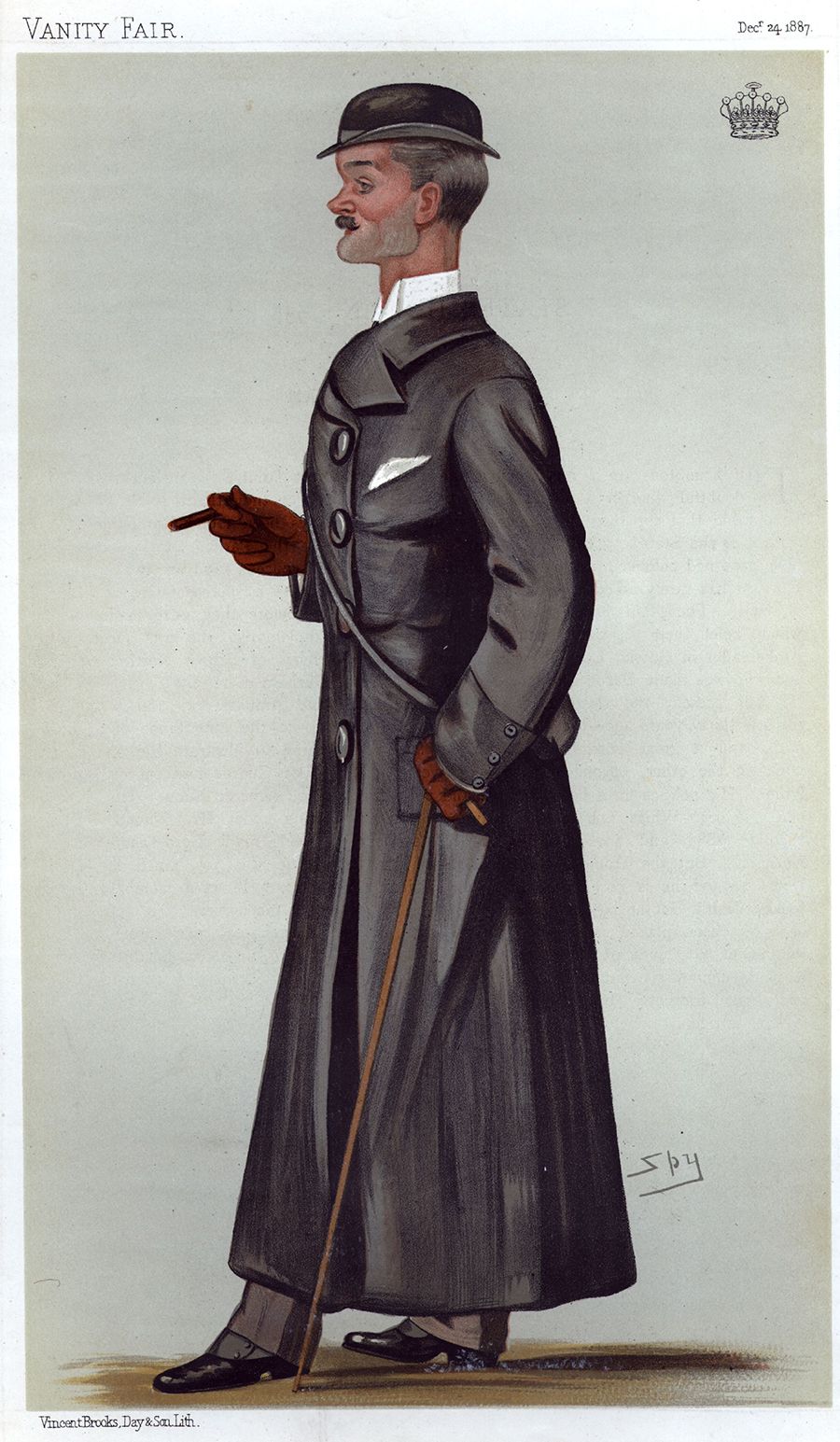
The legal idea that someone need not be mentally sharp to tie the knot stretches back to England in 1885, when John Lambton, the Third Earl of Durham, asked the courts to annul his marriage to Ethel Elizabeth Louisa Milner. He argued the Countess of Durham was “hopelessly insane” – in part, because she did not love him and refused to promenade alongside him – so she lacked the mental capacity to get married in the first place. If he’d won, Lambton, who was having an affair with a burlesque dancer, would have been free to marry again without a divorce or the need to financially support Milner. But Lambton lost. The judge ruled marriage required a far lower degree of mental capacity than other tasks, like writing a will. A person simply had to understand its basic obligations; that it meant, for example, living with someone forever.
For Lambton, who committed his wife to a mental institution and went on to father a child with his mistress, the famous Durham v. Durham decision reflected the times. In her 2010 legal textbook, Capacity to Marry and the Estate Plan, Whaley describes how 19th-century society valued the institution of marriage as a building block of stability: Women were expected to become wives, have babies and raise future workers to fuel the economy, so the courts sought to make it as easy as possible to get married. The financial implications of marriage were also fundamentally simpler then; any property a woman owned became her husband’s, as did any money she earned outside the home. Today, both parties usually come into a marriage with their own property, whether that’s real estate, a savings account or even a valuable piece of jewelry. They may also have children from a previous relationship and former spouses. By the time a marriage ends, they may have shared assets, debts and financial responsibility for dependents, and what happens next can impact estate plans and family relationships. “There’s nothing simple about it,” says Whaley.
The Durham case is not the only century-old law on the books since the British beat the French on the Plains of Abraham in 1759 and Canada adopted English common law. The degree of mental capacity required to write a will, for example, where someone must have both an understanding of the relevant facts needed to make a decision and appreciate its consequences, is a legal bar set by an English case from 1870. The difference is countless cases contesting wills have come before the Canadian courts over the last 161 years, and the old common law has had a greater chance to evolve with the times since judges rely on previous cases to make new decisions.
“But marriage is not like a will; the cases just haven’t come forward,” says Clough. “So this low test for capacity to marry has just kept on.”
Now, fear often lies at the cold heart of marriage capacity cases coming under scrutiny. According to a 2012 report on predatory marriages in the Canadian Journal of Family Law, most involve an elderly man or woman who sees their caregiver as “indispensable for his or her survival.” In turn, the elderly victim becomes “terrified of being deprived of them … and, with very little enticement, may agree to anything in order to continue receiving assistance.”
In a 2012 Toronto case, for instance, 89-year-old Kazys Juzumas, who spoke little English and had no family nearby, agreed to marry his 65-year-old housekeeper after she promised to move in, look after him and never send him to a nursing home. After the wedding in her apartment, however, Galina Baron, who’d been married several times before and looked after other elderly men, sent her new husband home on the subway and later took Juzumas to a lawyer’s office, where he signed a new will naming her his heir and transferred the title of his home to Baron’s adult son. Neighbours, struck by how fearful and downtrodden the once-cheerful Juzumas had become, helped the elderly man take his case to court, where a judge called out Baron for “unconscionable conduct,” granted Juzumas a divorce and transferred title of his home back to him. But Whaley says the case didn’t raise the legal bar for capacity, because Juzumas was capable.
In 2017, Whaley represented the family of Kevin Hunt free of charge, hoping it would set a precedent and raise the capacity bar. After the 50-year-old landscaper suffered a catastrophic brain injury in an ATV accident, his former girlfriend whisked him away and married him in Collingwood, Ont. Hunt’s sons, using their dad’s credit card trail to find him, discovered the wedding after it had taken place. While a judge eventually deemed the marriage invalid, it didn’t change anything, because of “overwhelming medical evidence that Mr. Hunt was incapable of any and all decisions.”
Whaley says waiting for the right case, or the right judgment is not the way to go. “What we need is a law.”
Political Will
Ever since the first predatory marriage cases started showing up in her practice more than a decade ago, Whaley has regularly lobbied the Ontario government to enact predatory marriage legislation. So far, the only sign of progress came in 2022, when Ontario joined B.C., Alberta, Saskatchewan, Quebec and the Yukon as one of the jurisdictions where a marriage doesn’t automatically revoke a will. The change means a predator can no longer count on inheriting a chunk of the estate after they get their prey to exchange vows, since the victim’s prior will is still in effect.
Whaley says the 2022 change doesn’t entirely solve the problem, because a predator can simply take, or coerce, an elderly victim to write a new will. They could also print power of attorney documents off the internet, which allows them to siphon money from accounts, take over property titles or sell off assets.
In 2013, B.C. included an initiative to combat predatory marriage among reforms to its family law legislation. Known as a caveat system, a substitute decision-maker or legal guardian can register proof of someone’s incapacity to marry with the province’s Vital Statistics Agency. If capacity is in doubt, wedding convenors are expected to check the system before marrying a couple, and the caveat also provides grounds to invalidate a predatory marriage that has already taken place.
Clough, however, says, “I have not seen the caveat system have much impact in preventing predatory marriages.” She describes a case where someone registered a vulnerable person with cognitive impairments and also noted the risk of being preyed upon and, a few months later, the adult married anyway.
B.C. and jurisdictions outside of Canada have turned to caveat systems as a way to avoid unintentionally preventing people with Down Syndrome or other developmental disabilities from marrying. “That’s a common thing people will say,” Clough says. “‘Will the bar become too high and then be discriminatory?’”
While the concern is valid, she says it shouldn’t mean that we don’t try to “protect the rest of society because we’re worried about one part of society. Let us make a law that is inclusive of that idea.”
In 2018, Albert Oosterhoff, who counsels Whaley’s firm, drafted a short Predatory Marriages Prevention Act for an Ontario Bar Association working group, which Whaley has repeatedly pressed the provincial government to adopt. But it’s unclear what, if any, plans the Attorney General has for the draft. After repeated requests, Minister Douglas Downey declined to be interviewed or respond to written questions.
The main points of the proposed legislation include: raising the requirements for the mental capacity to marry; empowering the courts to deny a spouse property benefits they would otherwise automatically inherit; and oblige people who issue marriage licences and perform ceremonies to satisfy themselves that the parties have the capacity to marry.
When people write a will, they usually see a lawyer, who is supposed to ensure they have the capacity to do so, says Whaley. “People don’t go see lawyers to get married, so there’s nobody applying a [capacity] test, but they do see the person licensed to perform a marriage.” Yet, when marriage officials or convenors are called to testify in court, “nobody ever shows up [for the proceeding], and if they do, and you ask, ‘what steps did you take to determine if the person is competent or capable?,’ they say, ‘well, I wouldn’t pay attention to that, all I pay attention to is whether they say, ‘I do, or I don’t.’”
As the president of Celebrating Life Ministries, Wayne Prevett is one of 1,200 governing officials who represent 25,000 clergy authorized to perform weddings in Ontario. He and his wife, Rosanne, have married about 5,000 couples, and he believes municipal employees should be responsible for ensuring people have the capacity to marry, since they’re the ones who review marriage applications and issue marriage licences.
“When they come to us, they have already been vetted,” says Prevett. “We have no authority over issuing the licence. The city clerk does. … They’re the ones that question you, the ones that make you swear, take your application. They’re the ones that look at your ID. They are the ones that make the determination as to whether or not you qualify to get a marriage licence.”
Given the growing risk of predatory marriage, Prevett sees the rationale for change and the need to improve the system. In some municipalities, he says, only one person has to pick up a marriage licence from a city clerk. “If I was a lawyer pushing for legislative change, I would insist that both parties have to be there when the licence is purchased.”
He points out society has “lived with the fact that a minor cannot get married without approval” from a parent or guardian if they’re between 16 and 18, and it may be time to protect people at the other end of the age spectrum by requiring everyone to pass a capacity test to marry.
“I can see people losing their minds over that,” he says. “I hate big government, but maybe there’s a way for us to be able to look at it and say, ‘if we institute something like this, maybe we’ll save a lot of aggravation,’ because we do infringe on autonomy, right? We let people know that when you’ve drunk too much, you shouldn’t be driving. We tell them that you need to pass certain standards in order to get a licence to hunt or to fish or to drive a car.”
Marriage legislation in Ontario requires a wedding officiant to ensure the two people marrying are sound of mind, which, he says, “usually comes down to inebriation, not anything else. So, have they had too much to smoke, or have they had too much to drink?” Prevett says it’s impractical for a wedding officiant to determine someone’s overall mental capacity. “We could just be meeting each other for the very first time on the day of the wedding, and then you’ve got to make a gut-call decision.”
Whaley sees it differently. She says the marriage legislation puts the onus on wedding convenors to ensure both parties have the mental capacity to marry. But there’s poor enforcement of the legislation, little oversight of marriage convenors and “nobody is vetting.” What they need, she says, is better training.
The wedding industry may have a reckoning ahead, just as demographics have prompted change in the banking industry. In 2019, for instance, Canadian banks adopted a voluntary Code of Conduct for the Delivery of Banking Services to Seniors, which includes special training for employees to learn how to spot potential incidents of financial abuse or fraud against older customers.
A World of Trouble
Canada is not the only country where the fight to stop predatory marriage is taking off. As cases rise in other parts of the world, Whaley has been invited to give talks on the subject in Italy, Bermuda and the Cayman Islands, an alluring snowbird destination for wealthy seniors and predators keen to seduce them. Even in England – where our problematic common law on capacity to marry originates – the battle has gone from a grassroots movement to a national campaign, largely due to the tireless efforts of Daphne Franks, who believes her late mother, Joan Blass, was swindled by a younger husband.
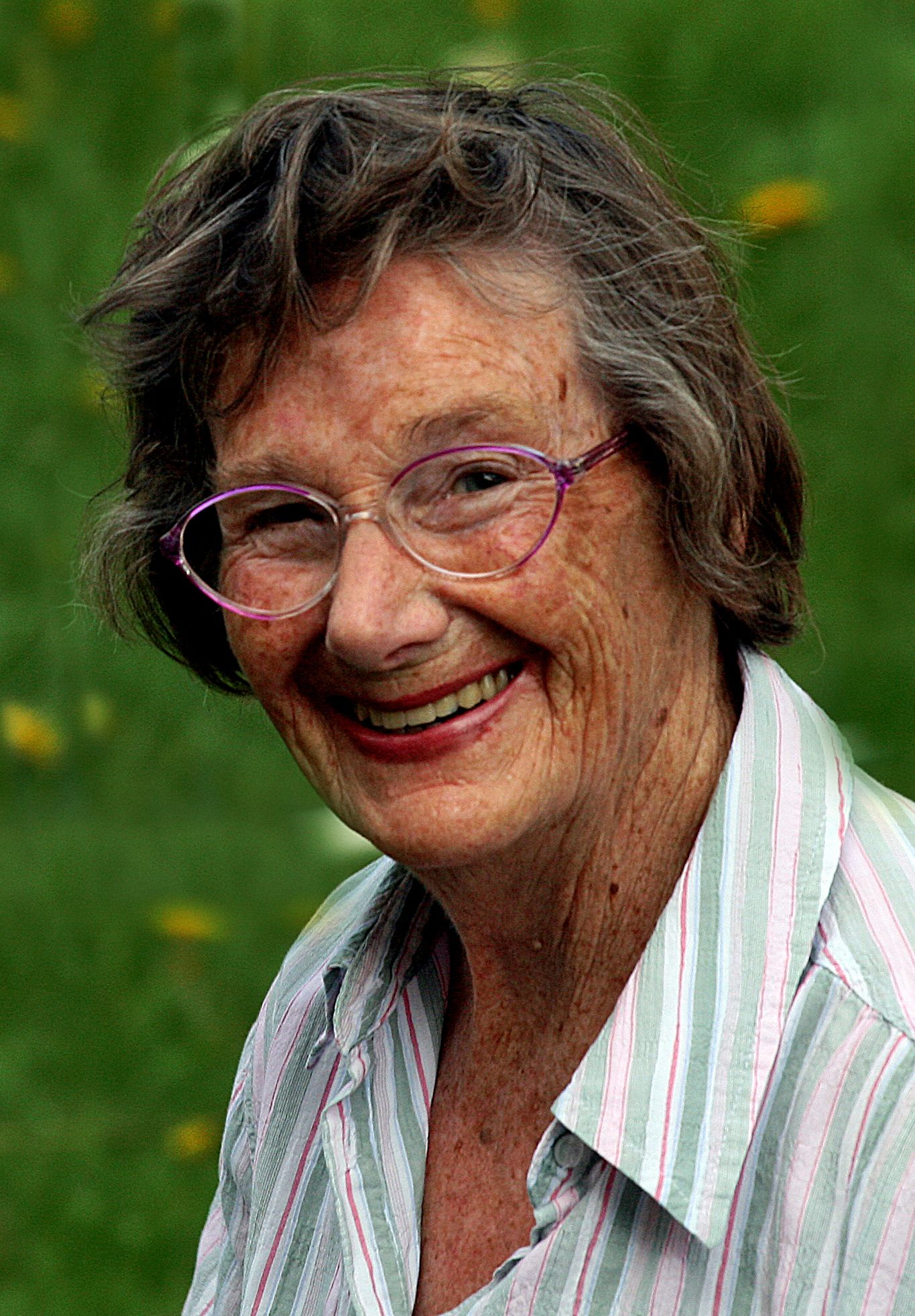
Blass had been many things in her 92 years: a loving wife, mother of two, a grandmother, an Olympic-bound swimmer (until Nazis bombed the pool where she trained) and, in the 1960s, a trailblazer who was one of the first female school teachers to wear trousers in the classroom. Now, in death, she’s the public face of predatory marriage in the U.K. Blass was 87 when she met the 62-year-old man she called Laddo. Colman Folan stopped to chat while she was trimming the hedges outside her home in Leeds in 2011, and Blass, who had worsening dementia, invited the stranger inside for a cup of tea. After that, Laddo never really left.
Franks, who lived right next door at the time, says her widowed mother thought Laddo, whose real name she refuses to utter, was a caregiver. In an interview, Franks, 67, describes how Laddo did the shopping and jobs around the house before the “love bombing” began, with presents and romantic cards professing his wild affection. Handsy, and oozing charm, he gave Franks “the creeps.” She tried, unsuccessfully, to have police and social services remove him. “Either they didn’t see the threat, or they really didn’t know what to do about it … They thought he was a caregiver as well, but he was just some bloke who moved into her house.”
Over time, Laddo stopped Franks from seeing her mother, even after Blass was diagnosed with terminal cancer. Franks had to call the clinic to find out when she had appointments and, after Blass died in 2016, her mother’s doctor called with a question. “‘Daphne, did you know your mother was married?’ My knees buckled. I remember saying, ‘I’m sorry, I’m going to have to sit down.’”
She discovered the wedding took place at a registrar’s office five months before Blass died. Laddo’s adult son and a woman from the pub were the only witnesses. The registrar who performed the ceremony had questioned Blass’s capacity, but Laddo told him his bride was deaf and had suffered a stroke. Franks says her mother had no idea she was married.
In England, a marriage automatically revokes a previous will, so Laddo inherited his late wife’s entire estate of £270,000 pounds (nearly $500,000), which included her home and all its contents. As her immediate next of kin, he also controlled her remains. Although Franks and her brother took him to court to hold a funeral for their mother and cremate her according to her wishes, they lost, and Laddo buried his bride out of town in an unmarked grave.
Franks, a former secondary school teacher who also taught communication skills at Leeds Medical School for more than 25 years, initially had no idea the financial abuse she alleges her mother suffered had a name until she spoke to elder law advocates in Canada who told her it was called predatory marriage. She has since “borrowed the term” and given 250 talks across England and Scotland to warn people about it. Franks says she’s heard “dozens of stories” similar to her own over the last eight years, fueling her determination to continue lobbying for new laws to prevent fraudsters from duping the incapable. The Law Commission, an independent government tribunal, is now reviewing whether marriage should automatically revoke a will.
Franks, who spoke on the subject at the United Nations in Geneva in October, also thinks working with wedding officiants may help. As a result of her talks, some U.K. registrars have started questioning a bride and groom in separate rooms before a wedding, and they’ve found cases in which elderly people about to get married had no idea what they were doing or why they were there. She discovered “a big problem”: many wedding officials did not understand dementia, or the tricks and facial expressions people use to hide their forgetfulness and confusion, a coping mechanism known as masking.
“We were told again and again that ‘your mother couldn’t have been forced into marriage, because she was smiling when she got married,’” says Franks, who has received a lot of public support, but, on social media, also condemnation. “My favourite horrible comment about me was, ‘she is nothing but an entitled money-grabbing adult brat.’
“I have always made it very clear that our campaign is not about getting back our lost inheritance in any way,” she says. The real things of value she lost were sentimental items in her mother’s house, like letters her grandfather wrote from the trenches of the First World War, and her own wedding dress.
It Takes a Village
While laws and policies to protect the elderly from predatory marriage continue to lag behind the rise in cases, Devore-Thompson was ahead of the curve when she took proactive steps to protect her beloved Aunt Donna.
After Walker was first diagnosed with Alzheimer’s, she told her niece she’d been reading about the symptoms she might develop. “My aunt said, ‘Things may get nasty with me, but just know I still love you.’ She also said, ‘Just protect me; protect me and my money.’ She just didn’t want to be taken advantage of.”
So, even before Devore-Thompson knew about the five-buck guy who wouldn’t go away, she went to the places her aunt frequented – the bank, the Lancôme makeup counter at The Bay, the café at Zellers – and told employees about her aunt’s diagnosis and to contact her if they noticed anything out of the ordinary. “I did get a call from the Lancôme counter, and the woman said, ‘Your aunt was in here, and she was really confused, and there was a man with her and it just seemed off. It seemed odd that this man was hanging around her, and she was very flustered, and the way he was talking to her, he was almost talking down to her.’ I also got a call from one of the waitresses at Zellers. They used to call her Mrs. Chicken Fingers, because that’s all she used to order, and she said the same thing to me, that this man was hanging about.”
Enlisting people to be her eyes and ears helped Devore-Thompson pull together the evidence Clough needed to prove Poulain was a predator. The effort took a village, a three-week trial and more than $200,000 in legal fees, paid for in part by the $140,000 retirement fund her aunt left to a nephew. While Poulain lost the case and the court ordered him to pay double the costs of Devore-Thompson’s legal fees, Walker’s family never received a penny from him.
“I made a promise to protect my aunt, and I did not want somebody to take advantage of her and her dignity and just walk away scot-free,” says Devore-Thompson. “I did it for her. You know, I loved her. … It was never about the money.”
WATCH: Libby Znaimer and theZoomer panel tackle abuse of guardianship and predatory marriage, and provide tips to protect your loved ones from rising cases of elder abuse.
A version of this story was originally published in November 2024.