Luxury brands have gone gaga for golden oldies. In the past few months, we’ve been served up a smorgasbord of campaigns featuring bona fide icons from age 65 and up across the fields of acting, music and literature. Willie Nelson has just debuted as the face (or perhaps, bandana and braids?) of Haider Ackermann’s Snow Goose for Canada Goose campaign. Heavy hitters Robert De Niro and Al Pacino bust out puffies in the new Moncler “Warmer Together” adverts, and John Malkovich’s particular brand of quirk embodied the JW Anderson label’s acid-neon jumpers. Burberry went all in for their latest campaign, recruiting Richard E. Grant, Naomi Campbell, Olivia Coleman (who’s on the young side at age 51) and, for extra fabulousness, Joanna Lumley and Jennifer Saunders. Even The Great British Bake Off legend Mary Berry has appeared on behalf of the brand at age 90. Spike Lee now shills for Stone Island (a cult Italian sportswear brand) and Samuel L. Jackson reps Adidas Superstar sneakers (campaign slogan: What makes an original?).
This year’s round of older influencers are at the crest of a snowballing trend that started a few years. Looking back, we could see inklings of this in 2007 when Louis Vuitton created their Core Values campaign featuring Sean Connery and Keith Richards to drive their heritage message home. Almost a decade later, the late Joan Didion and Maggie Smith broke ground for Céline (2015) and Loewe (2023), respectively. And in 2015, Joni Mitchell, then 72, posed for Saint Laurent, which the house followed up with the 2021 return of actress and long-time muse to the founder of the house Catherine Deneuve, at age 78.
View this post on Instagram
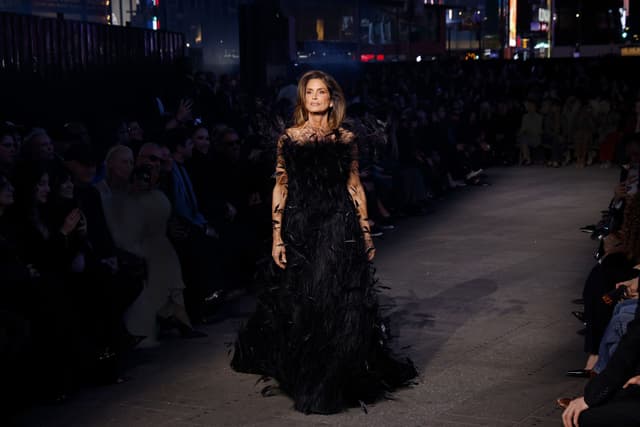
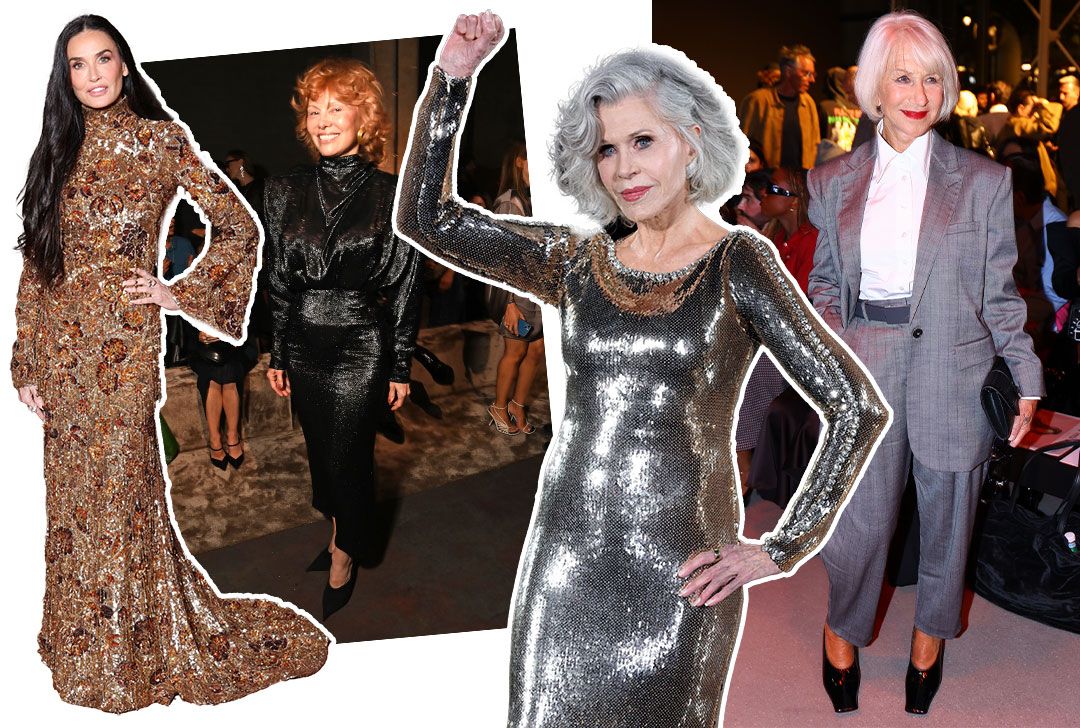
The trend has reverberated to the runways and front rows of fashion capitals, which were notable this fall for the mature nature of the celebrity crowd, from Helen Mirren, Jane Fonda and Cate Blanchett to Nicole Kidman, Demi Moore and Pamela Anderson.
Is luxury’s new interest in wrinkles, charisma and character a reaction to the overwhelm of influencer culture, which for the most part has been younger millennials and Gen X though Gen Zers? Granfluencers have made a mark. Do we really want to buy clothes modelled by kids in their teens and 20s? Buy face cream from someone who thinks of wrinkles as a theoretical concept? The dominance of TikTok and Instagram as marketing tools that target mostly younger demographics directly might have reached its apogee, so brands are looking to borrow authenticity from trusted, older faces.
These silver-fox campaigns are predominantly about brands provocatively using these interesting lives-well-lived faces to garner attention. Legendary cultural figures appeal to both young people looking for role models and those seeking an aspirational view of aging. In a culture that values cool, these celebrities show that you can still be cool long into your future.
Another pertinent fact is, as desirable as young consumers have always been to advertisers, the young just do not have the disposable cash. With the luxury industry in a huge and perilous slump, brands need to go where the money is.
View this post on Instagram
So brands are following the money. The 55-plus segment is the largest and fastest-growing demographic in Canada. By 2030, this segment will make up 32 percent of the population and nearly 45 percent of total consumption. They hold immense financial power, with an average net worth twice that of people in their 40s, bolstered by investment gains and rising property values. According to industry-insider media company The Business of Fashion, which has dubbed them the “Silver Generation,” they do not care about trends; instead, they prize functionality, value, quality and trusted brands.
In that light, luxury brands are choosing instantly recognizable icons of popular culture to allow their brands to bask in the glow of all that reflected authenticity. These advertising stars ooze confidence in their own skin – something that the anxious generation, the all-too-apt moniker for Gen Z, are far from finding. Researchers, led by Dr. Ulrich Orth of the University of Bern, crunched the meta-data on 300-plus studies about self-esteem throughout our lives. The main takeaway is that self-esteem peaks at 60, and stays relatively stable through to age 70. Declines after that are quite small, associated with age-related losses.
Whatever the motivations, this bumper crop of ads starring older personalities underlines that fact: Confidence, not collagen, is what is really sexy and appealing at the end of the day.