This poet, short-story writer and novelist is a literary tour de force – in designer shoes
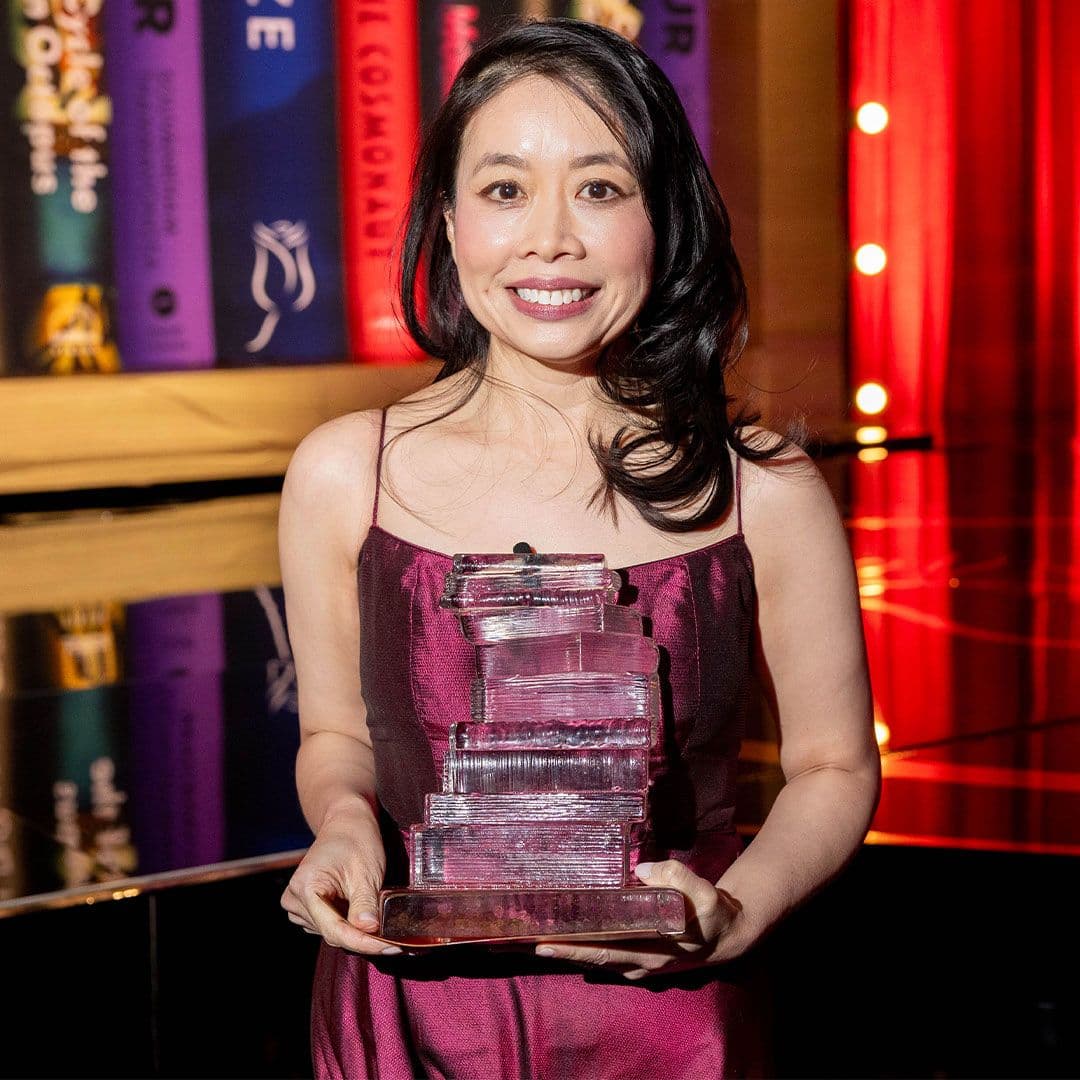
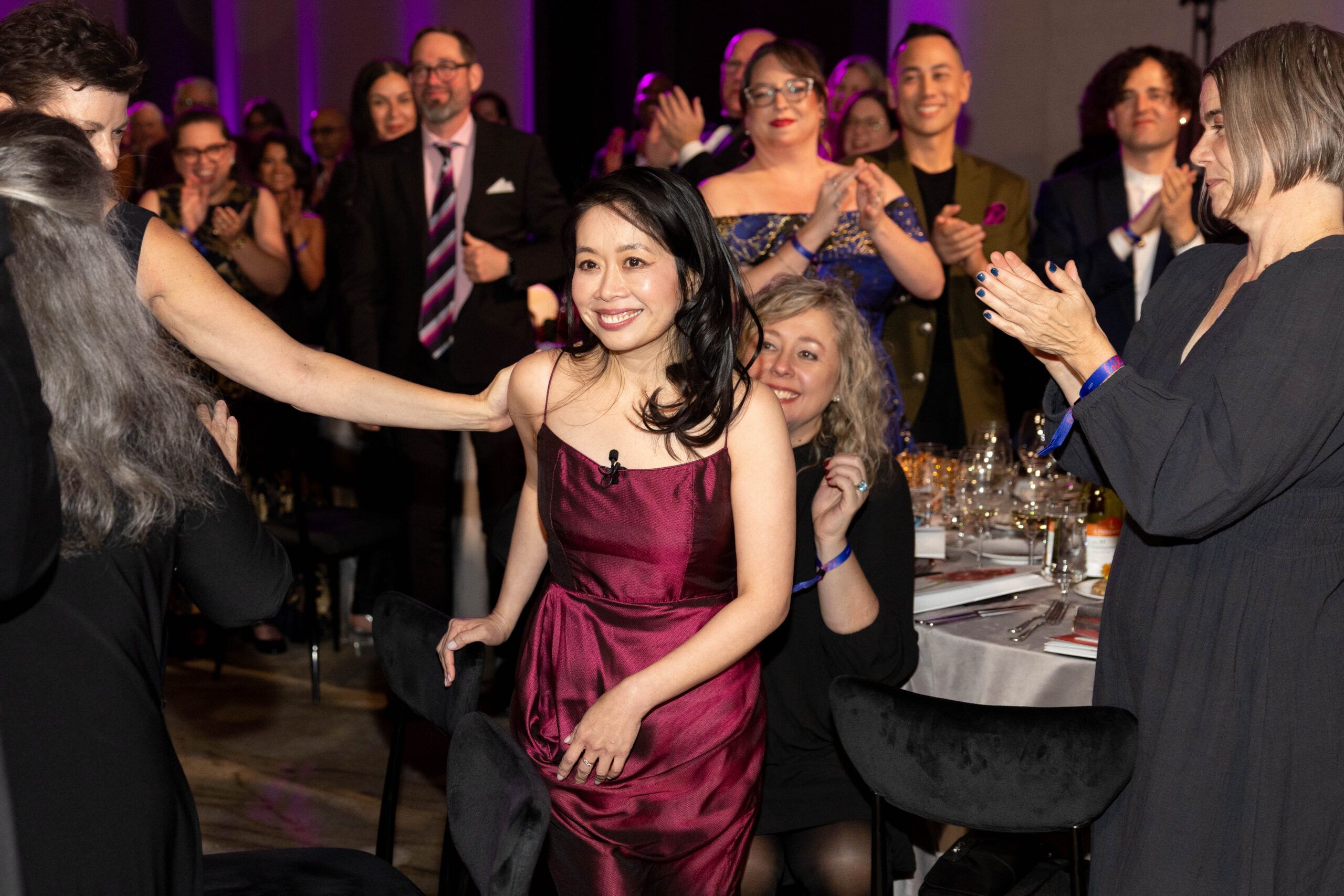
When her name was called as the winner of this year’s Giller Prize, Souvankham Thammavongsa stood up from the front-row table at the uber-glam ceremony, and made her way toward the stage where host Rick Mercer, Giller executive director Elana Rabinovitch and jury president Dionne Irving were waiting with a $100,000 cheque. “I was just trying to remember to thank all the people I really wanted to thank and trying to make sure I didn’t trip and fall or that the trophy wasn’t too heavy for me,” the author of Pick A Colour tells me just three days later. She knew all about the weight of the winner’s glass statue – she already had one at home for her 2020 short story collection, How to Pronounce Knife. “I was thinking about the history of the prize and the writers who have won it two times,” she says. “And how the time between my books has been the shortest. I won two Gillers within five years. And the next person is Alice Munro, who won two Gillers within six years.”
In the prize’s 31 years, only two other authors, M.G. Vassanji and Esi Edugyan, are in the double-winner club. “I thought that the jury may feel that winning it a second time would be too much. And that they may want to give it to somebody who’s never had that experience,” says Thammavongsa. “But you know, juries are fickle. You never know what they’re going to do or say. You really don’t know until the minute they open the envelope and call a name. So what I did earlier in the day was to practise fixing my face for if my name was not called. I think it’s graceful to be happy for your fellow writers.”
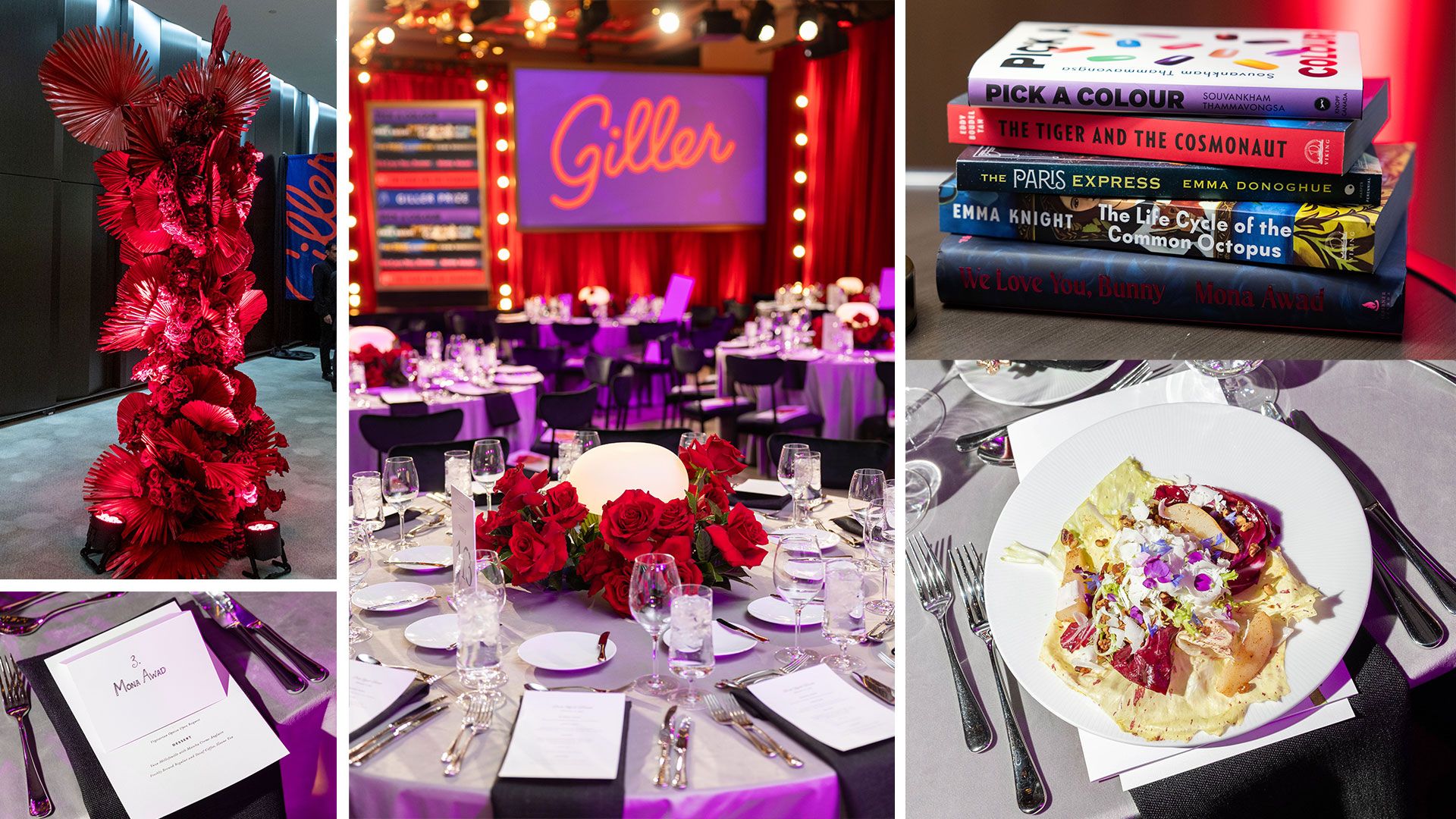
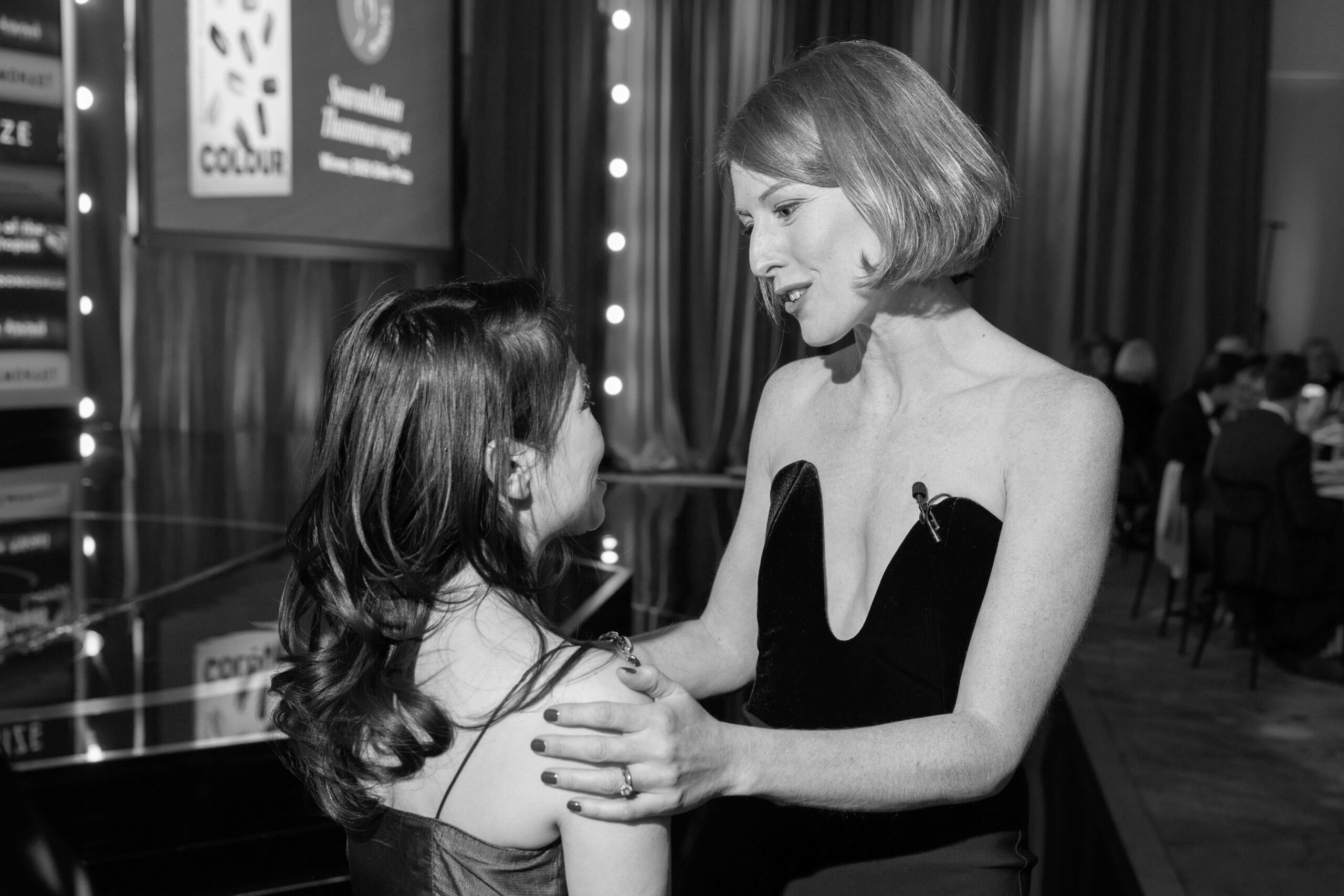
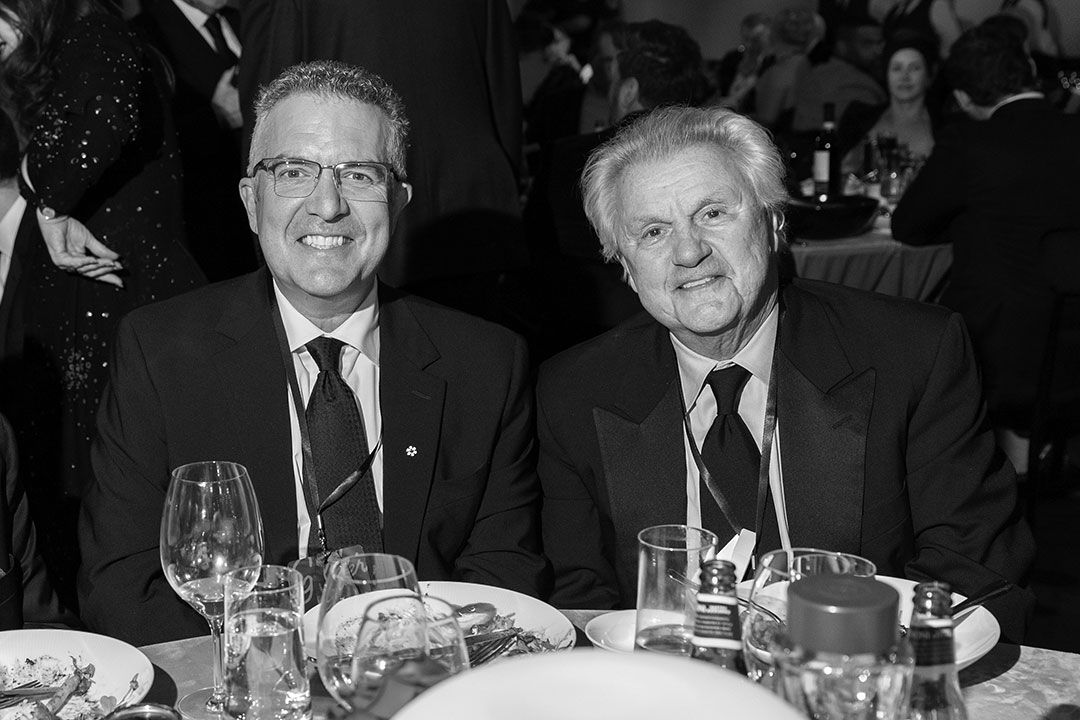
At the Toronto ceremony, filled with literati heavyweights, media personalities, politicians and other familiar faces, I was sitting one table over from Thammavongsa, directly across from first-time nominee Eddy Boudel Tan, who did a great job of fixing his face. After the award was announced, while eating dinner, he was completely relaxed, even joking that he was happy he wouldn’t have to get up at 6 am for the morning talk show rounds. Two of the other nominees that night, Emma Donoghue and Mona Awad were on the other side of the room and must have been having deja vu as they were both up for the same award in 2016 and lost to Madeleine Thien. The fifth nominee, debut author Emma Knight, sought out Thammavongsa immediately. “She came up to me and she was so happy, like genuinely happy for me. And, her dad, too,” says Thammavongsa, 47. “His daughter didn’t win. He has every right to, you know, just be a loyal dad to his own daughter on this night. And he came up to me and said, ‘Congratulations, we’re very happy for you.’ That grace for me is so moving. I really appreciate that small moment that they took to say that.”
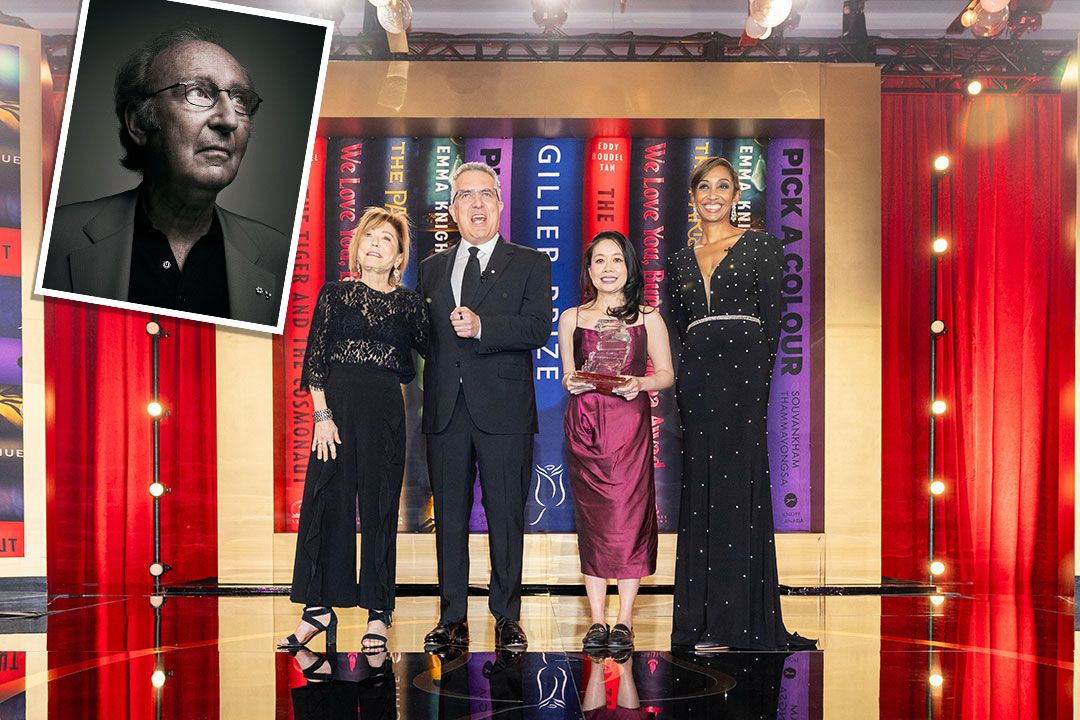
At the heart of the Gillers is not just books, but family: philanthropist Jack Rabinovitch started the prize in 1994 to honour his late second wife, Doris Giller, a literary columnist at the Toronto Star. Since Jack’s death in 2017, his daughter Elana (from his first marriage), has carried on the tradition, saying during this year’s ceremony, “When my father Jack stood on this stage, he always reminded us that ‘For the price of a meal in this town you can buy all the books,’ and then he would of course add, ‘So buy the books and eat at home.’”
Meanwhile, Thammavongsa revealed in her acceptance speech that she hadn’t even told her parents about the awards. “I’m sorry I didn’t tell you about this,” she said after thanking them, “and that you’re finding out on the 6 o’clock news.” A few days later, she tells me it was no joke, that is what happened. “I didn’t want to want their hearts to break,” she says about her reason for keeping it a secret. “I can handle not being a winner, and I don’t even think that is a heartbreak. As a writer, you steel yourself for such moments. I’ve been writing for more than 25 years. I know what it’s like to do good work and meaningful work and for no one to recognize it. I’m familiar with that feeling, but my parents are not.
“And so I didn’t want them to sit there, eating antacids. I wanted to protect them. They knew I was up for a prize, but I didn’t tell them when it would be announced. And I didn’t tell them last time either. They found out because they’re huge fans of CP24. They have it on all the time. They were just watching the news and then suddenly it had a clip of me, thanking them. And this time, they saw it again on TV. My dad texted me. He knew I’d probably be busy, so he texted, ‘Congratulations. Love you.’ And my mom wrote, ‘Are you okay?’”
It might seem like an unexpected query to someone being handed a $100,000 cheque. “I know it’s a simple question,” says Thammavongsa, “but it’s actually a very difficult question. While this award opens up many opportunities for me as a writer, the pressure now is even greater. The first book was a short story collection and in the publishing world, they say short stories don’t sell. So there were no expectations for that book to do well, but it did so well. So when the novel came out, they said, we may not be able to match those kinds of numbers. But we will try to do our best. And then this novel has been on the bestseller list since it came out on September 30th at number one.
And this is before she feels the Giller effect, which can easily increase sales by hundreds of per cent after the winner has been announced and the world takes notice. Certainly, all eyes are on what this poet turned short story writer turned novelist will do next. “I looked at the bestseller list and at the writers on there with me, and I am not like any of those writers. I’m not an astronaut [a nod to Chris Hadfield]. I don’t write thrillers. I don’t write romances or at least not the typical, archetypal, general, popular idea of a romance. I’m not a TikTok star. And I haven’t won an Oscar for my writing [a nod to John Irving, who was also in the room that night, having just put out his 16th novel]. I haven’t been a celebrity book club pick [nominee Knight was a Read with Jenna choice]. I really am just a writer and this is really organic old-school publishing. They can take someone that nobody’s ever heard of and say to the public, ‘This is a book that you need to read.’”
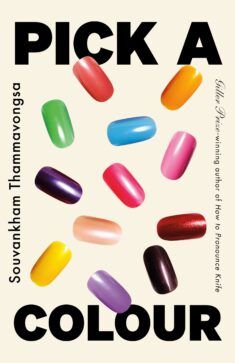
Thammavongsa’s novel, Pick a Colour, spans just one day in the life of a nail salon owner – who is also a former boxer with a missing finger – as she weighs in with sly humour and poignancy on her customers, co-workers and the meaning of her life. The jury called Thammavongsa “a master of form and restraint.” And it’s a description that the writer appreciates, as she knows that her fiction does not fit the mold. “As a woman of colour, I’m only given a really tiny piece of real estate on which to create. Someone like me is supposed to write these multi-generational stories that run across continents, across time, that go back to my parents, my grandparents, and that serve the question, ‘Where are you from?’ And in my book, I say, I don’t have to do that. I can do what I want. And that is a real risk because with publishing, in general, there are so few stories that don’t address those themes. And my book so boldly says, I don’t want to serve the question, ‘Where are you from?’ The question I want to serve – no, the statement I’m going to make is that ‘I’m here.’ I felt the jury understood that.”
As for the restraint, she is adamant about leaving her readers wanting more, even if it’s frustrating. “I hold back a lot of things that a reader may want. First of all, readers and publishers want to read a book that builds itself out of plot. And it is such a risk for a writer to make it plotless. And my book is plotless, yet it feels like a page turner because of the way in which I use the missing finger. Everyone wants to know how she lost that finger. But I never tell that story, and I know that readers get a little frustrated about that and they all say that they want more. But to get a reader to want more is so difficult for a writer. And for me to see that desire from a reader for more, that’s the achievement. I don’t want a reader to finish a book and say, ‘Oh, I got everything I asked for.’ And then not think about it.”
Even in person, Thammavongsa is good at leaving people wanting more. During her video introduction at the Gillers, she off-handedly mentioned that she buys a pair of shoes after she sells a book. I couldn’t wait to ask her why shoes, what kind, and as I watched her walk up onto the stage in a burgundy knee-length, spaghetti-strap gown and a pair of black flat loafers, I wondered what book those shoes were linked to. Three days later, she explains, “I have six books, four of which are poetry. And, yes, I buy a pair of shoes after I sell each book. Really fancy shoes – like Manolo Blahnik, Prada, Gucci. I love coming into my home and looking at these shoes and their fanciness. And it isn’t something that someone else got me; it’s something I got for myself and that I own and that I fit into. I have very tiny feet, size four, and it’s really difficult to find a nice shoe in that size that is not a child’s shoe.”
As for the pair she wore to the Gillers: “I had planned to wear the black Manolo Blahnik suede shoes, which I bought after How to Pronounce Knife,” she says, “but they were heels, and I was shaking the whole night. I felt the heels wouldn’t keep me steady, whereas the Gucci loafers were flat, and I felt really comfortable in them. So for practical reasons, I wore those all night, even though I carried the Manolo Blahniks with me.”