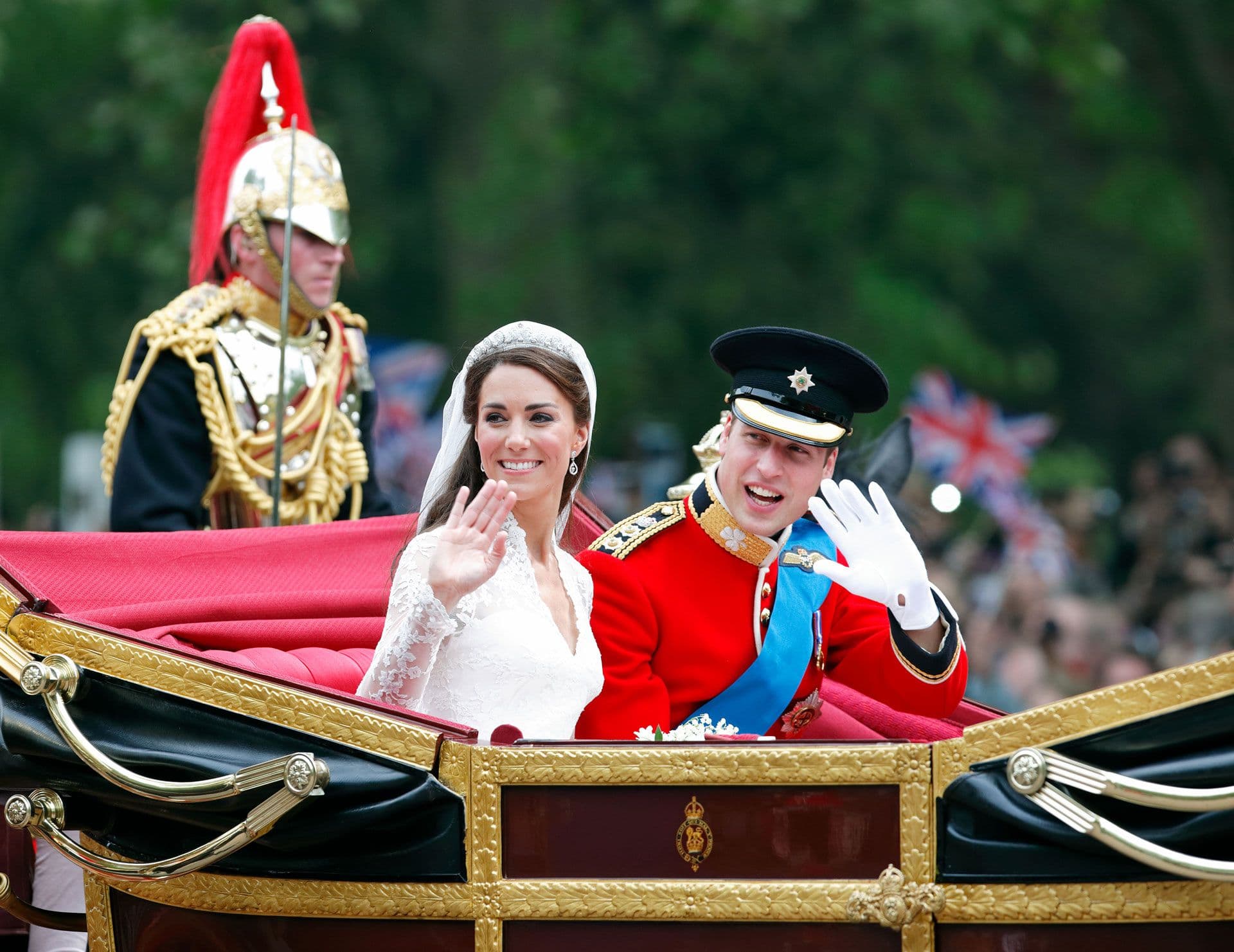
Where did the time go? William and Catherine mark 15 – 15! – years of marriage this year, and Prince George turns 13 this summer. This comes as the British monarchy continues to face new headwinds, and a tremulous first half of a decade. All of which creates just the right meteorology for Russell Myers’s new biography on the couple, William and Catherine: The Intimate Inside Story.
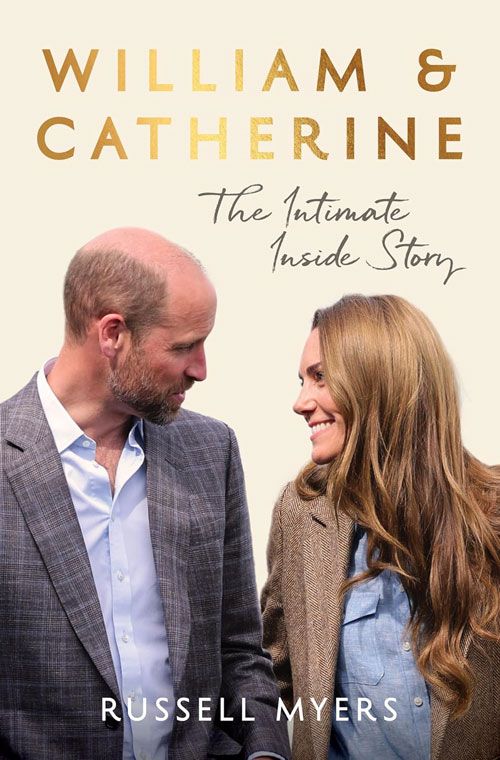
“When I was thinking about writing this book about William and Catherine, I couldn’t believe it had been more than a decade since the last book about both of them,” says Myers, referring to Christopher Anderson’s biography William and Kate: A Royal Love Story. “I thought, ‘What an extraordinary period of time we have had in those years, which happens to align with the time I have done this job [as royal correspondent for The Mirror]: the scandals, the infighting, the breakdown of relationships.”
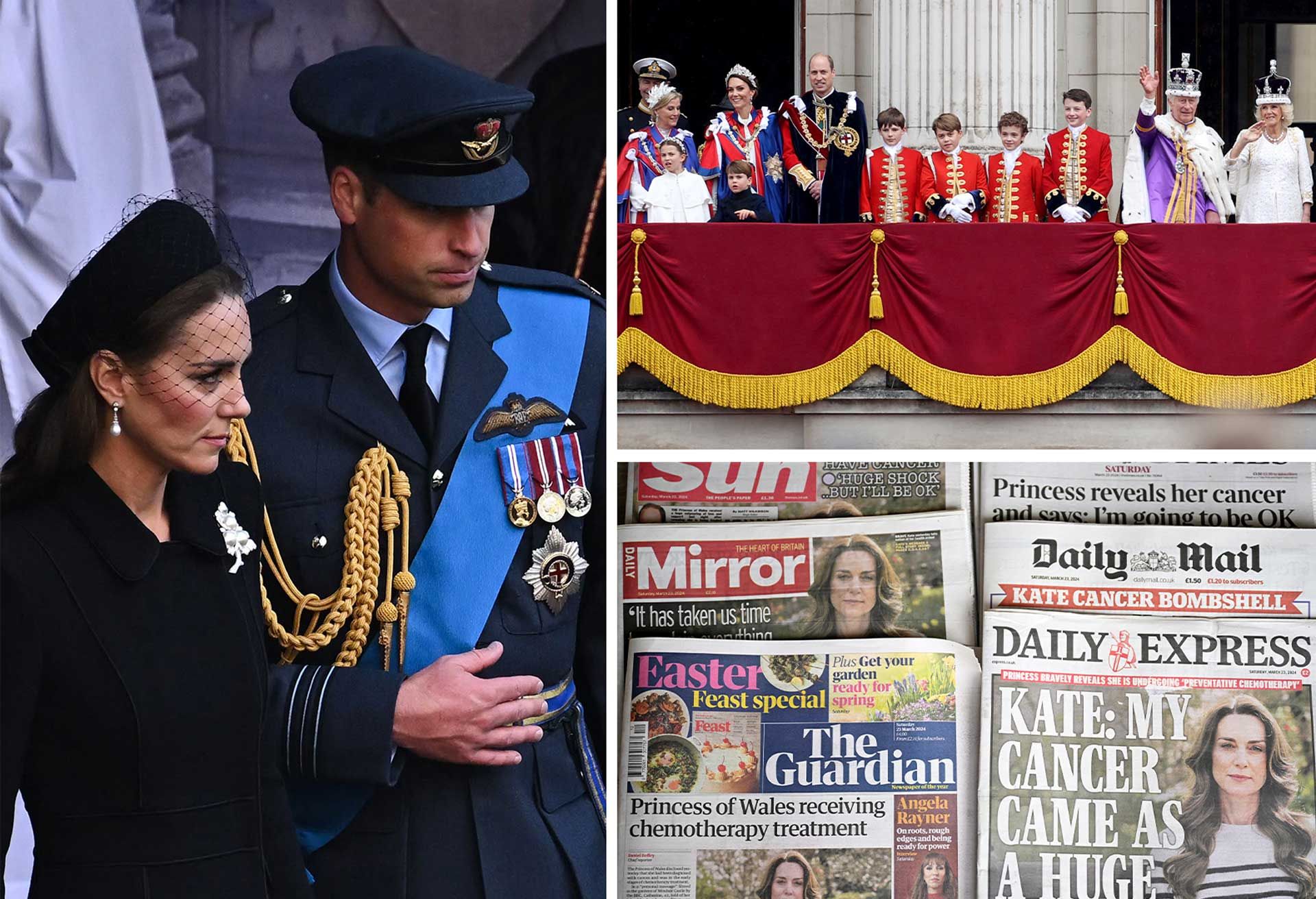
Not to mention, in that time, we also saw the death of Her Majesty, the rise of King Charles (after decades of waiting in the wings), the death, too, of Prince Philip, and the cancer battles of both Charles and Kate. “It’s the most extraordinary time, at least since the Diana years…the War of the Waleses, all that,” Myers says. “This book isn’t just pigeonholed into the Harry and Meghan situation – it’s chronological, so I did have to go into some depth about it and correct some of the myths of the William-Harry relationship. What I did find is that there were issues way before Meghan came on the scene, and that has been lost a little bit.”
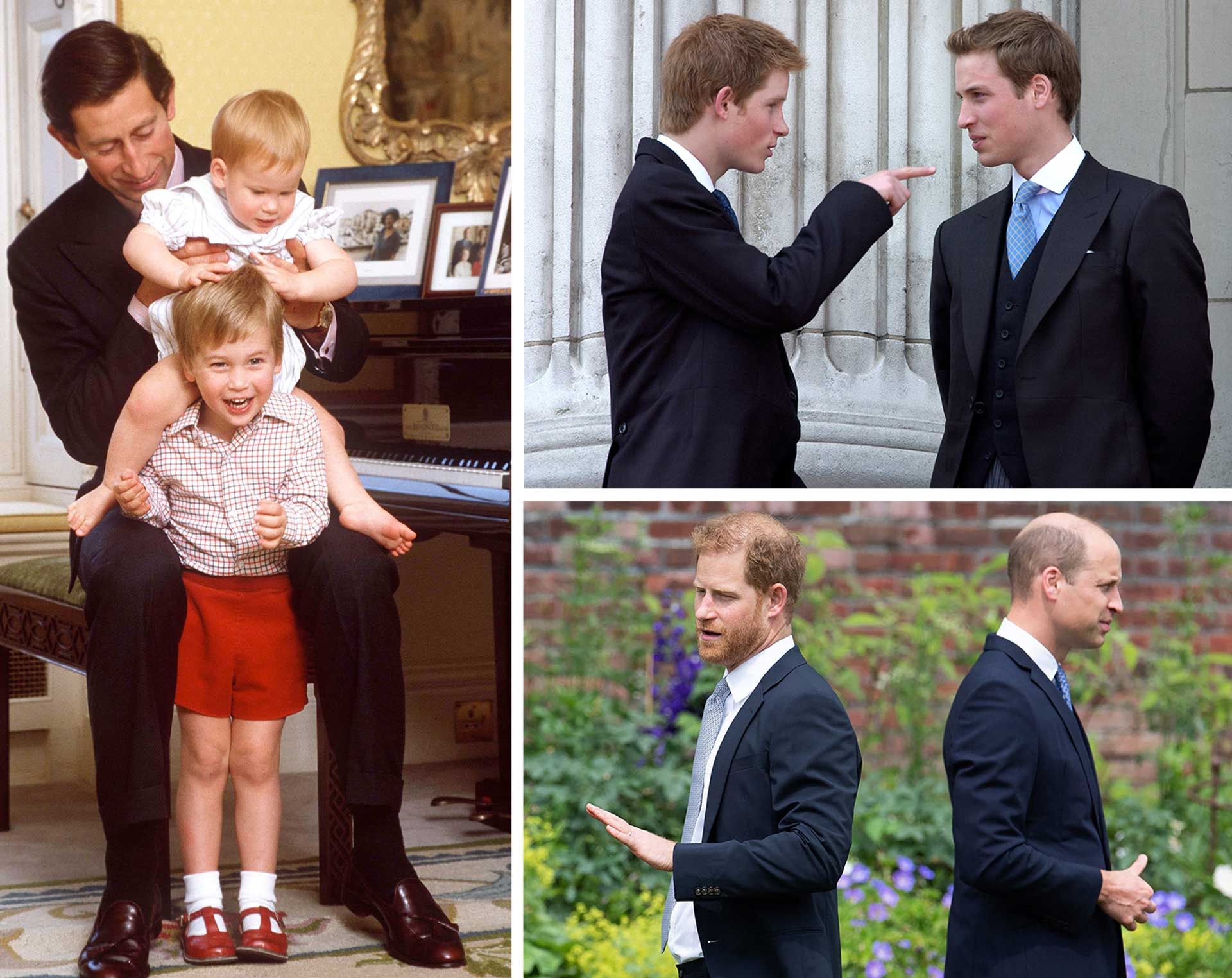
The whole “heir and spare” dynamic, n’est-ce pas?
“I knew from the sources I had that would speak to me, that I could give the real indication of how the Prince and Princess of Wales have felt in key moments,” says Myers, who adds he saw a way to “present who William and Catherine are as people. And why, even if you are not a monarchist, you should care.”
One undercurrent that runs through the biography, at least when it comes to Wills, is best summed up by a line early on: “His understanding of his destiny was marked by internal conflict over choices that he perceived as being taken away from him before he had the chance to explore a future of his own.” His decision, for instance, to go to St. Andrews, eschewing the traditional Oxbridge path of his father. Likewise, he traces the princess’s metamorphosis, in its way, from “Kate” to “Catherine.” At its core, though, this look at the Waleses is “a portrait not only of two individuals, but of a partnership at the heart of an institution that is continually striving to define its relevance in a changing world.”
With the release of The Intimate Inside Story’s publication in Canada, we talk all things Wales with the author. Stormy weather ahead…
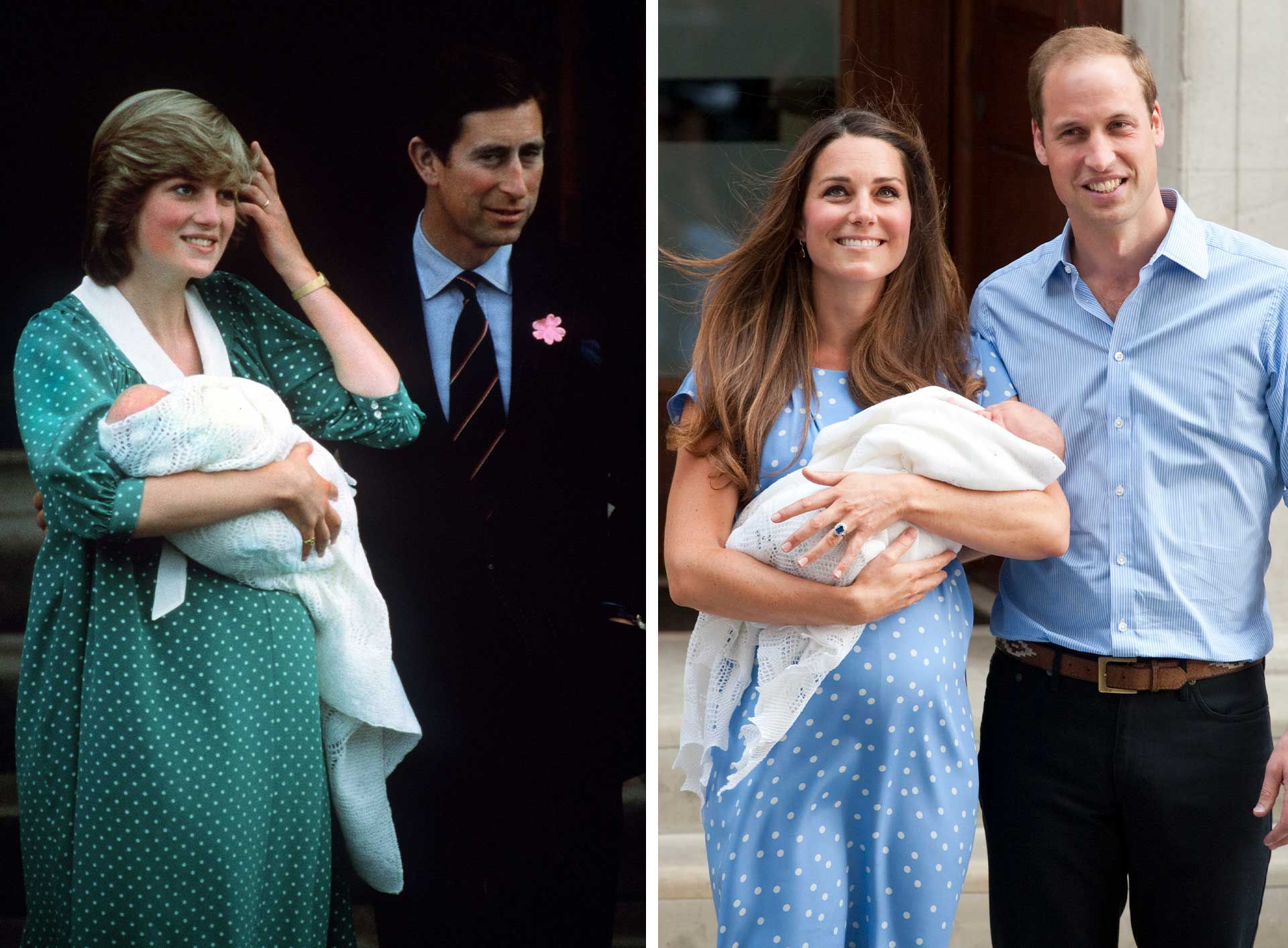
Two twin themes of your book are continuity and change, starting with William’s very birth. He was, as you point out, the first direct heir to the British throne to be born in a hospital rather than a royal residence – provocative at the time! It represented a new way in which Diana wanted her children raised. That almost sits as a metaphor now, no?
Interesting that you picked up on that. I thought it was an interesting place to start, in that people have a presumption of who William and Catherine are. William is a prince, born into an institution, who is changing the monarchy from within, and Catherine was just a girl from Middle England who wooed said prince. But really, William’s life has been steeped in change! And it’s interesting that he is now trying to formulate his own change – and I do think that is a legacy of his mother. Diana was obviously a complete trailblazer, in terms of relieving some of the stiffness from the British monarchy – the way it was viewed both at home and abroad. And [in terms of] the way she wanted to give her children a life outside the palace. When you look at the royals as a lot, none of them have really existed in the real world or had real jobs. You see that William’s life is coming full circle now.
You write that you are basically the same age as both William and Catherine. It strikes me that they are among the most famous millennials in the world. What is the most millennial thing about them, would you say?
Well, social media, for sure. What millennials have seen is this dramatic change in their lives. We are the internet generation, so there is certainly a change in messaging and how things are delivered in the monarchy. William and Catherine have really identified with the old Queen’s motto of, “You have to be seen to be believed,” but now make it, “You have to be seen to be connecting with the most number of people possible.” And that is how they’re redefining the roles, as well as aligning yourself with causes that resonate with younger generations. And their language is different: William speaking about his own mental health, and how his role in the Air Ambulance affected him and even crying in a recent interview. This may seem obvious to normal people, but it isn’t for this family.
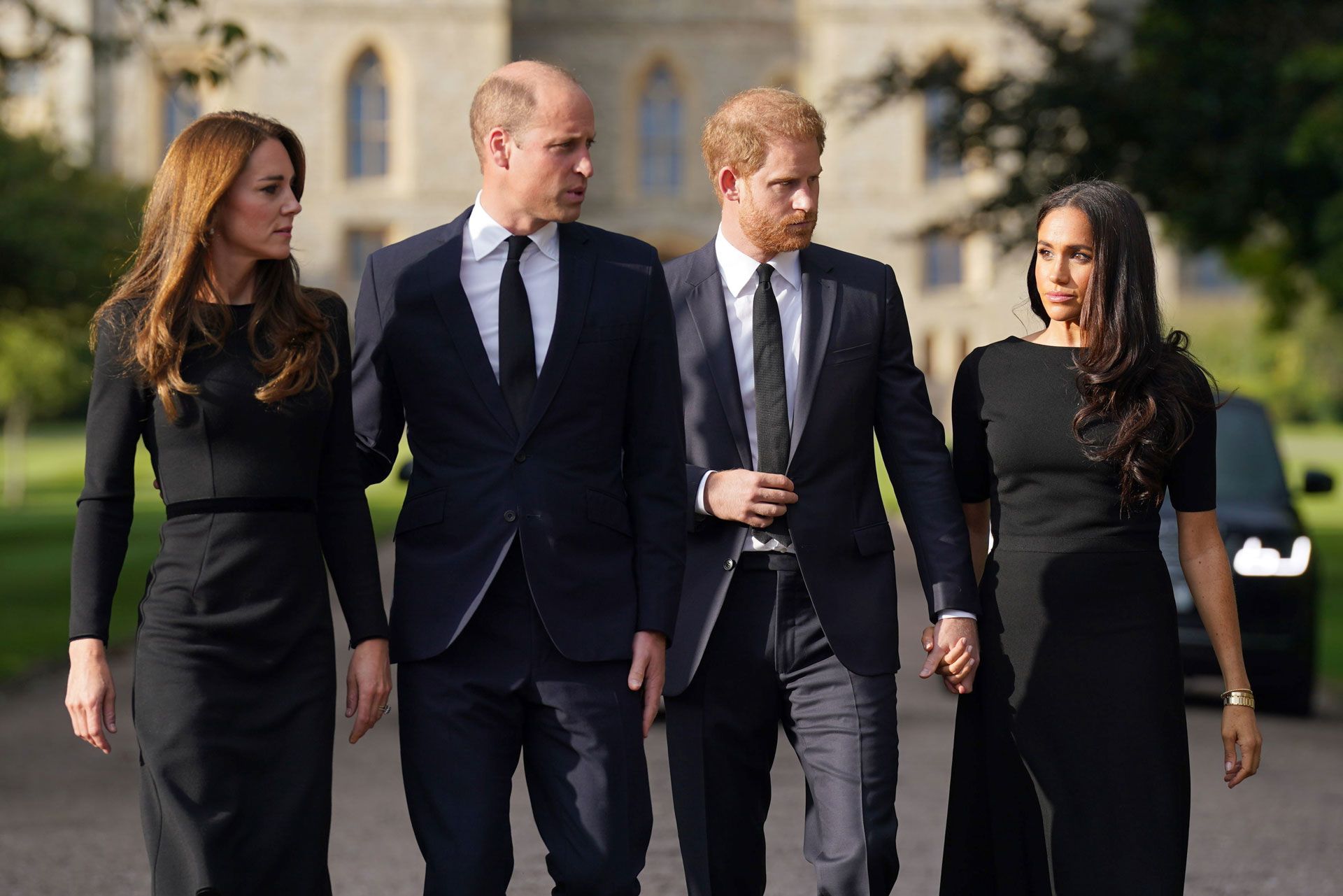
The shadow of his parents’ divorce has always chased William. You write that “the young prince has navigated love and turmoil in equal measure.” But I am curious, to what extent was the marriage of Queen Elizabeth II and Philip – together for more than 70 years – a model?
He respected his grandparents a great deal – you see plenty of examples of that through the book. But in terms of their relationship, what the Queen and Philip had was a partnership. While William and Catherine have definitely followed in suit, it has not been easy at all times. The example of the Queen and Philip is that the Queen was the head of the monarchy and Philip was the head of the family and they merged that. In terms of William and Catherine, I think, they do things uniquely in that they are parents first, and worry about the job second. It’s different, but they are very much a team.
I didn’t realize Kate’s grandmother worked at Bletchley Park during the war as a code-breaker! You paint an intriguing picture of her upbringing and family background. But I was also struck by the three overseas experiences Catherine had, all as a young person – living in Jordan, Chile and Florence. How do you think those experiences shaped her?
The role of a future queen is obviously an international role – you have the Commonwealth nations and a huge affection for the Royal Family around the world. And from a very young age, Catherine had an international outlook. I mean, when her family moved to the Middle East in the ’80s, Jordan was certainly not the cosmopolitan and diverse place it is today. We all see what happens when the monarchy becomes too insular, so this is an asset.
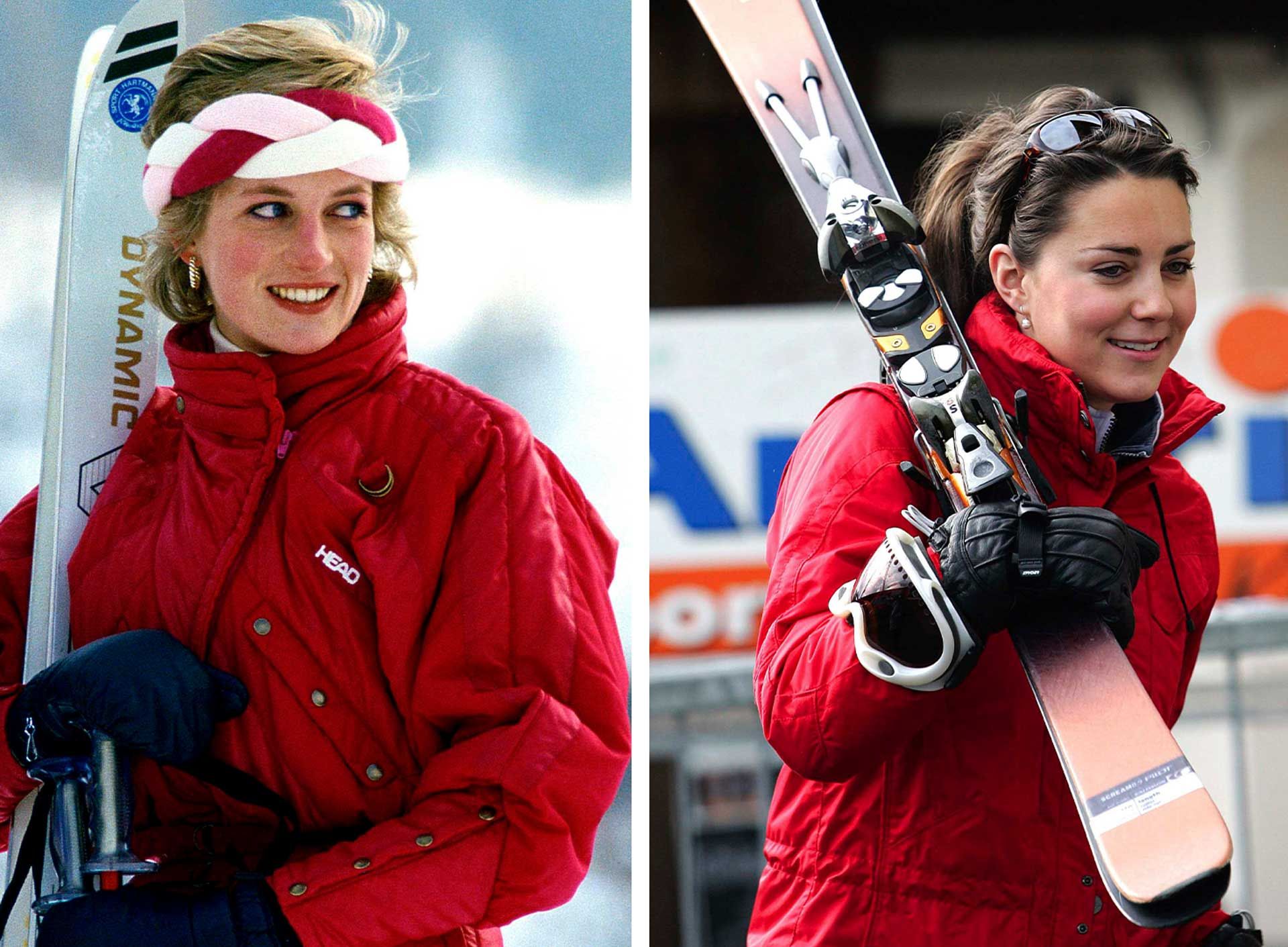
As a royal watcher, I have very sharp memories of the “waity Katie” period in the aughts, when Kate was in that nebulous “girlfriend” territory. As you write, she was in a holding pattern. We almost forget the extent of the circus around her then. Did you have any new revelations or thoughts looking back at that time?
What was interesting was Clarence House was acting as an unofficial operative in all of that because William was so concerned about her. He was very forthright in his views that he wanted this woman, who was important to him, to be advised – and that has just never been the way “The Firm” operated in the past. You had to be engaged or married. William, though, knew the extent of the media interest in his life, and he wanted to protect her as much as possible. Of course, it didn’t really work out then, because she was criticized for not having a job, but there was this circus everywhere she went at the same time.
You write that when she eventually delivered an ultimatum to William, that “those who know Catherine well point to that exchange as a seminal moment in both her and William’s lives.” And that it was an example of the steely resolve we see now. I do, though, find it interesting that during their “break,” the two of them were speaking to each other through the press – their respective nights on the town a kind of signal-sending, which is very reminiscent of the Diana and Charles dynamic back in the day.
Yes, exactly. That’s probably why the breakup was as short as it was. William probably realized that their relationship playing out in the press was not healthy for either of them.
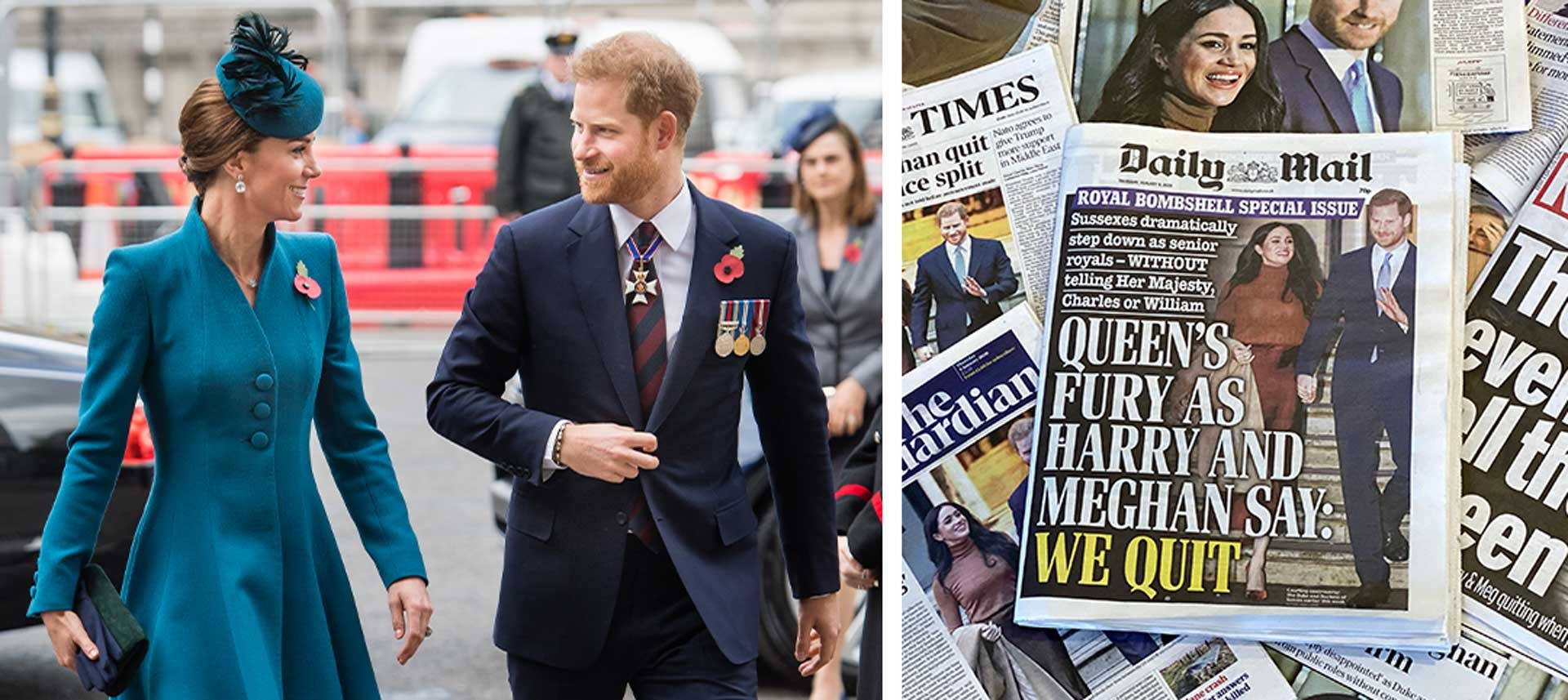
You do a great play-by-play of their wedding and the extraordinary fervor in the lead-up to it. There, you remind us that in Harry’s official best man speech at the post-reception, he called Catherine the “sister I never had.” How remarkable from our lens now? Can you tell us a little more about the relationship between Harry and her, specifically?
It was incredibly close! She really enjoyed his humour and spending time with him. And Harry absolutely adored her. I do think what is interesting, that I discovered in writing the book, is that Catherine did not believe that Harry leaving was out of the blue. She saw how the brothers’ relationship had deteriorated over the years, despite trying to be a unifying force. The whole “blood is thicker than water” thing. But when Harry made his decision, it was her view that there was no standing in his way. That it was inevitable.
Your book also reveals that William was a driving force in the move to change the legislation around primogeniture [the line of succession automatically going to the first male heir]. That, in the lead-up to his wedding with Catherine, he had raised the issue with his grandmother, saying that if they were to have a daughter first, he believed that she should maintain the right to become Queen. Tell me more.
There is a looking ahead element to that. And this idea that William very much did not want his children to grow up in the environment that earlier royals did. He’s a modern man.
Returning to his relationship with Harry, you can feel the deep freeze in the photos of the brothers together when they reunited to unveil a statue of their mother at Kensington Palace [a year after Harry left the fold]. Even though they’ve been in the same place a few times since then, it really does seem the relationship is terminal.
It really does! It certainly is not any better than the worst it has been. I think William and Catherine have just moved on in another direction – keeping one eye on the future of the monarchy, while protecting their children at all costs.
A “slimmed-down monarchy” has been a buzzword for some time, but what is the danger of “slimmed down” becoming “barely there”?
It is an issue because the majority of working royals at the moment are over the age of 75. When the King passes away, you only have one family. There is an opportunity to bring in the sub-bench – the Duke and Duchess of Edinburgh [Edward and Sophie] will have to step up, for example.
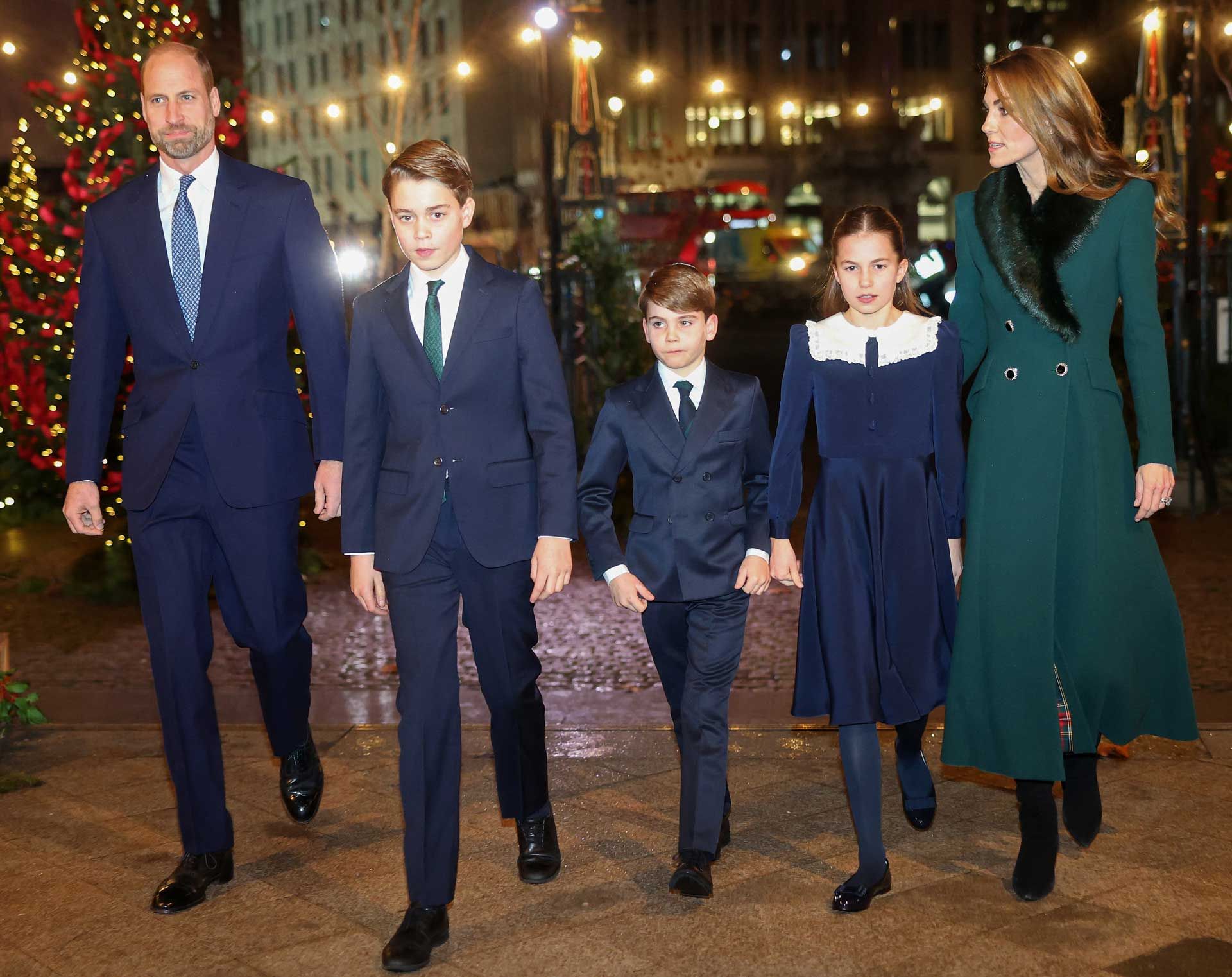
And of the next gen? George? Charlotte? Louis?
I think the days of the “heir and spare” are very different. William and Harry were both scarred from all of that. This family unit seems very different. And Charlotte and Louis may not even end up having royal roles.
Optically, The Firm may look more and more like some of the smaller Scandinavian monarchies.
Yes, there is certainly one view of it being more European, as an institution – having less of the pomp and pageantry. Although, you do need some of that. That’s part of the magic. King William’s era will mark a huge moment of change and be the final goodbye to the late Queen, and her era. Charles is incredibly passionate, but because of his age, he is almost an extension of her era.