BODY
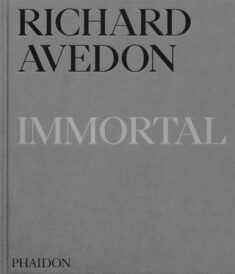
Richard Avedon Immortal: Portraits of Aging, 1951 – 2004
Published to accompany the acclaimed recent exhibition at the I

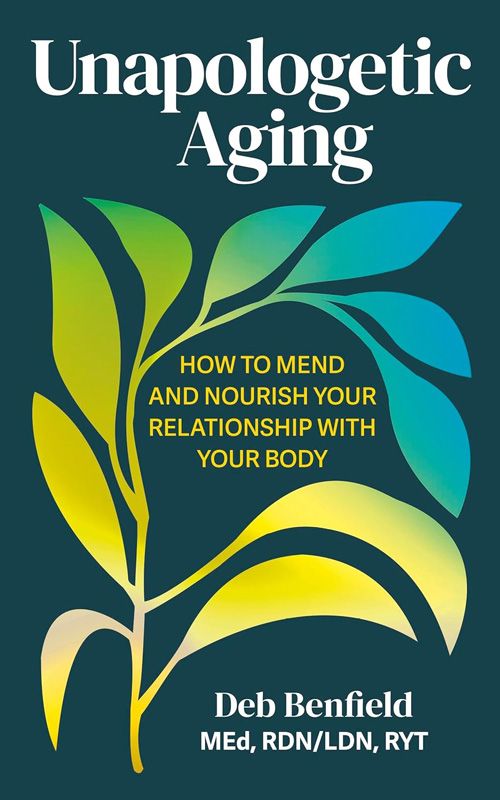
Unapologetic Aging: How to Mend and Nourish Your Relationship with Your Body
by Debra Benfield
Women over 40 are bombarded with the message that they don’t meet the standards of looks and size if they don’t turn to anti-aging solutions, and they’re met with reproach during menopause and what comes after. But as author Debra Benfield writes, “Your body is your life partner, not your life’s project.” The nutritionist wrote her new book when she turned 60 and found only disempowering narratives embedded in the same old toxic diet, wellness and ageist culture. It’s a realistic alternative self-image guide ,and it makes a good companion with disability advocate and recovery expert Jayne Mattingly’s This Is Body Grief, a guide to living, trusting and making peace with one’s ever-changing shell.
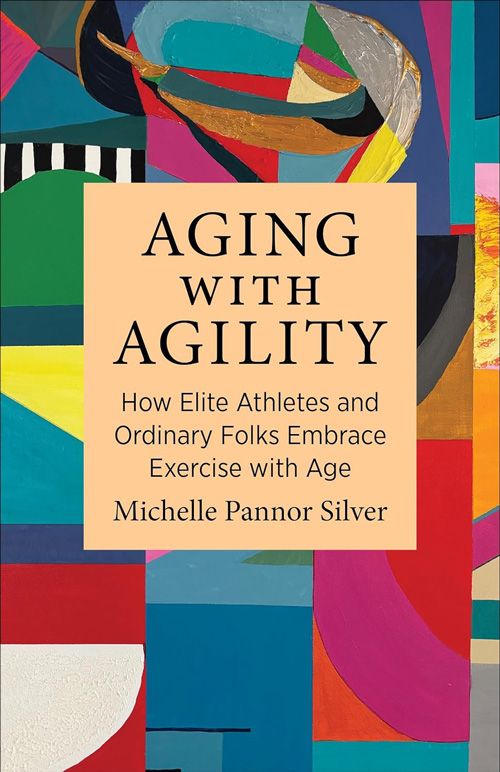
Aging with Agility: How Elite Athletes and Ordinary Folks Embrace Exercise with Age
by Michelle Pannor Silver
Frailty is a real issue for older people and it can arrive seemingly overnight. Dr. Silver, a professor in the department of health and society at the University of Toronto, tracks individuals in the world of sports over the course of a decade to understand how they process and adapt from intense fitness schedules to normal life, and how the exercise and fitness changes affect the body. It’s a scholarly rather than prescriptive approach that shifts thinking about what aging bodies are capable of, and promises to shed light into the habits and routines “that everyone can adopt to improve their wellbeing as they age, no matter their life circumstances.”
MIND
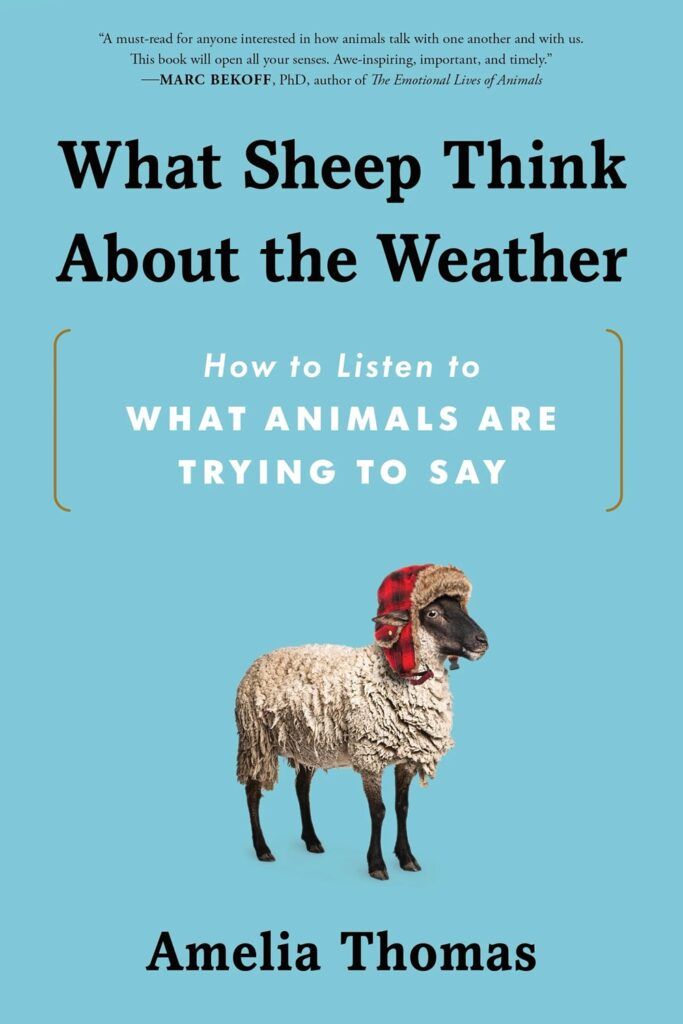
What Sheep Think About the Weather: How to Listen to What Animals Are Trying to Say
by Amelia Thomas
As the world becomes increasingly noisy, learning (and re-learning) to pay attention pays dividends. There are endless ways of looking outward and focusing our attention spans – but this book suggests we take notice of animals. Thomas consults widely – animal behaviourists, anthro-zoologists and AI experts, as well as Indigenous trackers, animal trainers and pet psychics – in an effort to deepen our relationship to nature, farm animals and ourselves through connection.
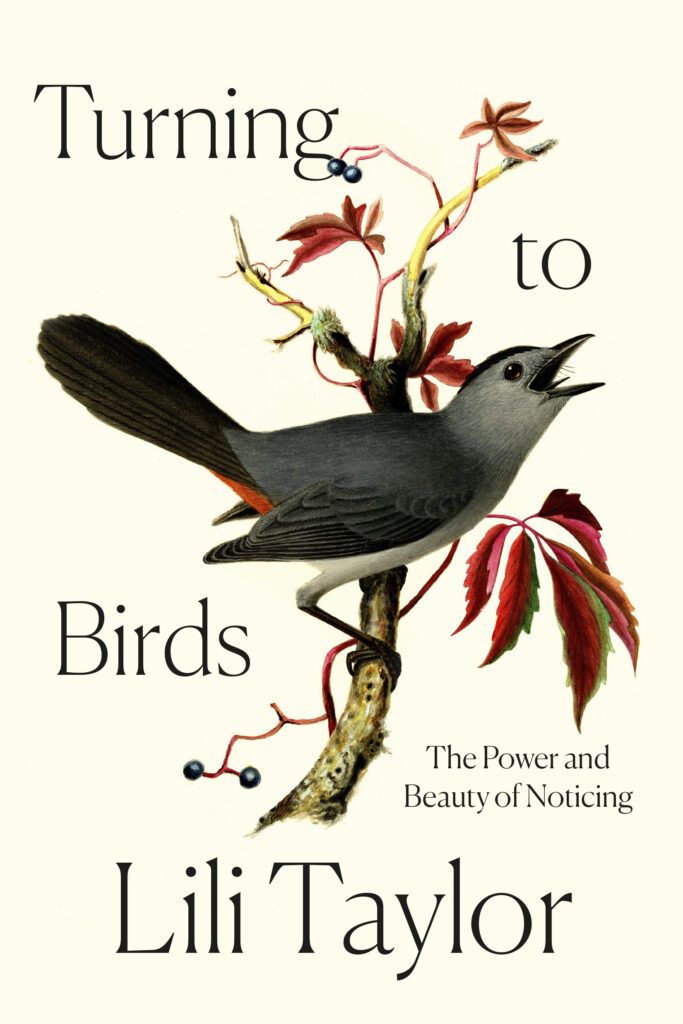
Turning to Birds: The Power and Beauty of Noticing
by Lili Taylor
This memoir-in-essays by actor Lili Taylor (Say Anything, I Shot Andy Warhol) about falling in love with the avian world serves a wider purpose. The 12 chapters trace her journey from enthusiastic amateur to avid birder (and a director of the National Audubon Society board for a decade) – all the while encouraging mindfulness and inviting readers to be present and fully engaged with the world around them. She recognizes parallels between birding and acting: both require core skills of “listening, attention and investigation.”
SPIRIT
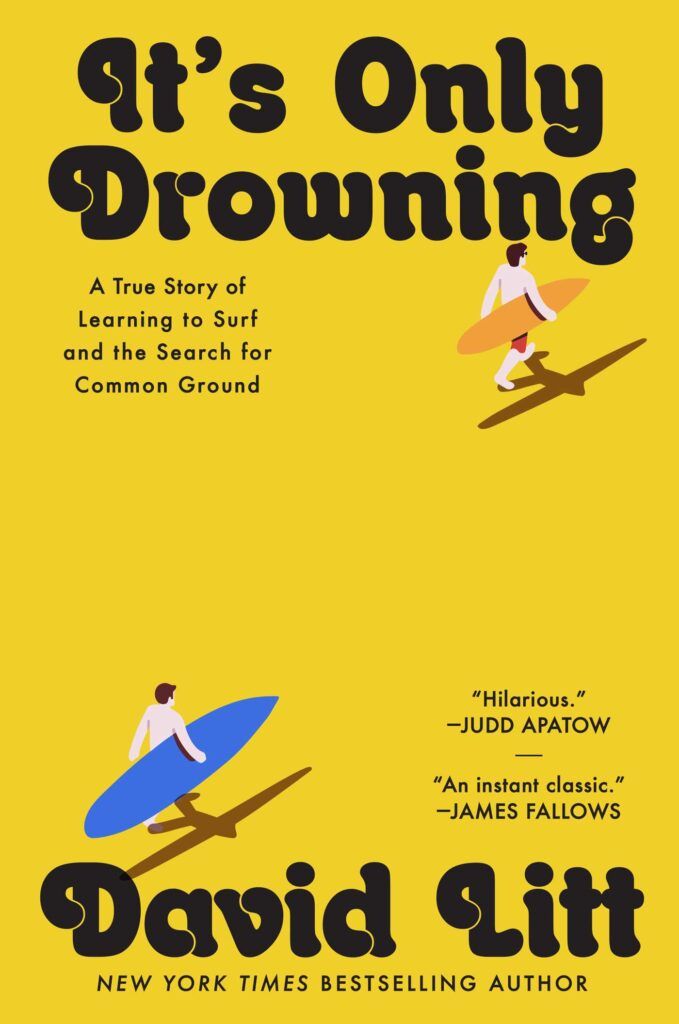
It’s Only Drowning: A True Story of Learning to Surf and the Pursuit of Common Ground
by David Litt
On the surface, former senior Obama speechwriter David Litt wrote this memoir about learning to surf under the tutelage of his brother-in-law Matt, a Joe Rogan superfan. (And yes: when he gets on the board, there’s great and hilarious misadventures about the art – and a steep failure curve – of learning a new skill.) Once described as “the comic muse for the president” for his work on the White House Correspondents’ Dinner monologues, Litt offers an entertaining reflection on the merits of being adventurous that is also an honest take on forging bonds with political opposites on neutral ground – or calm waters, as the case may be.
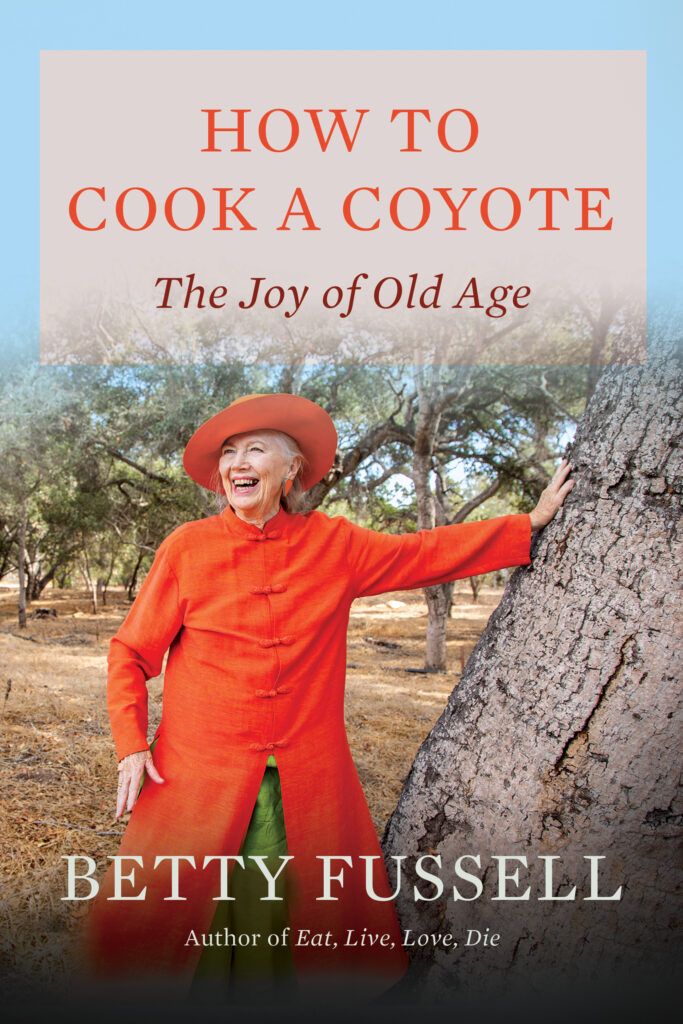
How to Cook a Coyote: The Joy of Old Age
by Betty Fussell
For years, I hoped Fussell (My Kitchen Wars) would write another memoir. And at 98, the trailblazer in the American food movement finally has. Now near blind and living in a Santa Barbara retirement home, the essays are about hunger, as she puts it: “for more – more food, more friends, more love, more life. Most important,” she writes, “more time.” Wry musings about daily life (both its pleasures and indignities), death-ending decades-long friendships and physical frailty gradually add up to a meditation on mortality. Whatever one’s stage or age, this is a read that shakes off the doldrums. Just take Fullsell’s epigraph, which she borrows from Nobel laureate playwright and poet Derek Walcott: Feast on your life.
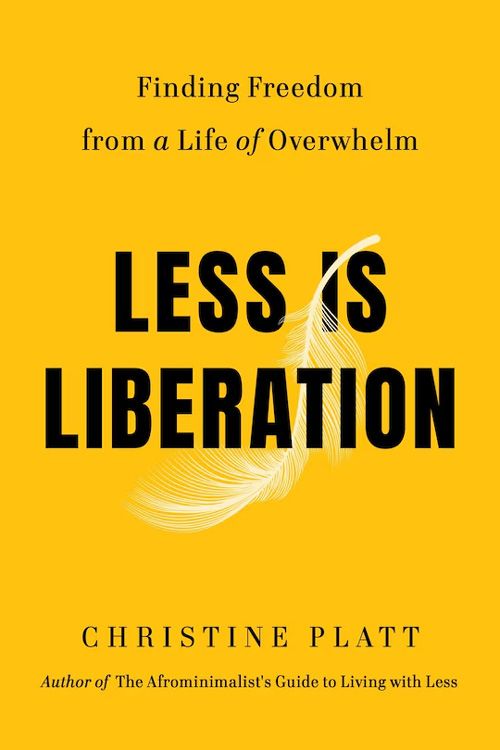
Less is Liberation: Finding Freedom from a Life of Overwhelm
by Christina Platt
Before making any rash, ambitious decluttering commitments for January, might I suggest this helpful handbook? The policy reform and social change advocate follows up on her first book, The Afrominimalist’s Guide To Living with Less, with this invitation to pause and declutter not from physical stuff, but from all the other stuff – obligations, relationships and possessions – that weigh life down. There are actionable ways of identifying and protecting one’s capacity (physical, mental, emotional, social and spiritual) and in her view, embracing that less is the beginning of freedom.
BOOKSHELVES
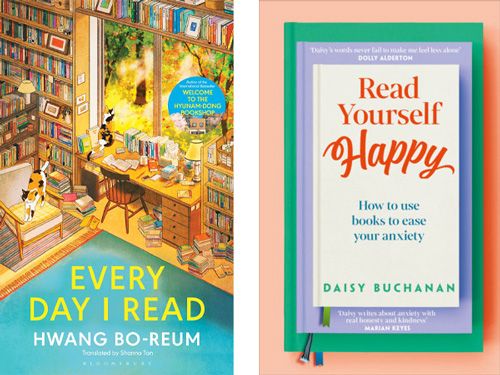
Every Day I Read: 53 Ways to Get Closer to Books
by Hwang Bo-Reum
Read Yourself Happy: How to Use Books to Ease Your Anxiety
by Daisy Buchanan
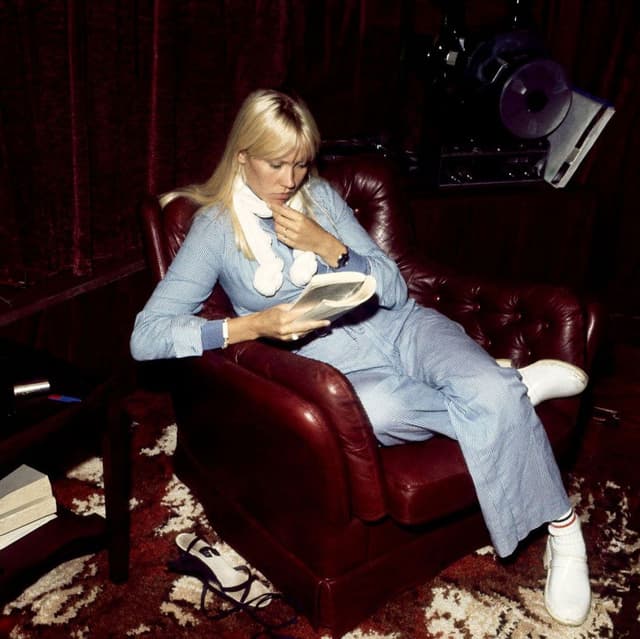
“When I’m feeling a little down, or when I’m trying to understand something, whether it’s about the bigger world out there, everyday life, about myself, or you,” Hwang Bo-Reum writes in her new book, “I turn to my shelves.” I wouldn’t be a literary columnist without using this as an excuse for the ultimate edification: picking up books about books. With streaming, social media, YouTube, gaming and breaking news all competing for our attention, making a meaningful dent in the TBR pile is a constant struggle. In Every Day I Read, South Korean writer Bo-Reum’s 53 bite-sized tidbits celebrate bibliophilia and offer tutorials on how to read more and better, explains the universal love of reading and invites introspection about the role of art in one’s life. “Books may not give me answers, but they nudge me towards the right direction,” she writes, while also explaining how to shake up one’s routine (or reading rut!) by reading small books or techniques – as voracious readers know, always have a book with you in order to steal pockets of reading time. Plus, she offers up a theory on when to abandon a book that doesn’t click, and even suggests the best night lights for reading in bed.
British columnist (and You’re Booked podcast host) Daisy Buchanan’s Read Yourself Happy is more prescriptive, taking direct aim at anxiety in all its forms with strategic tips in every chapter accompanied by specific title recommendations (Maya Angelou’s poem Life Doesn’t Frighten Me illustrated with Jean-Michel Basquiat art as a children’s book, for instance, or Barbara TK 1950 gem Our Spoons Came from Woolworths about trying to sustain hope, for weeping and commiserative grief.) To these, I’d personally add two: The Correspondent, Virginia Evans’s epistolary debut and the surprise hit of the year about a cranky retired 73-year-old lawyer who’s embattled with everyone from family to garden club friends. And Allen Levi’s beguiling Theo of Golden, a beautiful story of an elderly man who moves to Golden, Georgia, from New York, buys a local artist’s portraits one by one and sets about meeting the people depicted in each to make them a gift of the art. You will laugh, cry, find sadness and inspiration and be glad for books like these.