You’ve already heard this year’s main influenza strain packs a huge punch, and if it hasn’t reached your household, you can take it from us – it’s a nasty one. Cases are surging across the country; the Public Health Agency of Canada has consistently reported week-over-week jumps in cases, with the 65-plus set and kids under four accounting for most flu-related hospital admissions.
Why is it so bad this year? There are a handful of reasons. Experts cite an earlier-than-usual start to flu season, there’s more than one strain making the rounds (H3N2 is the current predominant strain, and it’s seemingly more infections and intense than usual), this year’s vaccine isn’t a great match for H3N2, and only about 20 percent of those eligible have been vaccinated against the bug. (PSA: Just because this year’s vaccine doesn’t perfectly match the main strain doesn’t mean you should skip your shot. In Canada, the vaccine is always recommended for seniors, people with chronic health conditions and caregivers, among other groups.)
The flu shot, while vital, isn’t the only way to protect yourself and your immune system. Getting enough sleep, being active, staying hydrated, managing stress, practicing good hygiene (handwashing reigns supreme) and maintaining a balanced diet supports your body’s defenses. The latter has been studied for ages – we know fruit and veggies are tops, as are foods rich in vitamins (B6, C, D, E) and antioxidants. “In general, a good diet is important when it comes to maintaining a functional immune system. No single food or nutrient will prevent illness – it’s a complex system influenced by a variety of factors including sleep, age, stress and medical conditions – but a healthy diet and lifestyle will help aid your immune system in working most efficiently,” says Kristy Hodgins, a registered dietitian in Kelowna, B.C. “A diet varied and rich in fruit, vegetables, whole grains, lean proteins and healthy fats is the best recipe to support your immune system.” A nutrient-rich diet also “helps regulate inflammation and maintain gut health, which are both closely linked to immune function,” says Jenna Zaika, a registered dietitian in London, Ont.
Immunity Boosters
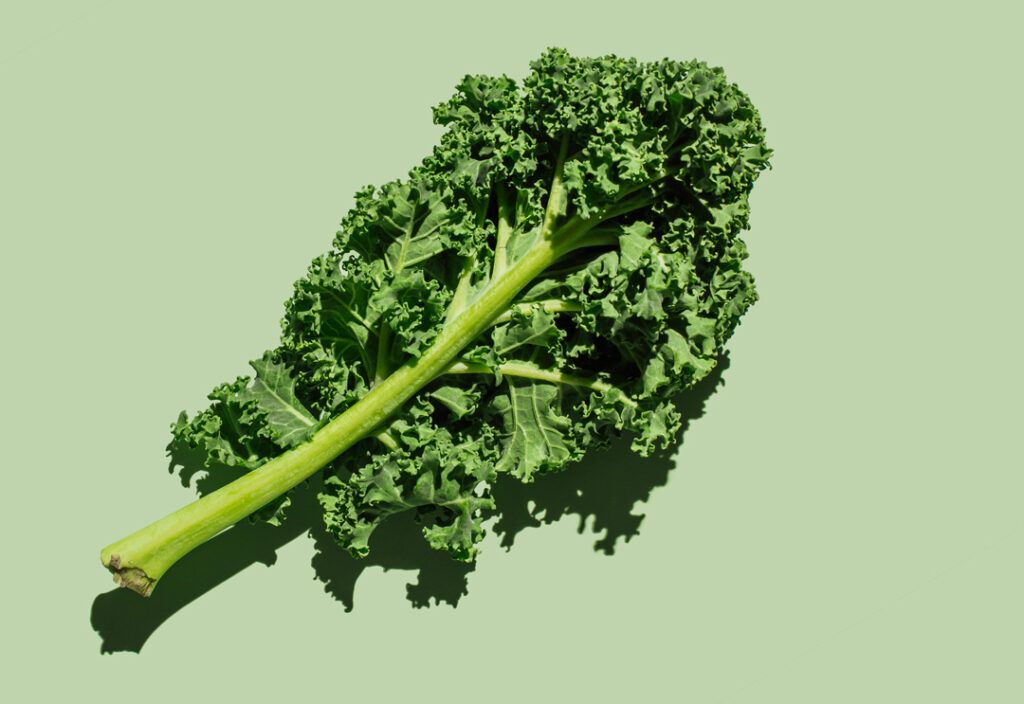
Most of us think of the usual staples when it comes to immunity boosters – fruits and vegetables full of vitamin C, leafy greens and garlic – but these aren’t the only ones to add to your list. When it comes to overall health, Hodgins’s best advice is to take small steps that accumulate to make a big change. “So instead of focusing on increasing vitamin C during flu and cold season, focus on meeting your vitamin C needs year-round by including oranges, grapefruits, kiwi, red bell peppers, tomatoes and leafy greens into your diet,” she says. “Ensure you’re focusing on adequate hydration with fluids such as water, broth and tea – this can help thin mucus to ease congestion, lubricate the nasal passages, prevent dehydration from fever and soothe a sore throat.”
Still, there’s something to be said for including more of the lesser-known, evidence-based foods to your diet this time of year to give that extra boost to your immune health. Here are five you can add today.
Fermented Foods
Think yogurt, kefir, kimchi, fermented veggies and sauerkraut. Fermented foods strengthen the gut microbiome, it’s good for the digestive tract and it strengthens the walls of the intestines. “These foods support gut microbiota, which play an important role in immune signalling and regulation,” says Zaika. A study published in the journal Cell conducted by researchers at the Stanford School of Medicine found a 10-week diet rich in fermented foods decreases signs of inflammation, boosts microbiome diversity and improves immune responses.
Pumpkin Seeds
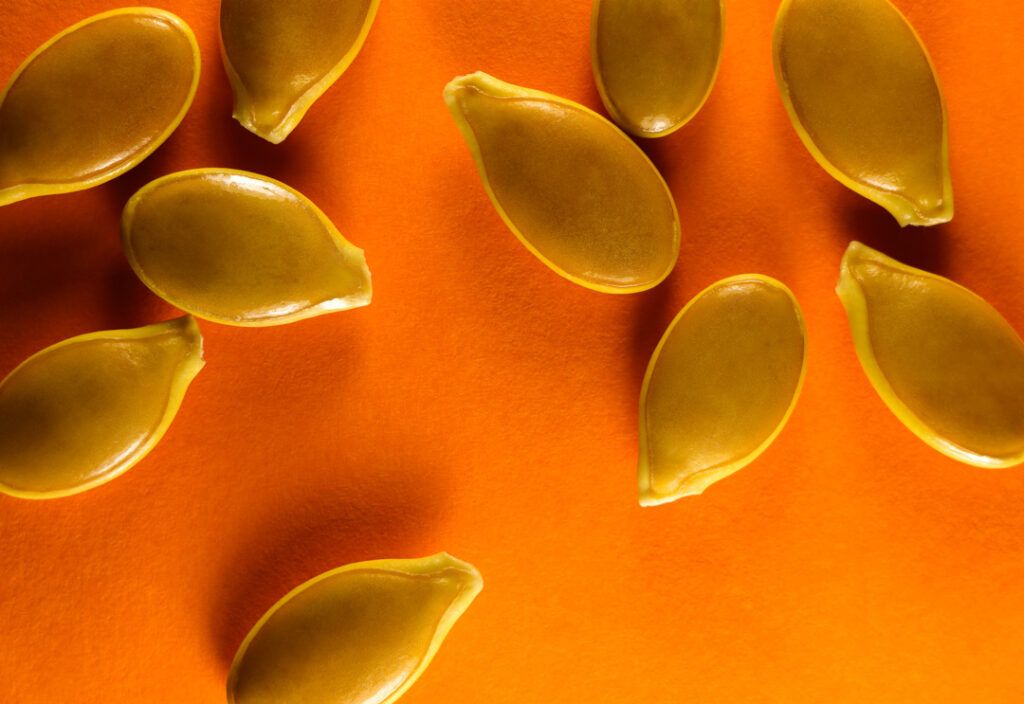
“These are a good source of zinc, which is a mineral essential for normal immune cell development and function,” Zaika says. Besides zinc, these seeds are full of antioxidants, vitamins A, C and E (which all play a valuable role in helping to fight infections, bacteria and viruses), as well as magnesium, which can help us get a better night’s rest and give our immune systems time to produce more infection-fighting cells and proteins like cytokines.
Oats
“These provide soluble fibre and beta-glucans (a substance found in plants, bacteria and some foods that stimulate the immune system) that support gut health,” Zaika says. “Since much of the immune system is connected to the gut, maintaining gut health plays a role in overall immune function. Oats are also easy to digest and practical when appetite is low. As a bonus, they can help improve cholesterol.” They have also been associated with anti-inflammatory and antioxidant responses.
Fatty Fish
Here’s where your salmon and sardines come in. We’ve long known fish that have high levels of omega 3 fatty acids are good for your heart and brain, but they can also really help your immune system. Not only do they increase activity among white blood cells (which help to fight infection), but research published in the journal Molecular Nutrition & Food Research last year found omega 3 fatty acids reduce chronic inflammation and influences cell membrane fluidity, enhancing the immune system’s ability to respond to infections quickly and effectively.
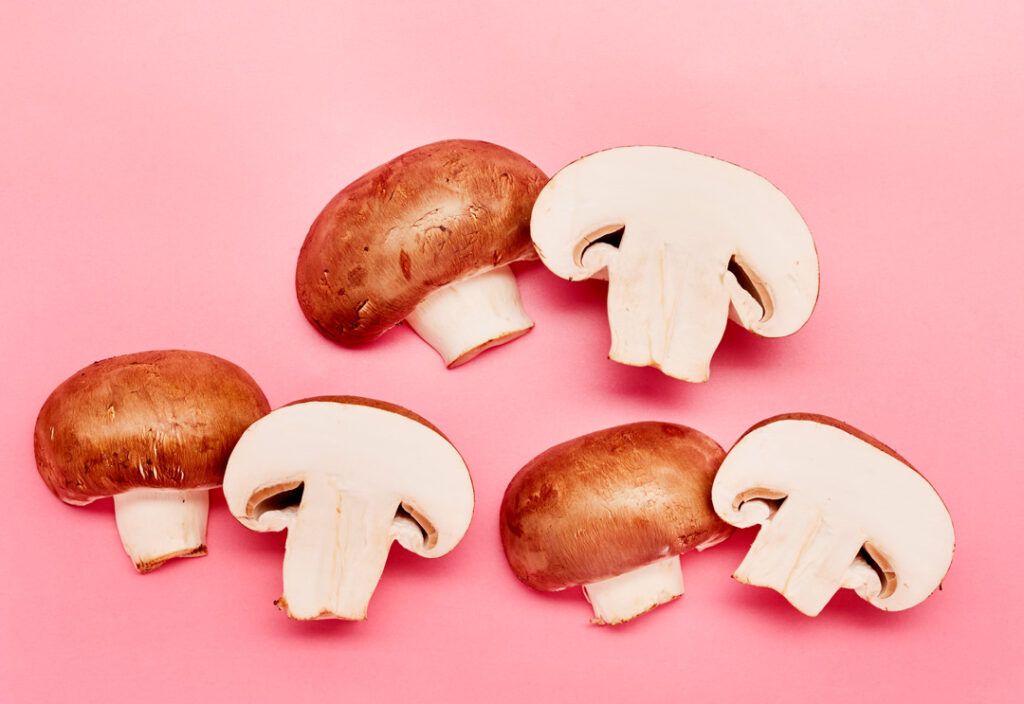
Mushrooms
These also contain beta-glucans, as well as vitamin D, B vitamins and selenium, which support cell growth, antioxidant production and immune function. There’s also research from scientists at McGill University’s Faculty of Medicine and Health Sciences in Montreal that shows the beta-glucan found in all in fungi significantly enhances flu survival rates when tested on mice. Mushrooms that have the most beta-glucans include the shiitake, turkey tail and oyster varieties.
Zoomer Rx
“‘Superfoods’ is largely a marketing term, and when it comes to supporting the immune system, it’s much more important to focus on your nutrition as a whole versus single ingredients,” says Hodgins. That said, experts agree it doesn’t hurt to increase your intake of foods high in immune-boosting foods and reduce intake of foods high in sugars, greasy or spicy foods, ultra-processed items and alcohol when we feel a cold or flu coming on. And while you’re at it, don’t discount good-old chicken soup. “Adequate hydration is one of the most important yet overlooked aspects of supporting the body during illness, especially for older adults who are more prone to hydration,” says Zaika. “Chicken soup provides fluids, electrolytes and protein, and the warmth may help relieve congestion. Plus, it’s comforting, which can be an added mood booster when you’re unwell.”