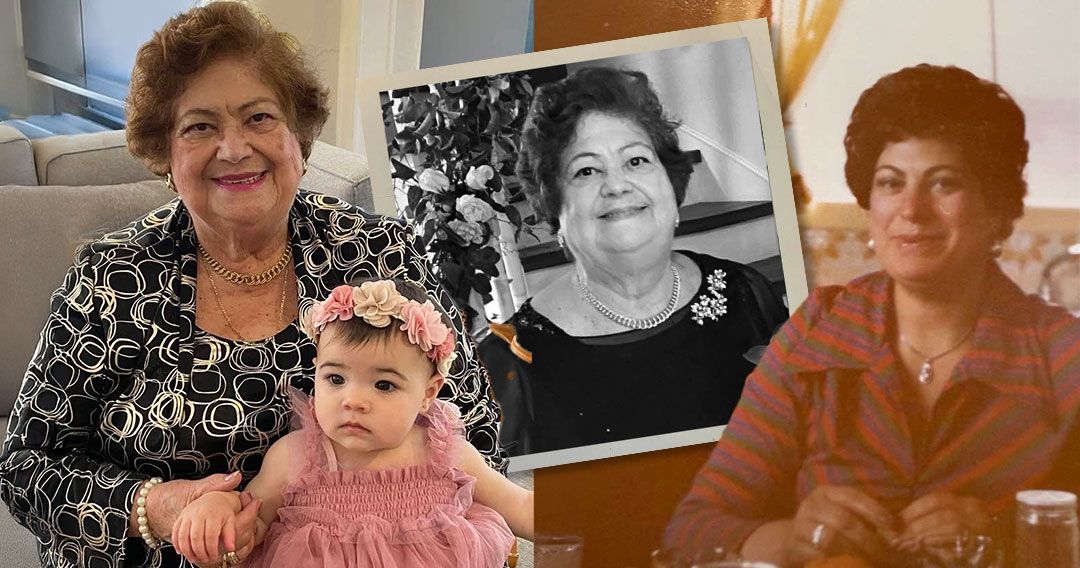
At 59 years old, I decided to go back to school to study journalism, something I’d thought about my entire life. I was still working part-time as a freelance hair and makeup artist, but life felt exciting again, and I was moving in a new direction.
Then, almost without warning, I was forced to shift my focus.
I didn’t realize it at the time, but I was stepping into the difficult, unfamiliar role of caring for an aging parent, something many of us will eventually face. What followed was a crash course in navigating the health care and long-term care systems: from hospital stays and Alternative Level of Care units, to waitlists and bed offers, and difficult decisions.
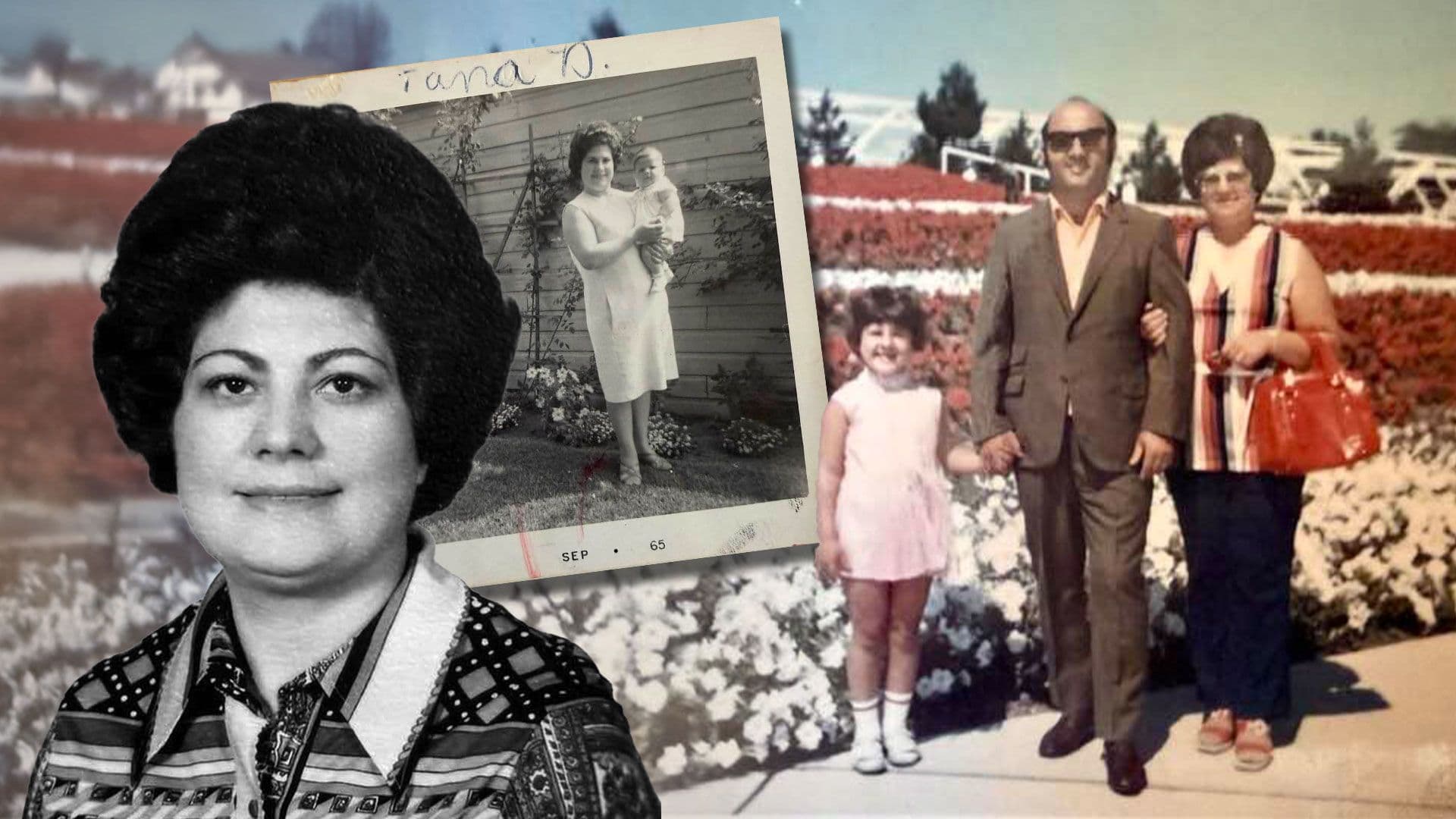
My mother, Josie, an outgoing 86-year-old, started receiving support from Toronto Health at Home after receiving double knee replacements. As her health declined due to mini strokes, mental health challenges and worsening balance that increased her risk of falls, I grew concerned. Private care wasn’t an option for us, and I’d heard long-term care waitlists were lengthy.
As a safeguard, I urged her case manager (assigned to her when she had the knee surgery) to place my mom on a list. I arranged an assessment to ensure that she understood that she would be on a waitlist, but could refuse a home if offered one. Her case manager explained that if someone on a waitlist declines a bed offer from a home, their name is removed from all waitlists, and they must wait 12 weeks before submitting a new application. Typically, applicants have only 24 hours to accept or decline an offer, which can make decisions feel sudden and stressful.
Refusing a home while in hospital or in an Alternative Level of Care (ALC) unit (for those who no longer need acute hospital care), however, works differently and could result in a fee being charged. Once my mother agreed, we were told we could select up to five homes. We chose the ones we were familiar with – three that catered to Italians – reflecting my mom’s immigrant background.

Years passed without a word from the waitlist, which was fine by us. This was always a “just in case” measure. I’d never truly imagined either of my parents not living in their own home, and I didn’t want to. But 911 calls to deal with my mother’s falls, abdominal issues and worsening shortness of breath grew more frequent. And then, everything changed.
During an earlier emergency room visit for a separate issue, doctors found nodules on my mother’s lungs and suspected cancer. My mother had never smoked. Until then, her health problems had been small and manageable. And now this! In the process of dealing with my mother’s multiple health issues, my brother and I approached our parents to ask for Power of Attorney over both personal and financial matters. At their stage of life, with major decisions suddenly coming in quick succession, they almost seemed relieved, my father especially, who was 91.
After her hospitalization for cancer, my mother was moved to a rehabilitation facility. Around this transition, her dementia was just beginning to appear and her balance worsened, requiring a walker. Her decision-making skills were also starting to falter. A doctor told me something I’ll never forget: “Your mother shouldn’t go home. She needs care, it’s too much for you and your family.” Anyone caring for an aging parent will understand how validating that felt – it was as if an angel had intervened. My mother was sick, though she often didn’t appear so to the casual observer, who mostly noticed her jovial nature. But the doctor knew, and so did we.
Following rehabilitation, she was sent to a Palliative Care unit. She scored 40 to 50 percent on the Palliative Performance Scale (PPS), which tracks a patient’s performance and guides care planning, most people admitted to these units score between 10 to 30 percent. Some questioned why she was there, given that she appeared happy and healthy compared to others. It made me feel guilty. But those people hadn’t lived through all the 911 calls, nor seen her persistent cough and shortness of breath.
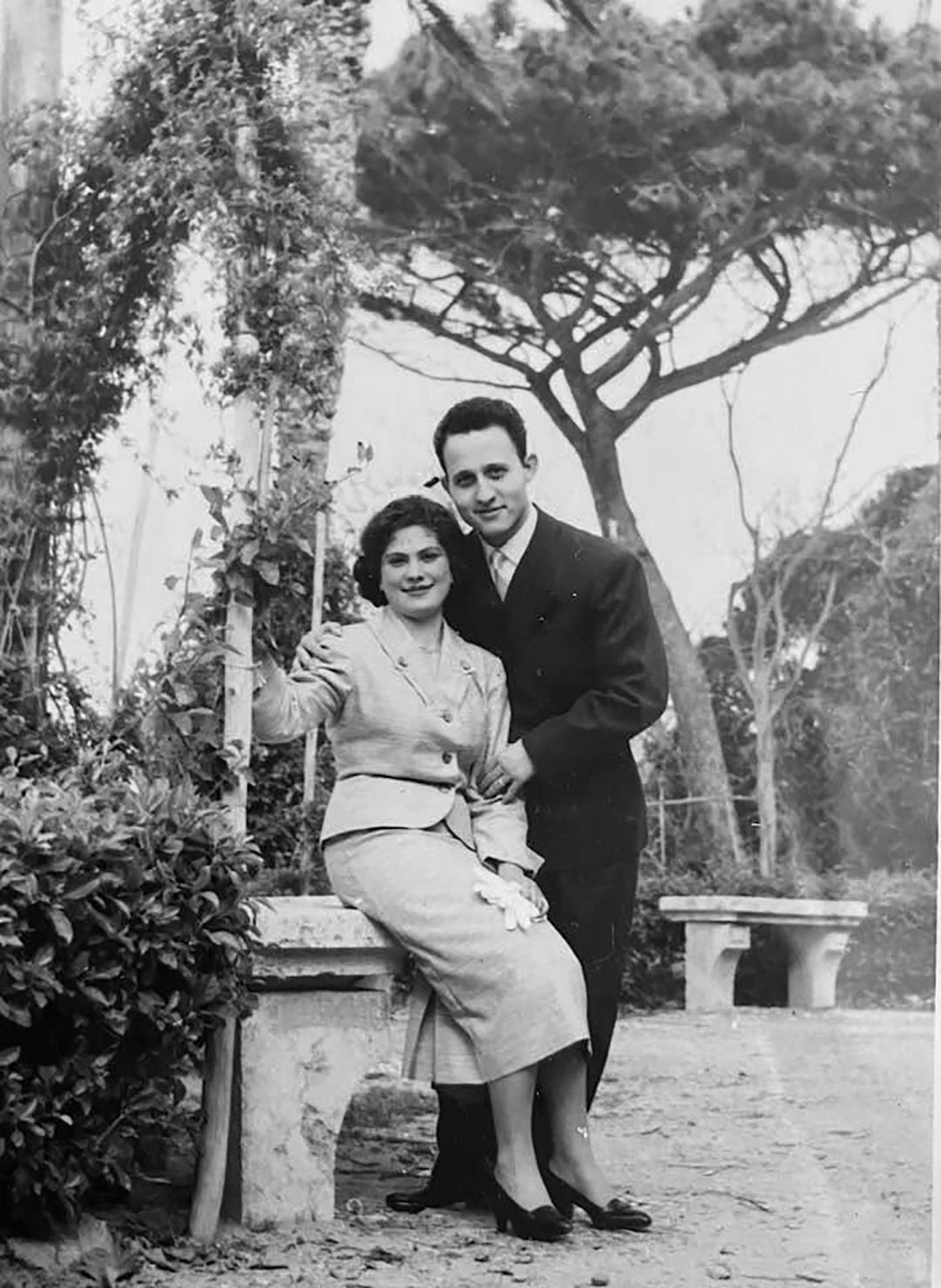
After nearly three months in palliative, the doctor said that, because her illness wasn’t progressing quickly, she should be moved to the ALC unit. That was a major readjustment – for her and for us. The first few weeks on the new unit were filled with sleepless nights and worry. Every move to a new setting seemed to temporarily worsen my mother’s dementia. It all felt unfair. Yet I knew – this was life taking its course.
From ALC, patients can return home with publicly funded home care, a path that was suggested for my mom. To free up beds, hospitals aim to discharge patients as quickly as possible, sometimes before they’re ready to go home. In our case, their urgency seemed to shape their recommendation. I knew from experience that the support they would offer would not be viable. Home care is limited and scheduled in ways that don’t align with the around-the-clock needs of someone in my mom’s condition. It also doesn’t always account for the physical realities many seniors face, like managing stairs just to let caregivers in and out. Home care feels like a system that overpromises and underdelivers. A long-term care (LTC) facility was the only realistic step. It’s in these moments that the caregiver must advocate, or end up absorbing the consequences in the form of repeated crises and exhaustion.
If you haven’t yet reached the point where one of your parents needs this level of care and decision-making, brace yourselves, because their lives and yours are about to change very quickly. And it’s full-on.
“Experiencing this firsthand has shown me just how complex and exhausting it is to oversee the care of the seniors we love. It requires fighting for services, making difficult choices and personal sacrifices”
My mom’s story reflects a larger reality. Thousands of seniors and families are forced to navigate an unfamiliar system while managing their lives, worrying and often waiting in limbo. Canada’s aging population is placing increasing pressure on long-term care across the country. In Ontario, the challenge is especially acute. Toronto alone has over 477,000 seniors 65 and older, including approximately 216,500 aged 75-plus, yet LTC capacity has not kept up. Provincial funding increases are slow, beds are scarce and staffing shortages persist. Across Ontario, more than 48,000 people languish on long-term care waitlists, with a median wait of 165 days, though some wait far longer. The province has pledged new beds and updated standards, but demographics continue to outpace political timelines.
Toronto’s numbers are stark. As of May 2025, city-run LTC homes had more than 7,500 people waiting for just 2,600 beds, with 97% occupancy. Average waits for these homes hover around 250 days (about eight months) but medians hide extremes. At some homes, waitlists for basic rooms stretch into the hundreds.
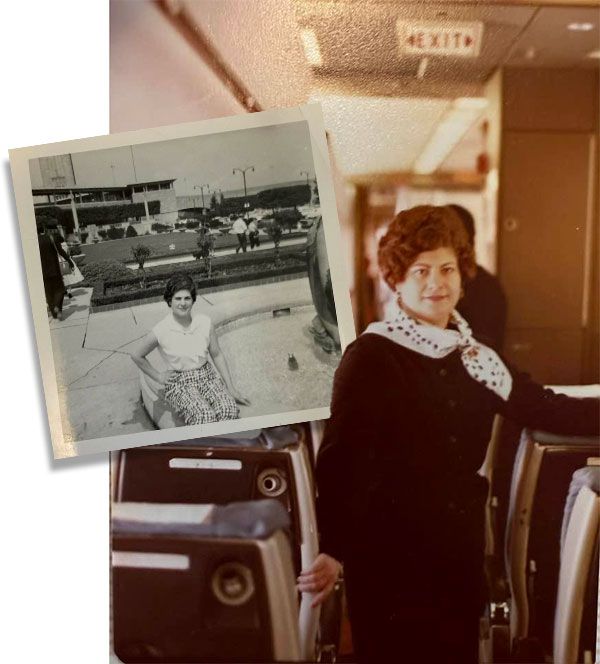
Meanwhile, “for-profit” homes serve both publicly funded and privately paying residents. They manage nearly half of Toronto’s LTC beds (about 6,900 of 15,222). Demand, however, is not evenly distributed. Homes offering culturally specific care, preferred locations or shared “basic” rooms tend to have the highest demand and the longest wait times.
And while you may already be in the system, the process does not get any simpler. Although we had applied for LTC while mom was still at home, once she was admitted to ALC, and because my brother and I insisted it wasn’t safe for her to go home, we were asked to restart the process for LTC, this time, with a caveat. You’re still asked to select up to five homes, but now you’re instructed to include at least one “short-waitlisted home.” Since the implementation of Premier Doug Ford’s More Beds, Better Care Act in 2022, ALC placement coordinators are required to do everything they can to free up beds. Hence, the strong nudge to add one short-waitlisted home.
Initially, I was upset and reluctant to choose any of the homes on the short-waitlist, which are often city-run and considered less desirable. Then, I got a tip from another patient’s daughter. I learned that cultural or religious preferences could justify avoiding certain homes. And so, because my mother’s dementia had meant she had largely reverted back to speaking Italian only, I requested an Italian-focused home, hoping to avoid the short-wait options.
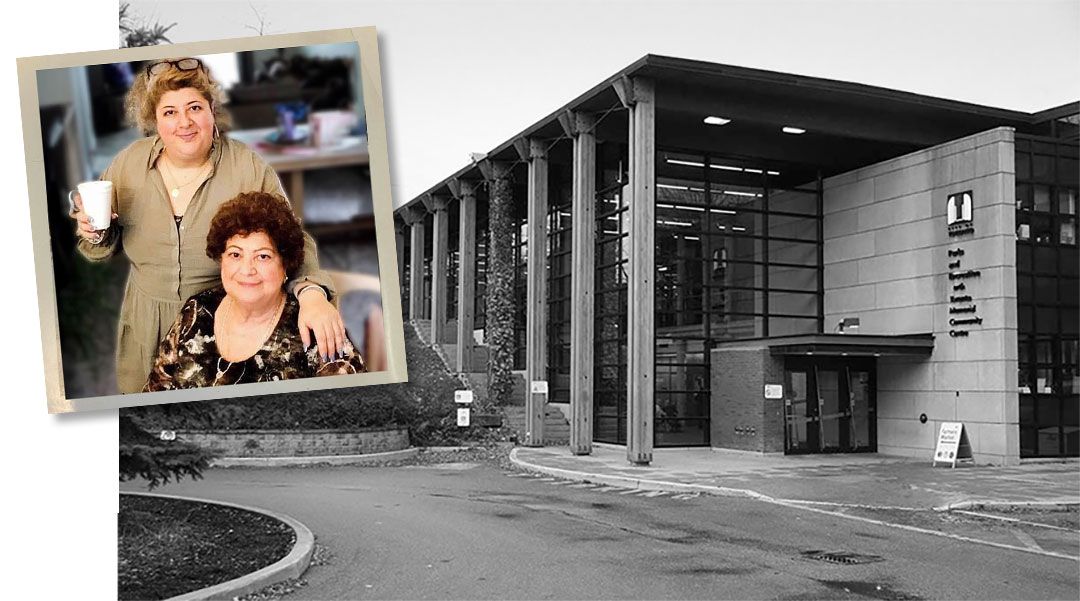
I was then presented with two Italian city-run homes. One was entirely too far, making frequent visits impossible. The one closer to home, I wanted to see for myself before adding it to the list. I didn’t call ahead, I just drove over. I was told that I needed to book a tour. Instead, I took a quick look around and could tell it was a newer facility and had lots of natural light, making it pleasant.
I also approached a couple leaving after a visit and asked for their thoughts on the place. They gave it high praise, noting that the staff was excellent, there was a strong Italian community and it offered regular mass, features that sounded perfect for my mother. I ultimately included that home on the list alongside four from my original selections.
About a month later, I received a call offering a space in the short-waitlist home. It was jarring. But I also had to accept the inevitable. By then, mom had spent 11 months moving between hospitals, palliative care and ALC.
Two things are worth noting. First, if a person is already on a LTC waitlist from home and is offered a placement while in hospital or ALC before completing a new list, their original application remains valid until the updated hospital-based list is finalized. Once a bed in LTC is offered, they are generally expected to accept it – as long as it’s considered appropriate. If you turn it down, you may be charged $400 per day for remaining in hospital or ALC. The updated list is intended, in part, to ensure that at least one option has a shorter expected wait time.
Second, people in hospitals or ALC who are on LTC waitlists are automatically deemed “crisis cases,” which moves them ahead of those waiting at home. I only fully understood this when I considered my aunt’s situation, whose day-to-day care I also help oversee. She is widowed, has no children, and is in poor health. She’s been on the LTC waitlist since early 2021. Over a year ago, I was told she was number six on the list for one of her chosen homes, yet she still has not been called. Thankfully, she has been able to afford private help to supplement the limited support she receives from the city, but her funds are nearly gone, leaving me scrambling to buy her more time.
It wasn’t until I witnessed my mother’s experience that I realized why people waiting at home can be stuck indefinitely: those coming from hospitals and ALC as “crisis cases” are always prioritized, even when someone at home is high on the list.
Experiencing this firsthand has shown me just how complex and exhausting it is to oversee the care of the seniors we love. It requires fighting for services, making difficult choices and personal sacrifices. It’s emotionally and, at times, physically, draining. Nothing about the process is simple or straightforward, and nothing can prepare you for it. It can be overwhelming and has been, at times. But it has also, I believe, made me stronger.

If I could offer advice, and it may sound cliché, take things one day at a time and accept the season you are in. Advocate for your loved one at every turn, stay informed on their medications and needs, and visit potential long-term care homes to ensure you would feel comfortable with them living there. And though resources are not as ideal as they once were, be grateful, because not everyone has the same access.
Also, consider this: as one staff manager put it, “People don’t educate themselves on seniors issues until they are forced to deal with them, and then they complain.” His words serve as a reminder for anyone quick to criticize seniors health care, but who does not pay attention to which policies and which politicians they support at the voting booth. After all, almost everyone’s future will one day depend on those decisions.
For me, this is not theoretical, it’s personal.
In the North Toronto ALC facility where my mother landed and I visited her almost every day, the halls are mostly quiet. Off the elevator, you enter an atrium with large windows and an assortment of real plants – a mini oasis for those inclined to see it that way. Some residents no longer care to look out at the view, while others take in every bit of it.
It may not be the happiest place, but it holds a kind of value that is easy to miss if you’re not there. During the course of my complicated and often frustrating journey through long-term care, I got to know many residents, and found grace in their colourful personalities, resilience and unquenchable thirst for human connection that brought joy, making even the hardest days easier to bear. (Names have been changed to protect privacy.)
One patient, Gus, a slim, grey-haired man with friendly but weary eyes, often sits by the window; working on puzzles he leaves half-finished before retreating to his room. Quiet unless encouraged, he becomes a firecracker when he opens up. He isn’t sure why he’s in ALC, but he remembers being abandoned by his mother as a boy, growing up in foster care, working for a school board, and later losing two children. He lights up when he talks about his only living child: “my baby”.
He loves watching the Canadian Football League and the Toronto Blue Jays. He commiserates with me over losing out in the World Series last year, then, days later, saying he is heading to his room to watch a baseball game. His memory slips in and out, hinting at dementia.
When I ask Gus what he hates most about being here, he answers without hesitation: “Everything.” This, from one of the most seemingly well-adjusted patients on the floor. He says there are too many rules and not enough help. Recently, he was upset about being told not to enter a friend’s room. Two friends craving connection, denied because staff are forced to follow health and safety protocols. It’s a sad dilemma. His daughter comes to visit every few weeks, but I have yet to run into her.
Past the atrium, wide hallways with fluorescent lighting and industrial furniture greet you. Televisions hum and the smell of sanitizer and dirty diapers lingers. Wheelchairs and stretchers line the walls. In front of the nurses’ station, there is a gathering place with two televisions playing simultaneously at low volume. Many are watching, but no one ever watches.
Jeanie, a quiet and charming 90-year-old, was born in Beijing to North Korean parents. Her father, a banker, had been transferred to Beijing before the Second World War, before moving the family to South Korea, where Jeanie became a teacher, instructing students in Japanese, a language she had learned during Japan’s occupation of Korea.
Now she gets around with a walker and waits for a bed in a Korean long-term care home where two of her friends already live. Her English is limited, though she once taught it to residents at that same home. She no longer has contacts there that might help speed up the wait.
She’s made a few friends here but misses familiar food, surviving mostly on snacks and whatever her daughter brings. She loves Kimchi and remembers making her own. Her son lives in the United States, and her daughter, who works full-time and cares for her 97-year-old father, visits when she can.
Jeanie describes her husband as a life-long philanderer. “Men!” she says, “I don’t care!” Whether that’s resignation or resilience, only she would know. She’s generally a stoic woman, but at times it’s clear that sadness overcomes her.
She spends time next to Demi, a quiet but cheeky gentleman originally from Cyprus, who makes you guess his origin before he tells you. A former hairdresser, he had two children, but his son died in a car accident in his early 20s. His daughter lives outside the city but visits when she can, as do his adult grandsons.
Both Demi and Jeannie get a kick out of my ever-changing nail art and never fail to compliment it. Small moments of joy become especially precious.
The loudest sounds on the unit come from Ben, a wheelchair-bound man who constantly calls out: “Nurse, NURSE!” – sometimes in need, sometimes simply for attention. His refusal to be ignored is all the more heartbreaking because he seems to have no visitors at all.
Many patients here live with complex illnesses, but perhaps the hardest burden is loneliness. Shells of who they once were, with too little help, not enough visits, and no way to manage on their own.
Another patient, Marty, who moves quietly until he’s ready to make nice, asserts one day: “Dying is easy, it’s the living that’s hard.” These people know this, too well.
My mother, Josie, is without question the liveliest patient. Always among the crowd, she tries to help others, even though she’s a “fall-risk.” Her face brightens when she recalls working at Eaton’s in downtown Toronto, though sometimes her eyes signal melancholy, as if she misses those days. On the surface, she seems happy and, almost as an act of resistance, continues to dress herself. Still pretty and full-figured, she applies lipstickstick everyday and dabs a little on her cheeks as blush, a lifelong habit before going out in public, now a sign that she may be down, but she has not surrendered.
Mom, who is bilingual, now speaks mostly in Italian, even when people don’t understand, a common pattern in people with dementia who often revert to their first language. Frequent visits from our family seem to help my mom stay positive, a small bright spot between a much larger challenge. In fact, research shows that regular family visits and human connection can help seniors in hospitals and long-term care stay healthier and happier. Studies have found that social connection can lower depression, slow cognitive decline, improve emotional well-being, and even lead to better overall health in elderly patients. The Globe and Mail’s health journalist Andre Picard has argued that family members are not simply visitors, but essential caregivers whose presence helps maintain dignity, orientation and quality of life. In many cases, companionship itself becomes a form of care.
Meanwhile, our population is aging at a rate we are struggling to keep up with. Long-term care wait-lists continue to grow, while efforts to add beds and improve standards lag behind demand.
But beyond the healthcare challenges are people who still want, and need, connection. I couldn’t always tell you who had what illness. All I knew was that they were parents, spouses, sons and daughters – people with a lifetime of memories and experiences behind them. They were you and me.
In caring for our aging population, perhaps the greatest challenge is not solely finding more space, but ensuring that the people waiting for it never become invisible.
In my mom’s case, she continues to do well, though her shortness of breath has become more frequent and her cough worse, which is concerning. I’m always amazed by how she adjusts and makes the best of wherever she is (though she has her moments, which break my heart). Visitors and staff regularly tell me they love her upbeat spirit, a vivaciousness I often found embarrassing but now truly appreciate. Despite aches and pains, her determination to enjoy every moment remains and continues to inspire my admiration for her.
Life isn’t upside down anymore, but a series of ups and downs, good days and bad. Illness in older age is usually progressive, and we can’t always count on recovery. What we can do is hang onto these moments, because they won’t last forever. And neither, unfortunately, will our parents. Is everything ideal? No. Am I grateful for the system, and that my mom is still here? Deeply.