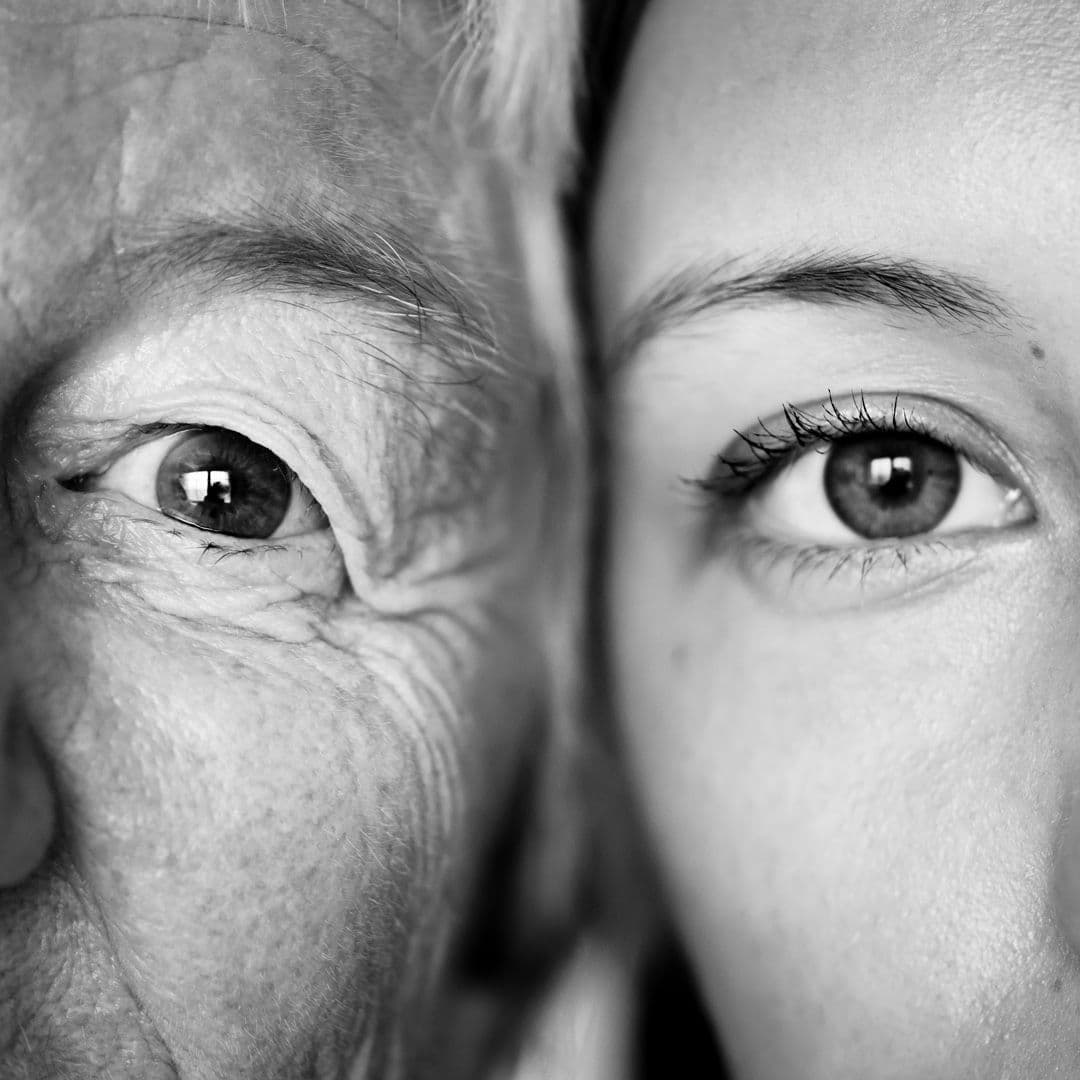
We’ve been noticing words like “longevity,” “lifespan” and “healthspan” are still trending. It makes sense – since the beginning of the year, a slew of new studies have come out dedicated to these buzzwords. Scientists and researchers are desperately trying to figure out how long people can live in good physical and mental health, free from disability or chronic disease. It’s obviously no small feat.
One study released earlier this summer in npj Aging suggests that humans could live to the ripe old age of 156 if the many hallmarks of aging were excluded except for somatic mutations – the non-inherited errors that develop in your DNA that eventually disrupts cells and significantly drives the aging process. The study also reinforces the notion that while our genetic makeup impacts our risk for diseases, the decisions we make every day that affect our health – what we’re eating, whether we’re exercising, if we’re getting enough sleep – also play a huge role in shaping how well and how long we live.
While we’re talking about longevity, the oldest person in the world, Ethel Caterham of the United Kingdom, turned 117 in August. She was visited by King Charles on her 116th birthday and has told the media she attributes her longevity to never getting into arguments, saying yes to every opportunity and taking everything in stride. It’s likely scientists are already studying Ethel.
The Importance of Resilience
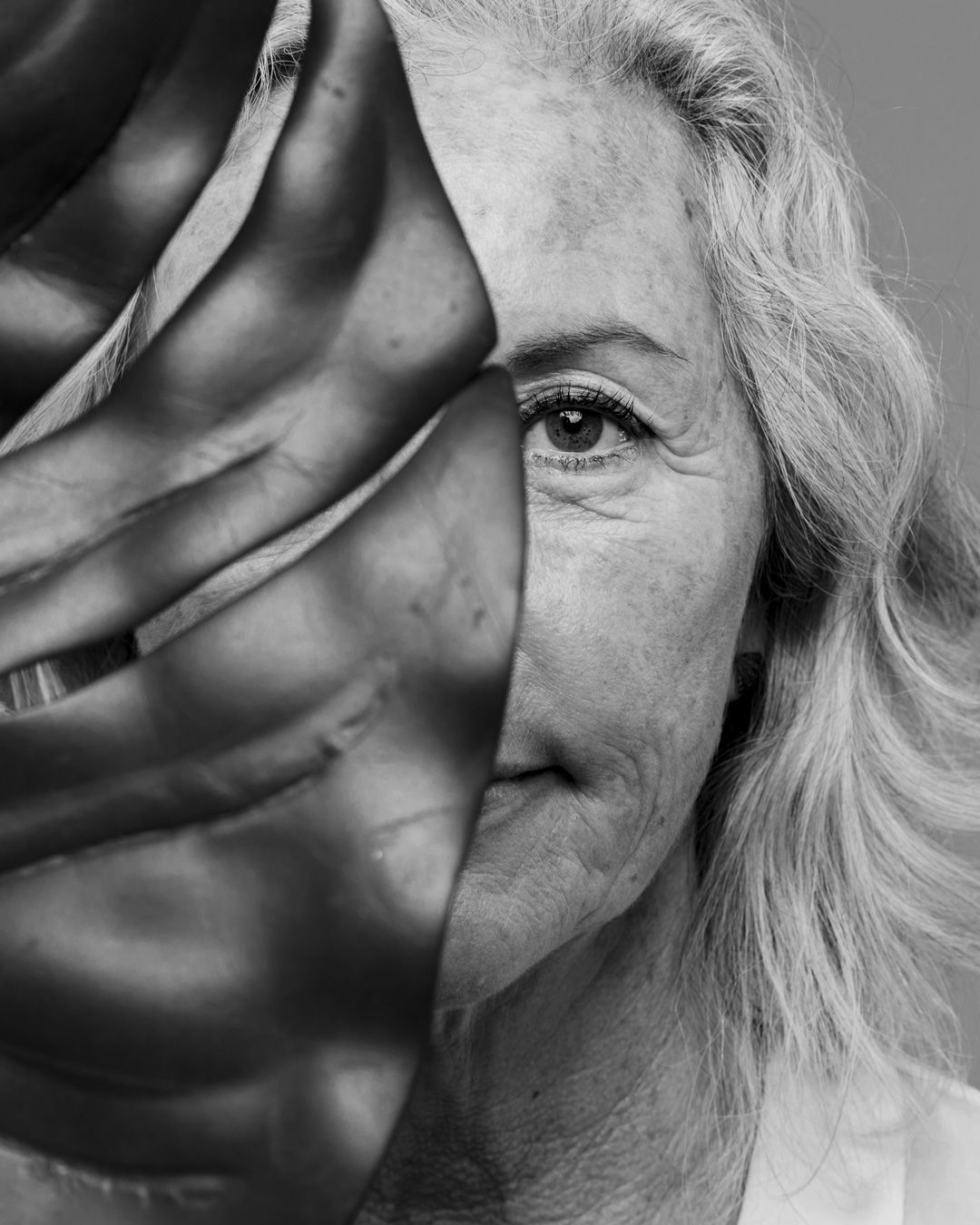
In February, npg Aging published a study that examined centenarians and a blueprint of the person who continues to hold the record of oldest-living human (she was 117 years and 168 days at the time of her death). The authors surmised that longevity stems from a host of factors, including protective genetics, low inflammation, an efficient metabolism and good lifestyle choices. They say people who live the longest are indeed the healthiest, and longevity isn’t about not aging – it’s about resilience against age-related diseases and staying healthy until the end of life.
Less Protein = Slow Aging?
In August, the journal Cell Press Blue reported a review of more than 350 studies that implies eating less protein can reduce inflammation, lessen cellular damage, adjust the way cells react to nutrients, boost metabolism and positively influence healthy aging. (The timing of this finding is interesting, especially as protein-fortified products are taking over store shelves and restaurant menus, while high-protein regimens such as the Zone, Paleo and Carnivore diets continue to attract followers.) “It’s absolutely crystal clear that there are benefits of protein to muscle growth and exercise response of active individuals,” says one of the paper’s authors, Dudley Lamming of the University of Wisconsin-Madison, in a press release. “But because most people are relatively sedentary, many people are likely consuming more protein than they actually need, which probably has negative health consequences.” Might be time to consider a more flexitarian diet.
Mix it Up
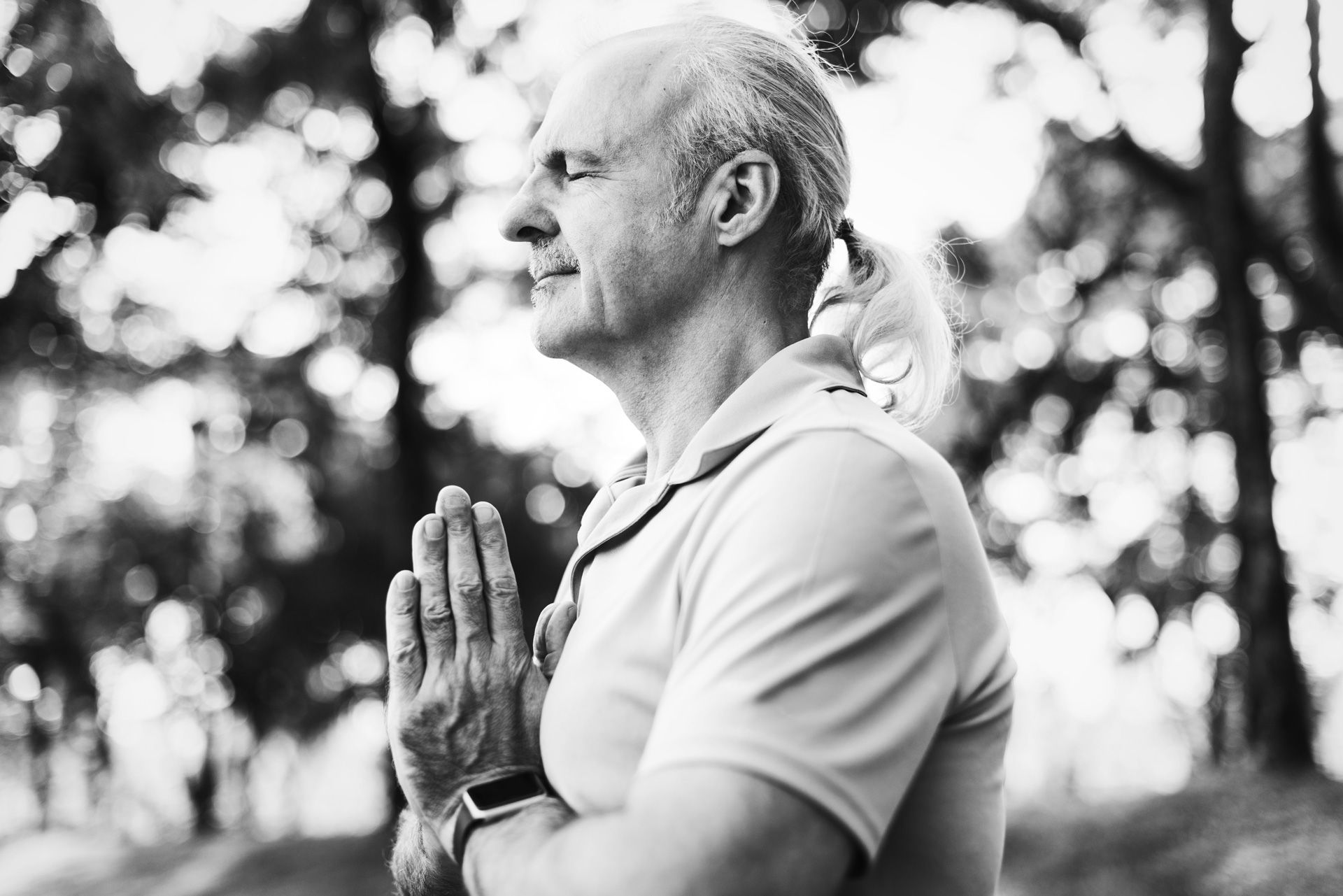
Here’s good news for those of you who like to change up your exercise routines. BMJ Medicine published a study conducted by researchers at Harvard T.H. Chan School of Public Health that shows people who consistently mix up how they work out have a lower risk of premature death. There’s already a clear connection between physical activity and longevity, but according to this new research – which looked at health and lifestyle data from 111,000 adult men and women over 30 years – we should consider different ways of staying in shape, including taking up activities like cardio, yoga, rowing, yard work, swimming, weightlifting, resistance exercises, tennis and good-old walking. Those who had the highest variety of exercises had a 19 percent lower risk of dying earlier than those who kept the same workout routines.
Genes Are at Play
The European Society of Human Genetics released compelling research in June. Scientists looked at long-lived families and identified genetic variants (including one that lessens inflammation, which can delay disease) that might be part of the reason some people remain healthy as they age. In studying families, researchers found middle-aged people with parents who lived longer than most developed issues like high blood pressure, heart disease and type 2 diabetes about 13 years later than their partners whose parents didn’t live as long. This suggests longer health spans are passed down generation to generation.
Get Off Your Butt
This won’t come as a total shock, since we all know excessive sitting is a no-no, but we were surprised to learn that if you sit for just 30 fewer minutes each day, you can actually improve your body’s ability to use carbs and fats to produce energy, boosting metabolic flexibility. (Read: It can help you manage weight, maintain energy and stave off disease.) Published in the Scandinavian Journal of Medicine & Science in Sports, the study included 64 sedentary adults with risk factors for heart disease and type 2 diabetes. Researchers discovered that reducing daily sedentary time by a half-hour each day – using a standing desk, exercising on a treadmill while watching TV or taking a stroll around the block, for example – improved risk of cardiometabolic illnesses, which includes insulin resistance, obesity and heart and blood vessel problems.