

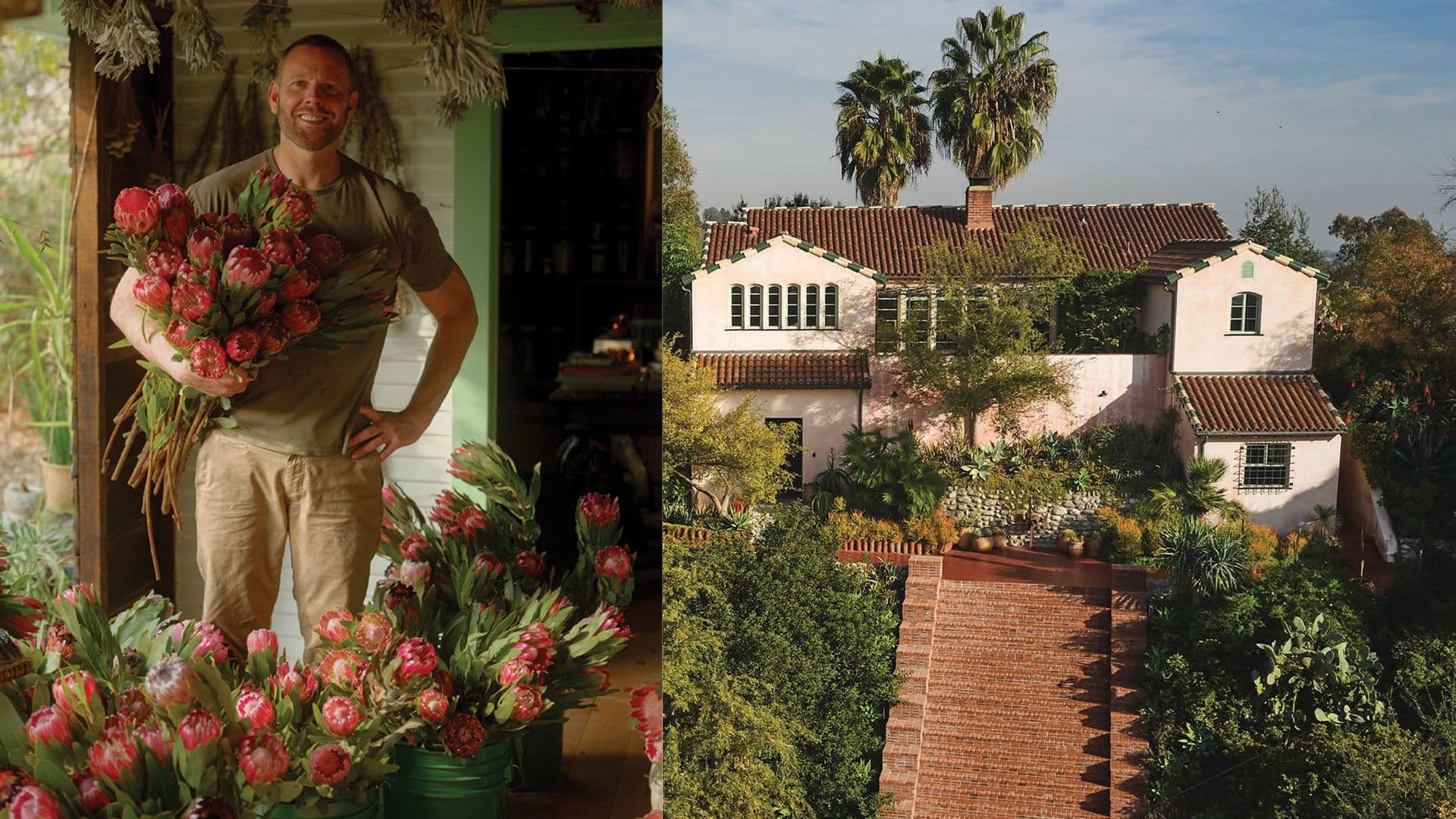
Speaking to Richard Christiansen is like balm for the soul. He says everything you are thinking and feeling about the world, the speed of technology, the need for nature and to slow down, but eloquently, softly and brilliantly. His latest book, Pleasure Principles, is built around the year-long journey of creating 12 different gardens on his Flamingo Estate in Los Angeles, from a Rose Garden, to a Drug and Lovers Garden. It is more like a compilation than a book. With his trademark maximalist aesthetic of beauty and design, honed as a magazine creative director and founder of his own agency with clients ranging from Hermès to Cartier and Calvin Klein, he offers yet another coffee-table collectible full of fascinating facts and anecdotes – something you could pick up again, year after year, and find something to think about anew. Much like a garden itself. Zoomer reached Christiansen in the midst of his American book tour, which culminated in a sit-down with his bestie and mentor Martha Stewart at the 92 St. Y, in New York.
Zoomer: What was the germination of Pleasure Principles?
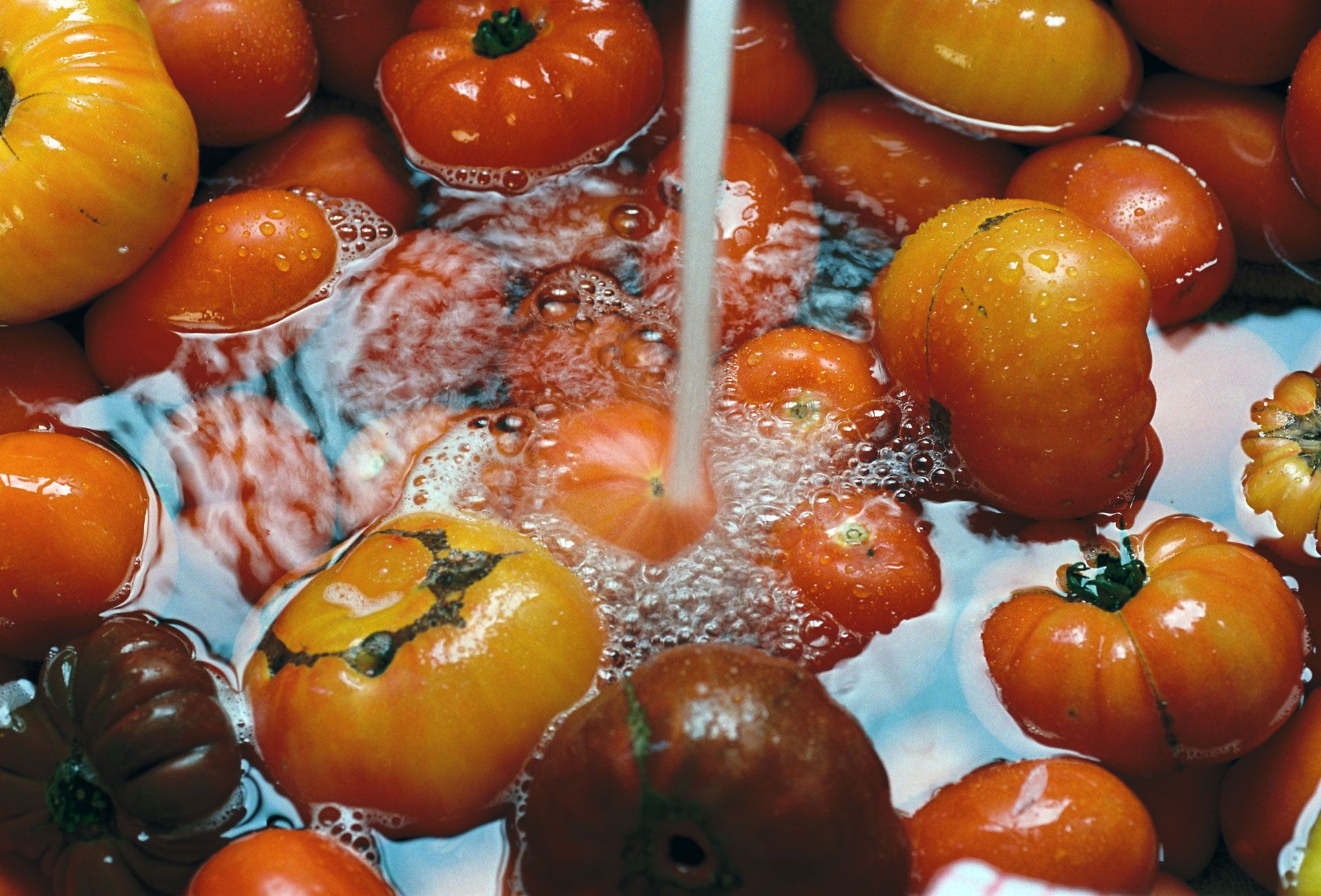
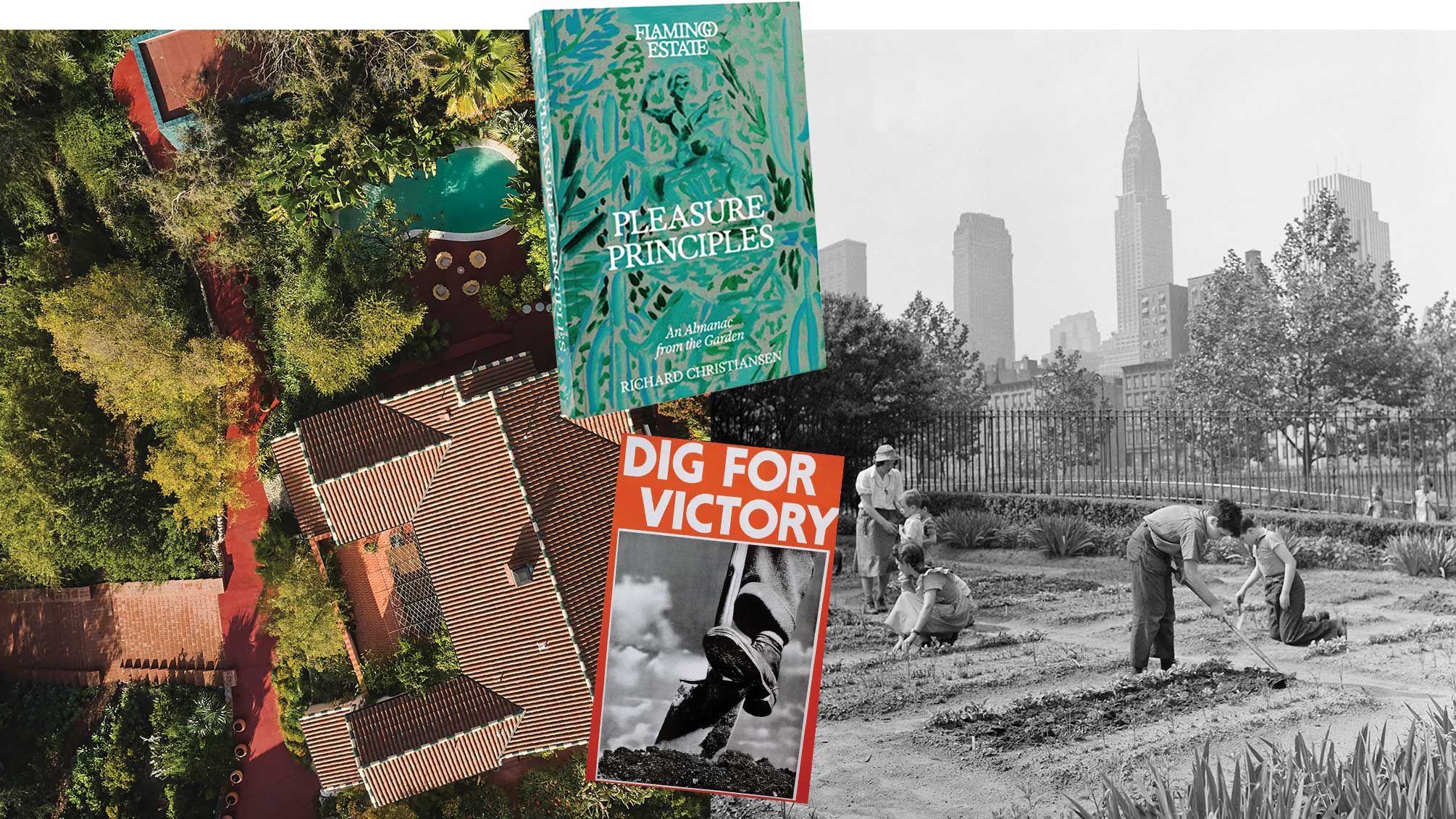
Richard Christiansen: When I started it was going to be about the Victory Gardens in the war. During World War 2, everyone was encouraged to plant vegetables to seek victory. I thought to myself: “If we were doing this work now, planting gardens now, what is the victory? The enemy we are now fighting against is much more slippery.” Since I wrote the last book, The Guide to Becoming Alive, two years ago, the world has gotten faster and faster. The requirement to optimize yourself and the automatic optimization of things, have given me such anxiety. Shortcuts are short change, the idea that the joy is in the work has disappeared. Some of this book is about how do we get back to the pre-optimization life? Each chapter has a section called “Dirty Work” – where you literally have to get your hands dirty. Whether it’s digging in the soil, making bird seed, a lasagne or rolling a joint. In its core, it is about getting into the now. Social media is all about the past tense and the future tense. I am very much into the now. My anxiety is from the speed of things. I don’t want the short cut. Nothing is good if it’s done fast, fast food, fast sex, fast fashion.
Z: Whose garden is a source of inspiration?
RC: Highgrove House [King Charles III’s residence that contains the famous private organic gardens that he personally designed, developed, and has managed since he purchased the estate in 1980] was always top of my list. I finally got to go thanks to Burberry, who did a collaboration with my garden and Highgrove. What was so interesting about Highgrove is how intimate it is, not this sprawling Versailles. It feels like a souvenir of the mind of the person who owns it. There is a beautiful allée there filled with flowering yellow azaleas that inspired me. I said to the team here at Flamingo Estate, “we’re going to plant a giant runway of azaleas.” They felt there was no way they could grow here, but we made it work.
The other garden I went to that was on my wish-list was the rhododendron forest that climbs up Everest in Nepal. The sherpas used to use the changing colour of the rhododendron flowers to know the altitude. Being there in the Himalayas pushed me to this place where I really understood my definition of luxury. It is not a modern Four Seasons hotel, but smelling and actually tasting everything. I met the most interesting people on that trip whose definition of luxury was also about being closer to nature. I have trekked across Antarctica to the North Pole with them. Every year for the past ten years we do some edge-of-the-map thing together.
Z: The recipes in Pleasure Principles aren’t very conventional, did you dream them up?
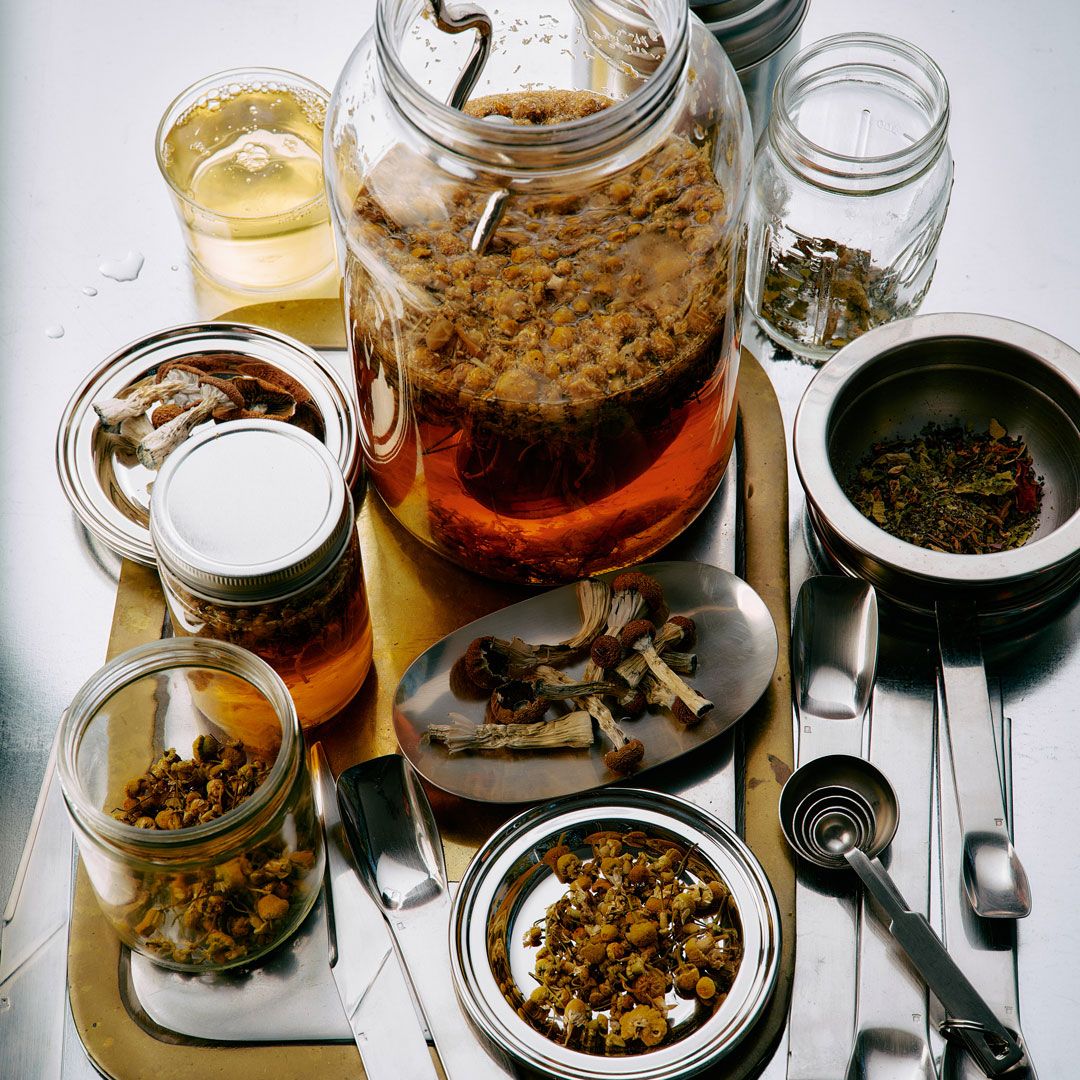
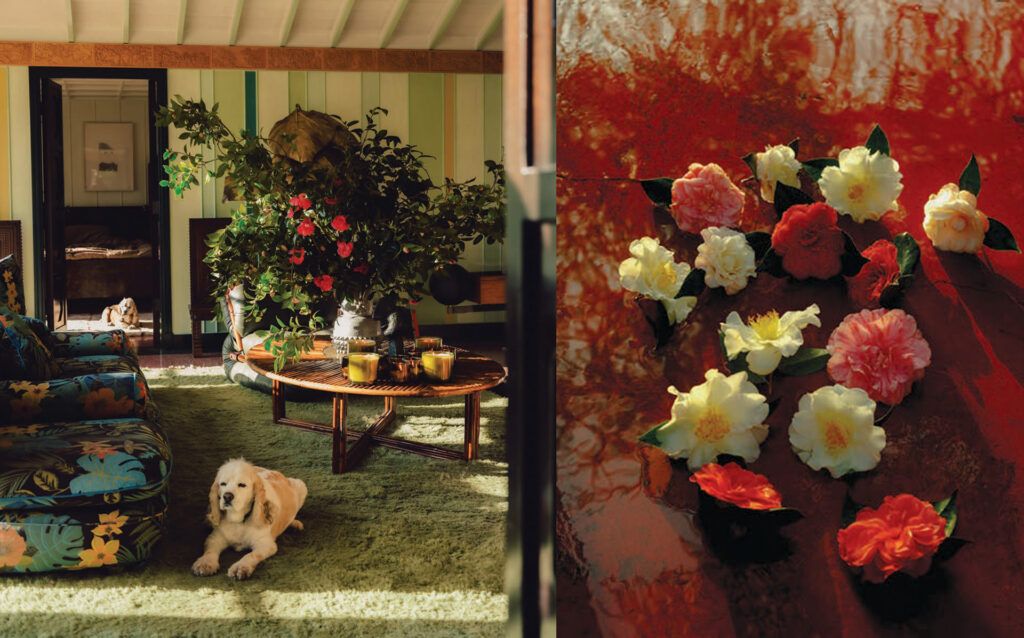
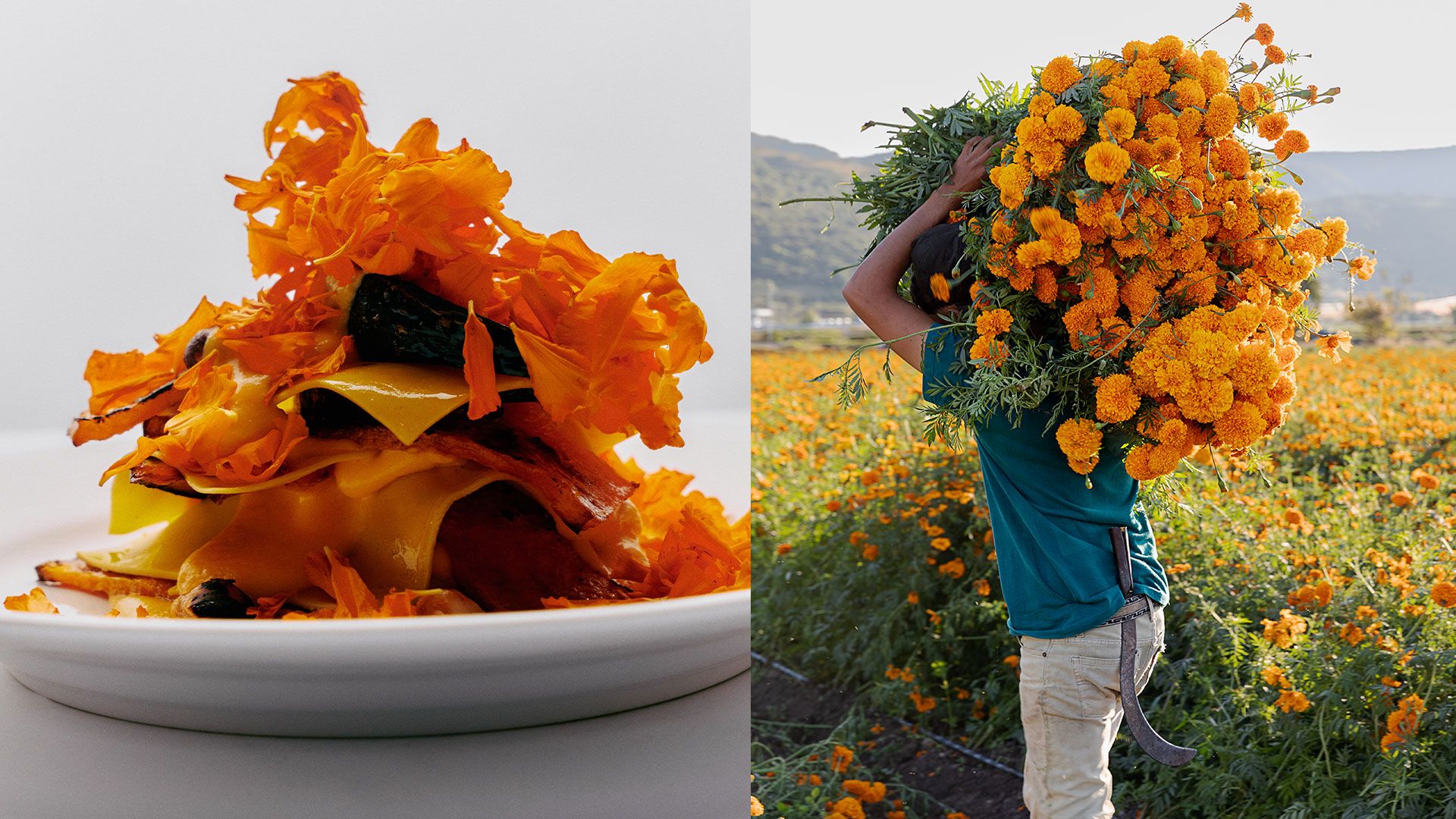
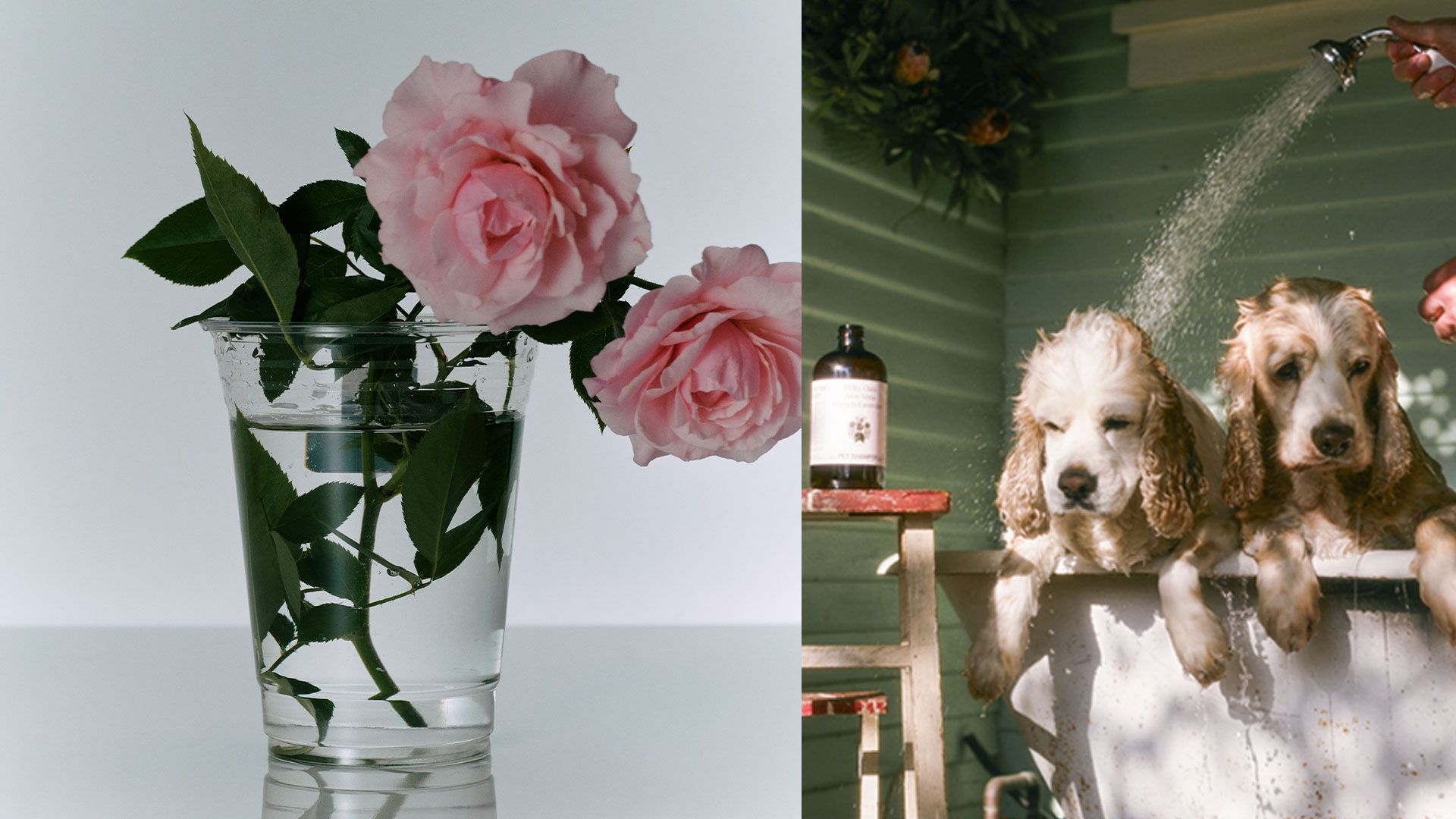
RC: The thing about the recipes here is I decided I was going to make them as weird and witchy as I could – and push it to the edge of the map. I’ve written multiple cookbooks and have made them digestible so everyone can eat everything in them, but this is not that cookbook. In this one, the recipes are created by Sandy Ho, who I collaborate with at Flamingo Estate. Sandy and I had wanted to look and draw inspiration from the gardens and the recipes formed from there. For example, from The Love Garden, which is in October, comes Lover’s Marigold Pasta – when I was a kid, or sad, my grandmother would cook lasagne for me. I planted the Love Garden as an homage to my two golden cocker spaniels, Freeway and Daylesford, who have been with me for 15 years. When I was writing the book, Daylesford had just been diagnosed with cancer. So I planted a garden full of golden blooms, with two trees they will rest beneath, that will remind me of them.
Z: If you could pick just one thing to cook from the book, what would it be?
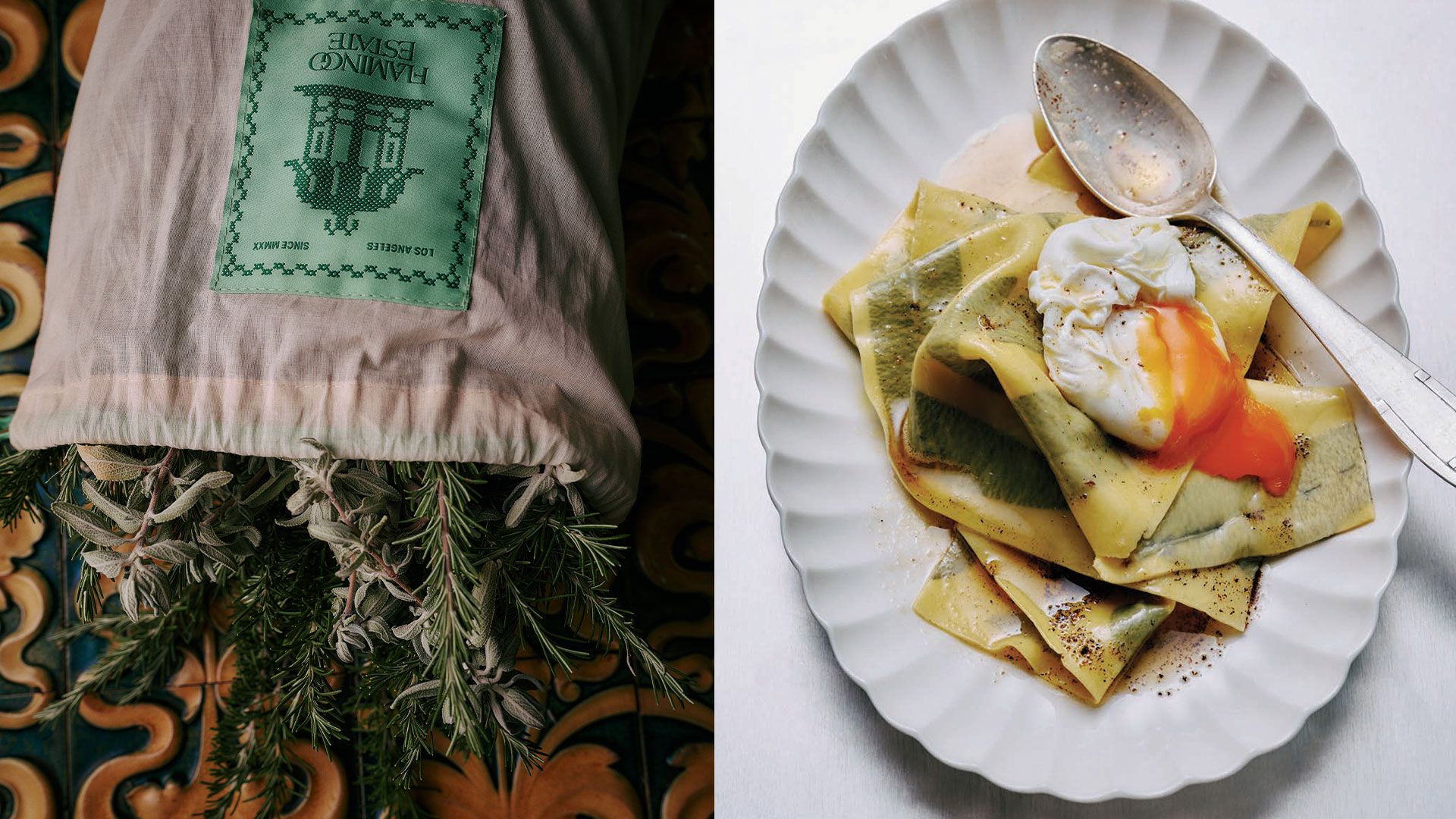
RC: The sage pasta with poached egg. Sage is my favourite of all plants. Its botanical name, salvia, literally means: to be saved. Sage – particularly White Sage (salvia apiana) – has deep roots in many cultures, especially among Indigenous peoples of North America. As I write in my book, Sebastien Kneipp said growing sage in your garden is like having your own pharmacy at hand. In England, folklore held that sage strengthened memory, hence a “sage” (wise person) was someone with a long memory. Its powerful, free-radical scavenging properties also play a role in bolstering the body’s defences against aging. Even its name hints at its reputation: the botanical salvia comes from the Latin salvere – “to be saved.”
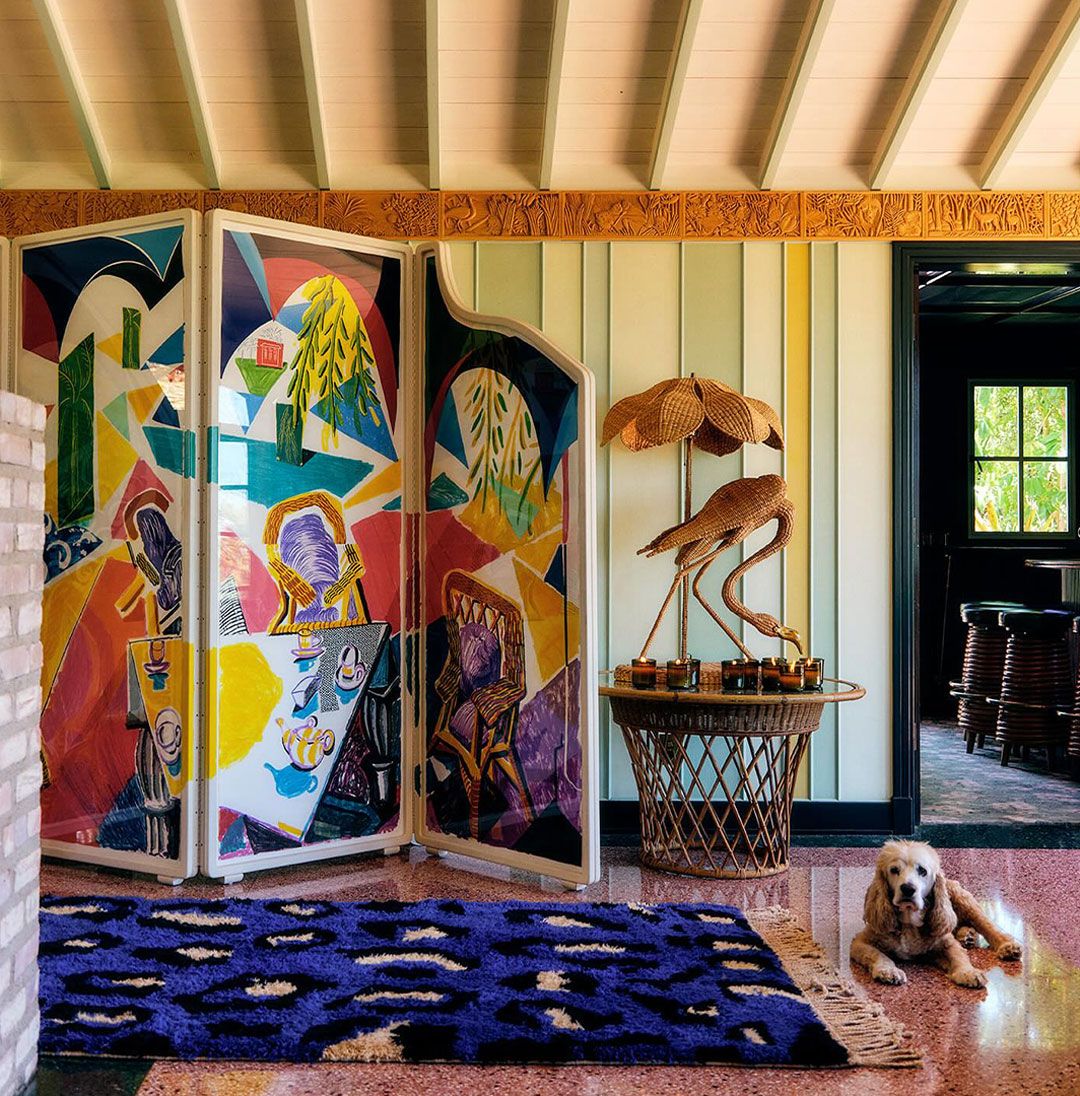
Z: Flamingo Estate is nestled in seven sunny acres of gardens, can you use Pleasure Principles in less bucolic settings?
RC: No matter where you live, you can make bird seed like I have in the book, and you don’t need a giant garden to leave stuff out for birds to make their nests from, just have a small open basket and fill it with a mix of dry grass, small twigs, straw and moss. Each of us can have a green world with the pots on our balconies. The little seedlings on our windowsills. The goal here is not to have a showcase garden, but to put our phones down, get off our asses, and get in the dirt. Last year I did a project in Bhutan. They said: “Do you want a medicine bath?” They heated stones in a fire, and filled a bath with mugwort, sage, marijuana and calendula, with the hot stones at the bottom. It was a soupy bath full of botanicals. Anyone who has a bath can do it at home.
Z: You were a top creative director in fashion in New York, how did you not only manage to pivot but gain your incredible plant knowledge?
RC: It came from my parents. I grew up in Australia where they were farmers and horticulturalists. My mother, who turned 80 this year, is still out gardening every day. She went to a book store in Sydney for my big Australian launch and they invited her to come and sit in the front row. She said: “Are you joking? I know far more than he does!”
Z: Who is the guest you most want to entice over to break ground – and bread – with?
RC: David Hockney was always at the top of the list. I tried hard to get him, I even barged my way to the front of the line at one of his openings – so much of my garden and colours were influenced by his art – but I never managed. I am most sad about not being able to have Dolly Parton here. We were going to do a coffee together called “8 to 6 pm”!
Z: You are not alone in this A-lister return to the garden movement, which includes Zach Galifianakis and Pamela Anderson. What do you think is behind this? Is it simply an age thing, or something more?
RC: I think it’s always been there. We are desperately in need of real things, and the over optimization of our lives requires it. I think it has come out of the shadows rather than a new thing.
Z: What is your secret power?
RC: My greatest asset is my softness. I used to be so ashamed of it as a kid. I was a soft, gentle little boy who liked to play with plants. The world needs more softness right now across the board. Plant things, cook things and make things.
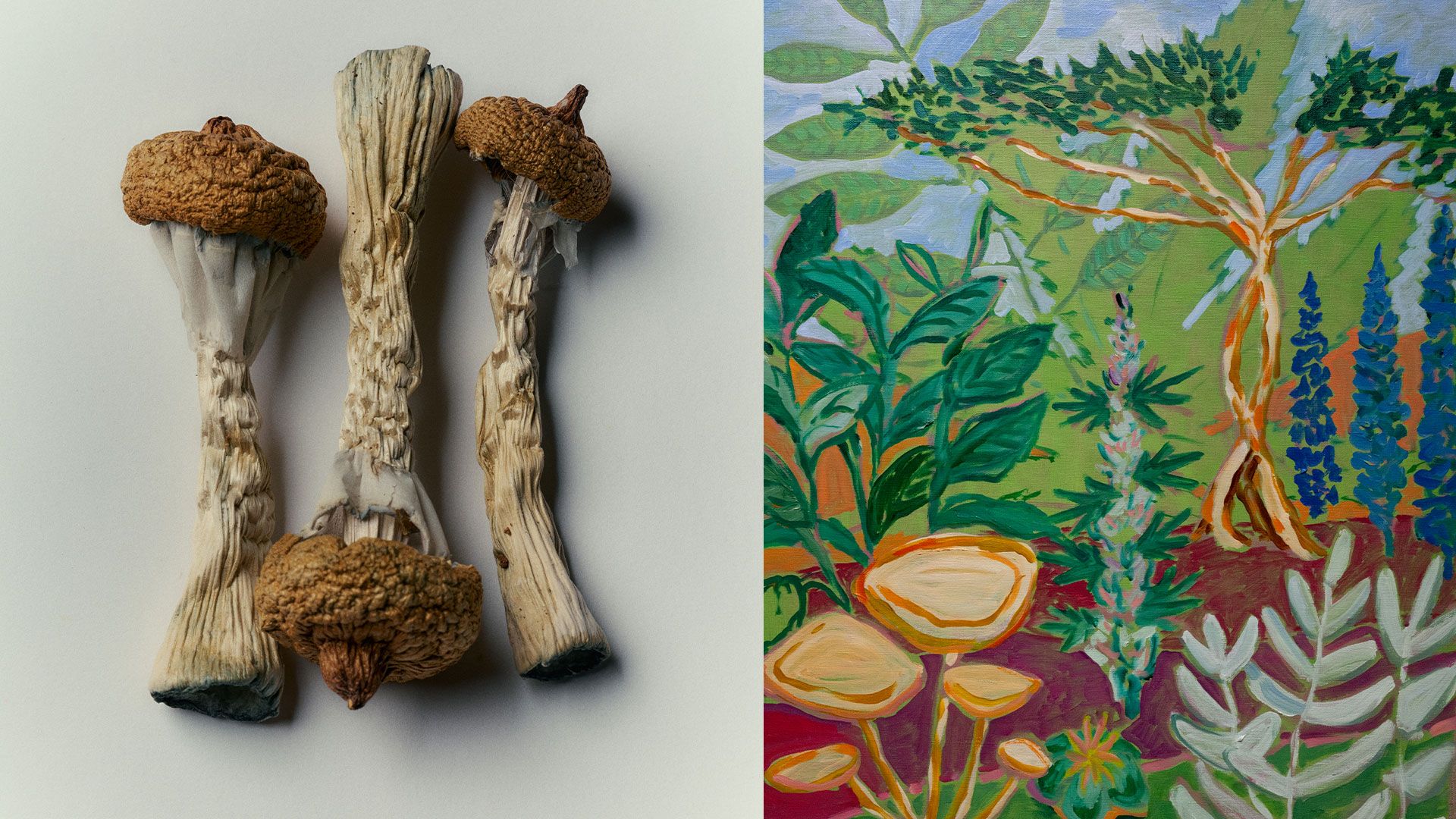
I look at crypto, fungibles, fake money to bet on fake things, fake injections for fake bodies – and I do feel like it’s a fight. Just like the Victory Gardens were. The speed of the world and technology. I don’t have a car, I have a bicycle. I wouldn’t have a smart phone if it weren’t for my work. It takes such discipline to go analog and to stay slow; by being slower, I’m faster as I’m not distracted. I had an interview with Zendaya’s stylist, Law Roach, and he talked about when he was trying to dress Celine Dion, and he was fumbling with a zip and a shoe, and Celine said, “Going slower will make it happen faster.”
Z: Do you, like Pamela Anderson did, ever yearn to return to your native habitat in Australia?
RC: I’m actually desperate to move back there. I like a life with chapters – this one I will close at some point.