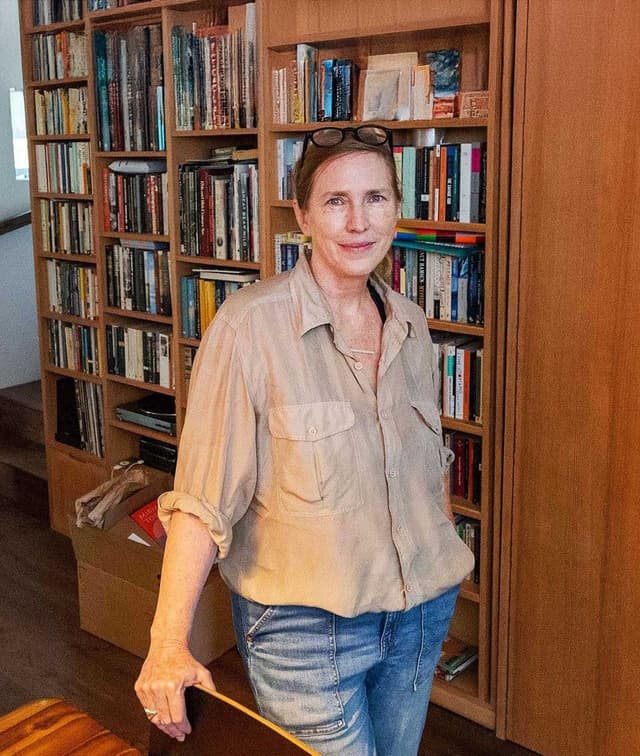
In 1981, London City Ballet mistress Anne Allan’s phone rang just as she got her toddler to sleep. On the other end of the line was Princess Diana’s lady-in-waiting, who said the newlywed wanted lessons. Allan found the notion so fantastic that she thought a friend must be playing a practical joke.
Soon enough, Allan began seeing the 20-year-old princess in a London studio. The lessons were top secret – even Allan’s husband didn’t know where his wife went on Wednesdays. For nine years, Allan would arrive early, sneak in a private entrance and welcome the Princess of Wales for an hour of pliés and port de bras while her bodyguards waited outside. Despite reservations, Allan helped Diana prepare for her infamous 1985 Uptown Girl surprise performance for Charles’ birthday at the Royal Opera House. In her new memoir, Dancing With Diana, the Toronto-based theatre director and choreographer recalls being astounded by Diana’s comment after her final bow: “Beats the wedding!” As Diana made her way to Charles after the performance, Allan writes, “I could sense she desperately wanted his approval. He said, ‘Well done, darling,’ and turned to talk with someone else. I sensed disapproval from him and my heart took a thud.”

In eight years, Allan and Diana became what the rest of us would call friends. Sometimes they tried tap dancing or disco. One Christmas, Anne was invited to a reception at Kensington Palace. In March 1986, Allan writes, Diana suggested they play hooky. “Come on, I’m taking you back to mine for tea. They are going to announce Fergie’s engagement and I want to see it.”
As warm and friendly as she was, however, there were always things Diana wasn’t saying: The details of her crumbling marriage, the extent of her sadness and loneliness, her dismay at her husband’s infidelity. “Do I just put up with it, hoping he will change?” she asked Anne. Often overwhelmed by emotions she couldn’t express elsewhere, Diana spent more than a few classes in tears.
All the while, the proper British princess wrote handwritten letters and postcards to Allan thanking her for lessons: “Words are inadequate to what I feel but you know how deeply I appreciate your advice,” reads one. Allan saved each and every one, which she keeps in a box in her Beaches home in east-end Toronto.

In one chapter, the author recounts how Diana asked Allan to film her, “just for me to see, and maybe show to the boys?” Allan managed to recruit a cameraman, secure the stage at a West End theatre and film Diana performing a routine to the Top Gun anthem from the 1986 movie, all in secret. She edited it herself, and handed the final cut, on a VHS tape, to the princess at their next class. Diana confirmed, in a thank-you note, she had shown it to William and Harry, who pointed out Diana’s mistakes with “great enjoyment.”
Allan moved to Canada in 1989 to become director at the theatrical production company Livent – which notably toured Phantom of the Opera – and she’s worked with everyone from choreographer Gillian Lynne to the late great Christopher Plummer. But today, upon the arrival of her memoir, she’s talking about her secret royal student and why she’s telling her story now.
Rosemary Counter: I thought I’d read everything there is to read about Princess Diana, but here you are after all these years! Why now?
Anne Allan: I’ve only done two or three interviews over the years. Most reporting goes right to the sensational side of things – her marriage, her difficulties, her death. Even when I had wonderful conversations with reporters, when it came to the cutting room, it was always about those sort of things. I wanted to express the more private side of Diana, the love that she had for dance and the kindness and sincerity that was always there all the years that I knew her.
RC: You were there from 1981, when she was a young happy newlywed, until 1989, when everything’s gone wrong. Those must have been some seriously formative years.
AA: For me, the joy was seeing this beautiful but incredibly shy 20-year-old transform in front of my eyes. I mean, if everyone thinks about where they were in life when they were 20 and then considers the position Diana was in, they’d see the huge transformation she made.
RC: In a time before email, you got a fateful phone call from Diana’s team. Tell me about that day.
AA: I still laugh about this because it was so unbelievable. I had just put my four-year-old daughter to bed, and she wasn’t a good sleeper, so I dived off the couch and ran to the phone when it rang. I’m whispering and thinking, ‘Who would call me during bedtime?’ It was Anne Beckwith Smith, Diana’s lady-in-waiting, asking me to meet her to discuss teaching dance to the princess. I really thought someone was pranking me. I thought someone was about to have the best laugh ever at my expense. I’m lucky I even took the meeting.

RC: I’m impressed you could keep that secret. I’d have spilled the beans in three minutes.
AA: Well, she told me it was a highly confidential matter, so I couldn’t say a word. Plus if it was a prank, I didn’t want anyone to know it had worked!
RC: Why do you think they chose you?
AA: Part of it, I think, was that we were close enough in age that there’d likely be a natural understanding of each other. I already had a child, so I was a bit older. Though a lady never reveals her age, so let’s just say we were peers.
RC: A question you’ve been asked a thousand times before: What was she like?
AA: She was just so warm and she exuded this kindness. She was so embarrassed at the start, but she giggled a lot at herself. I’d been told in advance all the protocol and formal rules of meeting someone in the monarchy – you wait to speak until they speak, for example – but once she arrived, she wasn’t like that at all. Within a couple of minutes, she was like any other of my students who wanted to learn to dance. She just happened to be the Princess of Wales.
RC: Looking back, would you consider yourself friends? Good friends? How would you characterize your relationship?
AA: I think she certainly considered me a friend, because she shared things with me she probably shouldn’t have. Our friendship was so private, literally we met in secret, so a bond of trust developed there. But there were things she couldn’t and didn’t tell me. There were also feelings and emotions she expressed to me through dance. Not everybody has this, naturally, but when you’re a dancer, you get to a point that you transcend technique and you begin to emote this incredible quality of emotion through what you’re dancing. A dancer’s job is to communicate with their audience through dance.
RC: How serious was Diana about her dancing?
AA: She loved dancing, but she knew she’d never be a professional dancer. There were many days when we just had fun and laughed. Other days, especially if she were having a bad day, it would have been very hard for her to have appointment after appointment with people. On those days, I’d sense she wanted to just dance and then she’d take the class more seriously. I could tell when she wanted to throw a bad mood off and a dance session would often help her do that. She’d tell me she felt heaps better afterward and could carry on doing her job. “I’ve got a job to do,” she’d say. She took her role very seriously.
RC: Your book cover uses a photo of the famous “Uptown Girl” surprise dance, which we now know Charles hated. In retrospect, was that a mistake?
AA: I thought it was a mistake at the time! When she told me, I said I didn’t think it was a good idea. Charles didn’t like surprises, first of all, so having to see his wife dancing in a slinky dress on the stage, well, he might not like that. But Diana thought it would be great fun and she’d worked so hard, dance-wise, that she wanted to perform. That was incredibly brave of her.
RC: You’re being very kind, but I’m not: He was such a jerk and I’m still mad. The Crown had him flipping out and being embarrassed. Did Diana tell you how he reacted?

AA: She only said, “I don’t think Charles liked it very much.” At the time, she was so naive about everything. She didn’t think there’d be any press there, which there was, of course. As we went on, she began to find and assert herself. I think that’s when the palace realized I might have more information than I should. By the time I moved away and left the princess in 1989, I felt I was leaving a very different woman than I’d met. She felt very strong and mature. She was someone who knew then what she wanted and what was important.
RC: Her lady-in-waiting, probably on behalf of the palace, tried to stop your classes. They probably thought you’d sell her out and tell, but you never did.
AA: I would never. When Diana passed away [in 1997], Andrew Morton was working on another book and that’s when he finally found me. I thought, ‘it’s sure taken you long enough to even know about me.’ He said a video of Diana dancing would be very valuable and do I have one? I said, “Andrew, maybe I do and maybe I don’t.”
RC: Do you still miss her?
AA: I do, of course, but now I can remember and smile. We had a lot of fun together and I want people to know the person I knew. My little granddaughter saw a photo of us on my shelf and she said, “Who’s that?” I said, ‘that’s the princess,’ which of course is just magical for a child, and it dawned on me that it really was for me, too. That’s when I decided I wanted to make sure this story, my story with the princess, went out into the world.