If you’re like us, the price of groceries continues to scare the dickens out of you. In July, the Agri-Food Analytics Lab at Halifax’s Dalhousie University reported the cost of meat and fish rose six-and-a-half percent from June to July alone, adding about $5.72 to the average shopping cart. The lab, which tracked 50 products from 22 grocery banners in 13 cities across the country, found the largest increase in bacon, Atlantic salmon and pork loin chops. Beef prices are also surging, thanks to supply constraints and shrinking herds.
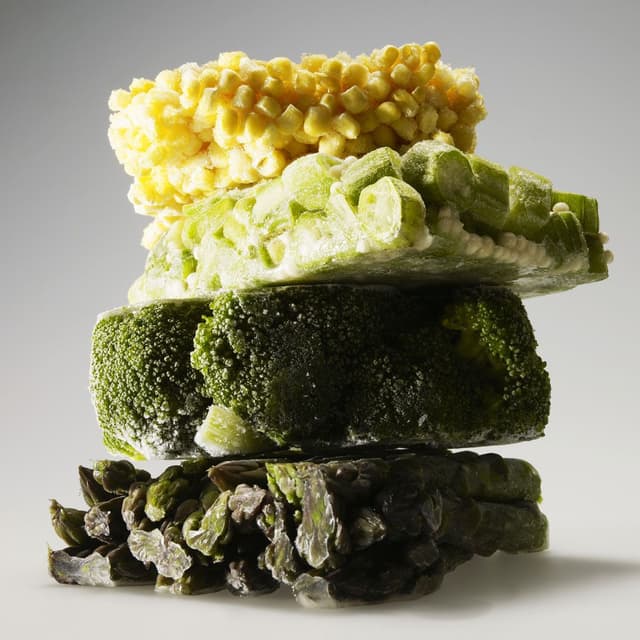
The good news is, the lab found some items we commonly purchase for our dinner tables dropped – the price of chicken breast, for example, dropped by nearly 27 percent and veggies declined by almost seven percent. (Go buy broccoli – it’s 24 percent cheaper than it was in June.)
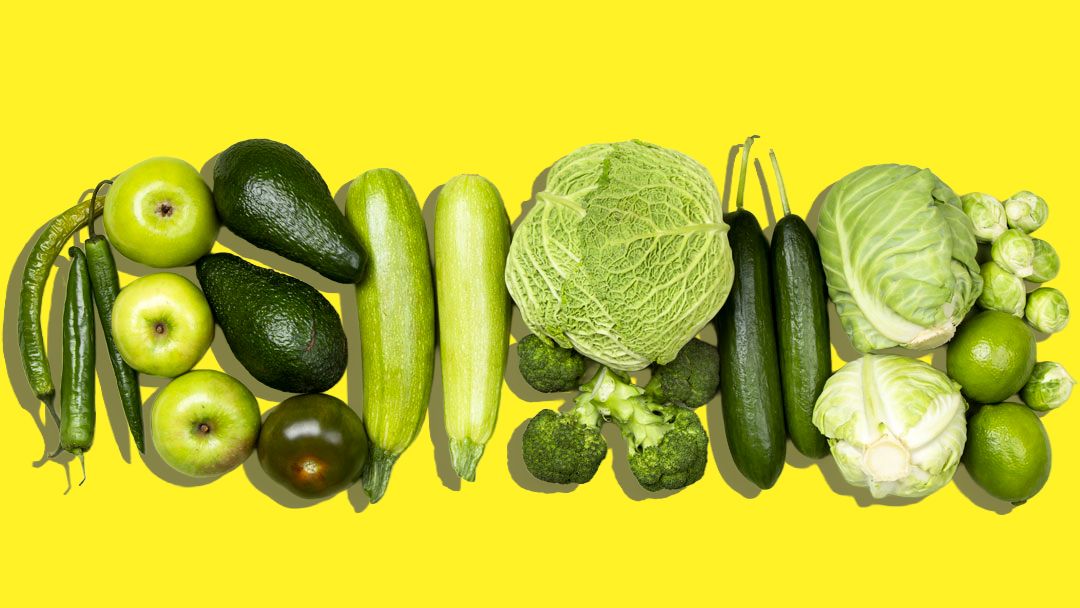
It makes sense, then, that the price of our food is contributing to a major shift in the way we eat. Price pressures on animal proteins are pushing us toward alternative choices, which has people all over social media buzzing about embracing flexitarianism – a semi-vegetarian diet that doesn’t bat an eye if you do decide to grill a steak or devour a burger here and there. It’s seen as a healthy alternative to cutting out meat completely.
“It’s all about flexibility. It’s an approach to eating that encourages adding more plant-based foods to your diet without asking you to give up meat, dairy or other foods you already enjoy,” says Lynsey Walker, the vice president of marketing and communications at the Canadian Health Food Association (CHFA), the country’s biggest trade association that focuses on all things natural, organic and wellness. “For many Canadians, it’s a practical, realistic way to support their health and live a bit more sustainably without feeling restricted.”
Walker says one of the biggest shifts we’re now seeing when it comes to wellness is consumers are moving away from strict diets and toward balance. “Rather than focusing on what they shouldn’t eat, consumers are increasingly focused on adding foods that support their overall wellbeing, whether that’s plant-based proteins, responsibly raised animal-based proteins, fibre-rich foods or functional ingredients,” she says.
Millennials seem to be driving the movement, but the 65-plus crowd is definitely buying in. One study out of the United Kingdom found 52 percent of seniors say they eat at least three plant-based meals each week while still eating meat. Other studies show postmenopausal women that follow this diet often have lower body mass indexes and improved blood glucose control, and flexitarians show reduced arterial stiffness and lower metabolic syndrome severity scores compared to omnivores. And a recent study published in the American Journal of Clinical Nutrition found avoiding meat entirely lowers the odds of reaching 100 for underweight seniors.

Weight management, lower cholesterol, better heart health and a lower risk of type 2 diabetes are benefits (as are the ways it encourages people to eat a variety of nutrient-dense fruit, veggies, whole grains, legumes, seeds and nuts), but flexitarianism doesn’t come without risks. Possible muscle loss from inadequate protein is one, and nutrient deficiencies (think iron and vitamin B12) is another. Still, the movement is based on an everything-in-moderation approach, so it’s worth speaking to your healthcare provider if you’re interested in making the switch.
“One of the biggest advantages of flexitarianism is that it doesn’t require an all-or-nothing commitment, which is part of its appeal,” says Walker. “Whether you’re looking to improve your overall nutrition, support healthy aging, reduce your carbon footprint or simply eat more plant-based foods, flexitarianism lets you do so in a way that fits your lifestyle and routine.”
Zoomer Rx
Interested in a more balanced, flexible diet? Start slowly. Don’t overhaul the way you eat overnight. “For people who eat a lot of meat or dairy, that might mean incorporating one or two plant-forward meals each week or experimenting with [protein-rich foods] like tofu, beans or lentils into familiar recipes,” Walker says. “It can also be as simple as swapping in a plant-based creamer with your morning coffee, choosing plant-based yogurt or reaching for a plant-based snack during the day.”